







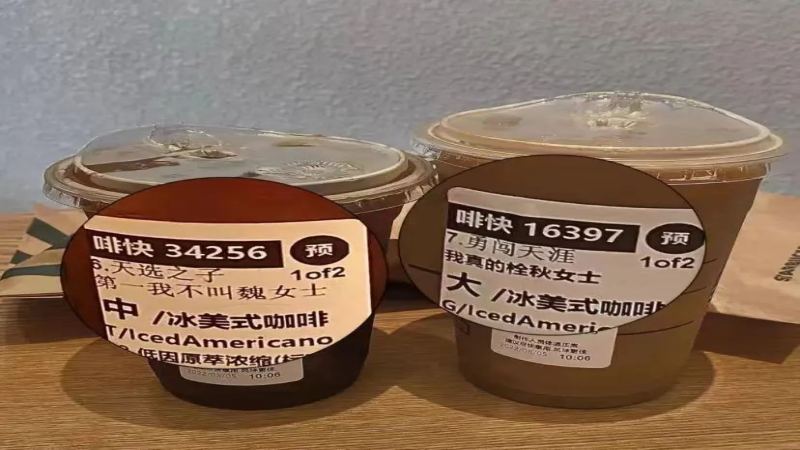
Why do Starbucks puns work as the shop marketing guys hoped?
Starbucks launched a Fei Kuai service that lets customers type any name in the order field. Netizens filled it with homophone puns, the topic trended on Weibo, and a pun contest followed. In Guangdong, Cantonese homophones pushed the trend further, turning ordering into a creative contest that cost the brand little.
The mechanic is simple: users supply the content, social media spreads it, and the brand gains attention without heavy spending. The shop marketing guys behind such campaigns rely on local language play, from surname homophones to region-specific humor, which is why Cantonese versions landed harder than generic jokes about names for coffee beans.
After Starbucks launched its customized "Fei Kuai" service last year, netizens started playing puns with their names in the name field, and surname homophones quickly went viral, trending on Weibo. Half a year later, this trend reached new heights in Guangdong thanks to Cantonese homophones, with all sorts of wacky yet down-to-earth names that are hilarious. This article will take you through the origin and explosive popularity of Starbucks puns, showing how friends in Cantonese-speaking areas turned ordering into a joyful creative contest, while also exploring why these puns resonate so strongly.
For professional coffee knowledge exchange and more coffee bean information, please follow Coffee Workshop (WeChat public account: cafe_style)
For more specialty coffee beans, please add our personal WeChat Front Street Coffee (FrontStreet Coffee), WeChat ID: qjcoffeex
With the rise of remix culture online, today's netizens are all masters of meme-making.
Last May, Starbucks introduced a personalized service where customers ordering through Fei Kuai could enter any number of characters in the name field.
As a result, netizens' creativity was instantly ignited! Everyone rushed to change their names into all kinds of homophonic puns.
The surname puns shared by netizens on social media quickly went viral, attracting a flood of imitations, and the "Starbucks puns" entry even topped Weibo's trending list. Starbucks seized the moment to hold a pun contest, bringing the brand closer to netizens and achieving a successful marketing campaign by harvesting user creativity at zero cost.
More than half a year later, Starbucks' surname puns are still going strong, and recently they've been taken to new heights in Guangdong!! You could say this isn't just a meme, but the shared sentiment of many Cantonese speakers!
Catch-a-slap Lee (I'll slap you dead) Old-no-teeth Zhao (too old to chew)
Those who know, know (really unnecessary)
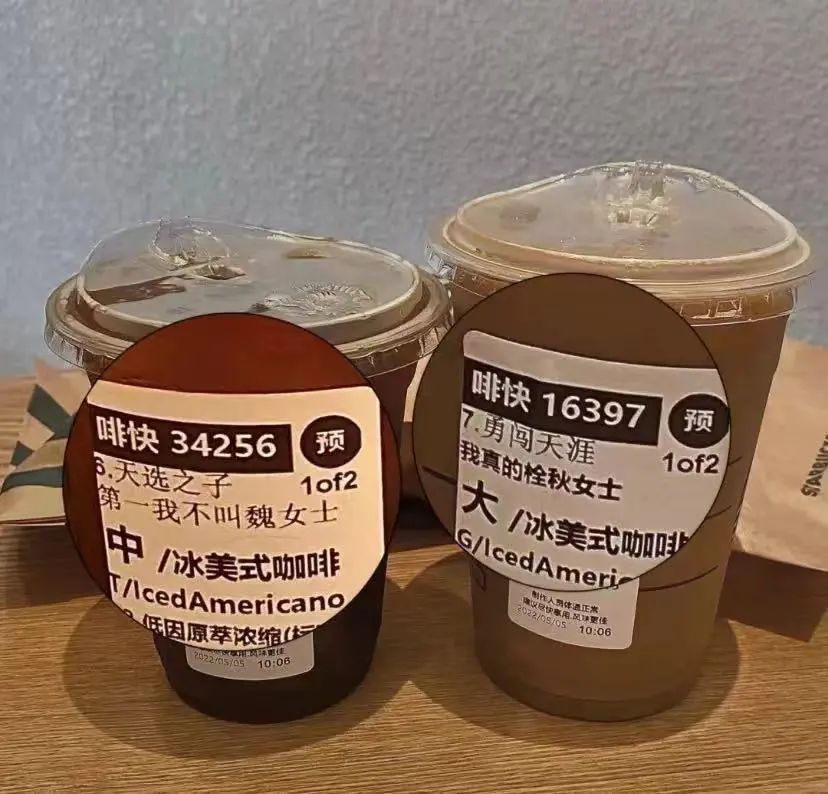
Chat-up-boys-no-nerves Miss (not nervous when meeting guys)
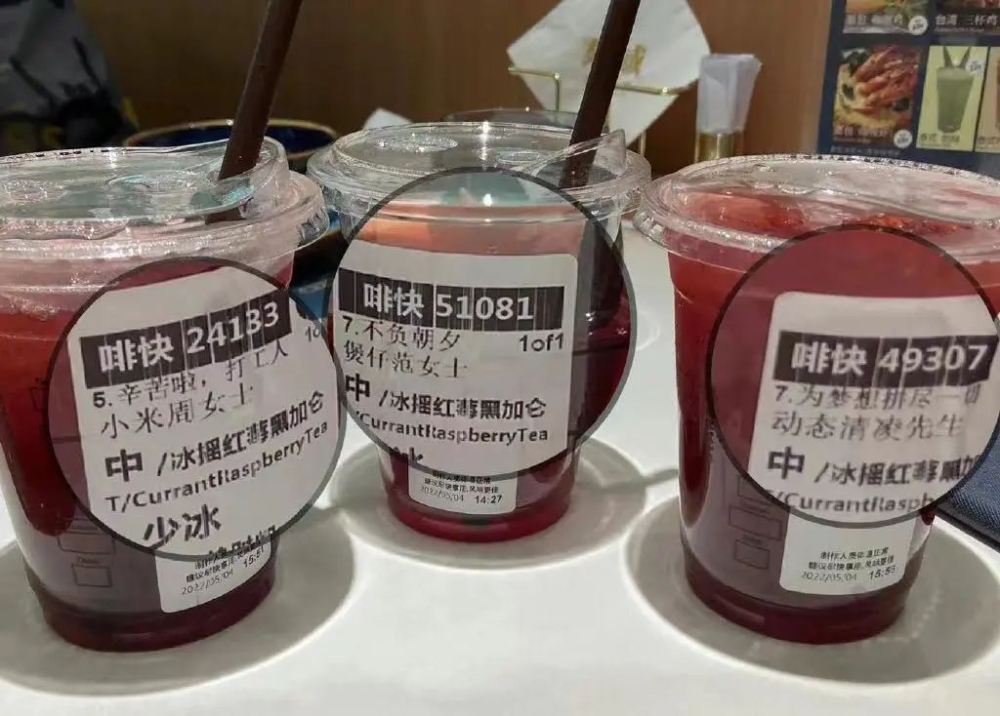
Good luck comes one after another Lai (good luck keeps coming) Win at mahjong until Ou (won big at mahjong)
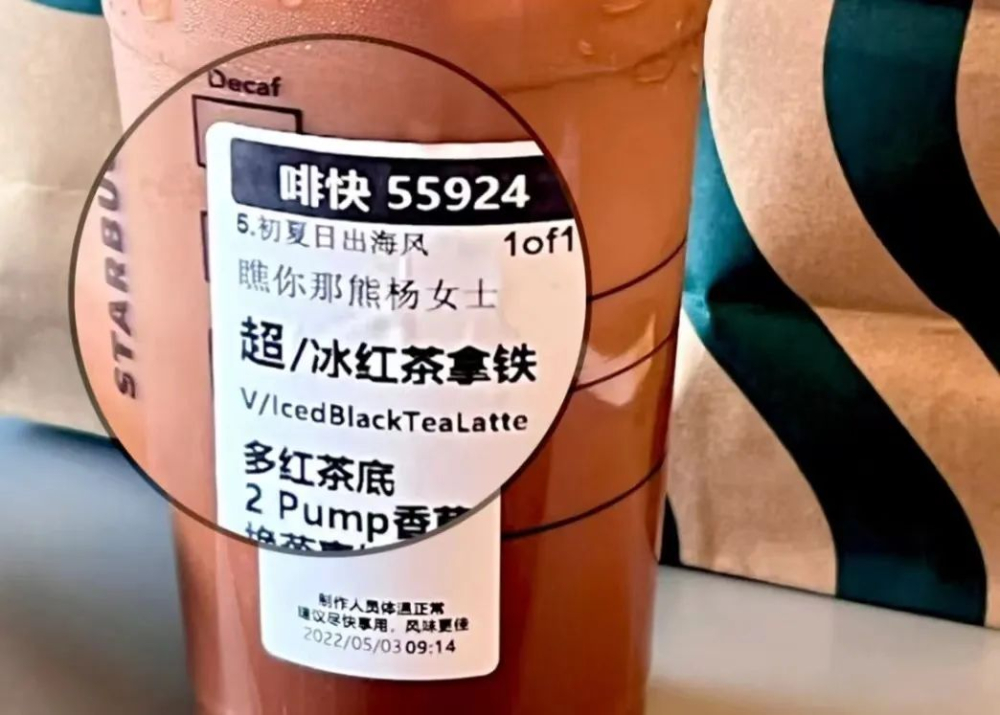
Buy a car and buy a Lau (buy a car and buy a building) Surely get rich no need to Chen (surely get rich, no worries)
...(There are plenty more outrageous ones we won't list one by one, after all
) It's also clear that everyone is just "bullying" the system for not understanding Cantonese.
One reason people love puns is the low barrier to creation—giving new meaning to existing words creates a fresh feeling that's both familiar and strange, and easily strikes a chord.
Fortunately, when the staff call out orders, they don't use names directly but use a system code instead—otherwise the scene would really, probably, possibly be very hilarious, and everyone would likely refuse to leave. After all! Almost no one can resist a good "pun."
So how hilarious can everyone's surnames get when punned? I'll go first!
Chickens and ducks talking past each other, eyes rolling round and round! Eyes rolling round round round round round~~~~
Image source: Internet
The above content is compiled by CoffeeHunters, a coffee news website.


