







Search Results for: Robusta blends
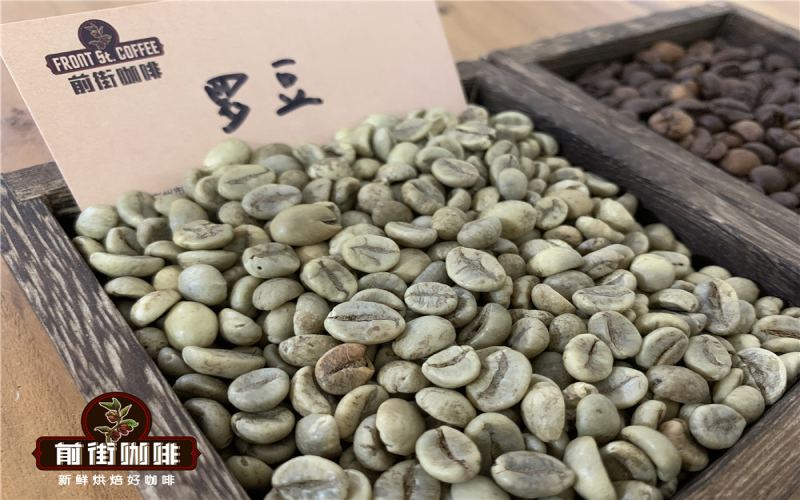
Analysis of Robusta Coffee Growing Altitude and Origin Characteristics: The World's Largest Producer and Flavor Applications
Robusta coffee beans are known for their high yield, full body, high caffeine content, and low cost, and they hold an important position in global instant and blended coffee. As the world's second-largest coffee producer, Vietnam devotes 80% of its output to Robusta, making it the largest current supplier of Robusta. This article will analyze variety classification, plant characteristics, cultivation altitude, and the causes of flavor, and will also explore the value of Robusta in espresso blends in the era of specialty coffee. At the same time, the article will also combine two products, Front Street Classic Blend and Front Street Commercial Blend, to explain how a small amount of Robusta improves the actual performance of crema and a rich mouthfeel. [more…]

Robusta Coffee: Flavor Characteristics, Major Origins, and Espresso Blend Application Guide
Robusta coffee is often seen as a supporting player to Arabica, but it plays an irreplaceable role in espresso blends. This article starts from Robusta's historical reputation, the causes of its flavor, and its global growing regions, analyzing the sources of its bitterness and its disease-resistant advantages, while also introducing the rising trend of specialty Robusta. At the same time, drawing on Front Street Coffee's two products—the Commercial Blend and the Classic Blend—it explains how Robusta works together with Arabica beans to enhance the coffee's body and crema, offering coffee lovers a practical reference for choosing blends. [more…]
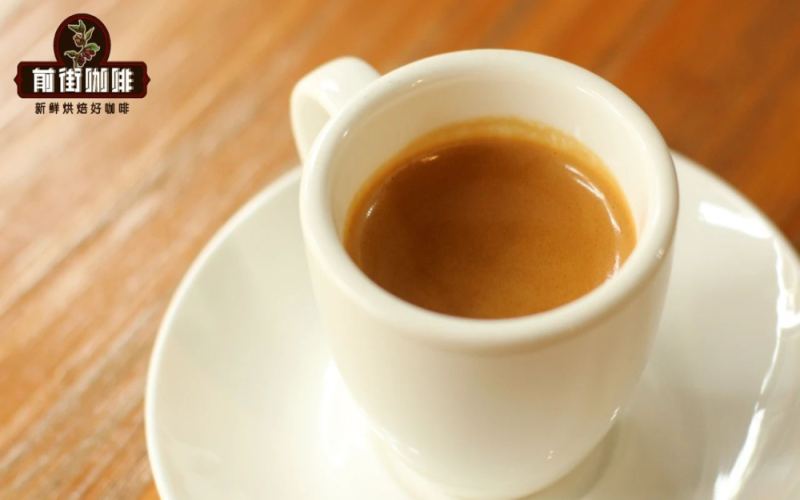
A Full Analysis of the Flavor and Mouthfeel Differences Between Robusta and Arabica Coffee Beans and the Characteristics of Robusta
The two most common varieties in the coffee world—Arabica and Robusta—are often labeled "elegant" and "rugged." Arabica accounts for as much as 70 to 80 percent of production, while Robusta makes up about 20 to 30 percent. The former has a refined flavor and bright acidity, while the latter stands out for its bitterness and full, rich body. Although Robusta is mostly used for instant coffee, it also plays a key role in espresso blends by adding body and enhancing crema. This article will systematically compare the two in terms of appearance, composition, and flavor differences, introduce specialty Robusta and the Catimor hybrid variety, and also share several of Front Street Coffee's espresso blends containing Robusta as well as brewing suggestions for Yunnan Catimor. [more…]
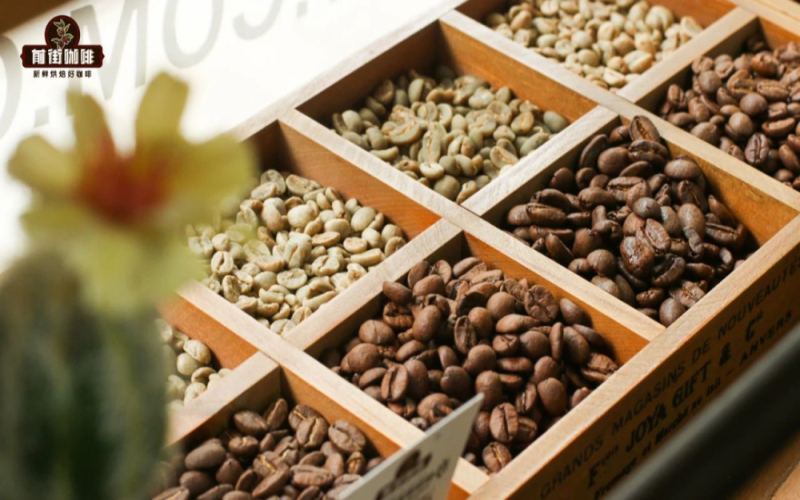
What Exactly Is the Difference Between Robusta and Arabica? A Comprehensive Comparison from Origin and Flavor to Espresso Blends
Robusta and Arabica are the two most frequently compared coffee varieties in the coffee world. The former accounts for about forty percent of global production, is highly adaptable, and has a high caffeine content, yet has long been burdened by the stereotype of being rough and bitter; the latter occupies the mainstream of specialty coffee with its delicate and varied flavors. This article breaks down, one by one, their botanical characteristics, chemical composition, origin and processing, cupping performance, and the logic of espresso blending, explaining the fundamental differences between the two in flavor and mouthfeel, and exploring whether Robusta, if given equal attention in cultivation and post-processing, can shed its low-grade label. At the same time, drawing on Front Street Coffee's commercial blending experience, it analyzes how a 9:1 ratio of Arabica to Robusta achieves the classic espresso flavor. [more…]
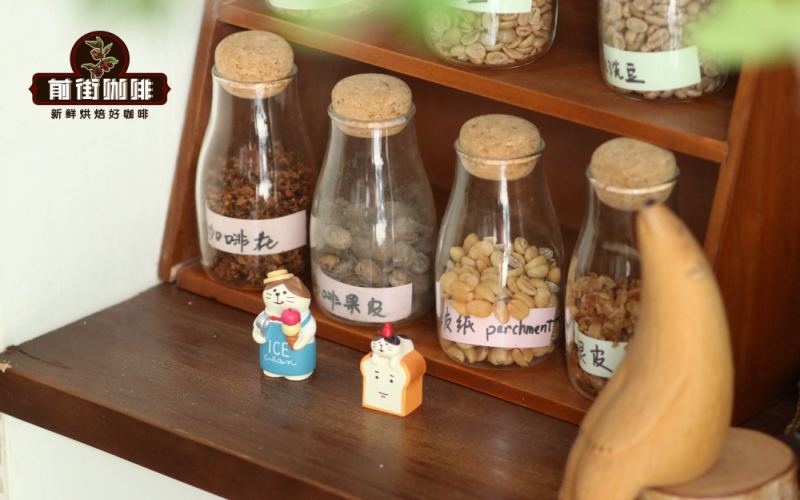
A Comprehensive Analysis of Robusta Coffee Beans: From Origin to the Truth About Blending with Arabica
Among the three major coffee varieties, Robusta has long been neglected as an instant coffee ingredient, but in recent years it has quietly returned to the spotlight of the specialty coffee world. This article begins with Robusta's African origins, clarifies its botanical relationship with Canephora and Arabica, reviews its glorious role during the heyday of espresso, and confronts its inherent flavor shortcomings. At the same time, the article will also discuss attempts at specialty-grade Robusta such as India's "Coffee Royal," and how Front Street Coffee uses Robusta in classic blends and shop-opening recipes to enhance crema and body. If you're curious whether blending Robusta with Arabica actually tastes good, this article will provide a complete answer. [more…]
Arabica vs. Robusta: A Comprehensive Comparison of Flavor Differences, Pros and Cons, and Key Roles in Espresso Blends
When we pick up a cup of coffee, have we ever wondered where the flavors in the cup actually come from? Among global coffee production, the two major species, Arabica and Robusta, account for the vast majority of the share, and they differ significantly in appearance, flavor, growing conditions, and uses. Arabica is known for its delicate aroma and rich layers, while Robusta holds a place in blending and instant coffee with its full-bodied taste and high caffeine content. This article will provide an in-depth analysis of the essential differences between the two, explore the pros and cons of Robusta and the truth behind the so-called "harm," and reveal its key role in the northern and southern Italian blending schools. At the same time, two classic blend products from Front Street Coffee will also serve as cases to show how Robusta and Arabica complement each other to create a rich, full-bodied Espresso. [more…]
What Are Robusta Coffee Beans? An Analysis of Robusta's Flavor Characteristics, Cultivation Advantages, and Applications in Espresso Blends
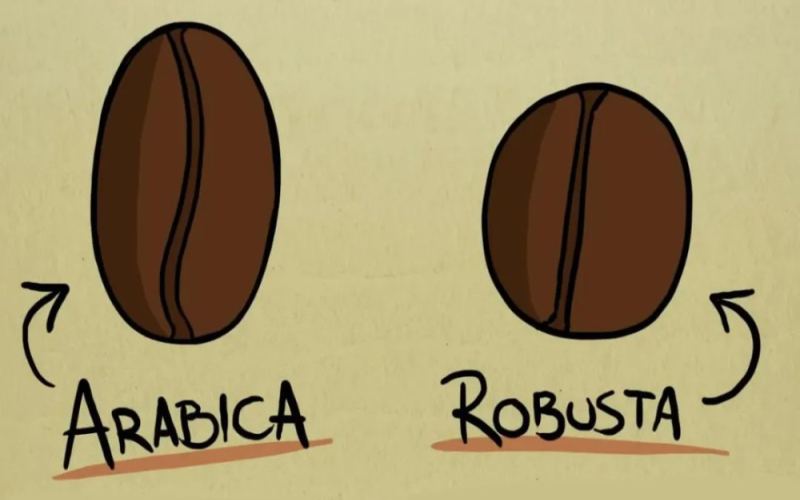
Robusta is a mainstream commercial coffee bean species alongside Arabica on the market, but it is often labeled as "bad-tasting" and "bitter." Is it truly destined to have no place among good coffees? This article systematically reviews Robusta's characteristics, advantages, and disadvantages from the perspectives of flavor formation, cultivation advantages, and specialty potential, and explains why it is indispensable in Italian espresso and commercial blends. At the same time, drawing on the formulation approach of Front Street Coffee's commercial blend coffee beans, it introduces how to use 10% washed Robusta combined with Colombian and Brazilian beans to obtain rich crema, nutty aroma, and a creamy mouthfeel, helping coffee lovers rediscover this underestimated bean. [more…]
Robusta Coffee Grounds Drinking Guide: Understanding Robusta Bean Characteristics and Vietnamese Drip Brewing Practice
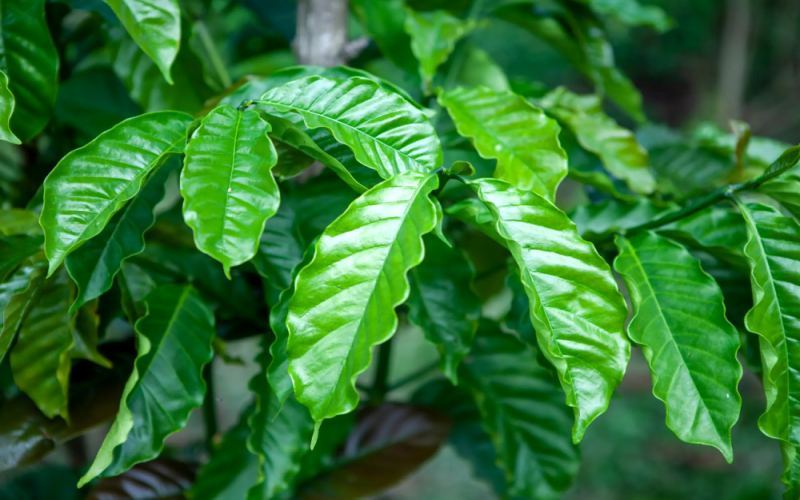
Robusta coffee beans are known for their intense bitterness and high caffeine content, and many people are at a loss when they get a bag of Robusta grounds. In fact, as long as you master the right blending approach or brewing method, Robusta can also present a pleasant side. This article will start with the botanical characteristics and flavor profile of the species, compare it with Arabica, introduce the pairing logic behind Front Street Coffee's Classic Blend and Commercial Blend, and finally demonstrate the Vietnamese phin filter process step by step, teaching you how to make a cup of Vietnamese coffee at home that is rich with roasted aroma and blends perfectly with condensed milk. [more…]
A Comprehensive Guide to Robusta Coffee: Varietal Characteristics, Blending Value, and Siphon Brewing Practical Guide
Robusta coffee is often misunderstood as a low-quality commercial bean, but it has irreplaceable value in areas such as espresso blending and new variety cultivation. From the perspective of Front Street Coffee, this article systematically introduces the relationship between Robusta and the Canephora species, the flavor characteristics brought by its high caffeine and chlorogenic acid content, its role in enhancing body in coffee blends, and how to brew a rich, aromatic cup of Robusta coffee with a siphon. Whether you want to understand the basics of Robusta or want to try extracting Front Street commercial espresso blend beans at home with a siphon, this article can provide practical reference. [more…]
The Current State of the Robusta Coffee Bean Industry and Its Derived Varieties: From Misunderstood to Regaining Favor in Espresso Blends
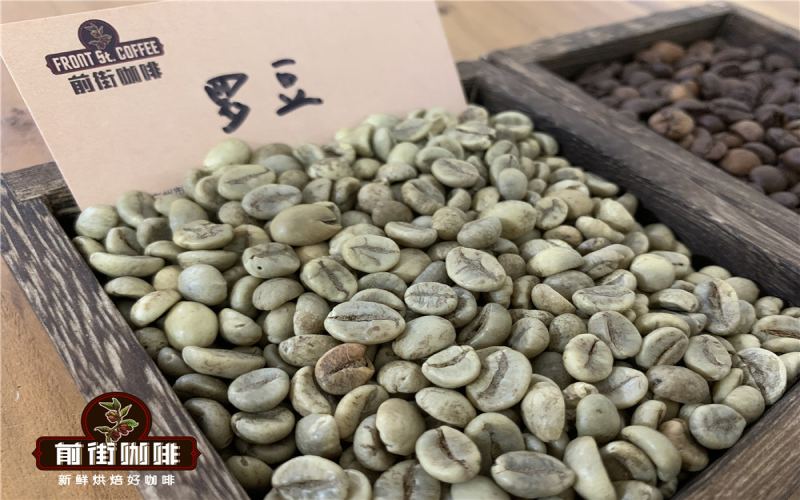
People who drink coffee regularly are no strangers to the name Robusta. It is often labeled as "poor quality" and "unpleasant to drink," and its popularity falls far short of Arabica. But is this really the case? This article will help everyone get to know this unfairly stigmatized variety anew: from its botanical classification and origins, to its disease-resistant and high-yielding characteristics, to the bitter flavor brought by chlorogenic acid, and its irreplaceable role in espresso blends. Front Street will also share how, through Robusta blending, espresso can present rich crema and a creamy mouthfeel, offering beginners who want to try Robusta a starting point. [more…]

What Are the Differences Between Robusta and Arabica? A Full Analysis of the Coffee-to-Water Ratio, Grind Size, and Water Temperature for Pour-Over Pure Robusta
Robusta and Arabica are the two major species that dominate global coffee consumption, yet they differ significantly in flavor expression, chemical composition, and market positioning. Starting from the characteristics of each species, this article examines the different roles Robusta and Arabica play in the specialty coffee world, and focuses on sharing a complete practice session of a 100% Robusta pour-over: using Vietnamese dark-roasted Robusta, with 15g of grounds, a 1:15 coffee-to-water ratio, grinding at a 70%–75% pass-through rate on a No. 20 sieve, a water temperature of 86°C–89°C, and a total brew time of about 2 minutes. The resulting cup presents hazelnut, caramel, chocolate, nut, and barley tea flavors, with a rich and full-bodied mouthfeel, and an earthy aftertaste once cooled. The article also explains that Robusta is high-yielding, easy to cultivate, and cost-effective, making it an important base bean for commercial coffee and espresso blends. Both Front Street Coffee's Commercial Blend and Classic Blend contain 10% Robusta to enhance body and crema. [more…]
An Analysis of Robusta Coffee Bean Characteristics: Can It Help with Weight Loss, Grading System, and Robusta Prices All You Need to Know
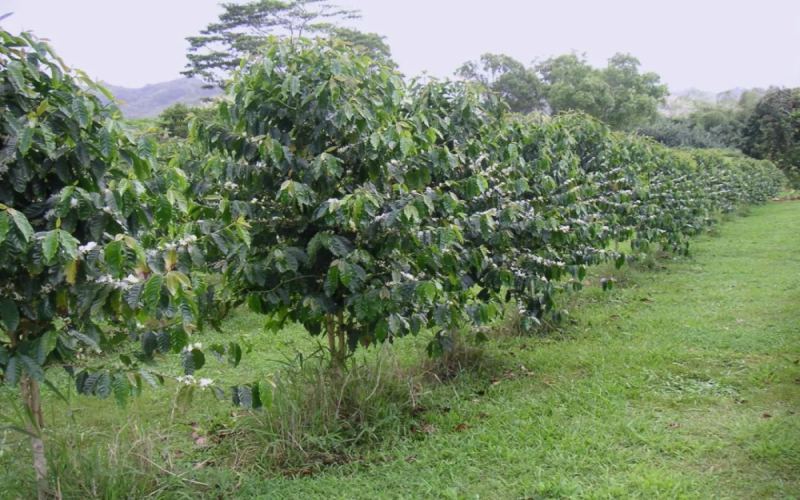
Robusta and Arabica are known as the two major coffee varieties. Robusta is highly adaptable, high-yielding, and affordable, yet it is often undervalued because of its bitter flavor. Drinking coffee containing Robusta in moderation can help with weight loss, but it needs to be paired with a balanced diet and exercise—coffee alone cannot achieve this. This article explores Robusta's botanical characteristics, flavor pros and cons, caffeine content, grading system, and market price, and explains its different roles in espresso blends and instant coffee. High-quality Robusta can also enter the specialty coffee realm, and Front Street Coffee's commercial blend is a typical example. [more…]
Robusta coffee bean flavor characteristics and blending uses, with a Vietnamese drip coffee brewing tutorial
Robusta coffee is often labeled as bitter and earthy, but its true character goes far beyond that. As a mainstream coffee species alongside Arabica, Robusta grows quickly and resists disease, and under specialty cultivation conditions it can also present nutty and grainy aromas. This article begins with its botanical characteristics and the pros and cons of its flavor, then sorts through the logic of blending it with Arabica for espresso, and introduces the recipe concepts behind Front Street Coffee's Classic Blend and Commercial Blend. Finally, it walks you through making a cup of condensed milk coffee with a Vietnamese drip filter, so that Robusta coffee grounds can also be smooth and delicious. [more…]
Robusta Reexamined by the Specialty Coffee World: The Flavor Truth from Instant Coffee Ingredient to Blending Darling
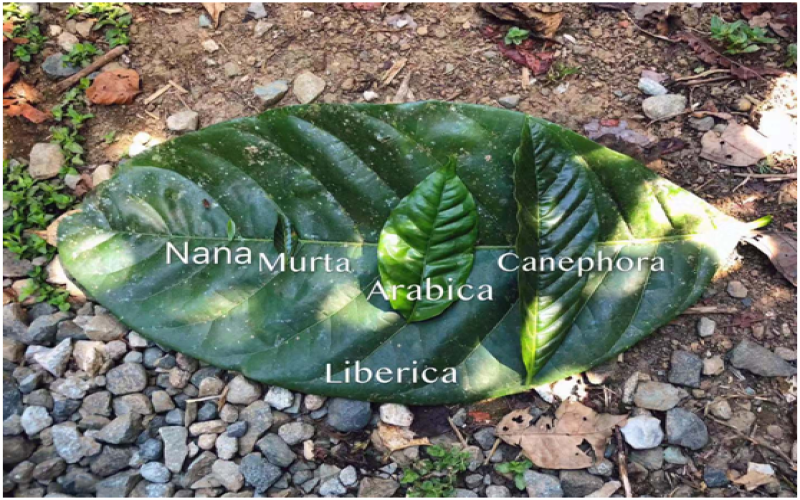
There are three major varieties in the coffee world: Arabica, Robusta, and Liberica, but only the first two truly have commercial value. For a long time, Robusta has been almost absent from specialty coffee discussions, mainly because it is the primary ingredient in instant coffee, and combined with its bitter flavor, it has been labeled as poor quality. But in the past two years, things have changed. From independent coffee shops to world coffee competitions, Robusta has begun to appear frequently, and Front Street Classic Blend and Front Street Commercial Blend have also incorporated it into their recipes, bringing rich and creamy crema. Is Robusta really that bad? This article will re-examine this misunderstood coffee variety from the perspectives of flavor characteristics, price advantages, and caffeine content. [more…]
A Comprehensive Comparison of Arabica and Robusta: Flavor Differences, Caffeine Content, and the Proper Way to Drink Robusta Beans
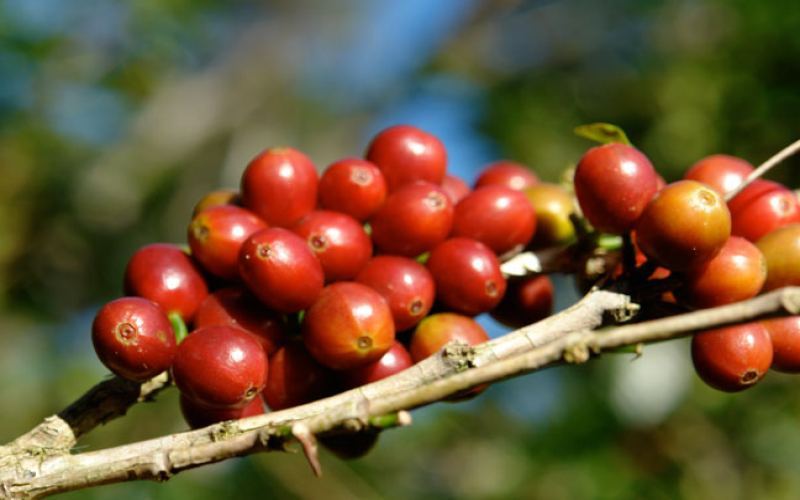
The two most common varieties in the coffee world—Arabica and Robusta—one occupies seventy percent of production with a specialty profile, the other supports the backbone of commercial coffee with its formidable adaptability. What exactly is the essential difference between them? Is Robusta really harmful to your health? And how should you drink it to be appropriate? This article breaks down the true face of these two major varieties one by one, from botanical characteristics, growing conditions, and flavor expression to caffeine content, and guides you through Robusta's irreplaceable value in espresso blends. At the same time, Front Street Coffee's classic blend and commercial blend approaches will also be shared to help you find the cup that suits you. [more…]

Robusta Blend Panama Geisha: The Story Behind Japanese Competitor Takayuki Ishitani's Fourth-Place Finish at the 2022 WBC
At the 2022 World Barista Championship (WBC), Japanese competitor Takayuki Ishitani secured fourth place with a blend of Robusta and Panama Geisha, upending many people's perceptions of competition beans. For the three segments—espresso, milk coffee, and signature drink—he adjusted the ratio of Robusta to Geisha separately, using high-altitude Robusta to enhance body and sweetness while preserving Geisha's delicate flavors. This quiet and sincere competition not only showcased the ingenuity of blending but also sparked discussions about the value of Robusta, the essence of competition, and the overall competence of baristas. This article presents his complete competition plan and philosophy, while retaining relevant recommendations from Front Street Coffee. [more…]

The Flavor Defects and Unique Value of Robusta Coffee Beans: From Variety Characteristics to Espresso Blend Applications
Robusta is often labeled as "unpalatable," yet it accounts for nearly 30% of global coffee production. What is the story and value behind it? This article traces the discovery of Robusta, analyzes its flavor characteristics and caffeine content advantages, and explores its practical applications in instant coffee and espresso blends. At the same time, Front Street Coffee's commercial blend and classic blend solutions will demonstrate how Robusta adds a rich mouthfeel and abundant crema to espresso, helping coffee enthusiasts and industry professionals rediscover this variety. [more…]
Vietnam Robusta Coffee Bean Flavor Analysis: A Comprehensive Guide from Variety Characteristics to Front Street Espresso Blend
The world of coffee is complex and diverse, and the differences between varieties go far beyond appearance. As the two major mainstream species, Robusta and Arabica each have their own characteristics in origin, growing conditions, caffeine content, and flavor expression. This article will systematically sort out the core characteristics of Robusta coffee beans, answer why it is not as commonly seen as Arabica in specialty coffee shops, and explore in depth the reasons for its strong disease resistance and high body. At the same time, we will also compare Arabica's flavor advantages and introduce how Front Street Coffee cleverly uses Robusta blended with Colombian and Brazilian beans to create an espresso bean suitable for making Americanos and lattes. Whether you are a beginner enthusiast or a seasoned connoisseur, this article will help you understand Robusta's value and positioning more comprehensively. [more…]
An Analysis of the Flavor Characteristics of Specialty Robusta Coffee Beans: Is Coffee Quality Necessarily Poor When Robusta Is Blended In?
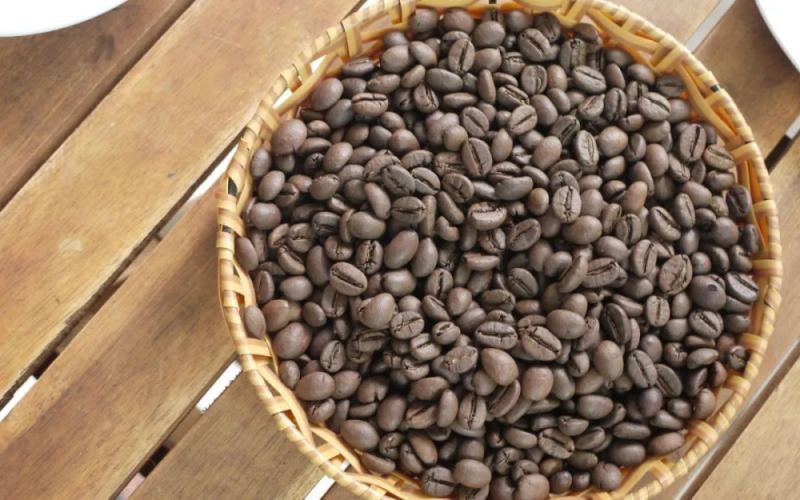
Robusta coffee beans are often considered inferior to Arabica in flavor, but they possess excellent body and a solid mouthfeel, making them an indispensable player in coffee blends. This article explores Robusta's position in specialty coffee from the perspectives of flavor characteristics, consumer market trends, and blending expertise, and examines whether blended coffee containing Robusta is necessarily of poor quality. At the same time, as more and more consumers pursue acidity, rich and balanced coffee remains the mainstream preference, and blended beans are emerging as the future direction of specialty coffee. The article also cites netizen opinions to reflect on whether the definition of specialty coffee should transcend the limitations of variety and extraction methods. [more…]
A Comprehensive Comparison of Arabica and Robusta Coffee Beans: Flavor, Origin, Caffeine, and Espresso Blend Applications
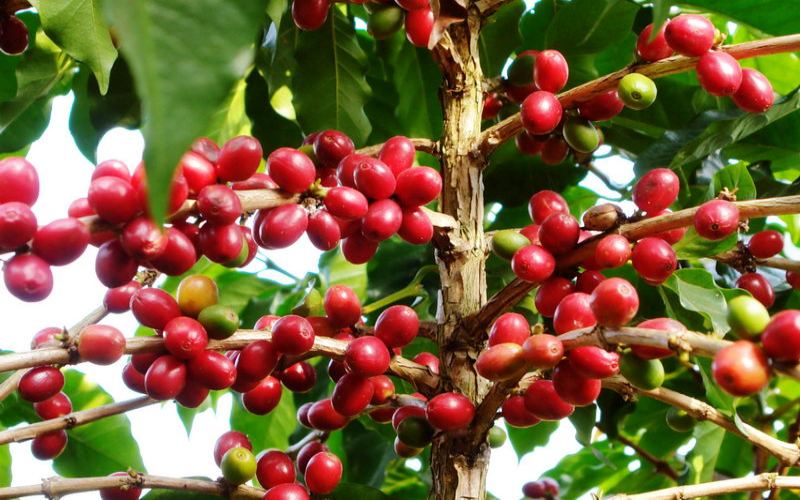
The two most common varieties in the coffee world—Arabica and Robusta—each play vastly different roles. Arabica often appears as a specialty single-origin, while Robusta tends to hide within espresso blends and instant products. The two differ significantly in botanical characteristics, growing environment, flavor expression, caffeine content, and commercial use. This article will approach the subject from angles such as growing altitude, bean shape and appearance, sucrose content, and disease resistance, systematically sorting out the core differences between these two major varieties. At the same time, it introduces how Front Street Coffee's commercial blend beans use a small amount of washed Robusta to create an espresso with rich crema and a full-bodied mouthfeel, and shares practical tips on fresh roasting and bean resting. [more…]