







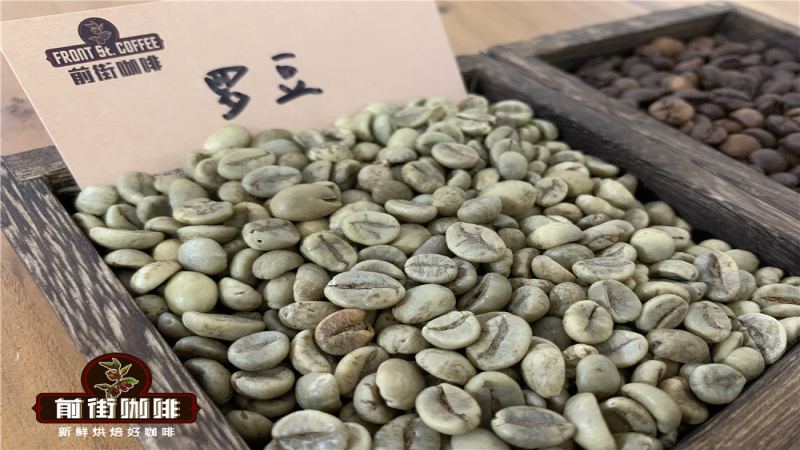
Robusta coffee beans are known for high yield, high body, high caffeine, and low cost, occupying an important position in global instant and blended coffee. As the world's second-largest coffee producer, Vietnam devotes 80% of its output to Robusta and is currently the largest supplier of Robusta. This article will analyze variety classification, plant characteristics, growing altitude, and flavor formation, and explore the value of Robusta in espresso blends in the specialty coffee era. At the same time, the article will also combine two products, Front Street Classic Blend and Front Street Commercial Blend, to explain how a small amount of Robusta improves crema and full-bodied mouthfeel in practice.
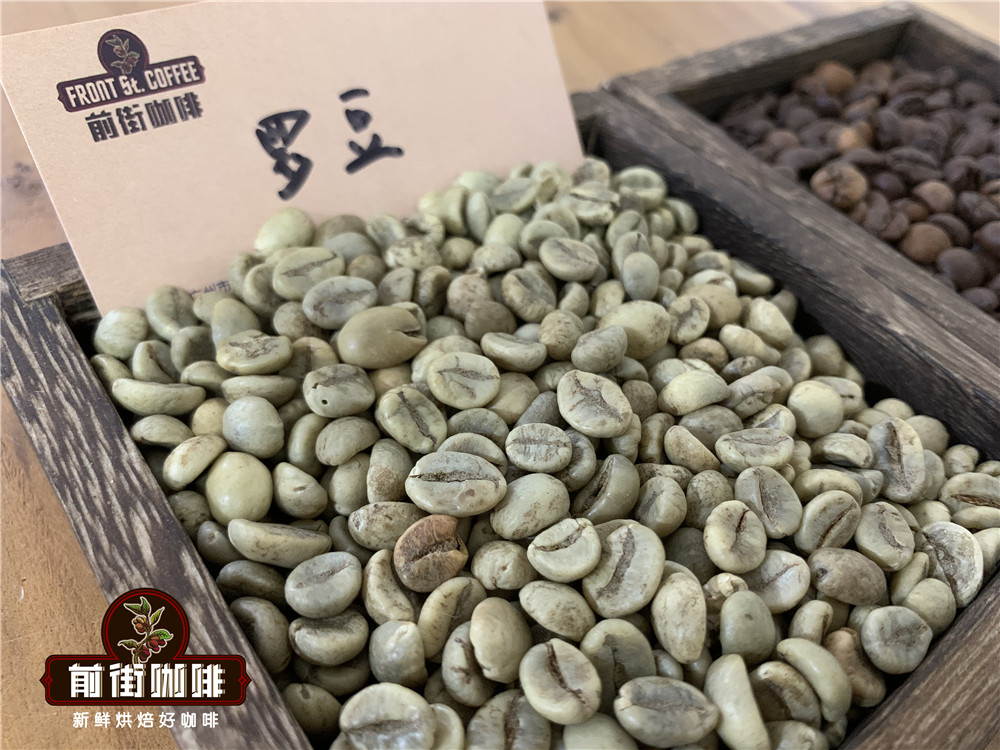
The most prominent advantages of the Robusta coffee variety lie in its high yield per unit, full-bodied taste, and pronounced bitterness, with caffeine content ranging from 1.7% to 3.0%, while also being relatively affordable. For this reason, during the first and second waves of coffee, a large number of instant products and blended coffees relied on Robusta as the main raw material. Vietnam is the world's second-largest coffee-producing country, about 80% of which is Robusta, and it has now become the world's largest Robusta producer.
From the perspective of plant taxonomy, Robusta belongs to the Canephora species, also known as the Congo species or meso-coffee. Just as Geisha belongs to the Arabica species, within the Canephora species only the Robusta variety is widely commercially cultivated, so Robusta has almost become synonymous with the Canephora species group. Timor and Catimor, produced by natural hybridization between Robusta and Arabica, are now also widely planted in various places and are usually classified under the broad Arabica category.
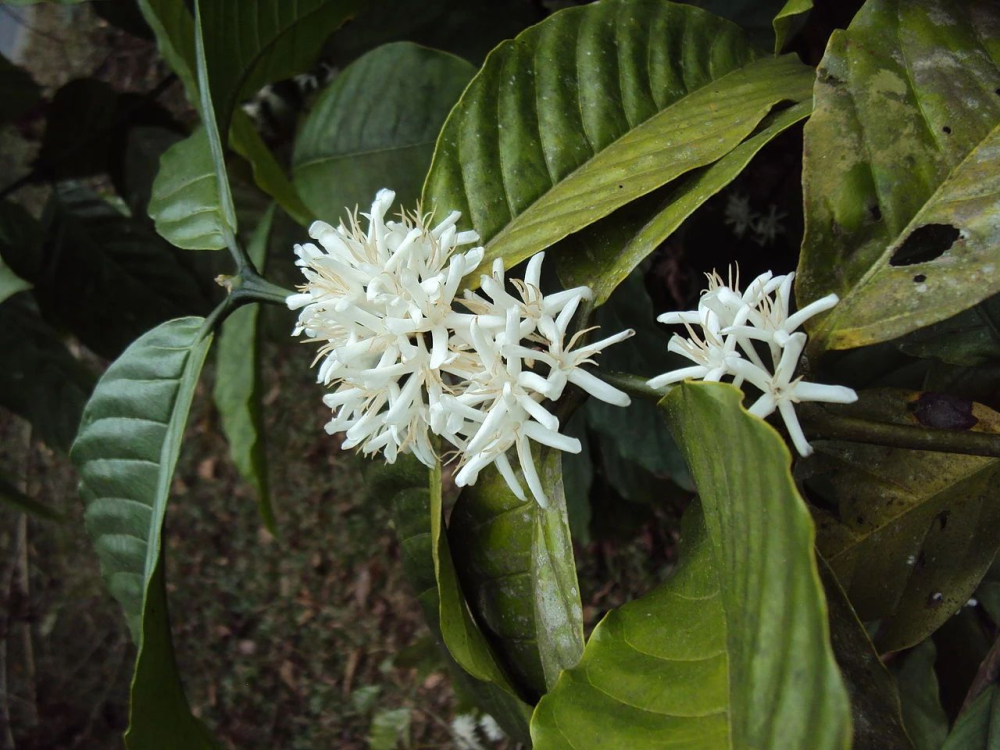
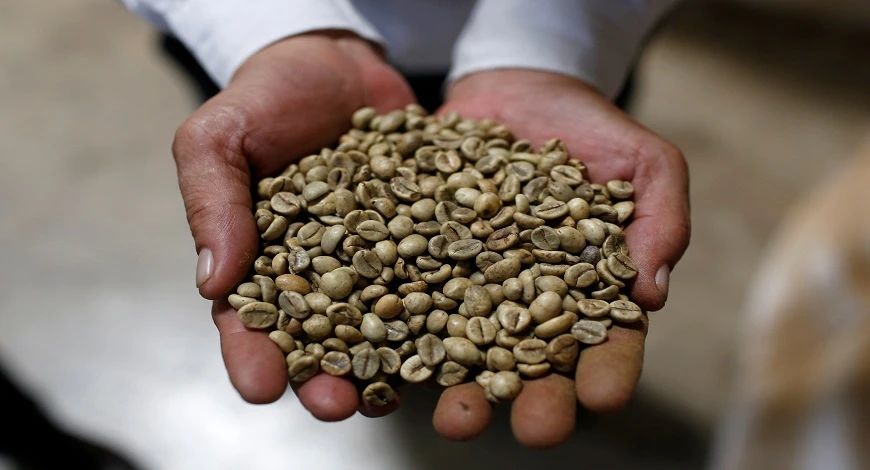
At the cultivation level, Robusta coffee trees have strong tolerance to high temperatures, cold, drought, and humidity, and their survival rate is very high. Their caffeine content is 1.7% to 3.0%, about twice that of Arabica. As a natural defense substance in plants, caffeine enables Robusta to resist attacks by most insects. A single Robusta tree bears a relatively large amount of fruit, and the fruit is slightly rounder and smaller than Arabica, with flat-round beans and a straight center cut.
Because Robusta has high yield, tolerates cold and drought, has strong disease resistance, and matures quickly, it usually only needs to be planted in lowland plains below 800 meters in altitude and can be managed and harvested uniformly with machinery. Therefore, the cultivation input cost of Robusta is relatively low, making it more suitable for commercial mass production, and its selling price is correspondingly cheaper. For example, the vast majority of coffee planted in China's Hainan Island is Robusta. In daily life, Arabica coffee often uses "100% Arabica" as a selling point, yet the phrase "100% Robusta" is almost never seen, and this brings us to the flavor characteristics of Robusta beans.
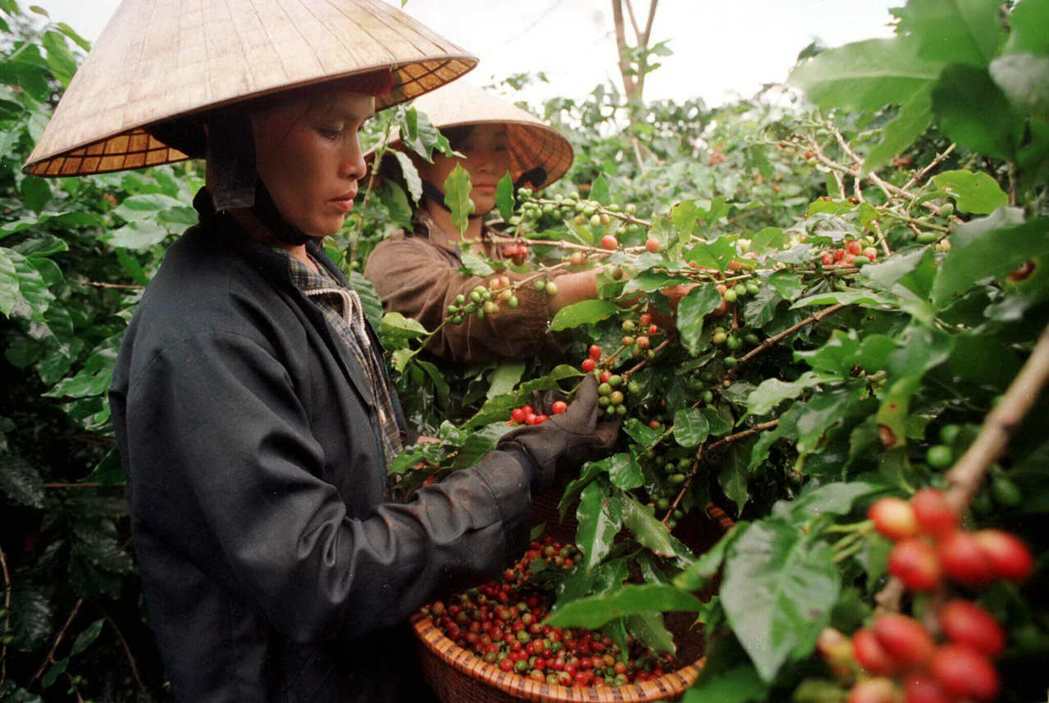
Analysis shows that green Robusta beans have a very high chlorogenic acid content and relatively low sucrose content. Chlorogenic acid is the main source of coffee's bitter and astringent taste, while sucrose is the basis for perceiving coffee's various aromatic substances. Therefore, Robusta beans usually have lower acidity, a full-bodied and deep bitterness, and a flavor spectrum of walnut, peanut, hazelnut, barley tea, and grain; if improperly processed, they can also develop a strong pungent earthy smell or negative notes resembling rubber. This is also summed up by everyone as the "Robusta taste." The Catimor variety widely planted in Yunnan, China, contains about 25% Robusta genes, so its flavor is often criticized.
After deep roasting, Robusta beans accumulate a large amount of gas and can release abundant crema when extracting espresso, while the solid flavor profile also brings a fuller mouthfeel to the coffee. As is well known, the taste of traditional Italian coffee tends toward strong bitterness and fullness, with acidity not standing out, which matches the flavor characteristics of deeply roasted Robusta beans and is also the reason Robusta can still hold a place in today's specialty coffee era.
If you want to experience the taste of Robusta beans, Front Street does not recommend directly buying 100% Robusta for brewing, especially pour-over. This is because Robusta has a heavy, intense flavor and pronounced bitterness, and high-quality Robusta is not cheap either, with a cost-performance ratio far inferior to Arabica. Therefore, baristas recommend buying espresso blends containing a small amount of Robusta, so that you can experience Robusta's rich crema and full-bodied mouthfeel; the first choices are Front Street Classic Blend and Front Street Commercial Blend.
First, both Front Street Classic Blend and Front Street Commercial Blend use Arabica beans from two origins, then add a small amount of Robusta for the combination, so the main flavor tone is still based on Arabica. Among them, Front Street Classic Blend combines Indonesian Mandheling and Brazilian beans, possessing both the wild aroma of Mandheling and the smooth taste of Brazilian beans, forming complementarity and harmony in flavor, while Robusta fully enhances the coffee's crema and makes the body stronger.
Front Street Commercial Blend is based on Brazilian and Colombian coffee from Latin America, with an additional small amount of Robusta added. The espresso produced has a rich golden crema and nutty aroma. When tasting, you can feel the roasted coffee bitterness, but what accompanies it is more of a creamy, full mouthfeel; after swallowing, the bitterness dissipates, leaving fragrance on the lips and teeth.
Although Arabica coffee beans still occupy the mainstream at present, in recent years climate and environmental problems in various coffee-producing regions have become increasingly prominent, coffee-growing conditions have continued to deteriorate, and future coffee cultivation will face severe challenges. Robusta itself has strong survival ability, so in the future there are likely to be more hybrid coffee varieties with Robusta lineage.
The above content is compiled by CoffeeHunters, a coffee news website.


