








What Is Arabica Coffee Beans and How Does Robusta Differ?
Arabica is one of the two main coffee species, alongside Robusta, that supply nearly all daily coffee drinking worldwide. Arabica carries more flavor layers and lower caffeine and chlorogenic acid, so it dominates the flavor-focused specialty coffee market. Robusta tastes stronger and more intense, yields more per plant, and costs less, which is why it serves as a base in many espresso blends.
A full Robusta pour-over is still possible: 15g of deep-roasted Vietnamese Robusta at a 1:15 ratio, ground to 70-75% pass-through on a No. 20 sieve, brewed with 86-89C water in about two minutes. The cup shows hazelnut, caramel, chocolate, nuts and barley tea, with an earthy finish once cooled. In specialty coffee, single-origin Robusta stays rare.
Robusta and Arabica are the two major species that dominate global coffee consumption, but they differ significantly in flavor expression, composition, and positioning. Starting from variety characteristics, this article sorts out the different roles of Robusta and Arabica in the specialty coffee field, and focuses on sharing a complete practice of a 100% Robusta pour-over: using deep-roasted Robusta from Vietnam, with 15g of grounds, a 1:15 coffee-to-water ratio, grinding to a 70%~75% pass-through rate on a No. 20 sieve, water temperature of 86°C~89°C, and a total brewing time of about 2 minutes. After brewing, it presents flavors of hazelnut, caramel, chocolate, nuts, and barley tea, with a rich and solid mouthfeel, and after cooling, the finish carries an earthy note. The article also explains that Robusta is high-yielding, easy to grow, and cost-effective, making it an important base bean for commercial coffee and espresso blends. Both Front Street Commercial Blend and Classic Blend contain 10% Robusta to enhance body and crema.
Front Street has actually always kept Robusta on hand, it just doesn't usually bring it out on its own initiative. The reason? As the old joke goes—every time Front Street brings out Robusta, Front Street loses a customer!
Of course, that's just a joke. The fundamental reason Front Street doesn't list Robusta separately is that its main stage is not in single-origin pour-over. To put it simply, what is called Robusta is Robusta, and together with Arabica, it supports almost all of people's daily coffee consumption. But compared with Arabica, Robusta's flavor layers are less rich, while its content of caffeine, chlorogenic acid, and other components is higher, so it tastes stronger and more intense. Therefore, in specialty coffee circles, what everyone usually encounters is mostly the better-flavored Arabica.

Of course, specialty-grade Robusta is not nonexistent, but in the flavor-oriented specialty coffee market, its share is so small it is almost negligible. So if you want to drink 100% Robusta in a café, it is basically very difficult. It exists, but it is extremely rare, and more often it appears in espresso blends. For example, among the beans on Front Street's list, Front Street Espresso Classic Blend and Commercial Blend both include Robusta.
Robusta cannot really be considered a rare or precious bean variety. Although its price has been rising all the way in the past two years due to reduced production, it is still only around two-thirds of regular Arabica. Precisely because it is rarely seen in cafés, for people used to drinking Arabica, it instead becomes something novel, and they always want to taste what it is like. So today Front Street is digging out its treasured Robusta and talking with everyone about what a pour-over Robusta can actually brew up.
Pour-over 100% Robusta coffee
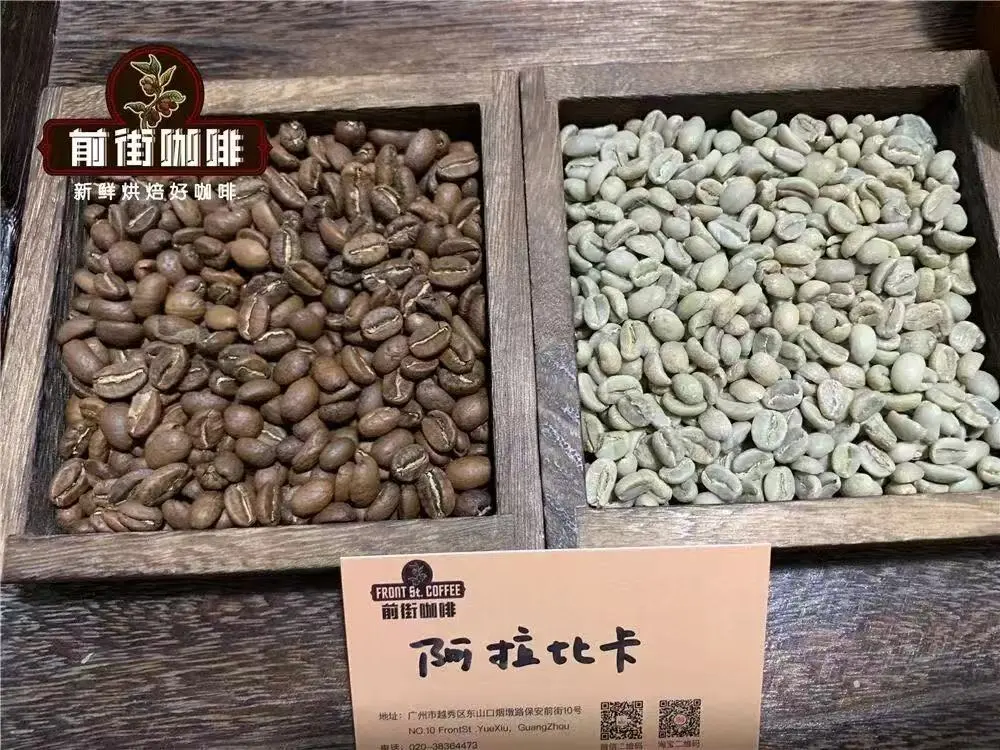
The Robusta Front Street used this time comes from Vietnam, the world's largest Robusta-producing region. Its shape is round and plump, on the smaller side, and its center line is different from Arabica's—basically a straight line. The roast level is dark, so next Front Street will handle it according to a dark-roast brewing approach.
Dose: 15g Coffee-to-water ratio: 1:15 Grind: 70%~75% pass-through rate on a No. 20 sieve Water temperature: 86°C~89°C Brewing time: 2 minutes The brewing method is similar to usual. First bloom with water at twice the dose for 30 seconds. After the bloom, pour the second stage in a larger stream in wide circles, totaling 120ml. When the water level drops enough to see the coffee grounds at the bottom, begin pouring the third stage, 75ml in this stage, using a small stream in small circles. When the water in the dripper has basically drained, remove the dripper and the brewing is finished.
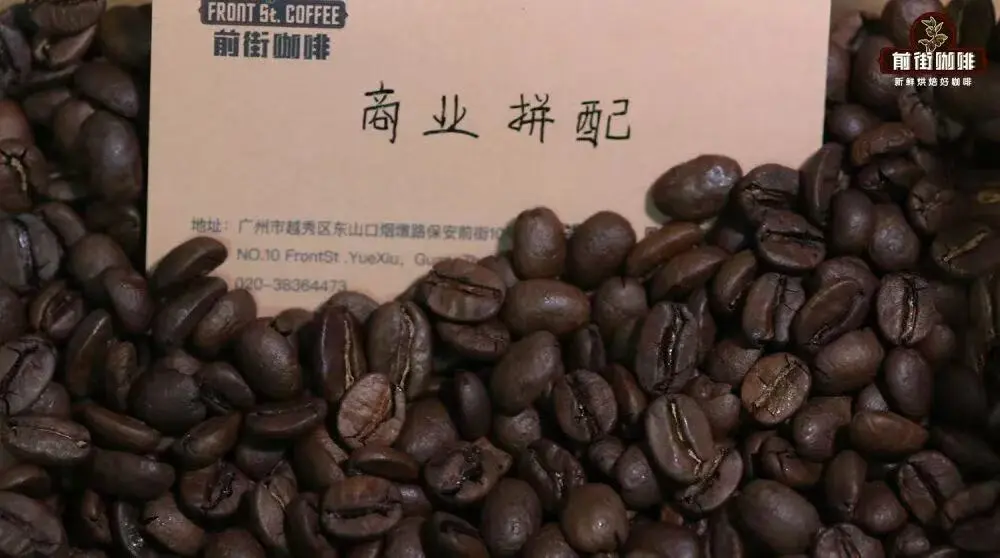
To be honest, Front Street thinks many friends will pause for a moment the first time they drink Robusta—what makes them pause is that its taste is not as bad as imagined. In the wet aroma of Robusta, some hazelnut and caramel notes can be smelled. After sipping, chocolate, nuts, caramel, and barley tea flavors can be clearly tasted. The overall flavor is on the rich side, and the mouthfeel is relatively solid. Once the temperature drops, the finish brings out a slight earthy note.
Although the overall performance cannot be called stunning, it is definitely not hard to drink either. Many people have a misunderstanding about Robusta, thinking it is synonymous with inferior coffee. That is not the case. Robusta's strength has never been in flavor, but in the ultra-high cost-effectiveness brought by high yield and easy cultivation. Robusta has higher output and is not as delicate as Arabica, so its cultivation cost is naturally much lower. Low cost means the selling price will not be too expensive, which also makes Robusta the main raw material of global commercial coffee. Commercial coffees such as instant and canned coffee mainly use Robusta.
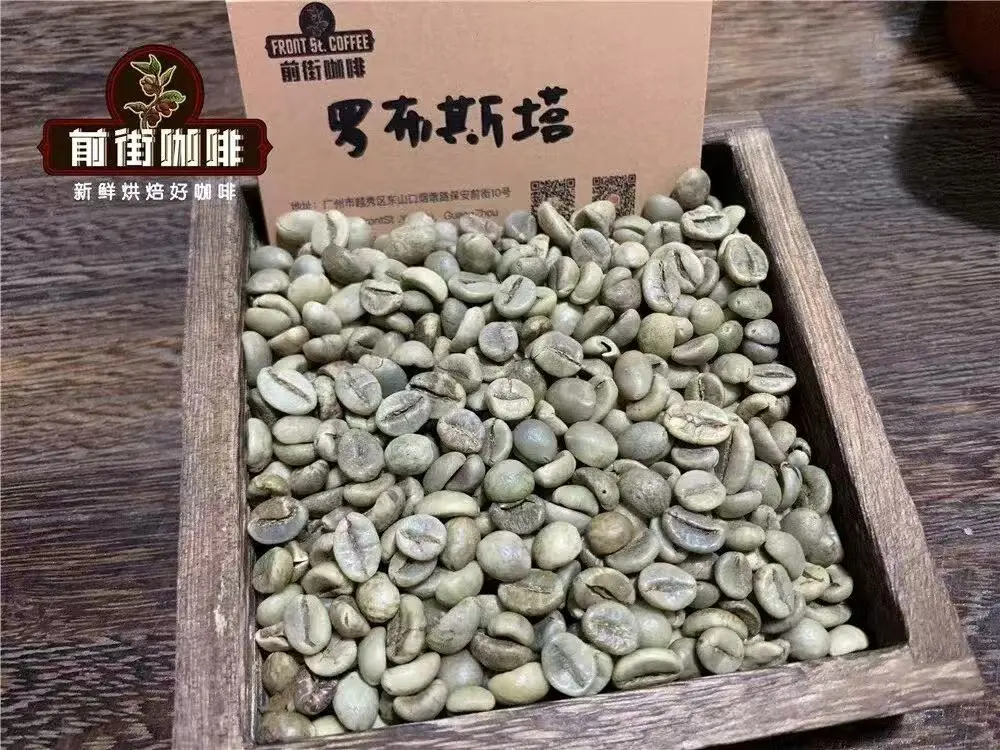
In addition, because of its higher caffeine and chlorogenic acid content, Robusta tastes more intense and has a more solid mouthfeel. For coffee connoisseurs in many places, this is exactly the taste they want. So in many places, espresso blends still use a large amount of Robusta as a base bean, precisely to use Robusta to bring coffee a stronger taste and a thicker body. For example, Front Street Commercial Blend and Front Street Classic Blend mentioned earlier on the bean list are like this. Front Street has added 10% Robusta to both of these beans, in order to let Robusta provide a thicker body while also bringing abundant crema, which is exactly what many customer friends are after.
That is all for Front Street's sharing this time. I believe everyone should have a new understanding of Robusta. Friends who are interested can try it themselves, but if you are not very tolerant of caffeine, you should still pay attention to the amount you taste~
- END -
The above content is compiled by CoffeeHunters, a coffee news website.


