







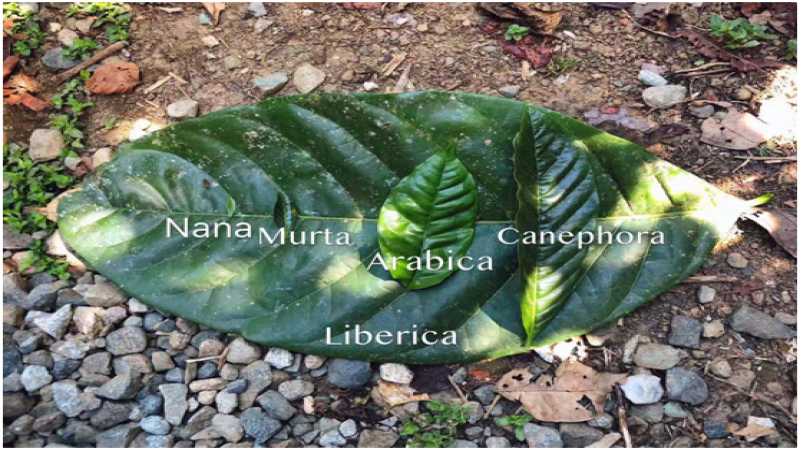
There are three major species in the coffee world: Arabica, Robusta, and Liberica, but only the first two truly have commercial value. For a long time, Robusta has been almost absent from specialty coffee discussions, mainly because it is the primary raw material for instant coffee, and coupled with its bitter flavor, it has been labeled as poor quality. However, in the past two years, the situation has changed. From independent coffee shops to world coffee competitions, Robusta has begun to appear frequently. Front Street Classic Blend and Front Street Commercial Blend have also incorporated it into their recipes, bringing rich and dense crema. Is Robusta really that bad? This article will re-examine this misunderstood coffee species from the perspectives of flavor characteristics, price advantages, and caffeine content.
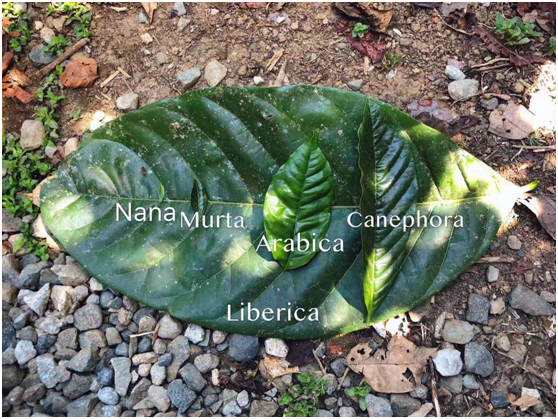
The coffee family includes three major species: Arabica, Robusta, and Liberica, but only Arabica and Robusta truly hold their ground commercially. In the context of specialty coffee, Robusta is almost a forgotten name. Its lack of favor largely stems from the fact that it is mostly used as a raw material for instant coffee, and its flavor tends to be bitter, so the label of "poor quality" has been firmly pinned on Robusta.
However, this once-unfavored coffee species has re-entered the spotlight of the specialty coffee scene in the past two years. Both Front Street Classic Blend Coffee and Front Street Commercial Blend Coffee include Robusta in their formulations, and the resulting brews often have rich and dense crema. Whether in independent specialty coffee shops and brands or in highly influential world coffee competitions, Robusta has quietly made its appearance. Is it really that bad? The answer is clearly no.

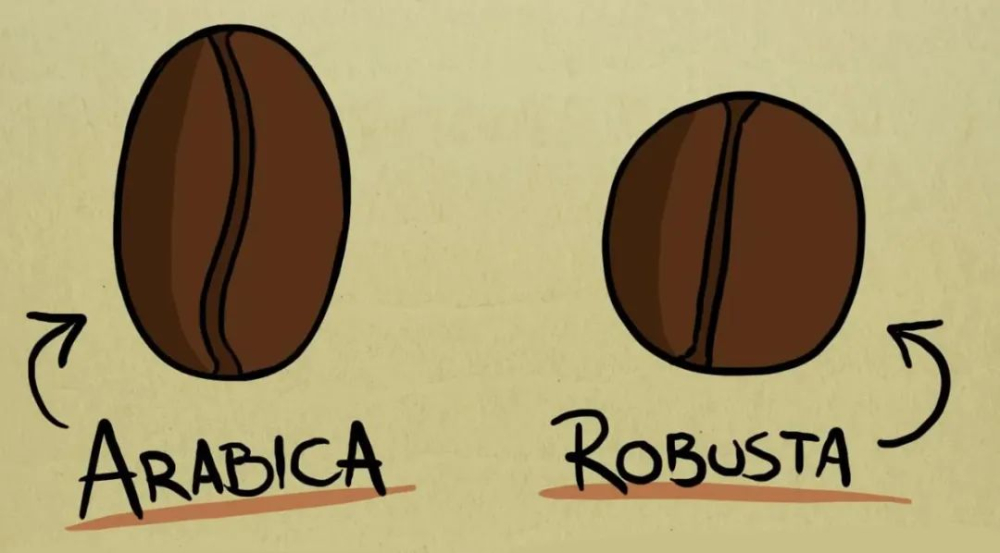
With the rise of the specialty coffee concept, people are paying more and more attention to the regional flavors of coffee. Robusta has an inherent bitterness, along with notes of walnut, peanut, hazelnut, and smokiness—flavors that are generally not considered a plus in coffee. More importantly, its counterpart Arabica, after being organized by origin, has flavor expressions that leave Robusta far behind. This can be said to be an inherent shortcoming—Robusta's flavor presentation is far less appealing than Arabica's, which is also why people tend to choose Arabica.
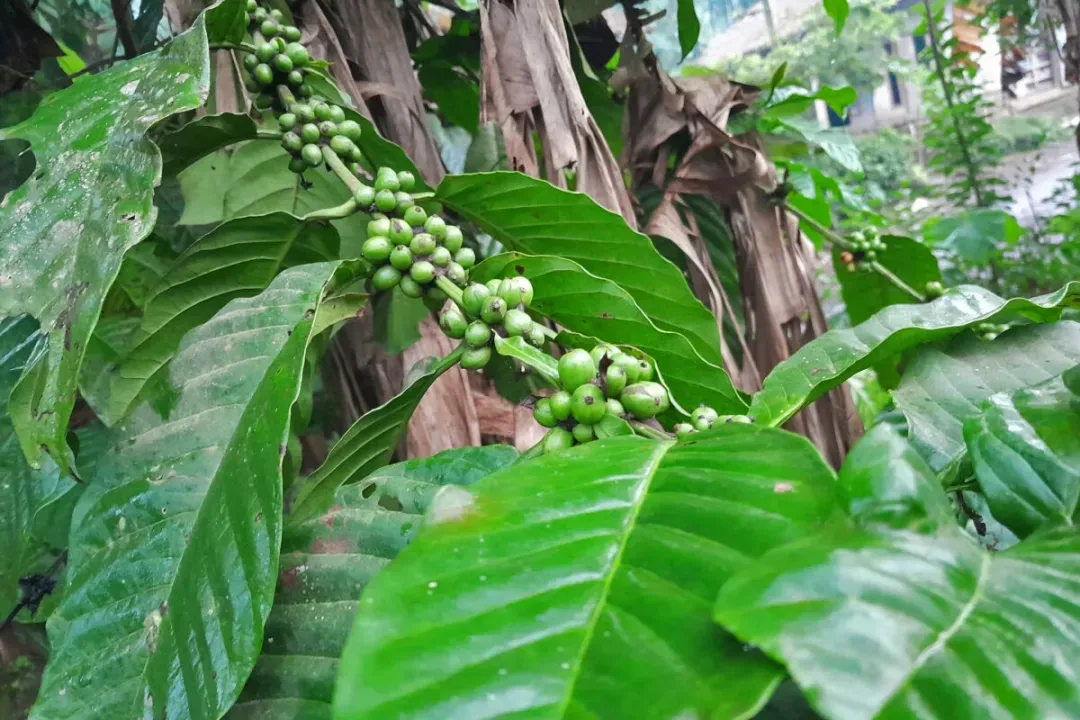
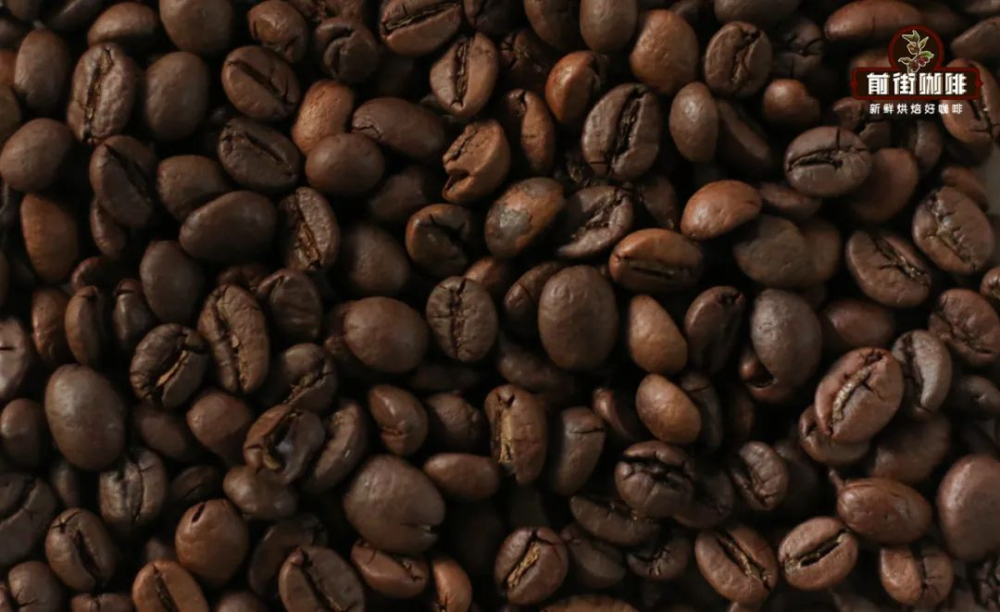
Robusta's strength lies in its low price. Taking Brazilian coffee as an example, ordinary Robusta sells for only half the price of ordinary Arabica. Secondly, its body and caffeine content are superior to Arabica. When these three advantages are combined, Robusta's most suitable destination is as a raw material for instant coffee.

The above content is compiled by CoffeeHunters, a coffee news website.


