







What are robusta beans and how do they change an espresso blend?
Robusta is the mainstream coffee species that grows alongside Arabica, and it earns its place through fast growth and strong resistance to pests and disease. It tolerates lower altitudes and higher temperatures than Arabica. In the cup it is intense and bitter, so it is rarely drunk straight; specialty-grade Robusta grown at around 1,200 meters can show walnut, peanut, hazelnut and wheat grain aromas.
Blending is where Robusta pays off. A small addition to an Arabica espresso noticeably raises body without exposing the earthy, rubbery notes found in low-grade beans. The same grounds work in a Vietnamese drip pot: brew strong coffee, then combine it with condensed milk so the bitterness and sweetness balance out.
Robusta coffee is often labeled as bitter and earthy, but its true nature is far more than that. As a mainstream coffee variety alongside Arabica, Robusta grows quickly and has strong disease resistance, and under specialty cultivation conditions, it can also present nutty and grainy aromas. This article starts with its botanical characteristics and flavor pros and cons, sorts out the logic of blending it with Arabica for espresso, and introduces the recipe ideas behind Front Street Coffee's Classic Blend and Commercial Blend. Finally, it teaches you step by step how to make a condensed milk coffee with a Vietnamese drip pot, so that Robusta coffee grounds can also be smooth and tasty.
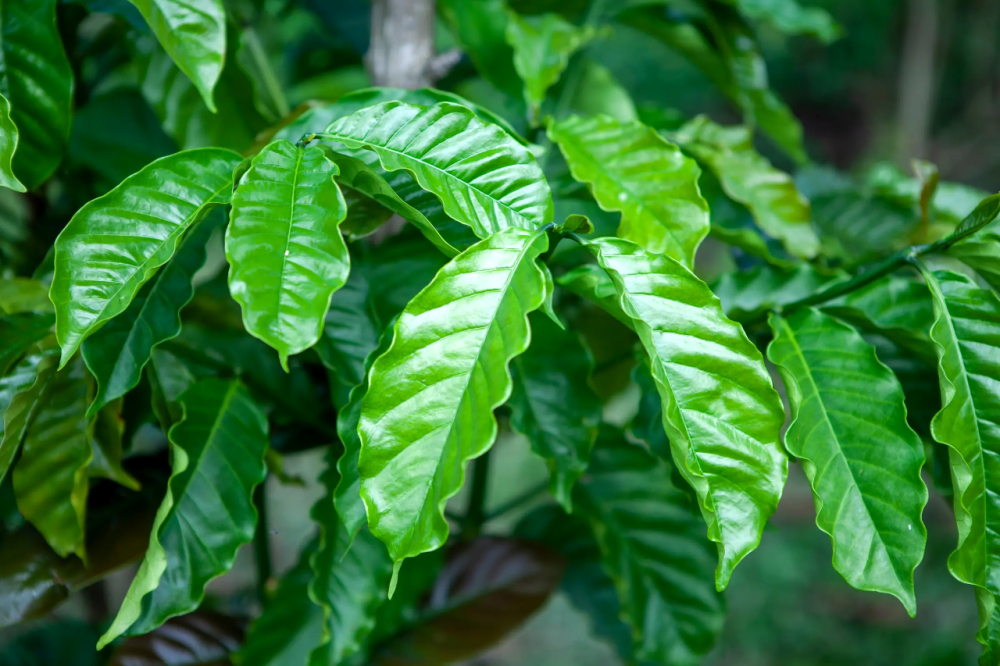
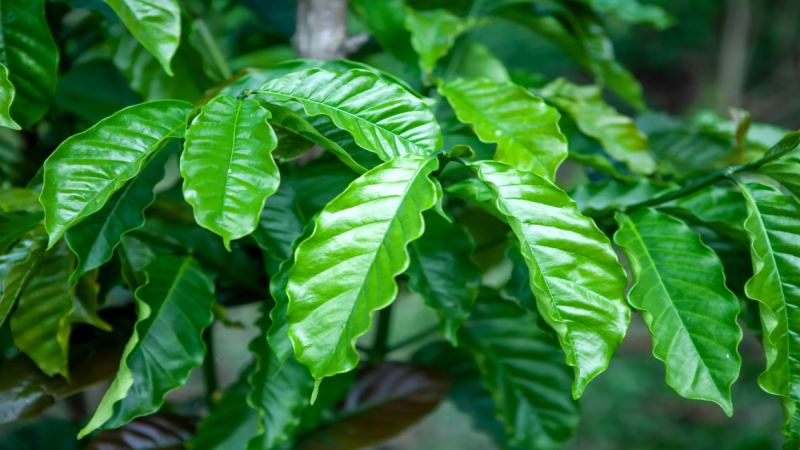
Botanically, Robusta is also called large-leaf species, large-fruit coffee, and large-bean coffee. It is a coffee tree between a shrub and a tall tree, with longer leaves and a bright, emerald green color. Its maximum height can reach about ten meters, though its root system is very shallow.
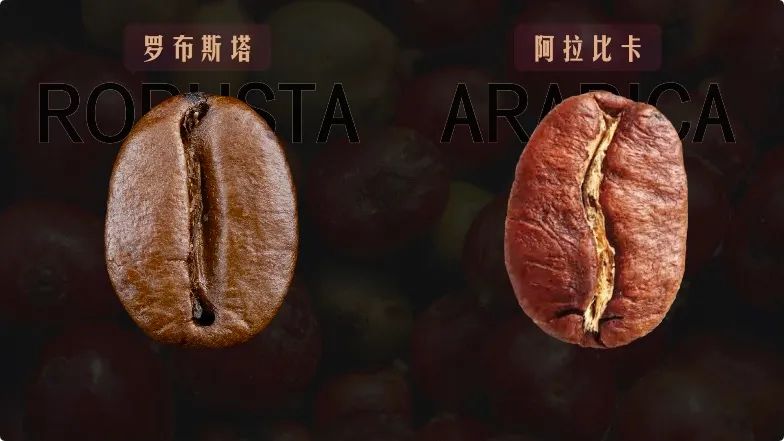
Its fruit is slightly rounder than Arabica and a bit smaller. The bean shape is flat and round, and the central crease is a straight line, looking like the Chinese character "一". Arabica green beans, by contrast, are nearly semi-oval, and the crease curves into an S shape.
Compared with Arabica, Robusta's strengths are rapid growth and strong resistance to pests and diseases. It can grow normally at lower altitudes and higher temperatures, and its overall tolerance is quite excellent. Its weakness is concentrated in flavor: its character is too intense. Those Robusta beans grown in low-altitude areas, of mediocre quality, or used for commercial circulation often carry pungent earthy and rubbery notes, with heavy bitterness, making them hard to drink on their own.
Of course, specialty-grade Robusta also exists. These beans are mostly grown in estates at around 1,200 meters above sea level, and careful attention is paid from cultivation and harvesting to post-processing. In the end, they can display comforting aromas such as walnut, peanut, hazelnut, and wheat grain.
Even if the quality is good, Robusta's taste is still too fierce. When drunk straight, it is so bitter that it instantly wakes you up. But as long as a small amount of Robusta is blended into Arabica, the coffee's body can be noticeably raised, while those negative flavors will not be overly exposed.
How should Robusta be blended with Arabica?
Robusta has high caffeine content and rich oils. In the era when espresso swept the world, it was often written into espresso recipes—at that time, people drank coffee largely to take in caffeine. Later, everyone gradually shifted toward pursuing finer mouthfeel, richer flavors, and that layer of golden, alluring crema. Based on this, Front Street Coffee designed clever pairings of Arabica and Robusta, namely Front Street Coffee Classic Blend and Front Street Coffee Commercial Blend.
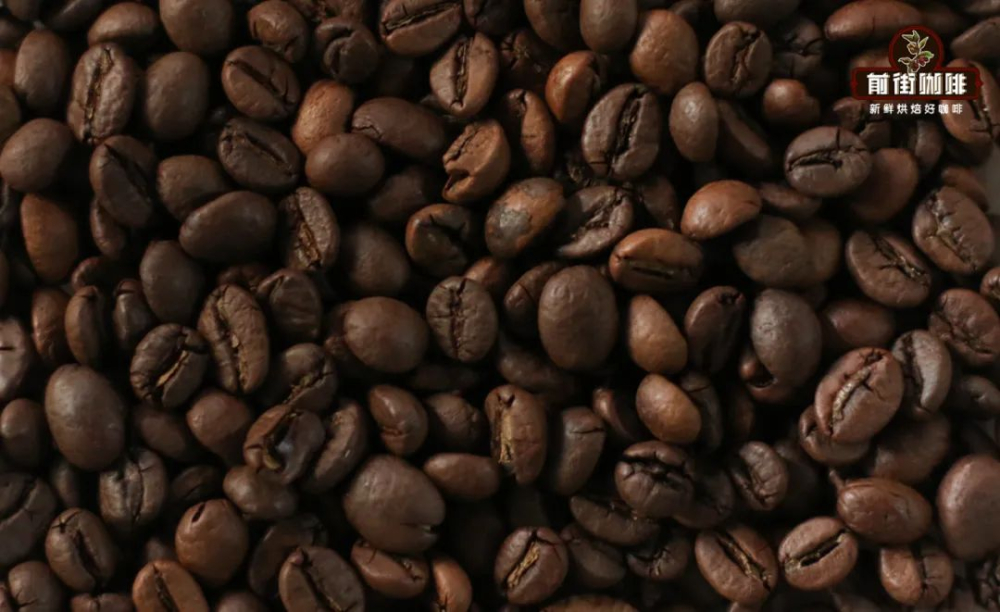
Front Street Coffee Classic Blend is composed of three parts: Brazil, Mandheling, and Robusta. The finished cup combines full nutty and toasted bread aromas, has a mellow mouthfeel, and shows beautiful crema. It is very friendly to beginners. If you want to practice latte art at home, Front Street Coffee Classic Blend is the right choice. This medium-dark roasted espresso recipe spans three origins, and its design inspiration comes precisely from the once-popular "Mamba" combination.
How do you drink Robusta coffee grounds?
Most Robusta coffee grounds available on the market are of fairly ordinary quality, and brewing them directly tends to be bitter. Below, Front Street Coffee teaches everyone how to use them to make a cup of Vietnamese coffee.
First, prepare a Vietnamese drip pot (available online, and inexpensive). Lift the press plate of the filter chamber, pour in the coffee grounds and level them, then put the press plate back.
Next, squeeze an appropriate amount of condensed milk into a heat-resistant glass.
4. Then pour in hot water to bloom, fully wetting the coffee grounds. After 20 seconds, add hot water at a coffee-to-water ratio of about 1:10, and wait for the drip to finish.
The black coffee obtained this way is fairly strong, with a slight granular mouthfeel on the palate, an obvious characteristic of bitterness followed by sweetness, and it also retains some oils, with a thick roasted aroma; but once stirred evenly with condensed milk, the sweetness immediately spreads and turns into a smooth aroma.
The above content is compiled by CoffeeHunters, a coffee news website.


