







How should you brew Robusta coffee beans at home?
Robusta coffee beans are bitter and high in caffeine, so drinking them solo is harsh, especially low-grown commercial lots with earthy and rubbery notes. The practical route is blending: adding a small proportion of Robusta to an Arabica bean base builds body without letting the harsh flavors dominate. Vietnamese phin brewing, paired with condensed milk, also tames the intensity.
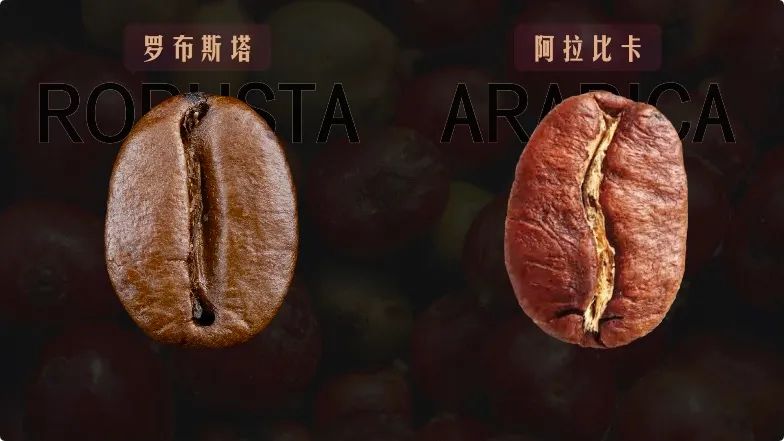
Specialty-grade Robusta grown around 1,200 meters, with careful picking and post-processing, shows walnut, peanut, hazelnut, and wheat cereal notes instead. Botanically, Robusta cherries are rounder and smaller than Arabica, and the beans have a straight center cut, while Arabica beans are semi-oval with an S-shaped cut. The plant grows fast and tolerates lower altitudes and higher temperatures.
Robusta coffee beans are known for their intense bitterness and high caffeine content, and many people are at a loss when they get a bag of Robusta grounds. In fact, as long as you master the right blending approach or brewing method, Robusta can also present a pleasant side. This article will start with the botanical characteristics and flavor profile, compare it with Arabica, introduce the pairing logic of Front Street Classic Blend and Front Street Commercial Blend, and finally demonstrate the Vietnamese phin filter process step by step, teaching you how to make a cup of Vietnamese coffee at home that is deep and toasty and blends perfectly with condensed milk.
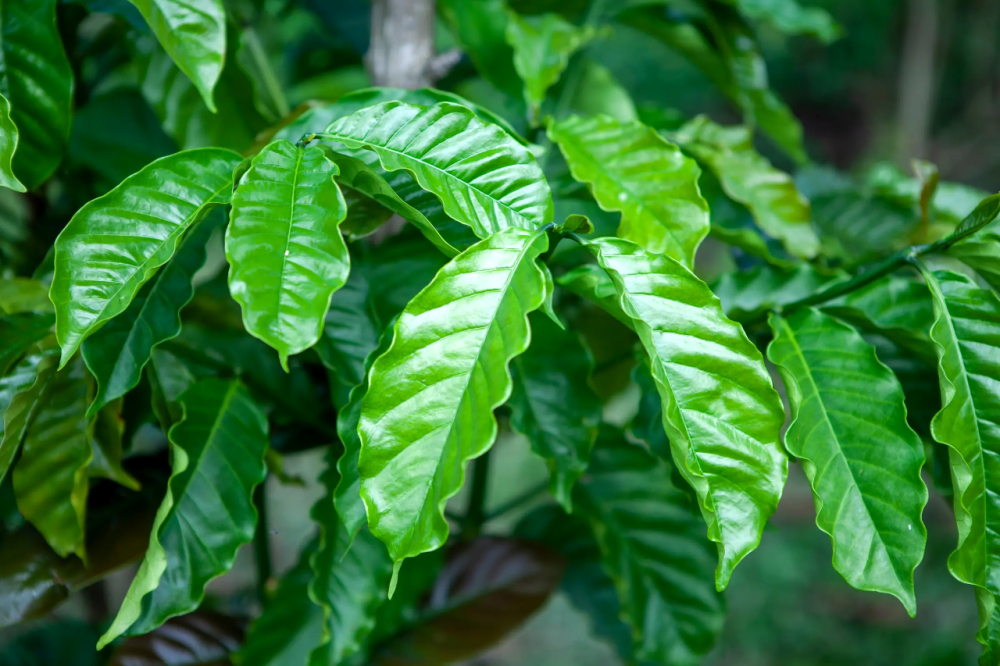
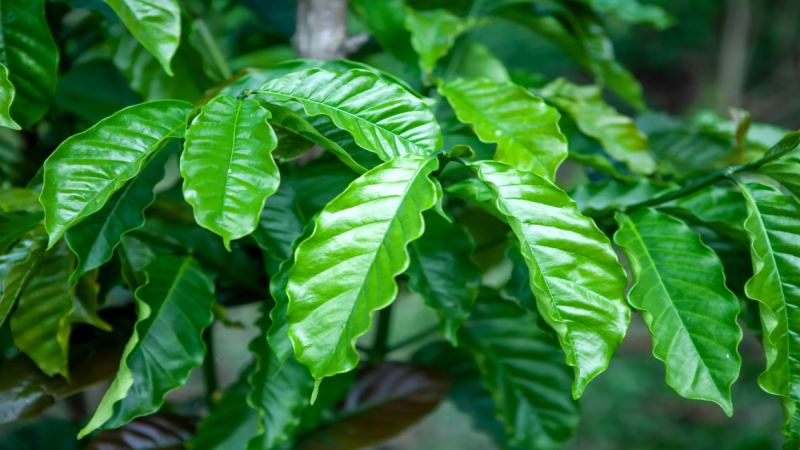
Robusta coffee has several other botanical names, such as large-leaf species, large-fruit coffee, or large-bean coffee. It is a transitional tree type between a shrub and a tall tree, with longer leaves and a bright green color. A mature tree can theoretically reach ten meters in height, but its root system is quite shallow.
In terms of fruit form, Robusta coffee cherries are slightly rounder and a bit smaller than Arabica, and the beans are flat and round, with a straight "一"-shaped center cut. By contrast, Arabica beans are mostly semi-oval, and the center cut curves into an "S" shape.
Compared with Arabica, Robusta's cultivation advantages are quite prominent: fast growth, strong resistance to pests and diseases, adaptability to lower altitudes and higher temperatures, and excellent overall tolerance. But its problems are equally obvious—the flavor is too strong and assertive. Those Robusta beans grown at low altitudes, of poor quality, or sold as commercial raw material often carry obvious earthy notes, rubbery flavors, and heavy bitterness, making them difficult to drink on their own.
Of course, specialty-grade Robusta also exists. These beans are usually grown at around 1,200 meters above sea level, and from cultivation and picking to post-processing, they are carefully managed, allowing the flavor to show pleasant notes of walnut, peanut, hazelnut, and wheat cereal.
Even if the quality is decent, Robusta's taste is still too intense, and drinking it directly is so bitter that it instantly wakes you up. However, if it is blended into Arabica beans in a small proportion, it can significantly enhance the coffee's body without letting Robusta's negative flavors become too exposed.
How is Robusta blended with Arabica?
Robusta coffee has high caffeine content and rich oils. In the era when espresso swept the world, it was often included in espresso blends—back then, people drank coffee largely for the caffeine. Later, drinkers gradually shifted toward pursuing better taste and flavor, as well as that golden layer of crema. Based on this, Front Street designed combinations of Arabica and Robusta, namely Front Street Classic Blend and Front Street Commercial Blend.
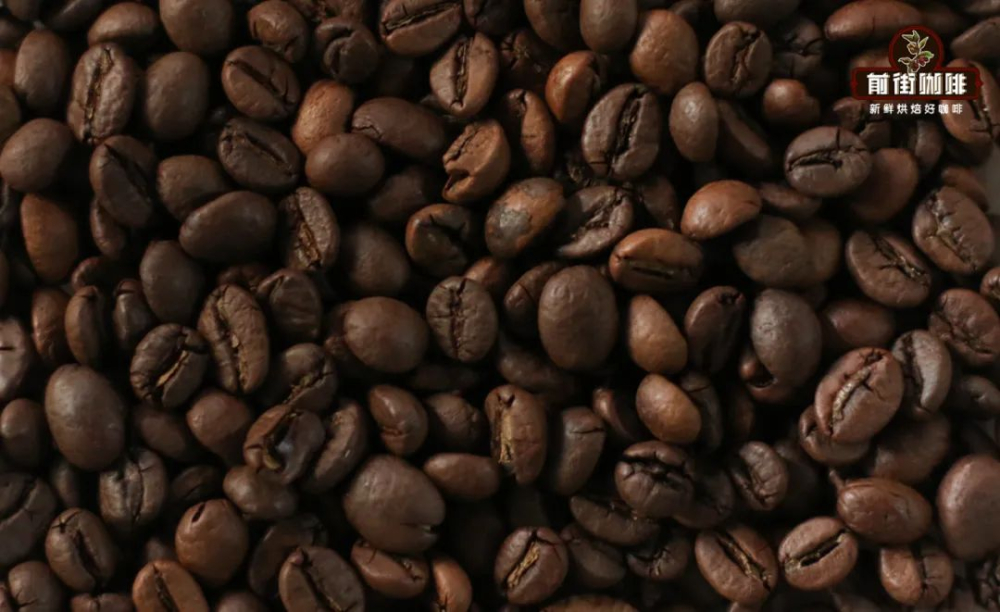
Front Street Classic Blend is composed of Brazil, Mandheling, and Robusta. The finished cup combines rich nutty and toasted bread aromas, a full body, and beautiful crema, making it very beginner-friendly. Friends who want to practice latte art at home can choose Front Street Classic Blend directly—this medium-dark roasted espresso recipe combines three origins, and its design inspiration comes precisely from the popular "Mamba" blend of earlier years.
How do you drink Robusta coffee grounds?
Most Robusta coffee grounds commonly found on the market are of ordinary quality, and brewing them directly often produces a prominent bitterness. Below, Front Street will teach everyone how to use them to make a cup of Vietnamese coffee.
First, prepare a Vietnamese phin filter (you can buy one online, and it is very cheap). Lift the filter's press plate, add coffee grounds and spread them level, then put the press plate back on.
Next, pour an appropriate amount of condensed milk into a heat-resistant glass.
4. Finally, pour in hot water and let it bloom, fully wetting the coffee grounds. After letting it sit for 20 seconds, add hot water at a coffee-to-water ratio of about 1:10, and wait for the drip filtration to finish.
The black coffee made this way is relatively strong, with a slight grainy texture, prominent bittersweetness, and it also retains some oils, with a deep toasty aroma; and when it blends with condensed milk, the sweetness instantly transforms into a smooth aroma.
The above content is compiled by CoffeeHunters, a coffee news website.


