







How Do Robusta Coffee Beans Differ From Arabica in the Cup?
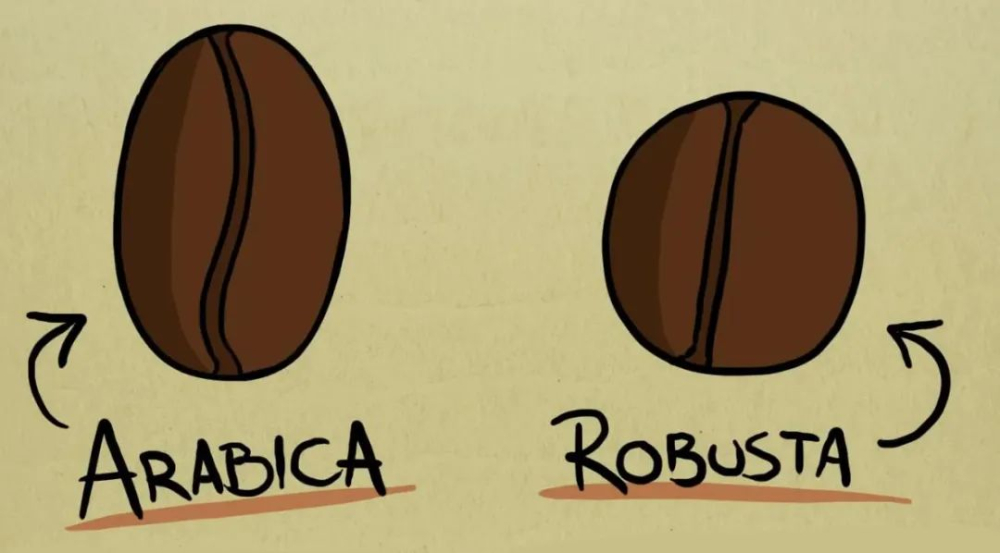
Arabica and Robusta are the two species most people meet daily. Arabica makes up 70 to 80% of global production and brings bright acidity with a refined flavor. Robusta covers roughly 20 to 30% and shows pronounced bitterness with a thick, full body. Robusta beans are usually round and C-shaped, with an I-shaped center line, and one bean per fruit.
Robusta belongs to the Canephora species, sometimes called the Congo species, and originates in the Congo region of West Africa. It grows within the coffee belt but tolerates low altitude and high heat far better than arabica, grows faster, resists certain pests and diseases, and yields more. Beyond instant coffee, it also adds body and crema to espresso blends.
The two most common species in the coffee world—Arabica and Robusta—are often labeled "elegant" and "rugged." Arabica accounts for as much as 70–80% of production, while Robusta makes up about 20–30%. The former has a refined flavor with bright acidity, while the latter has pronounced bitterness and a thick, full body. Although Robusta is mostly used for instant coffee, it also plays a key role in espresso blends by adding body and crema. This article will systematically compare the two in appearance, composition, and flavor differences, introduce specialty Robusta and the Catimor hybrid variety, and share several of Front Street Coffee's espresso blends that contain Robusta, along with brewing suggestions for Yunnan Catimor.
Three major varieties are well known in the coffee family: Arabica, Robusta, and Liberica. Among them, Arabica and Robusta are the ones we encounter most often in daily life, with the former accounting for 70% to 80% of global coffee production.
Compared with Arabica, Robusta finds itself in a rather awkward position. Arabica beans have won widespread favor with their elegant flavor, while Robusta beans, because their flavor is not refined enough and their bitterness is strong, are mostly sent off to make instant coffee. Robusta accounts for roughly 20% to 30% of total world coffee production. However, whether in cultivation or post-processing, coffee farmers often devote less care to Robusta than to Arabica. Likewise, because Robusta's flavor has a poor reputation, many specialty coffee enthusiasts practically dismiss it.
The origins of Robusta coffee beans can be traced back to the Congo region of West Africa. It belongs to the Canephora species, and some also call it the Congo species.
Robusta also grows within the coffee belt between the Tropic of Cancer and the Tropic of Capricorn, but its requirements for the growing environment are far less demanding than Arabica's. Robusta can adapt to low-altitude, high-temperature regions, and it grows faster than Arabica. It is highly tolerant of extreme weather and has good resistance to certain pests and diseases affecting coffee seedlings. It is high-yielding and does not require coffee farmers to invest too much effort in caring for it.
[Appearance] Robusta coffee beans usually produce one bean per fruit. They are relatively round and C-shaped, with an "I"-shaped center line, and the green beans tend toward a yellow-brown color.
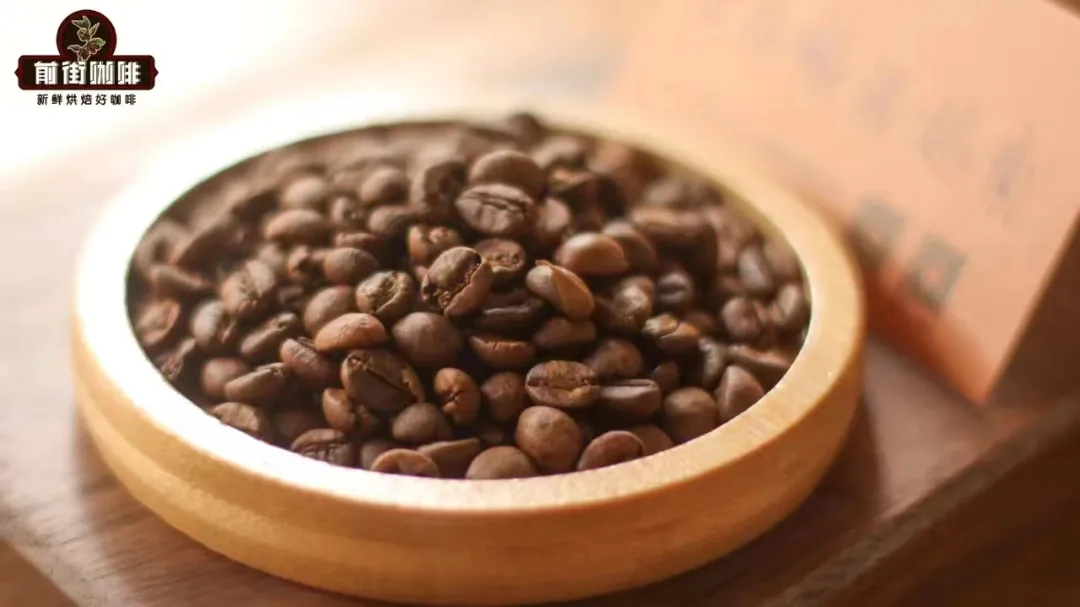
Arabica coffee beans generally produce two beans per fruit. They are elongated and oval, flatter than Robusta, and the center line of the bean is S-shaped or C-shaped.
[Flavor] Robusta often has an earthy taste, which some describe as burnt rubber. It is more bitter and less acidic. Its caffeine content is relatively high, at about 1.6% to 2.4%, while its fat and sugar content is lower, so the taste is bitter and intense. People who like this aroma enjoy it very much, while those who do not say it smells like rubber.
Arabica's flavor is much more complex. Its bitterness is much milder than Robusta's, its acidity is stronger, and its mouthfeel is silkier. As the growing environment changes, Arabica's flavor changes with it. For example, Indonesian coffee beans are characterized by herbal and spice notes, while African coffee beans stand out for their soaring acidity.
[Composition] Compared with Arabica, Robusta beans contain higher levels of caffeine, amino acids, and chlorogenic acid. Robusta's chlorogenic acid content is about 7% to 10%, which makes it less susceptible to pests and climate. Robusta beans also produce 60% more oil than Arabica beans. Chlorogenic acid readily forms astringency, so the lower chlorogenic acid content in Arabica is beneficial to the development of its coffee quality. Many aromatic volatile compounds attach to the oils and are released during coffee brewing, so oils can explain the differences in flavor quality between Arabica and Robusta, especially in espresso.
Since Robusta beans have such a poor reputation, why, besides instant coffee, can they still be found elsewhere?
Robusta beans are cheaper than Arabica beans, so they are often used in instant coffee blends to lower production costs. However, Robusta beans also appear in blends, mainly not to reduce costs, but to increase the body of the extracted coffee and produce a rich crema. Robusta beans usually make up 5% to 15% of espresso blends, and sometimes even more than 25%.
On Front Street Coffee's bean list, two espresso blends contain Robusta beans: Front Street Classic Blend and Front Street Commercial Blend.
Front Street Commercial Blend uses a combination of two major Arabica-producing regions, Brazil and Colombia, and adds a small amount of Robusta beans on that basis.
In terms of flavor, the espresso extracted from Front Street Commercial Blend mainly shows traditional roasting aromas such as caramel, cream, and dark chocolate, with a full body and fine crema. Because it is positioned as tasty but affordable, it is also many people's first choice for opening a shop.
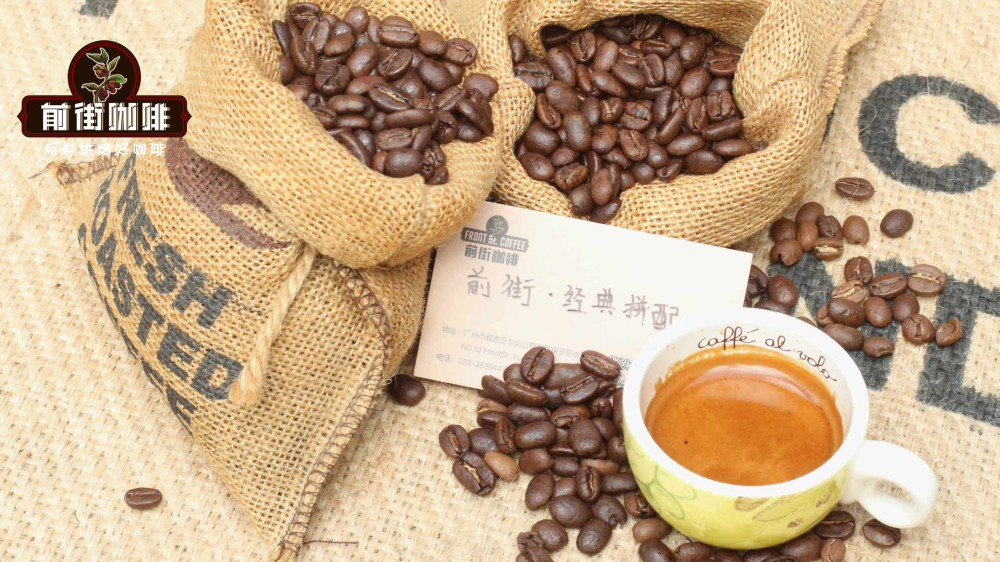
Friends who want to learn latte art at home can buy Front Street Classic Blend. This is a medium-dark roasted espresso recipe combining three producing regions, inspired by the "Mamba" popular in earlier times, namely Mandheling and Brazil. To add aroma and crema, Front Street Classic Blend also contains a small amount of Robusta, thereby enhancing flavor intensity and body, so beginners can easily make espresso with golden crema at home.
Because Front Street Black Cocoa Base Blend is 100% Arabica and contains no Robusta beans, its sweet-bitterness is also less pronounced than that of Front Street Commercial Blend. Front Street Black Cocoa Base Blend uses a combination of Yunnan small-bean and Brazilian Red Bourbon, combining the acidity of ripe plums with nutty notes. Ground into powder, it gives off the aroma of creamy chocolate and cocoa cookies. The taste is balanced, and the crema has a golden, glossy surface, making it very suitable for friends opening a shop or using it at home.
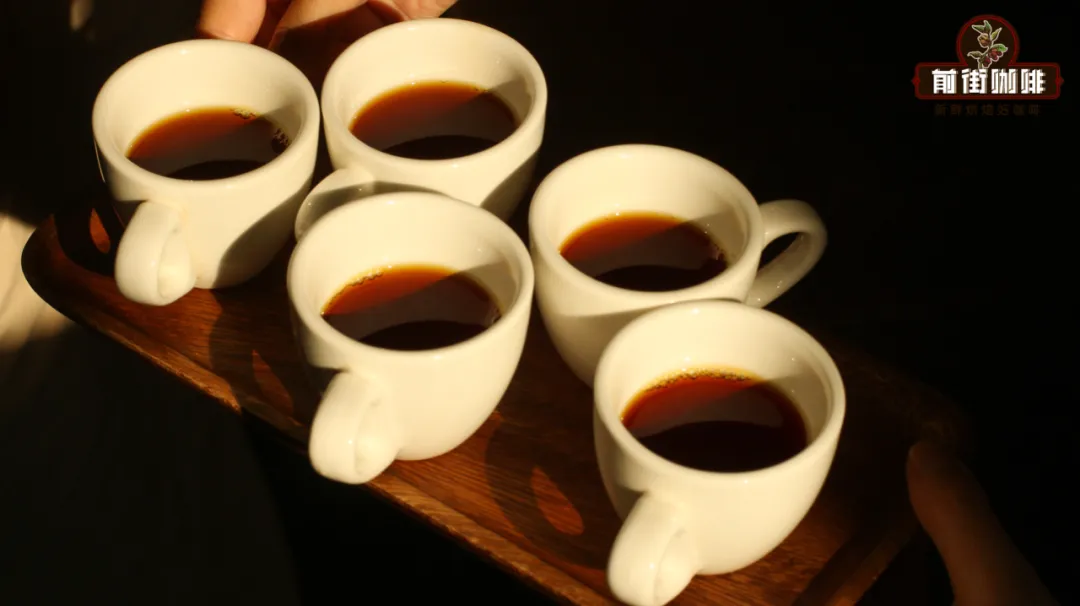
Robusta or Arabica: which is better?
Many enthusiasts who have been exposed to specialty coffee for some time develop a mindset that Arabica is simply superior to Robusta. Actually, that is not the case. Some high-quality Robusta coffee beans may even cost much more than some Arabica beans, and their flavor is not inferior to Arabica either.
For example, specialty Robusta coffee beans. India's "Coffee Royal" Robusta has to some extent changed the world's impression of Robusta beans. Anyone who has tasted it will be surprised by its clean flavor. Although the Robusta variety inherently lacks the elegant aromatic fragrance of Arabica, what replaces it is a thicker, steadier mouthfeel, along with intense walnut, peanut, hazelnut, and wheat flavors reminiscent of peanut butter or hazelnut spread.
A coffee bean variety hybridized from Robusta and Arabica: Catimor
In 1959, the Portuguese transplanted Brazil's Caturra to East Timor and crossed it with the local Timor variety, which carries Robusta genes, producing the Catimor coffee bean variety. Later, because coffee leaf rust became pandemic worldwide, with the assistance of international organizations, the cultivation of Catimor, a coffee variety with strong resistance to leaf rust, was vigorously promoted.
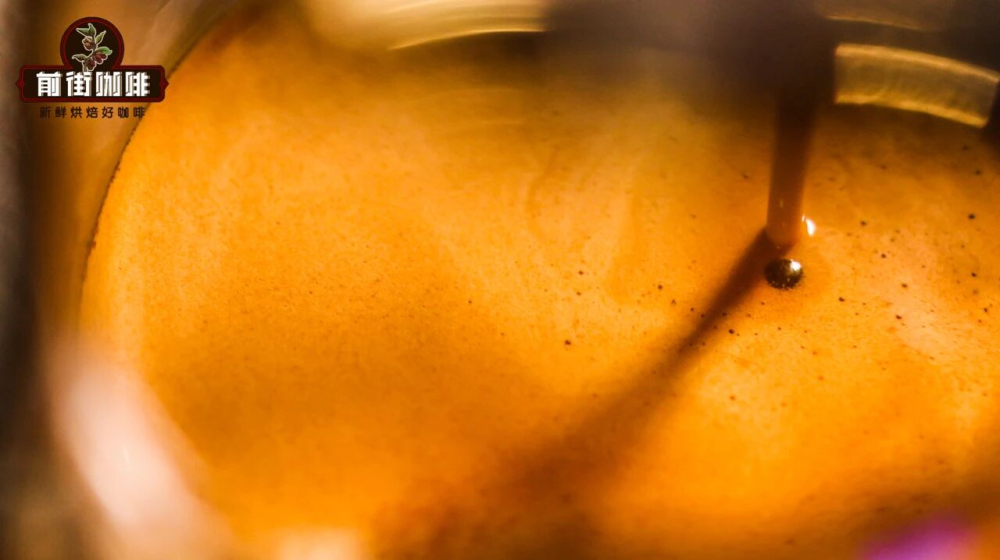
The Catimor coffee bean variety possesses the genes of both Arabica and Robusta beans and also combines some of the fine qualities of these two varieties, such as strong resistance to leaf rust and high yield. In flavor, it also has some of the rich mouthfeel of the Typica heirloom variety, with abundant oils. Front Street Coffee's Yunnan Small-Bean Red Cherry is exactly like this.
Front Street Yunnan Small-Bean Red Cherry Region: Baoshan, Yunnan, China Altitude: 1450–1550m Variety: Catimor Processing method: Red Cherry Natural
Front Street Coffee (FrontStreet Coffee) Brewing Suggestions
Front Street recommends the following brewing parameters: Kono dripper, 88°C water temperature, 15g coffee dose, 1:15 coffee-to-water ratio, grind size EK43s #11 (70–75% passing through China standard No. 20 sieve).
Front Street Coffee (FrontStreet Coffee) uses staged extraction: bloom with 30g of water for 30 seconds, then pour in a thin stream in circles until 125g for the first stage. When the water level drops and is about to expose the coffee bed, continue pouring until 225g and stop. When the water level drops and is about to expose the coffee bed again, remove the dripper. Extraction time (starting from the beginning of the bloom) is 2'00".
Flavor Description
On the palate, there is a soft acidity like red berries, obvious nutty and chocolate notes, a hint of spice, and a caramel-like sweetness in the finish.
The above content is compiled by CoffeeHunters, a coffee news website.


