






What are robusta coffee beans used for in blending and brewing?
Robusta coffee beans belong to the Canephora species, a separate group from Arabica, and are often dismissed as commercial-grade. The plant grows at low altitudes with little management and yields a cup that reads wheat-like and grainy rather than aromatic, which is why it rarely appears in specialty coffee. Its value lies in espresso blending, where it adds body and crema, and in new variety cultivation.
The flavor gap comes down to chemistry: Robusta carries more caffeine and chlorogenic acid than Arabica, and it is not the only everyday drink with caffeine, since black tea, cocoa, and cola contain it too. For a rich cup at home, a siphon pot works well with Robusta or a commercial espresso blend, using steady heat and a short, controlled contact time to keep the heavier notes in check.
Robusta coffee is often misunderstood as a low-quality commercial bean, but it has irreplaceable value in areas such as espresso blending and new variety cultivation. From the perspective of Front Street Coffee, this article systematically introduces the relationship between Robusta and the Canephora species, the flavor characteristics brought by its high caffeine and chlorogenic acid content, its role in enhancing body in coffee blends, and how to brew a rich, aromatic cup of Robusta coffee with a siphon pot. Whether you want to understand the basics of Robusta or want to try extracting Front Street commercial espresso blend beans at home with a siphon pot, this article can provide practical reference.
For more specialty coffee knowledge, please follow: Front Street Coffee ( Frontsteet Coffee )
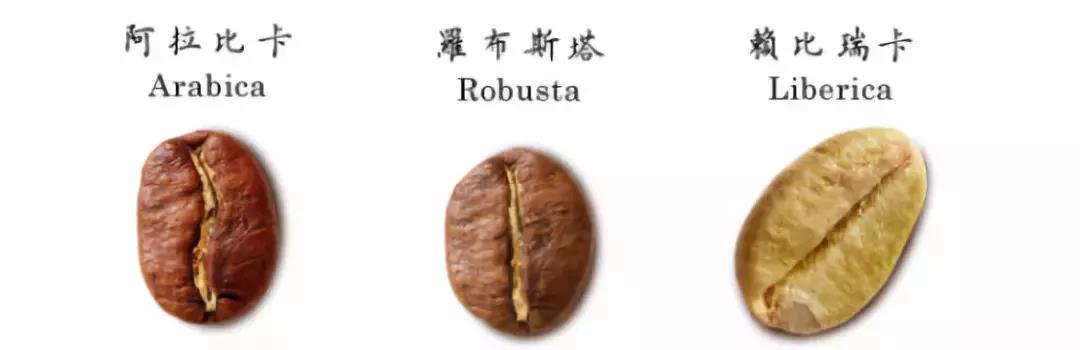
Front Street believes everyone should have heard of Arabica coffee. Most coffee in specialty coffee shops on the market nowadays is Arabica coffee beans, just as the coffee varieties at Front Street Coffee (FrontStreet Coffee) basically all belong to Arabica coffee. But today, Front Street wants to introduce one of the three major coffee varieties: Robusta coffee.
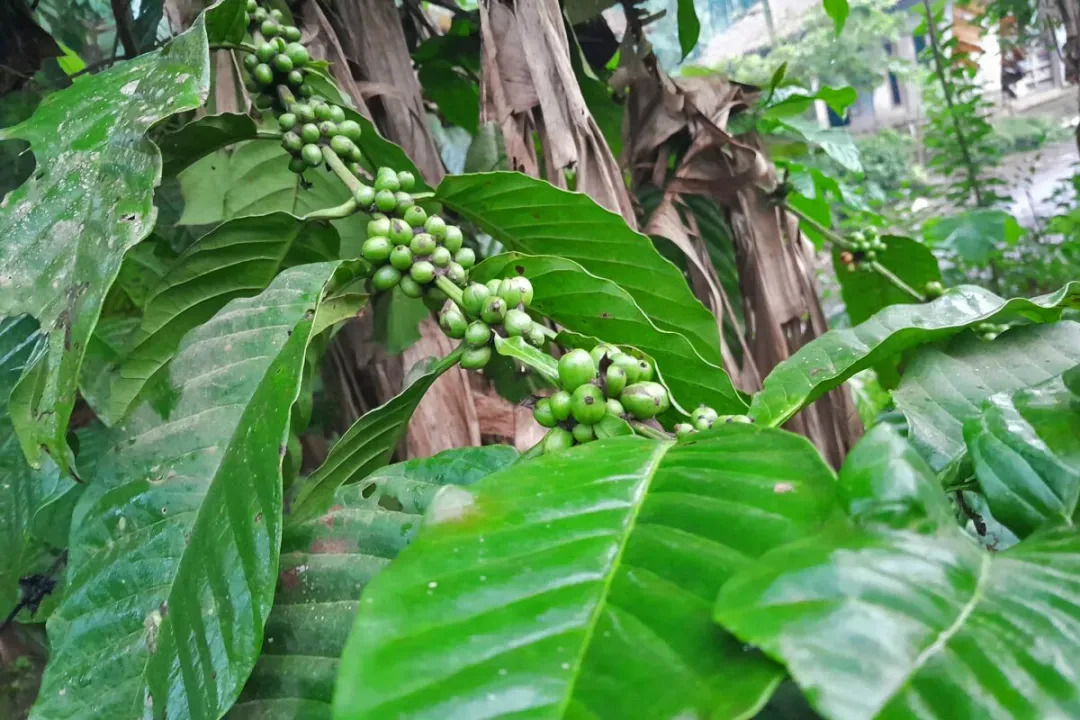
Robusta coffee is actually a variety within the Canephora species, but because everyone is used to calling the Canephora species Robusta coffee, Canephora is generally referred to as Robusta coffee.
Front Street believes that whether a coffee has good prospects largely depends on its flavor. If a coffee has potato-like, earthy, or rubbery flavors, then it definitely has no market. The reason Robusta coffee grown at low altitudes without meticulous management is often used as commercial beans or appears as instant coffee is that Robusta coffee usually lacks the aromatic fragrance of Arabica beans and instead has more wheat, grain-like characteristics, and sometimes even a pungent odor. This is also one of the reasons Robusta coffee rarely appears in the specialty coffee world. On the other hand, it is not only coffee beans that contain caffeine. Drinks we encounter daily, such as black tea, cocoa, and cola, also contain large amounts of caffeine. Front Street often hears customers say that drinking coffee at night keeps them awake. This is because caffeine stimulates the central nervous system and is addictive, which is what is commonly called the alertness-boosting function.
According to what Front Street has learned, Robusta has a higher caffeine content than Arabica varieties. However, there is another point worth noting: Robusta coffee also contains a large amount of chlorogenic acid. You may not be very familiar with chlorogenic acid, so Front Street will give a brief introduction.
From a cultivation perspective, Robusta coffee trees can tolerate high temperatures, cold, drought, and moisture, with an extremely high survival rate. In addition, their caffeine content is high (1.7%~3.0%), about twice that of Arabica.
Chlorogenic acid is very unstable. The chlorogenic acid in coffee will decompose into caffeic acid and quinic acid, especially when the temperature is below 80 degrees or above 85 degrees. After chlorogenic acid decomposes, quinic acid immediately breaks down into a noticeable bitterness, while caffeic acid breaks down into a noticeable sourness. The combination of sourness and bitterness forms the bitter-sour mouthfeel of Robusta coffee and the flavor of aged coffee.
Compared with Robusta coffee, the content of substances such as caffeine and chlorogenic acid in Arabica coffee is half that of Robusta coffee, which is also one of the reasons why Arabica coffee has a better flavor than Robusta coffee. What Front Street has mentioned is only a small part of the reasons affecting Robusta coffee's flavor. The degree of roasting and other factors will also affect the content of substances in coffee, which Front Street will not discuss in detail here.
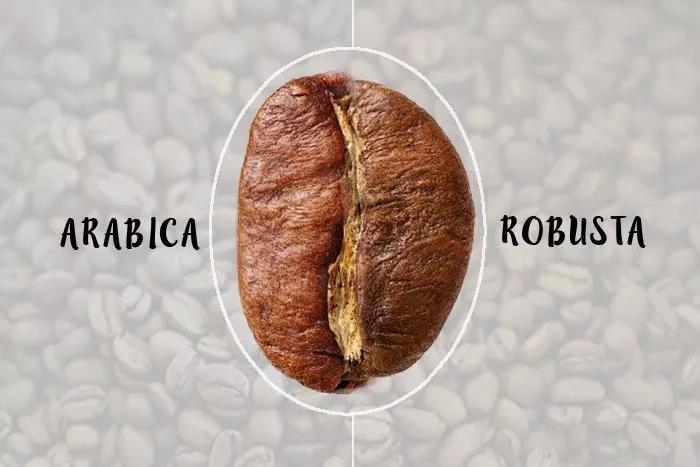
Many friends immediately think Robusta beans are "something bad" as soon as they hear about them. Front Street believes that the emergence of Robusta coffee also has its own value. For example, in espresso blends, Robusta coffee holds an unshakable position.
Front Street believes that Robusta coffee beans fill in the body that Arabica lacks, while Arabica coffee enhances the aroma of Robusta coffee beans. The formula formed by combining the two kinds of coffee beans is elevated into an art.
In Italy, some regions pursue coffee with a darker roast and a thicker mouthfeel. They add a small amount of Robusta coffee to their blend to enhance the coffee's body and produce an Espresso with richer crema. After Espresso blends with cream, it presents a rich, full mouthfeel, and milk coffee, with Robusta and Arabica coffee beans complementing each other, becomes even richer and more aromatic.
If you also want to taste Robusta's rich mouthfeel, it is recommended to buy Front Street commercial espresso blend coffee beans. The espresso extracted from them has dense golden crema. You can place an order at the Front Street flagship store or Front Street Taobao store.
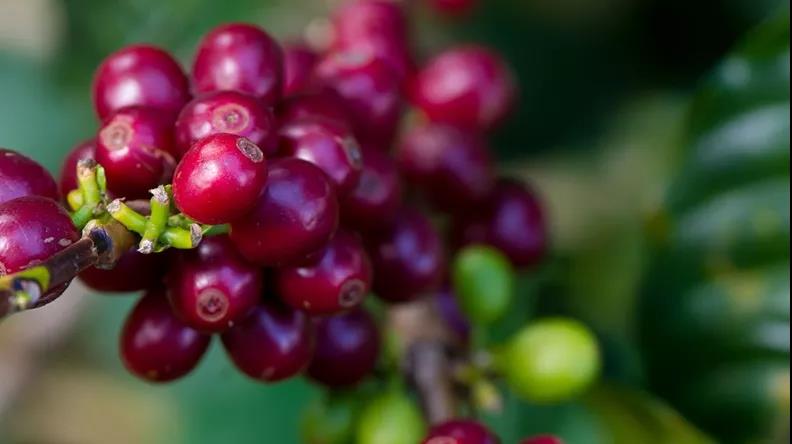
In addition, Robusta has also made a certain contribution to research on new coffee varieties. Arabica coffee has a very rich aroma, and its mouthfeel is to a certain extent more delicate than Robusta's. But Front Street has found that Robusta is stronger than Arabica in drought tolerance, disease resistance, and yield. Therefore, some researchers cross Robusta and Arabica to select the best genes and cultivate a new variety that possesses both high-quality flavor and strong disease resistance with high yield.
Therefore, although Robusta cannot compete with Arabica in terms of flavor, it still has its value of existence. As the saying goes, whatever exists is reasonable. Front Street believes that Robusta coffee's value still has great potential to be explored.
How to brew Front Street Robusta coffee with a siphon pot?
The grind size for siphon coffee is somewhat finer than for pour-over. According to Front Street's testing, the grind size is about 90% passing through a No. 20 sieve. When using the EK43s grinder produced for the shop, the corresponding setting is 9. If using a C40 hand grinder, the setting is 20.
-Coffee-to-water ratio
Generally, the coffee-to-water ratio for making siphon coffee is between 1:10 and 1:12. In order to highlight Robusta's rich body, a ratio of 1:10 is used here. If brewing one serving at home, you might as well use Front Street's usual parameters: 18 grams of coffee grounds and 180 milliliters of water.
Specific operation method
Taking Front Street's usual brewing as an example
1. Pour in 180 milliliters of hot water, wipe the lower pot dry, and turn on the heat source.
2. Insert the upper pot diagonally into the lower pot, and make sure the explosion-proof bead touches the bottom of the lower pot.
3. When continuous small water droplets appear in the lower pot, straighten the upper pot and press it firmly. Wait for the water in the lower pot to be drawn up into the upper pot.
4. Pour in Front Street Robusta coffee grounds and start timing. In the first stage, use a stirring rod to pat and press all the coffee grounds into the water so they absorb water evenly.
5. In the second stage, at 25 seconds, begin stirring using the method recommended by Front Street, so that the coffee clearly separates into three layers: coffee liquid, coffee grounds, and coffee foam.
6. In the final stage, at 50 seconds, begin stirring in the same direction. At 60 seconds, remove the heat source and wait for the coffee liquid to fall back down.
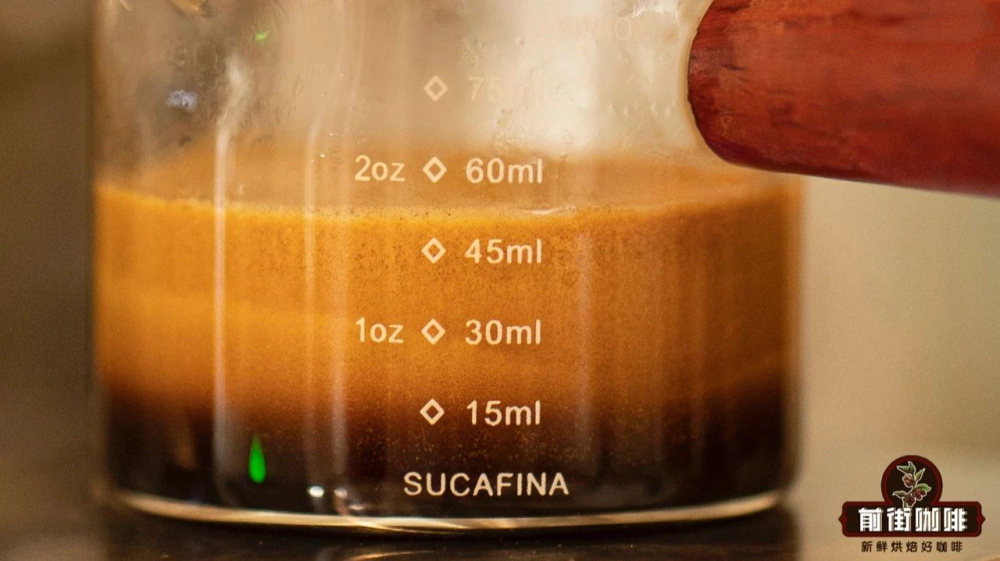
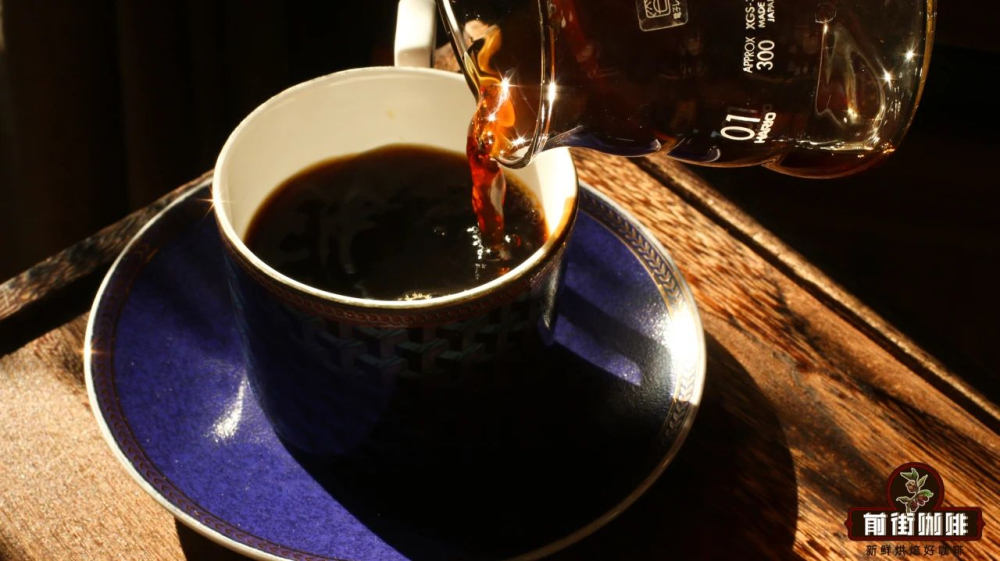
The siphon Robusta coffee made this way is very rich and aromatic. Although it is not as transparent and clean as pour-over coffee, the oils floating on its surface add quite a bit of body.
In Front Street's view, compared with pour-over coffee, using a siphon pot is obviously more troublesome to operate. First, a heat source is needed before brewing, and the entire extraction process requires full attention. After the coffee is brewed, it must also be cleaned promptly, washing the flannel cloth used for filtering the grounds. In a shop with a large volume of cups served, siphon pot production would only be even more troublesome.
The above content is compiled by CoffeeHunters, a coffee news website.


