







Search Results for: Puck Shape
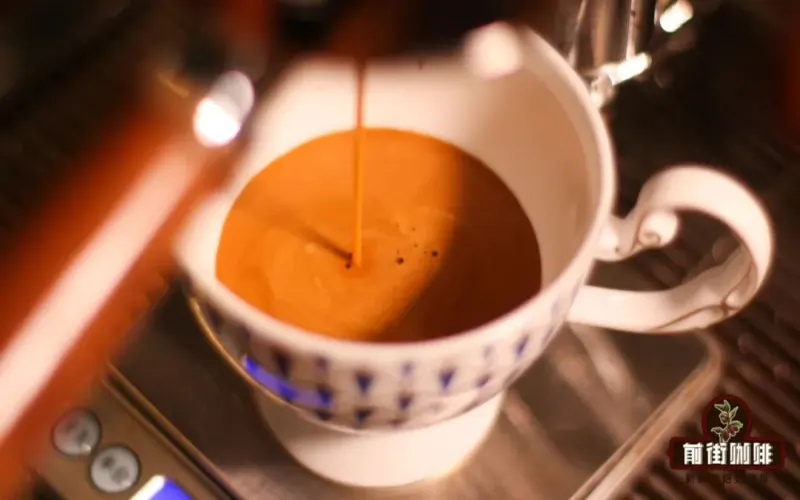
Espresso Extraction Troubleshooting: Causes and Solutions for Soggy Loose Pucks, Clumpy Crema, and Tiger Striping
When pulling espresso shots, have you ever encountered water pooling in the portafilter basket, a loose puck that won't hold its shape, or crema that clumps up quickly with tiger stripes appearing on the surface? Each of these phenomena actually has its own underlying cause. This article continues Front Street's series on common espresso extraction issues, breaking down key variables one by one—dose, grind size, coffee bean degassing, and fines distribution. From judging extraction evenness by puck condition, to understanding the relationship between crema clumping and coffee bean freshness, to clarifying whether tiger stripes really mean over-extraction, this guide helps you troubleshoot more accurately and adjust your parameters, making every espresso shot more stable and controllable. [more…]
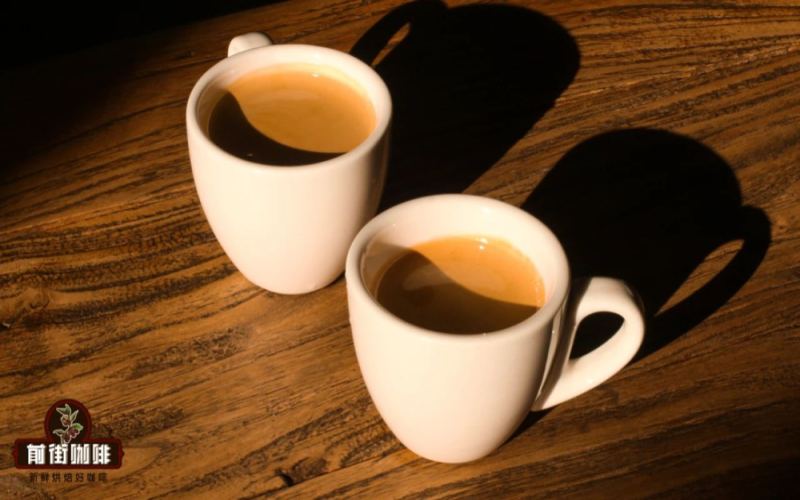
A Comprehensive Analysis of Espresso Puck Anomalies: Causes and Solutions for Channeling, Water Pooling, Clumping, and Extraction Imbalance
The extraction quality of espresso can be judged not only by flow rate, pressure, and time—the puck after extraction also reveals a great deal of key information. An ideal puck should be dry and level, structurally intact, and uniform in color. In practice, however, problems such as cratered surfaces, holes, standing water, loose structure, one half dry and the other half wet, or even a blackened bottom are all too common, and they often point to deviations in dose, grind size, distribution technique, or equipment pressure. This article systematically sorts out the manifestations and causes of six common puck abnormalities, offers targeted adjustment plans, and explains how to correct extraction through operations such as grinding finer while reducing dose, or grinding coarser while increasing dose, helping coffee enthusiasts consistently make a qualified espresso at home. [more…]
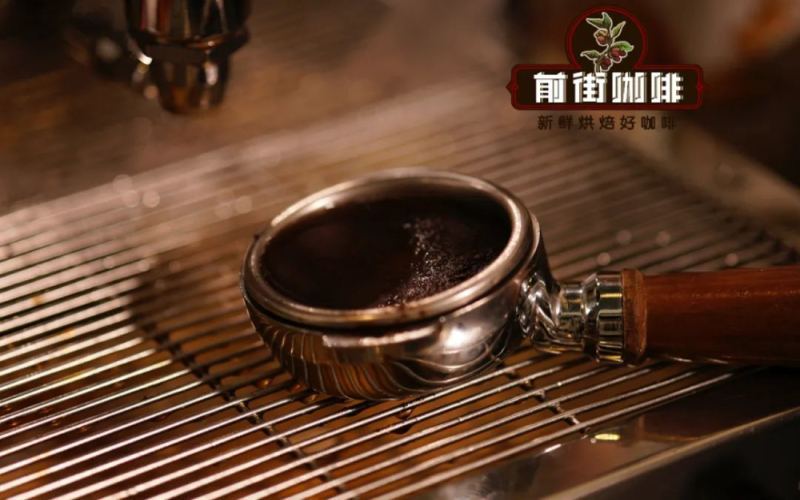
After espresso extraction, water pools in the portafilter basket? Analyzing the relationship between the basket, dispersion screen, and parameter adjustments
Many espresso enthusiasts have encountered this situation: after extraction, you remove the portafilter and find the puck wet and soft, unable to hold its shape, with a pool of water still sitting at the bottom of the basket. This is clearly not an ideal extraction state. Is the problem with the basket or the dispersion screen, or do the extraction parameters need adjustment? This article will analyze the possible causes of water accumulation one by one from the perspectives of grind size, coffee bean freshness, dose matching, group head cleanliness, and machine pressure, and provide corresponding solutions. The article will also share Front Street Coffee's dose control experience from daily dialing-in to help you find the root of the problem and return espresso extraction to a dry, intact puck state. [more…]
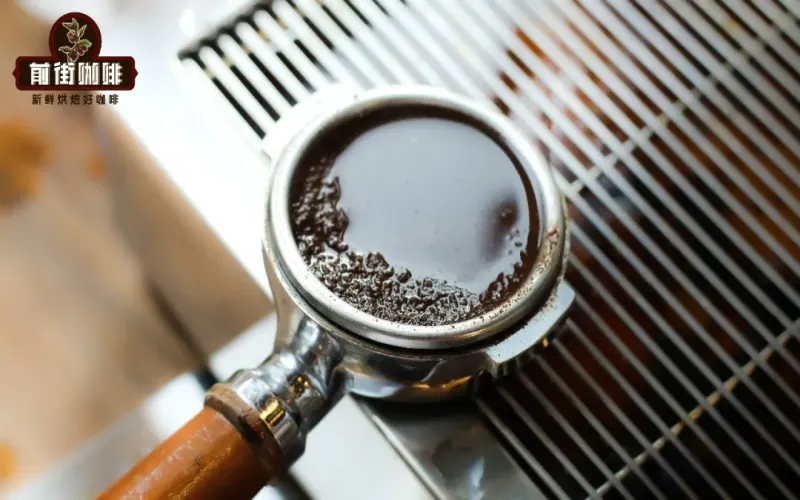
A Complete Analysis of the Causes of Water Pooling in Espresso Portafilters: How Dose, Grind Size, and Machine Condition Affect Puck Formation
After pulling an espresso shot, standing water left in the portafilter basket and a wet, mushy puck that won't hold its shape are problems many coffee enthusiasts run into. This article systematically sorts out several common causes of water pooling in the basket: too small a dose, a grind that is too coarse or too fine, and unstable pressure delivery from the espresso machine. The article points out that standing water is essentially a reflection of the extraction parameters and the machine's condition, and does not necessarily mean the coffee will taste bad; what truly affects flavor is the parameter error itself. Front Street suggests that if the flavor is off, you should first adjust the dose or the grind parameters to correct the coffee's taste, rather than simply fixating on the standing water. [more…]
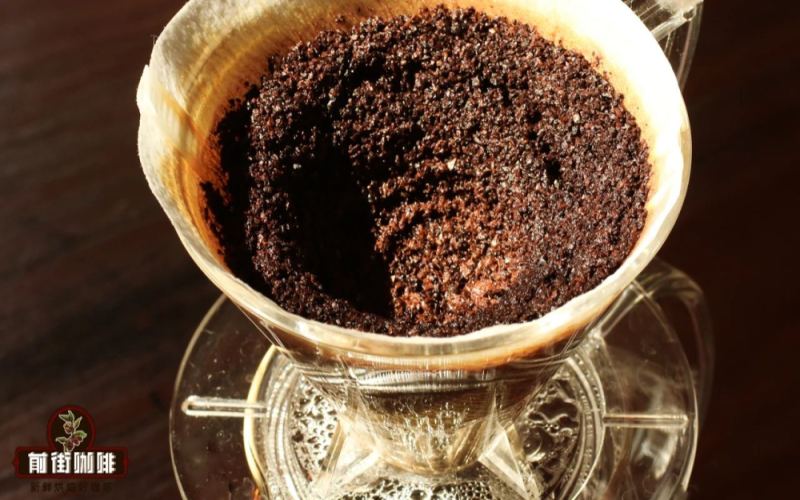
A Complete Guide to Espresso Tamping Techniques: Master the Correct Tamping Method and the Key Steps to Knocking Out a Perfect Puck
Extracting a qualified espresso shot—the tamping step is often overlooked by beginners, yet it directly affects the integrity of the puck and the final flavor. This article focuses on the correct way to use a tamper, starting from the phenomenon of knocking out an intact puck, and explains how each tamping step affects coffee quality. Whether you are an enthusiast just getting into espresso or a seasoned coffee pro hoping to refine your skills, you can understand why an intact puck can reflect extraction quality, and master the key operational details that make coffee taste better. [more…]
A Complete Guide to Espresso: From Boiler Systems to Milk Frothing and Latte Art — Professional Fundamentals
Want to systematically master the underlying logic of espresso? This article provides a complete overview of the core knowledge system of espresso, from equipment principles to practical details. It first deeply analyzes the differences between four types of boiler heating systems and their impact on extraction stability, then explains one by one the selection of steam wands, the structure of grinder burrs, the matching principles of tampers, and key points for choosing latte art pitchers. In the materials section, it focuses on comparing the roasting differences between Northern and Southern Italian-style coffee beans and the logic for selecting suitable milk. Finally, it focuses on the five major variables of extraction and the six factors of milk frothing, and explains in detail the techniques for integrating coffee and milk foam. The full text balances theoretical depth with operational guidance, making it suitable for coffee enthusiasts who want to solidify their foundations to read carefully. [more…]
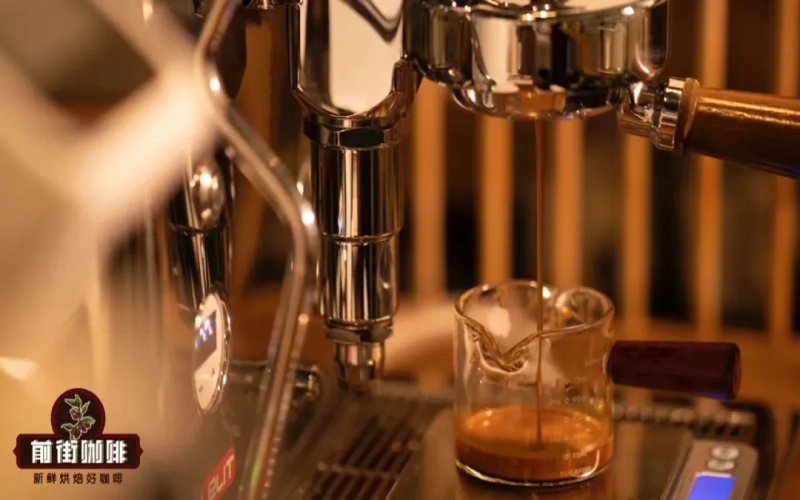
Causes and Solutions for Insufficient Pressure in Home Espresso Machines: A Complete Guide from Grinding, Dose, to Tamping
The biggest difference between espresso and atmospheric extraction methods like pour-over and French press is that espresso relies on pressure extraction. Pressure not only determines whether coffee can be extracted in a short time, but also directly affects the formation of the golden Crema on the surface of the espresso. Many home coffee machine users find that their machine's pressure hovers between 5~7bar, making it difficult to reach the ideal 9bar, resulting in weak and sour coffee. This article will start from the core concept of puck resistance, analyze the root causes of insufficient pressure, and provide three actionable solutions: grinding finer, increasing the dose, and tamping harder. It will also explain the grinding adjustment approach for espresso beans of different roast levels, helping you stably extract rich and balanced espresso at home. [more…]
What is the normal extraction pressure for an espresso machine? How should the grind size be adjusted appropriately?
The biggest difference between espresso machines and brewing methods like pour-over and French press is that they use pressurized extraction. It is precisely the presence of pressure that allows espresso to complete extraction in an extremely short time and form that iconic golden layer of Crema. Generally speaking, the extraction pressure of a coffee machine fluctuates around 9 bar, but many home coffee machine users find that the pressure struggles to climb to 9 bar and often stays between 5 bar and 7 bar, resulting in weak and sour coffee. The key behind this actually lies in whether the resistance of the puck is sufficient. This article will analyze the reasons for insufficient pressure and provide specific adjustment suggestions from three aspects: grind size, dose, and tamping force, to help you extract rich and balanced espresso at home as well. [more…]
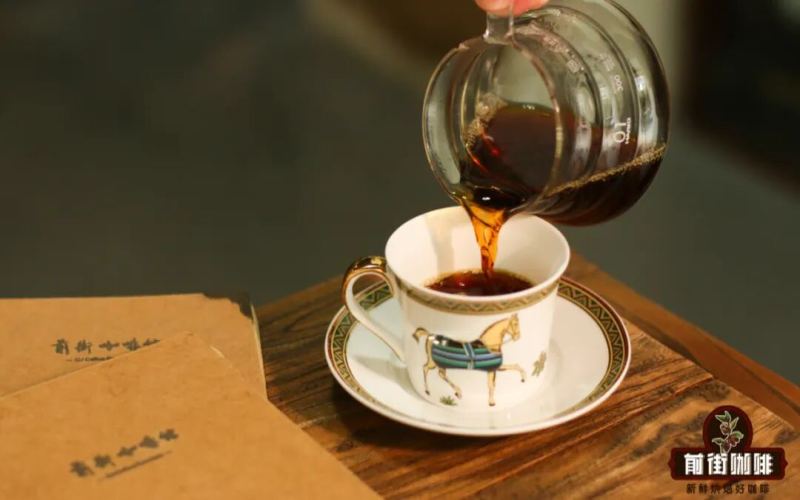
Coffee Brewing Tutorial | What Is Puck Management? Does the Coffee Puck Affect the Taste of Pour-Over Coffee? How to Master Puck Management to Make Coffee Taste Better?
We often hear experienced coffee enthusiasts or bloggers say something like this: "Master your puck bed management, and your pour-over coffee will taste better!" Some friends find this quite puzzling! Since they've just started out, they haven't even had the chance to figure out what exactly a puck bed is, let alone manage it. [more…]
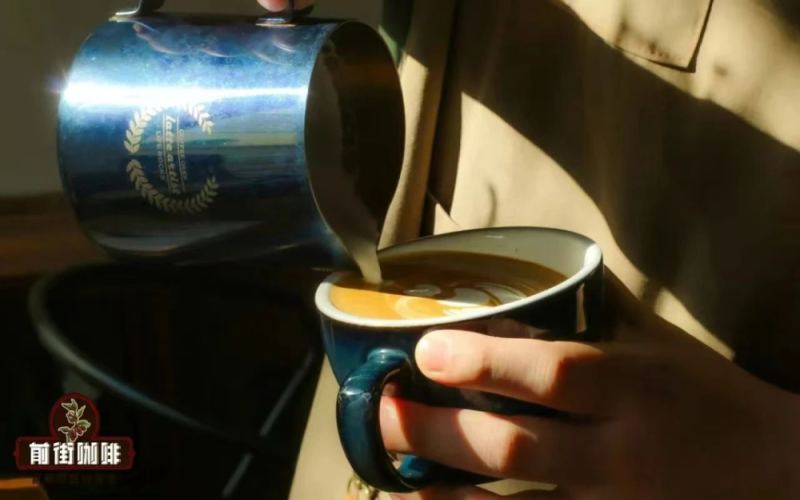
Latte Coffee Making Tutorial: Espresso Extraction, Milk Frothing and Latte Art Techniques, and Coffee Bean Selection Tips
Latte coffee may seem simple, but in reality, every step—from bean selection, extraction, to milk frothing and latte art—hides its own intricacies. While the ratio of milk to coffee, the beans used, and parameters vary across cafes, the classic approach typically involves a generous amount of milk blended with espresso. This article uses Front Street Coffee as an example to systematically explain the entire latte-making process: how to choose Italian-style coffee beans based on flavor preferences, adjust grind size, dose and distribute the grounds and tamp, as well as the principles and techniques of steaming milk, and finally, latte art practice steps for beginners. Whether you're preparing for a barista interview or looking to improve your output at home, you'll find practical references here. [more…]
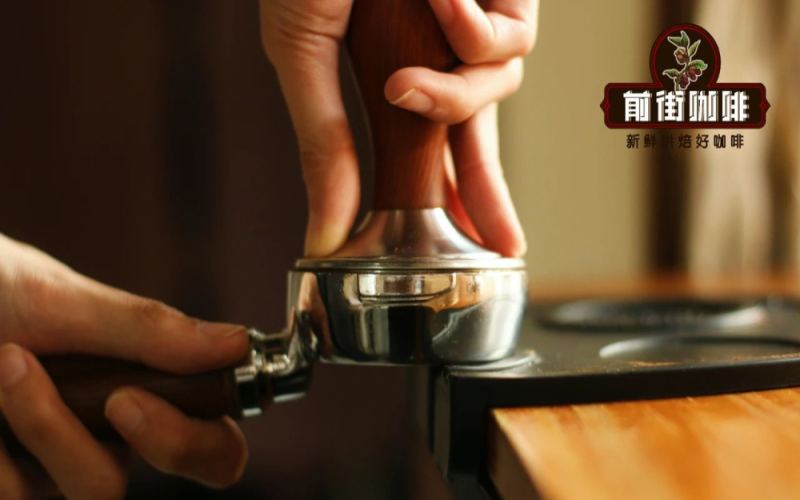
Coffee Shop-Style Latte Tutorial | Is Making Beautiful Latte Art Difficult? Recommended Medium-Dark Roast Specialty Espresso Beans for Lattes
Every coffee shop has slight differences in the milk-to-coffee ratio, beans used, and extraction parameters for their lattes. But in general, a latte is a coffee drink made by mixing a large amount of milk into espresso. Many friends have messaged Front Street Coffee (FrontStreet Coffee) asking. [more…]
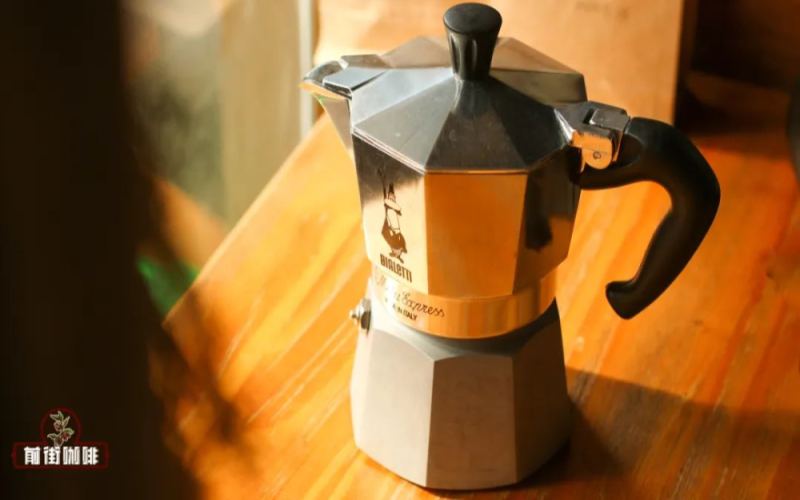
Key Operating Points and Common Troubleshooting for Moka Pot Espresso Extraction: Causes of Splattering, No Liquid Output, and Lack of Crema
The Moka pot, thanks to its pressure-based extraction principle, can produce espresso-like strong coffee at home, and is therefore regarded by many enthusiasts as a budget-friendly alternative to an espresso machine. However, beginners often run into various problems when using it, the most typical being violent spurting of the coffee, no liquid emerging for a long time, and brewed coffee with almost no crema. These issues are usually related to puck resistance, heat control, grind size, and bean freshness. Below, Front Street will analyze the causes of these three common problems one by one and offer corresponding adjustment solutions, along with recommendations for espresso beans suitable for use in a Moka pot. [more…]
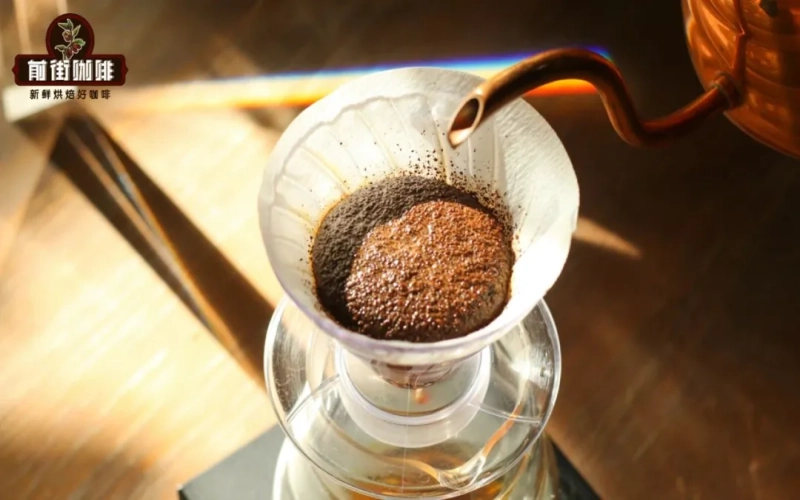
How Do Pour-Over Coffee Bed Depth and Shape Influence Flavor? A Detailed Explanation of the Differences Between Flat-Bottom Drippers and Conical V60
In the world of pour-over coffee, the shape of the coffee bed is often overlooked, yet it profoundly influences the final flavor expression. Starting from cases previously shared by Front Street Coffee, this article systematically sorts out the specific effects of coffee bed thickness and shape on extraction efficiency, stability, and coffee taste. You will learn why the same beans present completely different layers or balance in different drippers, and also understand why every dripper has a recommended dose. Through a comparative brewing example of Front Street Coffee Ethiopia Huakui, we will intuitively see the flavor differences brought by conical drippers and flat-bottom drippers, helping you understand more thoroughly the logic behind dripper selection, so you can brew a good cup of coffee more confidently. [more…]
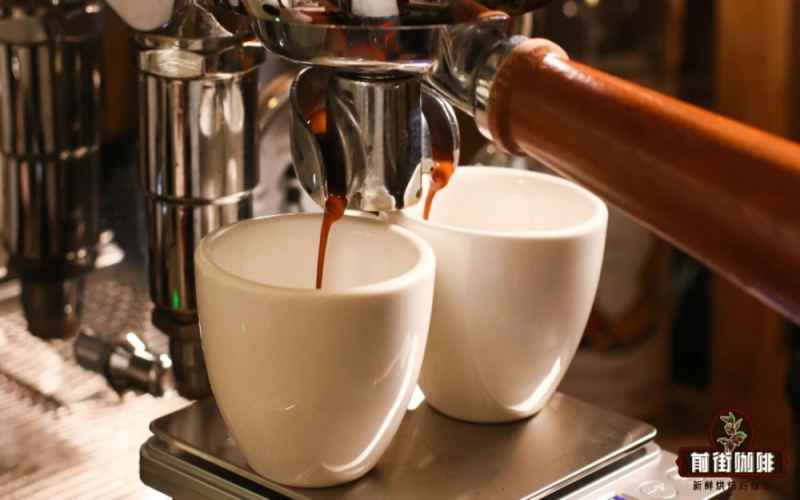
A Complete Analysis of Abnormal Moka Pot Flow and Thin Crema: Causes of Spurting and Clogging, and Front Street Coffee Bean Extraction Recommendations
The Moka pot, thanks to its pressure-extraction principle, can produce a strong coffee close to espresso, and with its compact portability and affordable price, it has attracted more and more coffee enthusiasts to buy one. But beginners often run into problems when using it: the liquid shoots out too violently, the coffee takes forever to come out, or the finished cup has almost no crema. This article analyzes the three most common types of extraction abnormalities with the Moka pot: first, the coffee liquid spraying out in a column; second, no liquid coming out even after a long time on the heat; third, the crema being thin or even completely absent. For each situation, the article will explain the underlying parameter causes and adjustment methods, and recommend fresh medium-dark roasted beans such as Front Street Classic Blend, Front Street PWN Golden Mandheling, and Front Street Dark Cocoa Blend, to help you consistently extract a rich crema at home. [more…]
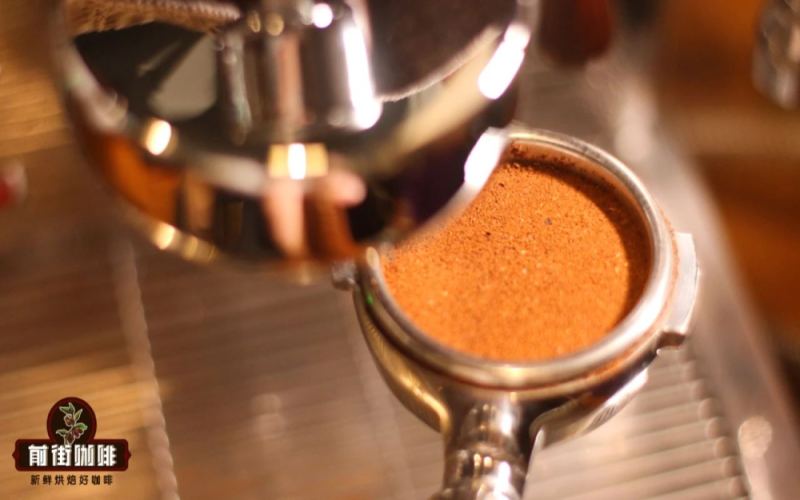
Master the Four Key Details of Espresso and a Flavor Analysis of Four Front Street Coffee Blend Beans
Espresso is the cornerstone of the Italian coffee system. A cup of Espresso may look simple, but in reality every step from dosing to extraction hides its own subtleties. Drawing on years of hands-on experience, Front Street Coffee has sorted out four core details that cannot be overlooked when making espresso: drying the portafilter basket, distributing the grounds evenly, tamping level, and extracting quickly, and it points out the mistakes that easily occur at each stage along with the corresponding solutions. At the same time, the article also introduces the blending approach behind Starbucks Espresso Roast beans, and shares in detail the recipe ratios, roasting direction, and flavor characteristics of four espresso blend beans under Front Street—Specialty Blend, Commercial Blend, Basic Blend, and Sunflower Warm Sun—to help coffee enthusiasts and café owners choose the espresso beans that suit their own needs. [more…]
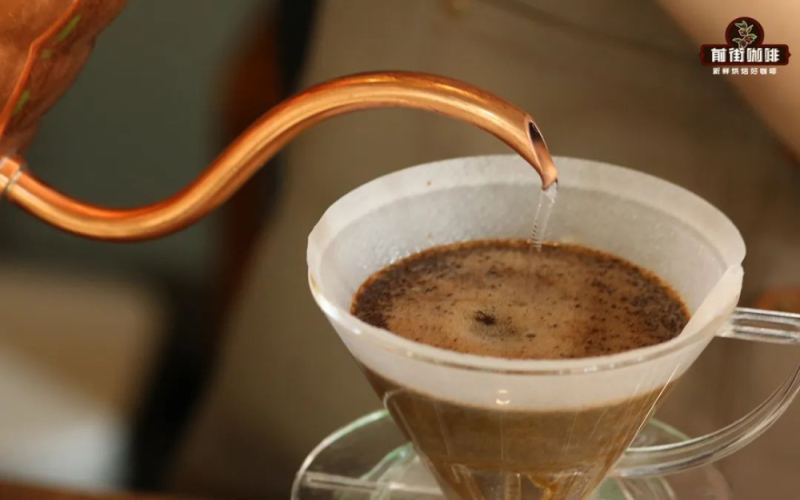
How much does an unlevel coffee brewing device affect extraction results? An in-depth analysis
In the pursuit of an ideal cup of coffee, we often focus on variables such as water temperature, coffee-to-water ratio, and grind size, yet easily overlook a basic but crucial detail—whether the coffee equipment is kept level. In The Science of Coffee Brewing, Scott Rao explicitly points out that keeping the equipment level may seem trivial, but in fact has a decisive impact on the extraction result. When the equipment tilts, the water flow tends toward the lower side due to inertia, causing some coffee grounds to be extracted first, which in turn triggers problems such as channeling, uneven extraction, and even over-extraction. This article will analyze one by one the specific effects of the coffee machine body, the tamping operation, and the levelness of the pour-over dripper on extraction, and provide practical calibration suggestions to help you eliminate this hidden variable in your daily brewing. [more…]
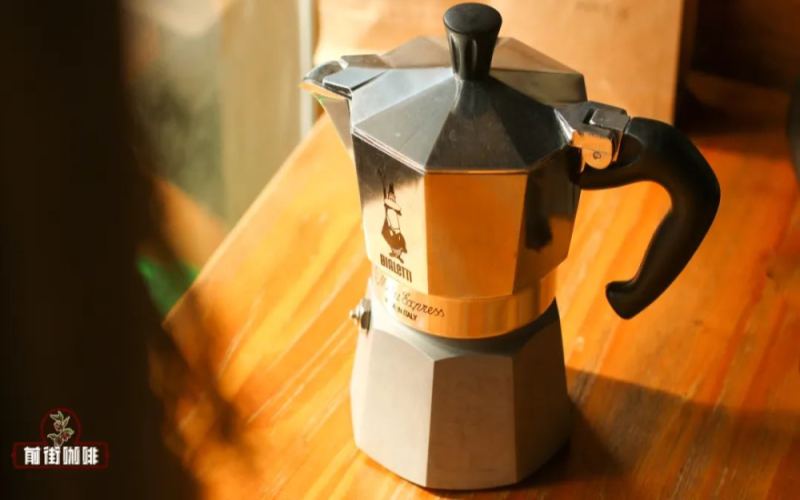
How many cups can a moka pot brew repeatedly? Is heating with an alcohol lamp feasible? Answers to three common questions
The moka pot, like an espresso machine, uses pressurized extraction to produce a strong coffee close to espresso. As coffee culture spreads, more and more people are picking up a moka pot, but beginners inevitably run into all kinds of problems when operating one. In this article, Front Street Coffee rounds up the three most common troubles encountered when using a moka pot: coffee shooting straight out, coffee failing to come out, and brewed coffee with no crema, along with the corresponding cause analysis and solutions for each. It also answers questions such as whether a moka pot can brew multiple cups in a row and whether a Bialetti moka pot can be heated with an alcohol lamp, helping coffee lovers better master this small yet practical device. [more…]
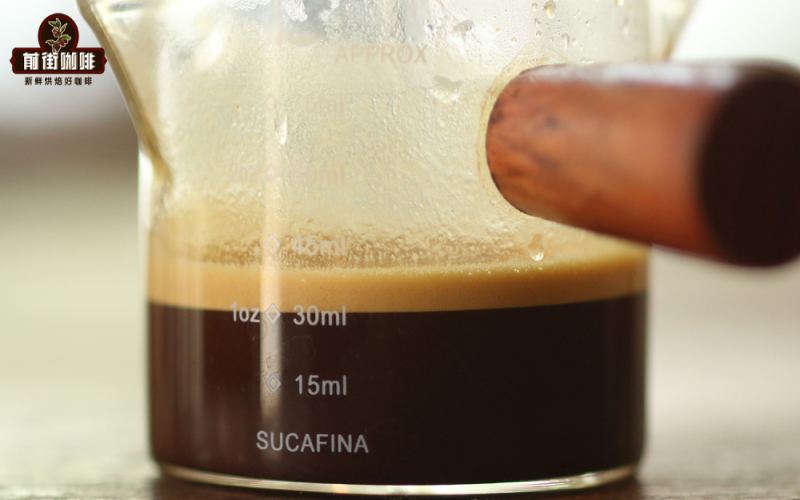
What are the substantive differences between single and double espresso? A full analysis of portafilter basket structure, extraction data, and operation
When ordering an espresso at a coffee shop, you can ask for a single shot or a double shot. On the surface, single and double espressos differ only in volume, but from the barista's operational perspective, this involves two completely different extraction schemes. Portafilter basket capacity, puck structure, and uniformity of pressure distribution can all create noticeable differences in the final product. This article starts from Front Street Coffee's extraction experiments, using specific data to compare the extraction performance of single baskets versus double baskets, explaining why a single espresso is not simply half of a double, and includes a standard double espresso preparation procedure to help you gain a deeper understanding of the intricacies behind this small cup of coffee. [more…]
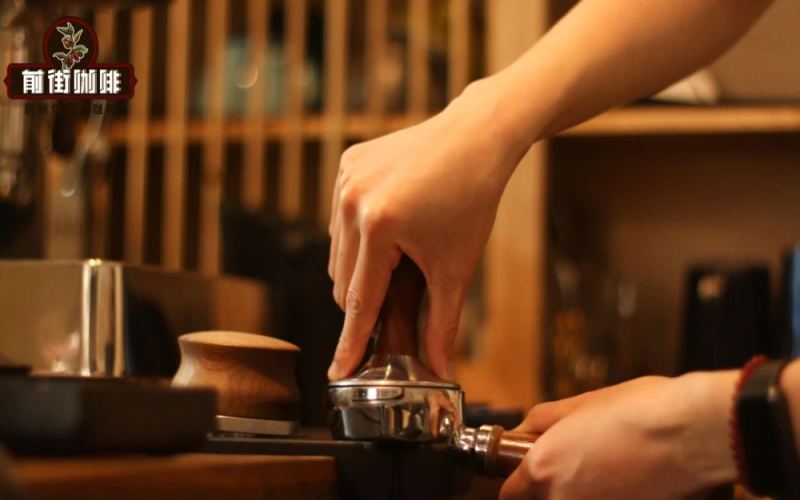
The Correct Guide to Using a Coffee Tamper: A Full Analysis of Espresso Tamping Techniques and French Press Grind Size
Making a proper espresso is impossible without tamping, a step that cannot be skipped. The tamper not only affects the density of the coffee puck but also directly determines whether extraction is even. This article starts from the actual function of the tamper, explains why it comes in so many sizes, and analyzes how different brands, materials, and designs affect its price. It also clears up a common misconception: although a French press has "press" in its name, it is a completely different concept from espresso tamping. The article also includes the specific brewing parameters and flavor description for Front Street Coffee's Strawberry Candy coffee beans in a French press, making it suitable for coffee lovers who want a deeper understanding of tamping and how to use a French press. [more…]
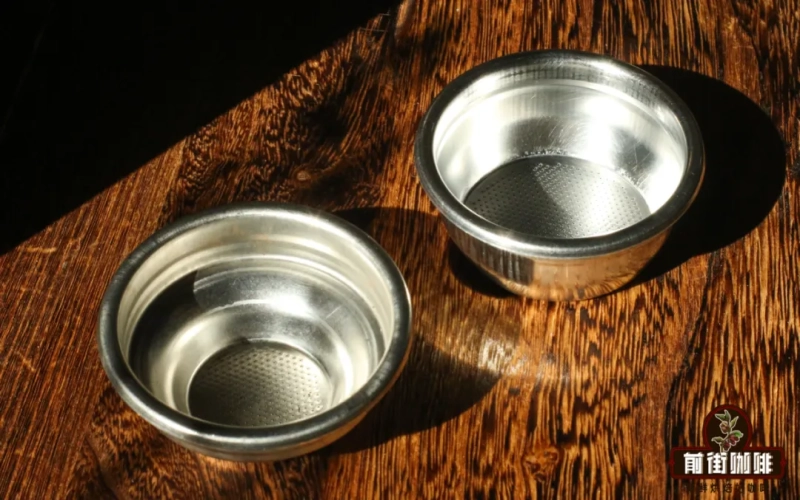
Single vs. Double Portafilter Baskets: Which One Should You Use to Pull a Shot of Espresso?
When ordering at a coffee shop, have you ever noticed the filter basket the barista uses? A single basket typically holds 9–11g of coffee grounds for pulling a single espresso; a double basket can hold 18–22g for a double espresso. But in reality, most cafés would rather use a double basket to pull an extra shot—even pouring half of it down the drain—than switch to a single basket. Why is that? Starting from Front Street's comparative experiments, this article takes a deep dive into the structural differences, extraction performance, and consistency issues of the two baskets, helping you fully understand which basket a single espresso should actually use. [more…]