







Search Results for: splashing

Latte Milk Foam Steaming Tutorial with Illustrations | What Are the Requirements for Milk When Making Latte Art? What Techniques Should Coffee Beginners Pay Attention to When Steaming Milk Foam for Latte Art?
To make latte art look good, choosing the right milk is very important! Front Street Coffee's daily in-store milk coffee offerings all use full-fat fresh milk, because it is rich in protein, lactose, and milk fat. The protein in milk is what makes the milk foam stable. [more…]
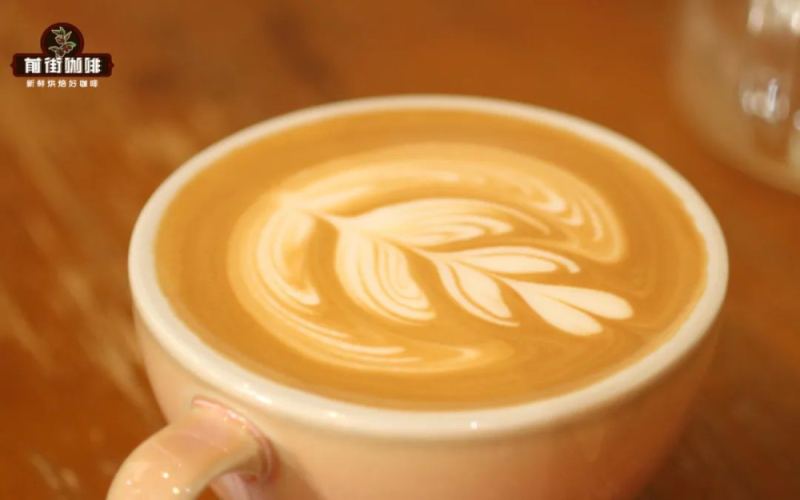
Coffee Basics | What is the standard way to make a Coffee Latte? What is the espresso-to-milk ratio and the thickness of the milk foam for a latte? What are the key points for making latte art?
For more specialty coffee knowledge, please follow our WeChat official account: Front Street Coffee (FrontStreet Coffee). To make beautiful latte art, choosing the right milk is very important! Front Street Coffee (FrontStreet Coffee) uses this for its daily milk coffee offerings: [more…]
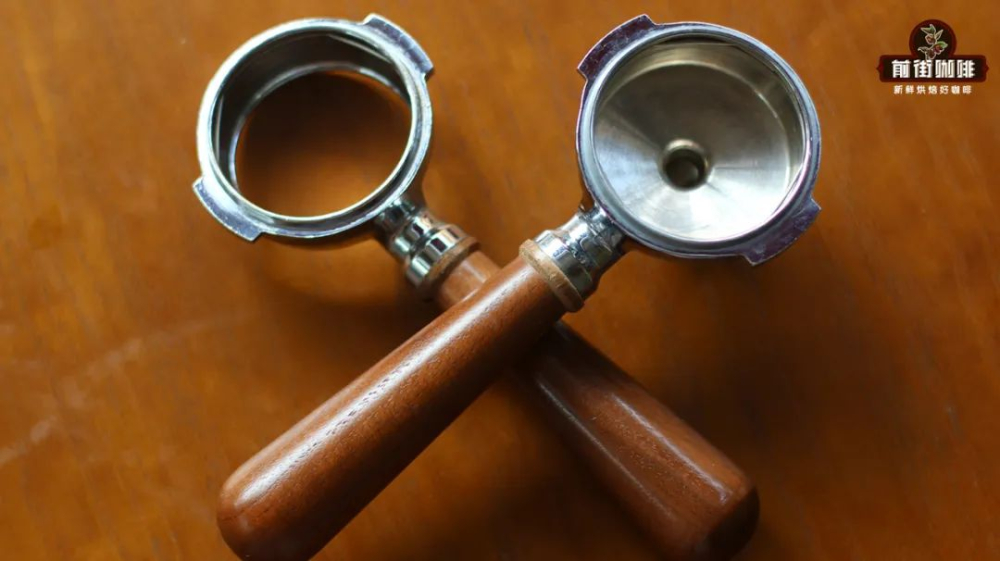
Espresso Bottomless Portafilter | What's the Difference Between a Spouted and Bottomless Portafilter on an Espresso Machine? Which Coffee Portafilter Is Suitable for Coffee Beginners?
For more specialty coffee knowledge, please follow our WeChat official account: Front Street Coffee (FrontStreet Coffee). The coffee extraction portafilter is an important tool for semi-automatic espresso machines. There are mainly two types of coffee portafilters: the first is the bottomed split portafilter, and the second is the bottomless straight-out portafilter. [more…]
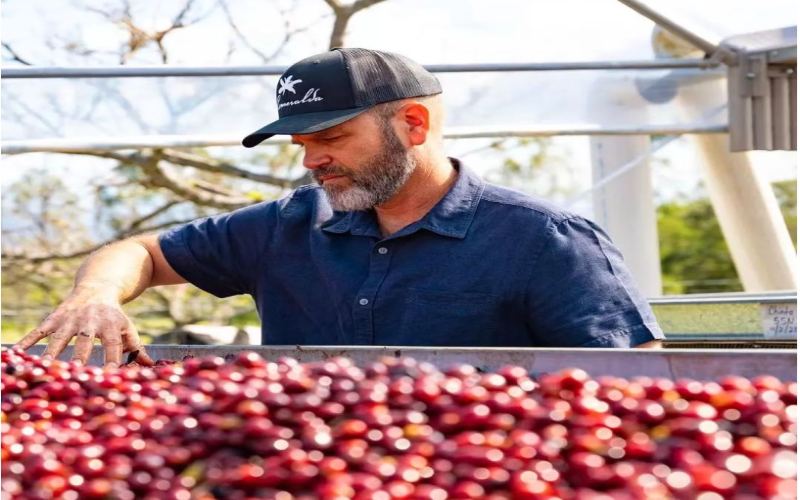
Why is Geisha coffee beans so expensive? Understand the price of Geisha coffee beans.
Geisha has made a big splash in recent years, and under the pursuit of enthusiasts, its price seems to be creating a historical high every year. With this kind of information, exactly what price should the Geisha coffee beans you buy reach before it [more…]

Coffee to Milk Ratio | How does the coffee-to-milk ratio in a latte affect the taste? What's a suitable coffee-to-milk ratio for making a latte at home?
Front Street bets that among all the coffee drinks coffee machine owners make at home, milk coffee must be at the top, and among them, the latte is the undisputed "face" that everyone favors. Because of this, Front Street constantly receives many questions about making lattes at home, such as "what milk is best" and "how [more…]
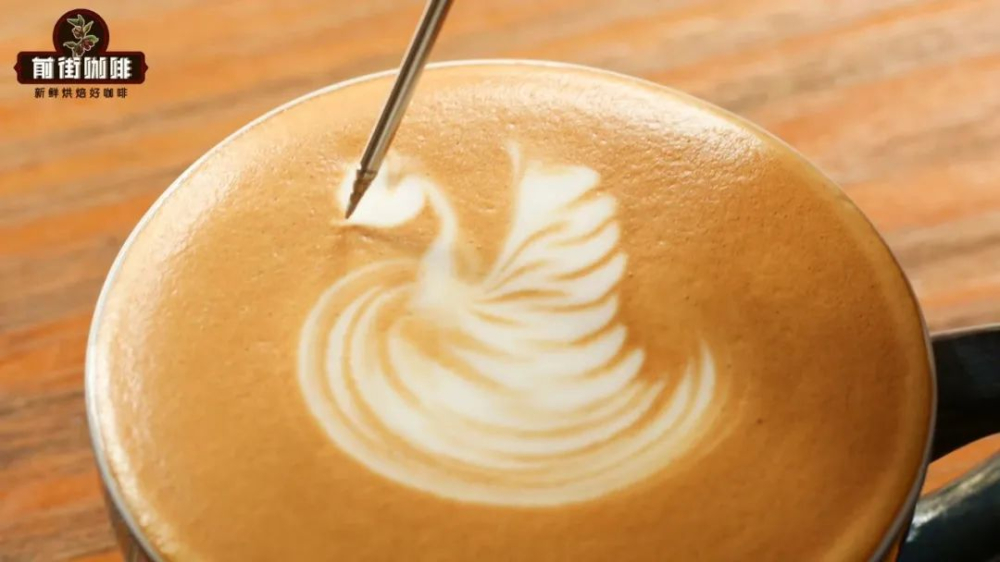
Latte Recipe | Can You Add Ice to a Hot Latte? What Makes a Latte Both Bitter and Weak? How to Adjust Extraction Parameters to Make a Delicious Latte?
I'm not sure if everyone remembers the first time they had a latte—many people probably have long since forgotten—but Front Street Coffee still remembers it vividly. The first glimpse of the delicate latte art was immediately eye-catching; a small sip revealed the faintly sweet aroma and hint of bitterness released by the crema, and by the second sip, the earlier intense bitterness had transformed into [more…]

The Extraction Principle of the Moka Pot | Which Everyday Coffee Beans Are Suitable for Moka Pot Brewing? What Recommendations Are There for High-Cost-Performance Specialty Coffee Beans That Are Neither Sour Nor Bitter?
The biggest advantage of a moka pot is how simple it is to use! It's great for beginners making coffee, and also for experts who want to experiment with the coffee-to-water ratio and extraction level. The pot consists of three parts, and it only takes three steps from start to finish: add water, add coffee grounds, and heat, and you can extract a shot of espresso. When we heat the moka pot, the water in the bottom chamber heats up first. [more…]
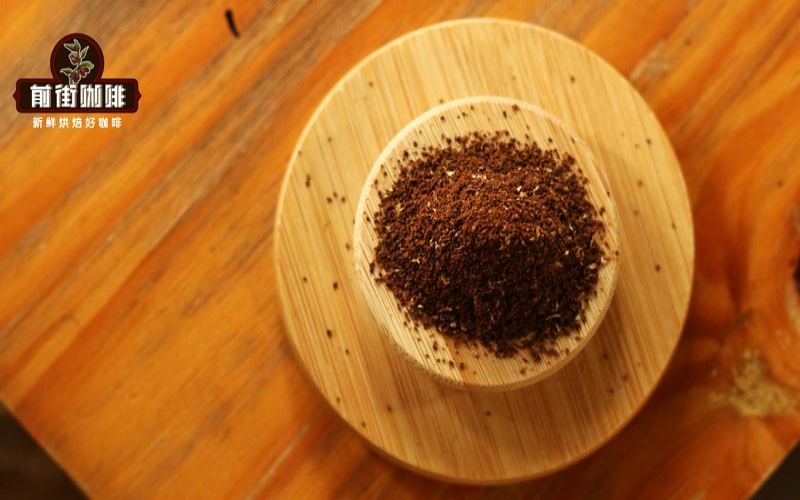
A Pour-Over Roast Map: How to Drink from Light to Dark Roasts
Even with the same hand-brewed coffee beans, different roast colors shift where the flavor lands on the palate. Light roasts tend to preserve the floral and fruity notes of the origin, medium roasts often bridge acidity, sweetness, aroma, and mouthfeel, while dark roasts develop cocoa, nutty, and roasted notes. First understand this line of change, then compare it with your own drinking habits and choose [more…]
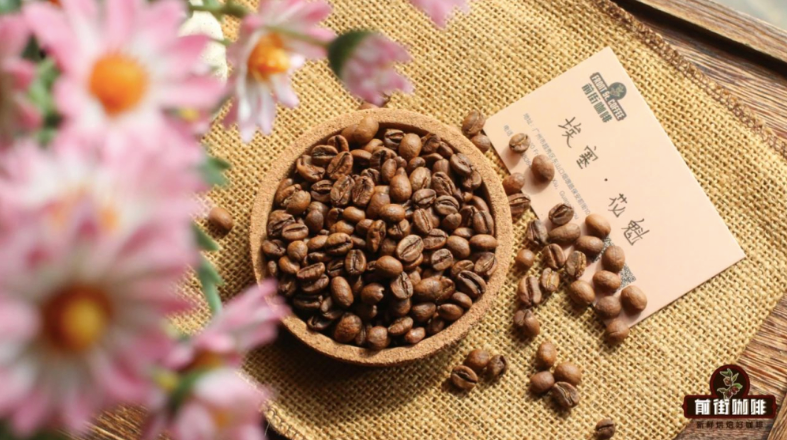
Drip Bag Coffee Powder-to-Water Ratio | How to Brew Filter Coffee Bags for Better Taste? What Techniques Are There for Brewing Drip Bag Coffee? How Many Flavors Do Drip Coffee Bags Come In?
Recently, many friends have purchased drip bag coffee and asked for brewing recommendations. Today, the barista from Front Street Coffee is here to share a method for brewing drip bag coffee. You should know that a delicious cup of coffee first depends on good beans. Here, Front Street briefly lists a few suitable [more…]
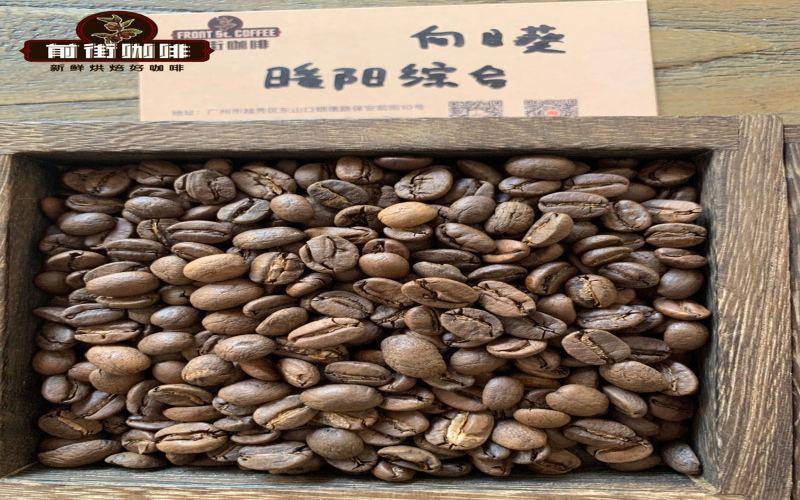
Roast level differences in light roasts: how to choose among three styles
Light-roast coffee beans are not a category with a fixed flavor profile. Even when they are all labeled "light roast," the cup may present bright floral notes, or the sweetness of ripe fruit, or even a tea-like character with citrusy acidity. To judge whether a bean suits you, you can first look at its specific roast level within the light-roast range, and then decide how to brew it. [more…]
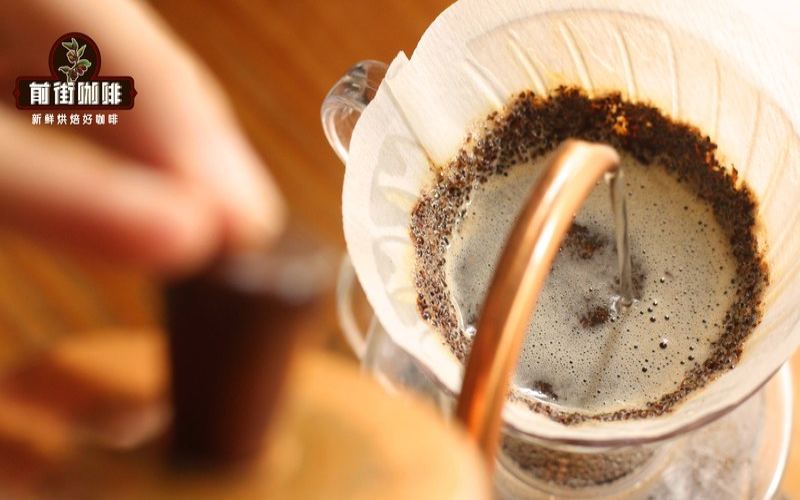
Aromatic Moka Pot Coffee Beans: Choose by Roast Level Like This
Coffee brewed with a moka pot has concentrated aroma and a full body, making it especially suitable for those who enjoy nutty, cocoa, caramel, and roasted notes. The roast level of the beans determines whether this richness leans closer to floral and fruity notes, caramel sweetness, or the heavy depth of dark chocolate. If you want to brew coffee at home that has a commanding aroma yet doesn't taste rough on the palate, [more…]
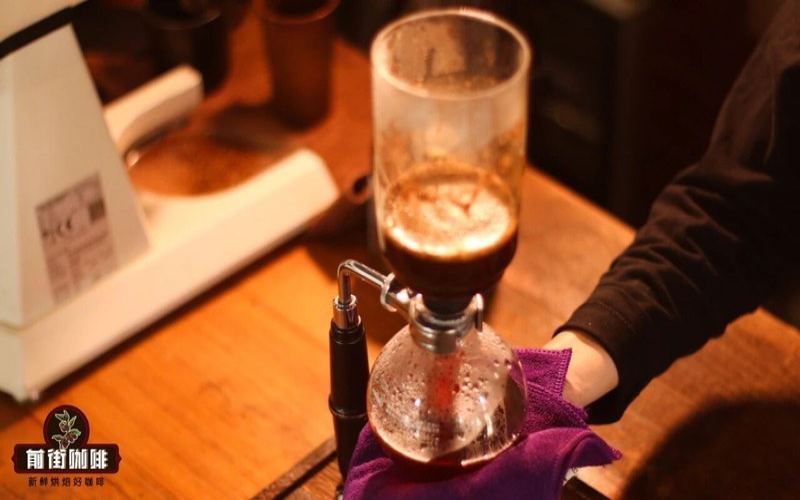
Light, Medium, and Dark Roasts: How to Choose Coffee Beans for Pour-Over
The roast level of hand-brewed coffee beans determines the balance of aroma, sweetness, and mouthfeel in the cup. Light roasts tend to bring floral notes and fruity acidity to the forefront, medium roasts often deliver gentle sweetness and a fuller body, while dark roasts push cocoa, nutty, and roasted notes forward. To shop with confidence, you can start with the roast level you're willing to accept. [more…]
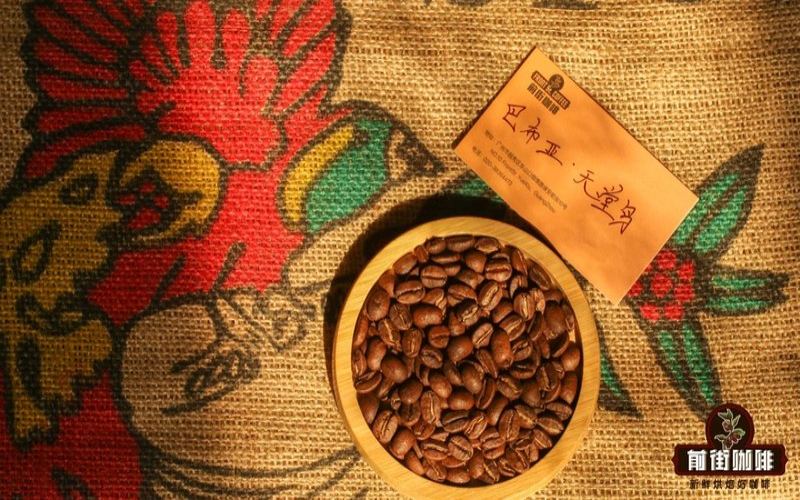
Choosing single-origin pour-over beans that are neither sour nor bitter based on roast level
If you want a single-origin pour-over with soft acidity and a bitterness that doesn't steal the show, roast level is a very practical place to start. A light roast preserves floral and fruity notes, but it may come across as bright; a medium roast more easily brings out sweetness and roundness; a dark roast offers cocoa, nuts, and a fuller body. The key is not to chase the absence of acidity or bitterness, but to let both sensations land in [more…]
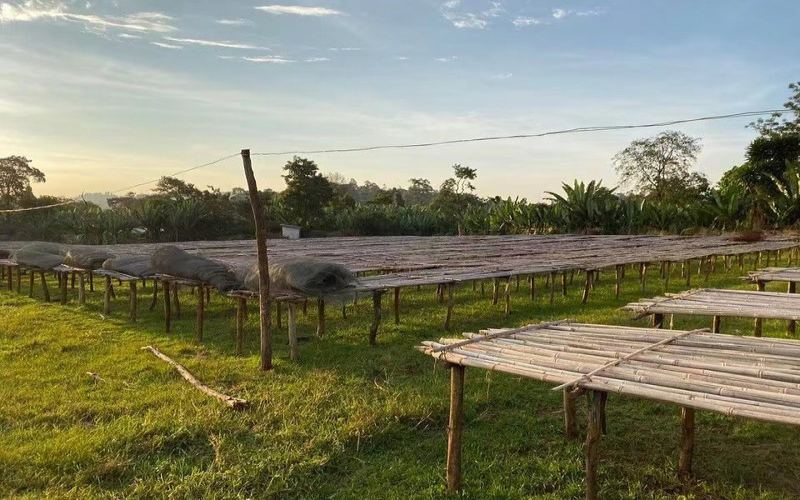
How to Choose Everyday Beans for a Moka Pot: Roast Level Determines the Cup
Coffee brewed in a moka pot is usually more concentrated than filter coffee, with a noticeable weight on the palate. As the roast level of the beans changes, the acidity, sweetness, aroma, and finish in the cup shift accordingly. If you're looking for a daily-drinker staple bean, start by checking the roast direction on the packaging, then decide whether you more often drink your coffee black or [more…]
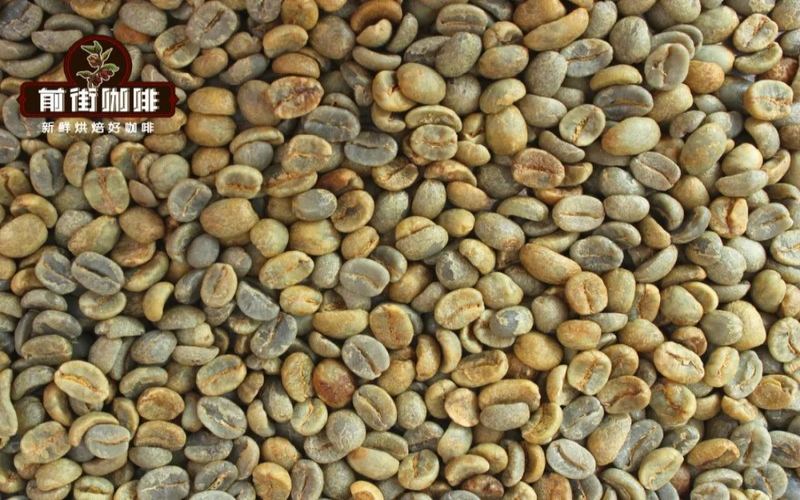
Cocoa-flavored moka pot beans, even more fragrant when enjoyed at the right time.
If you want to taste flavors like cocoa, nuts, and caramel from a moka pot, don't just look at the flavor labels when buying beans—pay attention to the roast date and how quickly you open and finish the bag. When coffee beans first leave the roaster, they still hold a large amount of carbon dioxide internally, and their aroma hasn't yet stabilized; leave them too long, and the aroma and sweetness gradually fade. When choosing and drinking beans, [more…]
Light Roast vs. Dark Roast in a Moka Pot: Here's the Difference
With the same Bialetti moka pot, swapping in beans of different roast levels will change the acidity, sweetness, body, and aroma in your cup. Light-roasted beans are more likely to bring out fruity acidity and bright aromas, medium-roasted beans strike a better balance between sweetness and body, while dark-roasted beans lean more toward cocoa, nutty, and roasted notes. First look at the roast level, then decide your [more…]
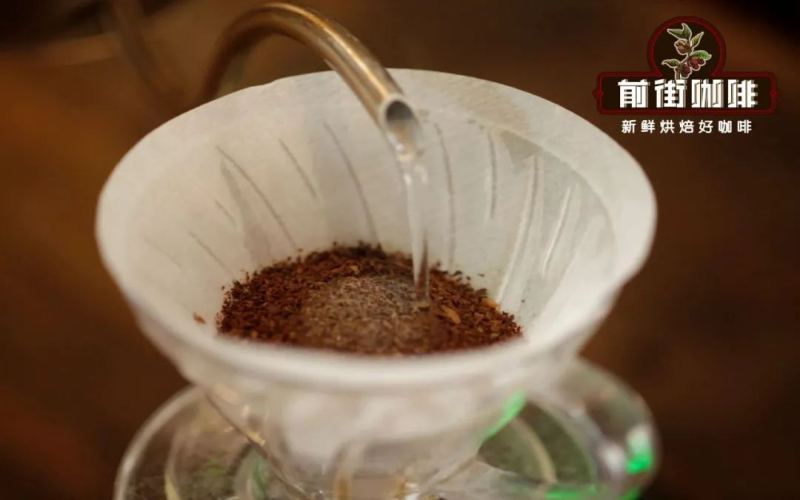
The Role of Blooming | What Does Blooming Mean in Hand-Pour Coffee? The Impact of Blooming on Coffee
Blooming is a crucial step in coffee brewing. To get straight to the point, blooming plays a vital role in determining whether the brewed coffee tastes good or not. The blooming process can even indicate whether the cup of coffee will be enjoyable, and a proper bloom can even enhance the flavor and mouthfeel of the coffee. Blooming is the starting point of brewing a pour-over coffee; if this step goes wrong, the subsequent... [more…]

Rwanda Coffee | What are the characteristics of Rwanda's coffee-producing regions? How to describe the flavor and mouthfeel of Nanshike washed Red Bourbon coffee beans?
When it comes to African coffee-producing countries, Front Street believes that places like "Ethiopia," "Tanzania," or "Kenya" are the first that come to everyone's mind. But beyond these well-known major countries, Africa also has quite a few small countries producing high-quality coffee! For example, what Front Street is going to share today [more…]
How to Choose Everyday Espresso Beans: A Flavor Guide from Light to Dark Roast
For everyday espresso beans, you don't have to fixate on "strong" or "bitter." The roast level shapes the aroma profile, sweetness, and the body of the espresso, and it also determines whether the coffee can hold its own once water, ice, or milk is added. If you want your daily coffee to be easy to drink, you can start by looking at light, medium, medium-dark, and dark roasts. [more…]

Light Roast SOE Coffee Bean Recommendations | Is Yirgacheffe Coffee Bean Good for SOE Latte? How to Make a Coffee Shop-Style Yirgacheffe SOE Latte?
For more specialty coffee knowledge, please follow: Front Street Coffee (FrontStreet Coffee). Front Street has found that many people assume SOE simply means applying single-origin beans directly to espresso machine extraction, thereby creating a single-origin espresso series—until they take various floral and fruity flavor notes [more…]