







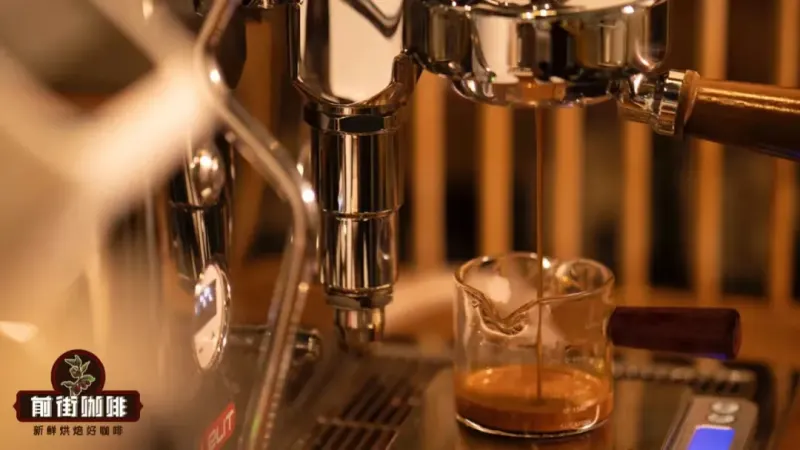
How do you fix astringent coffee with espresso pressure and grind size?
Normal espresso extraction pressure sits around 9 bar. If a home machine only reaches 5 to 7 bar, the puck resistance is too low and the shot comes out weak, sour, and astringent. The fix is usually a finer grind, more coffee in the basket, or a firmer, level tamp, rather than a machine fault.
Espresso uses pressurized extraction, which is why it finishes in seconds and builds crema, unlike pour-over or French press. Pressure is the force the water flow puts on the puck, and the puck sets the upper limit. Adjust grind size first, then dose, then tamping force, and check pressure again after each change.
The biggest difference between espresso machines and brewing methods like pour-over and French press is that they use pressurized extraction. It is precisely the presence of pressure that allows espresso to complete extraction in an extremely short time and form that iconic golden layer of Crema. Generally speaking, the extraction pressure of a coffee machine fluctuates around 9 bar, but many home espresso machine users find that the pressure struggles to climb to 9 bar, often staying between 5 bar and 7 bar, resulting in weak, sour, and astringent coffee. The key behind this actually lies in whether the puck resistance is sufficient. This article will analyze the reasons for insufficient pressure and provide specific adjustment suggestions from three aspects—grind size, dose, and tamping force—to help you extract rich and balanced espresso at home.
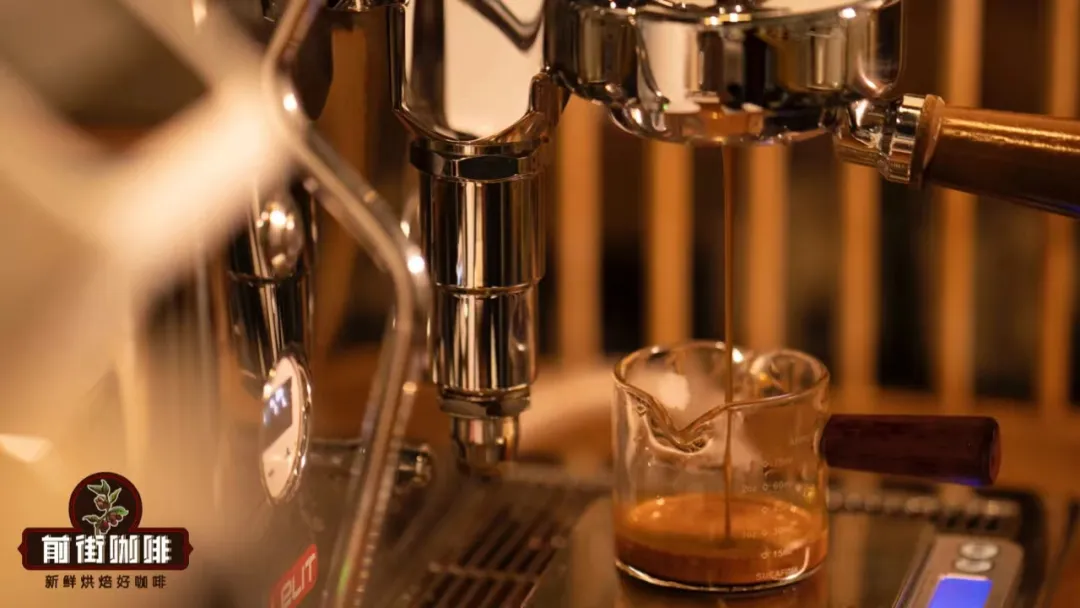
Quick question! What is the biggest difference between espresso machines and other brewing methods—such as pour-over, French press, and siphon?
The answer is pressure. Espresso follows the path of pressurized extraction, while other methods basically belong to atmospheric pressure extraction. It is precisely because of the added pressure that espresso can complete extraction in an extremely short time. And that golden layer of Crema on the surface of espresso is also a product unique to pressurized extraction. From this, it is clear that pressure is a fairly core parameter for espresso machines.
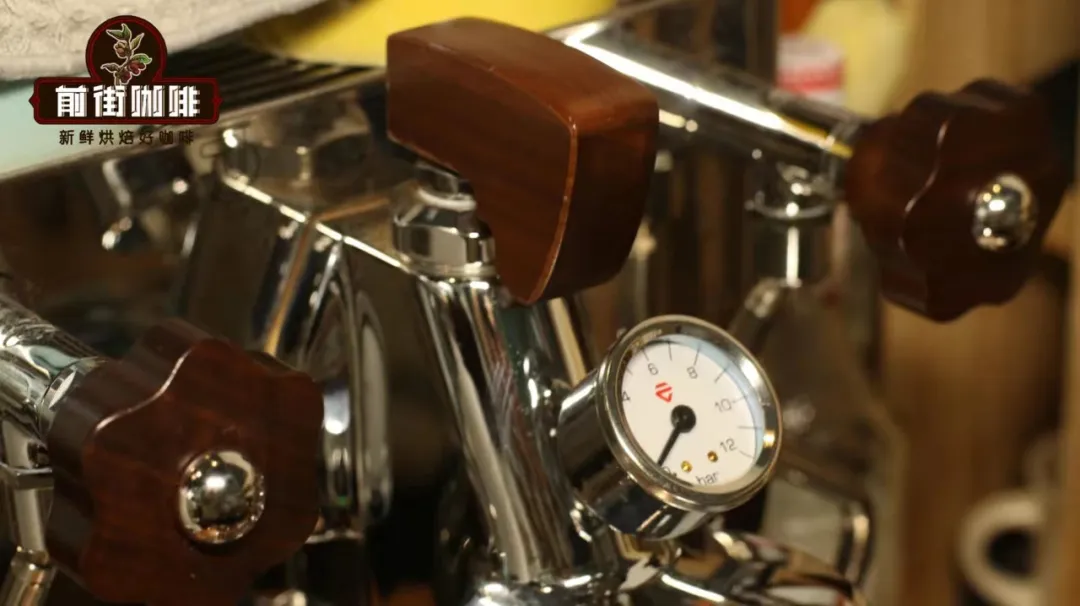
Normally, the extraction pressure of a coffee machine fluctuates around 9 bar. Within this range, espresso can be extracted quickly while maintaining a rich and full-bodied flavor. However, many friends who have just gotten their hands on home espresso machines report that during actual extraction, the pressure struggles to climb to 9 bar and instead hovers between 5 bar and 7 bar, and the resulting coffee is weak as water with a prominent sour and astringent taste. So why does this happen?
Why won't the pressure go up during extraction?
Let's first talk about what "pressure" is. In physics, pressure refers to the perpendicular force generated between the contact surfaces of two objects—simply put, it is the force applied to the surface when objects press against each other. Applied to a coffee machine, it is the force that water flow exerts on the puck.
The upper limit of pressure is mainly determined by the puck resistance. The greater the puck resistance, the harder it is for hot water to penetrate, and the higher the pressure needed, so the coffee machine will accordingly provide greater pressure. Conversely, if the puck resistance is insufficient, hot water can easily pass through, and at this point even if the coffee machine wants to increase pressure, it is powerless to do so. Therefore, the magnitude of puck resistance is very critical.
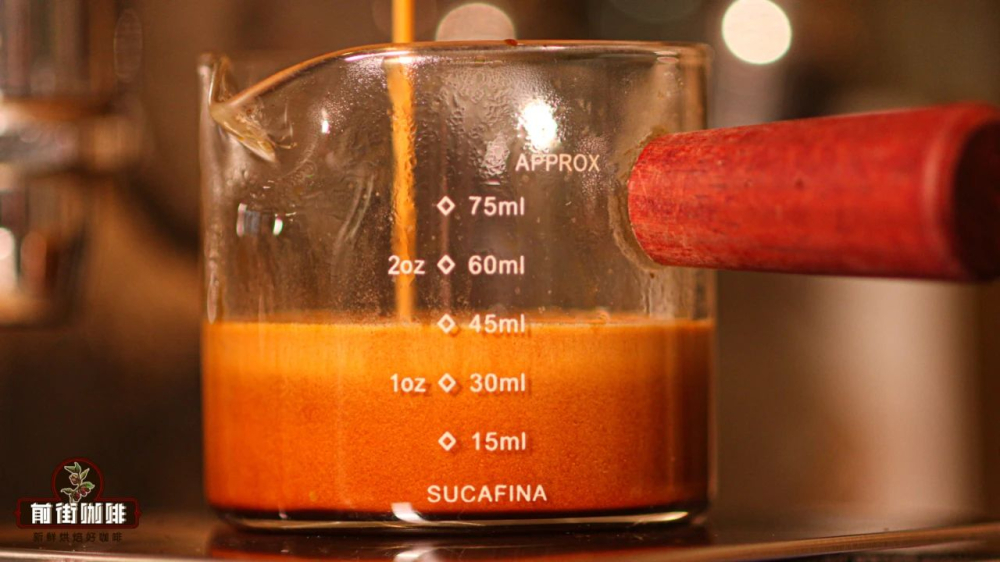
When hot water can quickly penetrate the puck, it means the contact time between water and coffee grounds is compressed. Without sufficient pressure assistance, extraction efficiency drops significantly, and the same liquid volume cannot fully bring out the flavor compounds in the coffee, so the coffee naturally tastes weak and sharply sour. Therefore, if you want to extract enough flavor in a short time, you must increase the puck resistance so that extraction efficiency returns to normal levels. You can first take a guess at what methods can increase puck resistance, then check your answers with Front Street Coffee.
1. Adjust to a finer grind
Many times, the root cause of insufficient puck resistance and the coffee machine's inability to build pressure is simply that the grind size was not set correctly.
Generally speaking, espresso beans can be divided into two categories by roast level. Represented by medium-dark roasts, Front Street Coffee. Front Street Classic Blend (butter, dark chocolate) and Front Street Coffee. Commercial Blend (caramel, roasted nuts), because they expand more noticeably when heated and absorb water better, can be ground coarser during extraction;
Medium-roast coffee beans, mainly single-origin beans such as Front Street Coffee. Huakui SOE and Front Street Coffee. Sun-Dried Red Cherry SOE, have shorter heating times and a harder texture, so they need to be ground finer to achieve full extraction.
When the coffee particle size is too coarse, the gaps between particles become larger, giving hot water plenty of space to flow through, so naturally high pressure is not needed for extraction. Adjusting to a finer grind is the most direct solution. How much to adjust specifically needs to be judged based on the current extraction time. When the espresso extraction time deviates too much from the target time in the formula, the more notches you need to adjust finer.
2. Increase the dose
Besides grind size, the dose used is also an important factor. Some friends may deliberately reduce the dose because they don't want to consume too much caffeine. But you should know that every portafilter basket has a recommended dose range, and this limit exists to ensure a reasonable space between the puck and the group head—too little won't do, and too much won't do either.
When the actual dose is far below the basket's recommended dose, not only does the distance between the puck and the group head become greater, but the thickness of the coffee bed is also greatly reduced. With less coffee for hot water to pass through, it can naturally break through the puck more quickly, and the coffee machine does not need to provide very high pressure. Therefore, dose is also a parameter that can determine the upper pressure limit. Try to use the basket's recommended dose; if the gap is too large, Front Street Coffee suggests that switching baskets would be more appropriate.
3. Tamping force
Don't underestimate the tamping step. The purpose of tamping is to make the coffee particles bind more tightly together, so that the coffee grounds can coalesce into a solid mass and create resistance. If not enough force is applied during tamping, the puck cannot take shape, and the loose coffee grounds will leave many channels for hot water to flow through. Since there is no resistance, naturally no pressure is needed to break through. So when tamping, you must apply enough force, so that the coffee machine has room to provide pressure.
Beyond these conventional practices, the choice of basket can also change the coffee machine's upper pressure limit. The number and size of the basket's holes can both control the flow rate of hot water, thereby affecting the coffee machine's pressure. But in the absence of special extraction requirements, we only need to pay attention to the three factors mentioned above.
The above content is compiled by CoffeeHunters, a coffee news website.


