







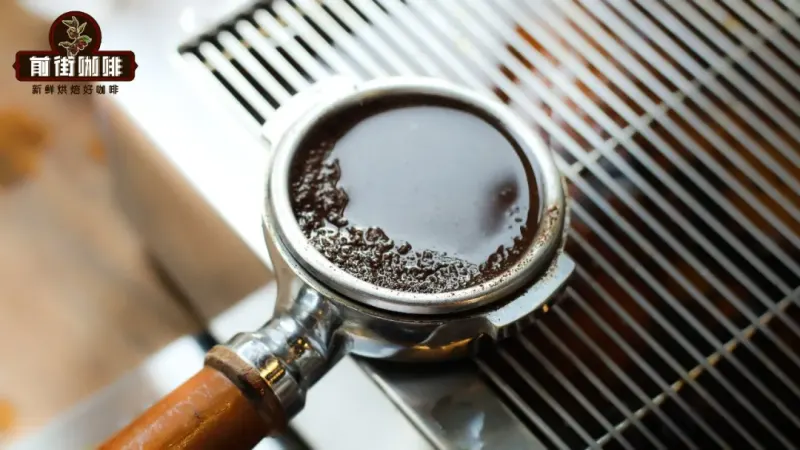
Understanding Water Pooling in Espresso Portafilters
After pulling a shot, finding standing water in the portafilter basket and a soggy puck is a common issue for coffee enthusiasts. This article breaks down the usual causes: too little coffee grounds, improper grind size, and unstable pressure from the espresso machine. Water pooling reflects extraction parameters and machine condition, but it doesn't necessarily mean the coffee tastes bad. What matters for flavor is the parameter error itself.
If your espresso tastes off, adjust the dose or grind setting to correct the flavor rather than focusing on the water pooling. Normally, after extraction, little water remains because the machine's pressure release mechanism draws residual hot water back out. Pooling means that water wasn't fully removed. Factors include using too little coffee grounds, which creates a larger gap and requires more water to build pressure.
After pulling an espresso shot, finding standing water in the portafilter basket and a wet, mushy puck that won't hold its shape is a common frustration for many coffee enthusiasts. This article systematically breaks down the common causes of water pooling in the portafilter basket: too little coffee grounds, grinding too coarse or too fine, and unstable pressure delivery from the espresso machine. The article points out that water pooling is essentially a reflection of extraction parameters and machine condition, and doesn't necessarily mean the coffee tastes bad; what truly affects flavor is the parameter error itself. Front Street Coffee recommends that if the taste is off, you should prioritize adjusting the dose or grind setting to correct the coffee's flavor, rather than simply fixating on the water pooling.
(Exaggerated)
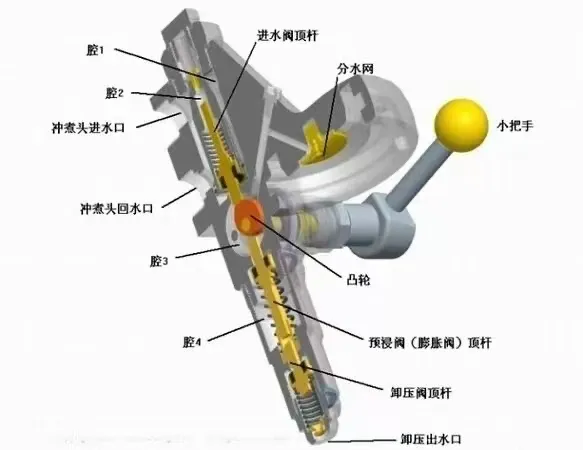
Actually, it's quite normal for this friend to have questions, because in the vast majority of cases, after espresso extraction is complete, not much water remains in the portafilter basket, and the knocked-out puck is usually intact and appropriately dry. There are many causes of water pooling in the portafilter basket, most of which are related to technique, with a few stemming from the coffee itself. Generally speaking, the reason the portafilter basket doesn't retain water after extraction is that the espresso machine's pressure release mechanism draws the residual hot water back out of the basket.
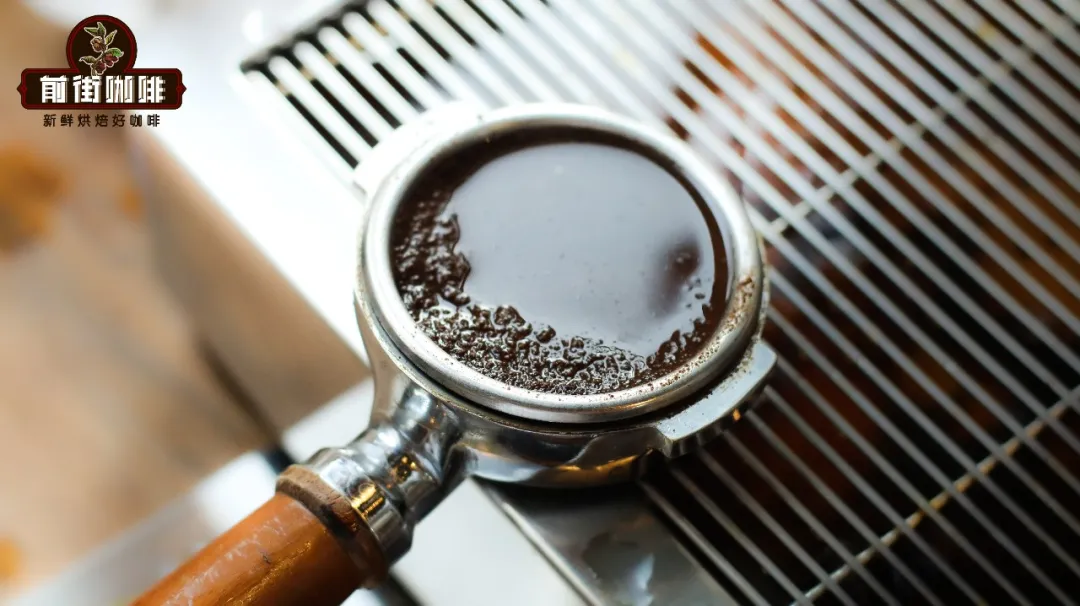
During espresso extraction, the espresso machine outputs pressure based on the resistance created by the puck. Once extraction stops, the pressure release valve opens to release pressure, and the hot water trapped in the portafilter basket is then sucked back and discharged. But if you notice water pooling in the basket, it means the hot water wasn't fully drawn out during pressure release. There are many factors that can cause this, for example—using too little coffee grounds.
Using too little coffee grounds
If the dose of coffee grounds filled into the portafilter basket matches the basket's recommended value, and the grind setting is normal, there will be a gap between the puck and the group head. When extraction begins, the espresso machine first injects hot water to fill this space, and only then applies pressure to the hot water. However, if the actual dose is far below the recommended dose, this gap becomes significantly larger, and the machine needs to inject more hot water to build extraction pressure. As a result, when pressure is released at the end of extraction, because there's too much water, the pressure release system can't draw all the hot water back, and water pooling occurs.
If the coffee flavor isn't abnormal, this situation actually doesn't need to be worried about. But if the extracted coffee flavor is unsatisfactory, Front Street Coffee recommends improving the taste by increasing the dose or adjusting parameters. Note that this is about correcting the coffee's flavor, not solving the water pooling itself—because from this we can see that water pooling caused by certain reasons doesn't affect the coffee's taste.
Grinding too coarse/too fine
Additionally, grinding coffee too coarse or too fine can also cause water pooling in the portafilter basket. When grinding is too coarse, the puck doesn't provide enough resistance, making it difficult for the espresso machine to apply sufficient pressure, so naturally there isn't enough suction to fully drain the hot water during pressure release;
And when grinding is too fine, hot water passes through the coffee bed more slowly, and at the end of extraction some hot water may not have passed through the coffee layer yet, resulting in a higher moisture content in the puck. When the moisture content exceeds a certain limit, the puck becomes soggy, and noticeable water pooling can be seen when removing the portafilter handle. Same as the previous point, as long as the coffee tastes normal, this situation doesn't need excessive concern either. Unless, as Front Street Coffee says, the coffee is too bitter or too sour—then you have to adjust parameters to correct the flavor.

Espresso machine issues
The last thing to mention is the espresso machine's own issues. If the espresso machine's pressure delivery isn't stable enough, fluctuating up and down, or simply can't reach sufficient pressure, it can also cause water pooling.
Insufficient preheating, poor machine quality, and malfunctions are three common causes of unstable pressure. Which one it specifically is still needs to be judged based on the actual extraction situation.
The above are the common factors that cause water pooling in the portafilter basket. Front Street Coffee still needs to emphasize once again: it's not that coffee will necessarily taste bad just because water pooling occurs—what truly affects flavor is that you used incorrect extraction parameters. Water pooling more reflects parameter settings and machine condition, and in many cases has no direct connection to coffee flavor. So never completely equate the two, to avoid falling into a cognitive misunderstanding.
- END -
The above content is compiled by CoffeeHunters, a coffee news website.


