







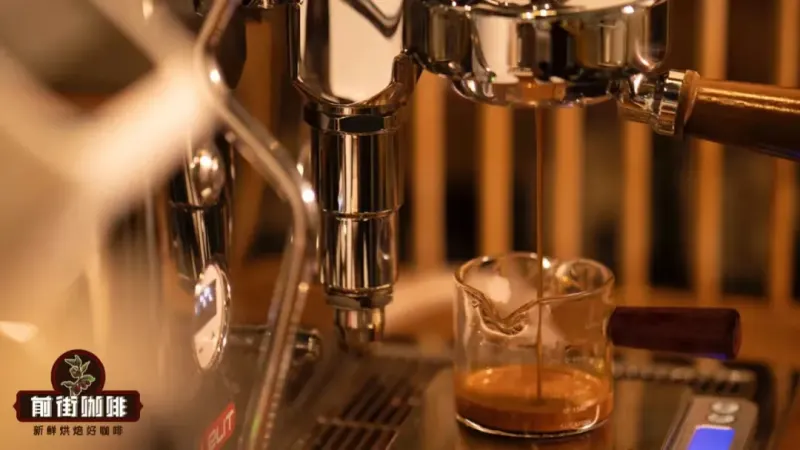
Why does low pressure cause astringent coffee?
Home espresso machines that hover between 5 and 7 bar instead of the ideal 9 bar produce weak, sour, astringent coffee. The cause is puck resistance: when the bed of grounds resists water flow too little, pressure never builds. Three fixes work together, grinding finer, increasing the dose, and tamping harder.
Espresso differs from pour-over, French press, and siphon because it relies on pressure extraction, which also creates the crema. Professional coffee machines run around 9 bar and finish the shot quickly. Grind also needs adjusting for different roast levels, since darker beans flow faster and lighter beans need a finer setting to reach pressure.
The biggest difference between espresso and brewing methods that operate at atmospheric pressure, such as pour-over and French press, is that espresso relies on pressure extraction. Pressure not only determines whether coffee can be extracted in a short time, but also directly affects the formation of the golden Crema on the surface of the shot. Many home espresso machine users find that their machine's pressure hovers between 5 and 7 bar and struggles to reach the ideal 9 bar, resulting in weak, sour, and astringent coffee. Starting from the core concept of puck resistance, this article analyzes the root causes of insufficient pressure and offers three actionable solutions: grinding finer, increasing the dose, and tamping harder. It also explains how to adjust the grind for espresso beans of different roast levels, helping you consistently extract rich, balanced espresso at home.
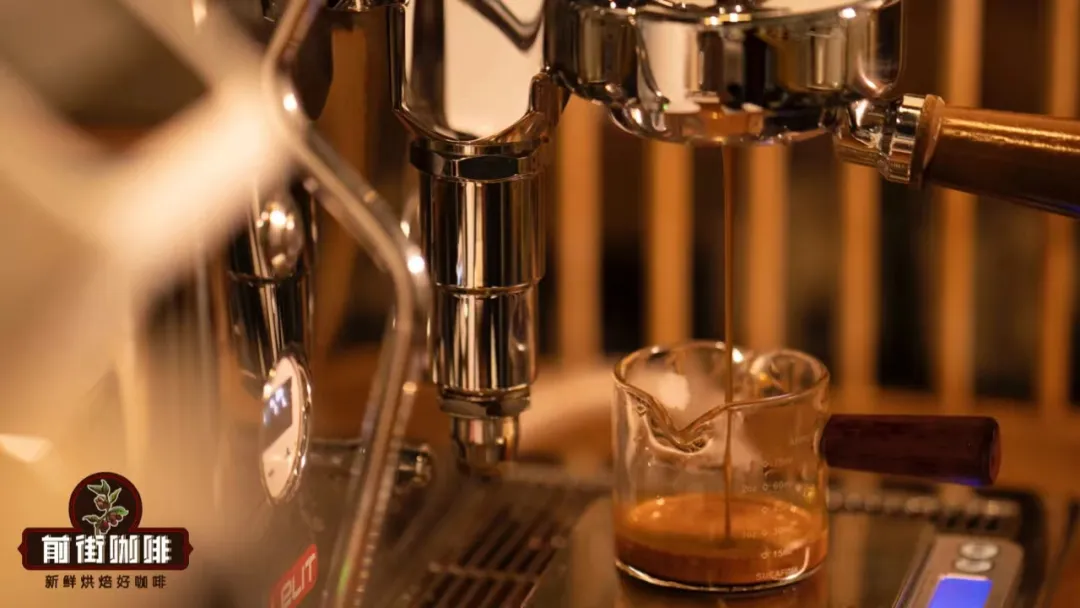
Compared with brewing methods such as pour-over, French press, and siphon, where does the most fundamental difference of an espresso machine lie?
The answer is pressure. The former uses pressure extraction, while the latter uses atmospheric pressure extraction. It is precisely the involvement of pressure that allows espresso to complete extraction in an extremely short time, and the golden Crema on the surface of the shot is also a product unique to pressure extraction. It can thus be seen that pressure is a core parameter that cannot be ignored for an espresso machine.
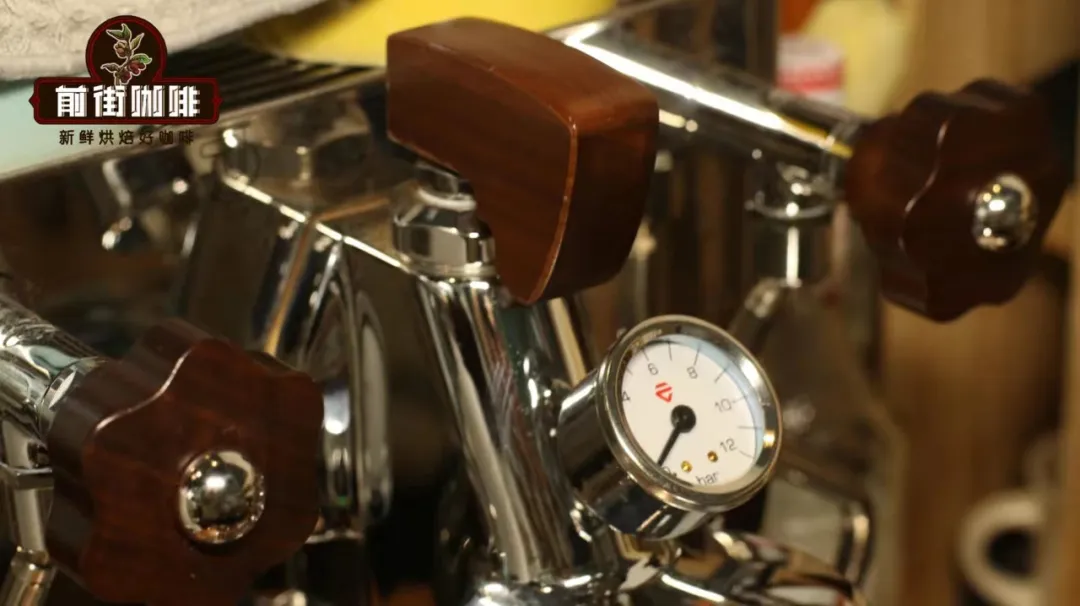
Generally speaking, the extraction pressure of professional-grade coffee machines fluctuates around 9 bar. Within this range, espresso can be extracted quickly and is also concentrated enough. However, many friends who have just purchased a home espresso machine report that during actual extraction, the pressure is difficult to climb to 9 bar and remains between 5 bar and 7 bar for a long time, yielding coffee liquid that is as bland as water with an obvious sour and astringent taste. Why exactly is this?
Why is the extraction pressure too low?
First, let us understand "pressure" itself. In physics, pressure is defined as the force generated on the contact surface between two objects. In plain terms, it is the force that acts perpendicularly on a surface due to objects pressing against each other. In a coffee machine, pressure refers to the force that the water flow applies to the puck.
The upper limit of pressure is mainly determined by puck resistance. The greater the puck resistance, the harder it is for hot water to penetrate, the higher the pressure required, and the machine will naturally output greater pressure. Conversely, if the puck resistance is insufficient, hot water can pass through the puck effortlessly, and at this point even if the coffee machine wants to increase pressure, it cannot. Therefore, the level of puck resistance is the key.
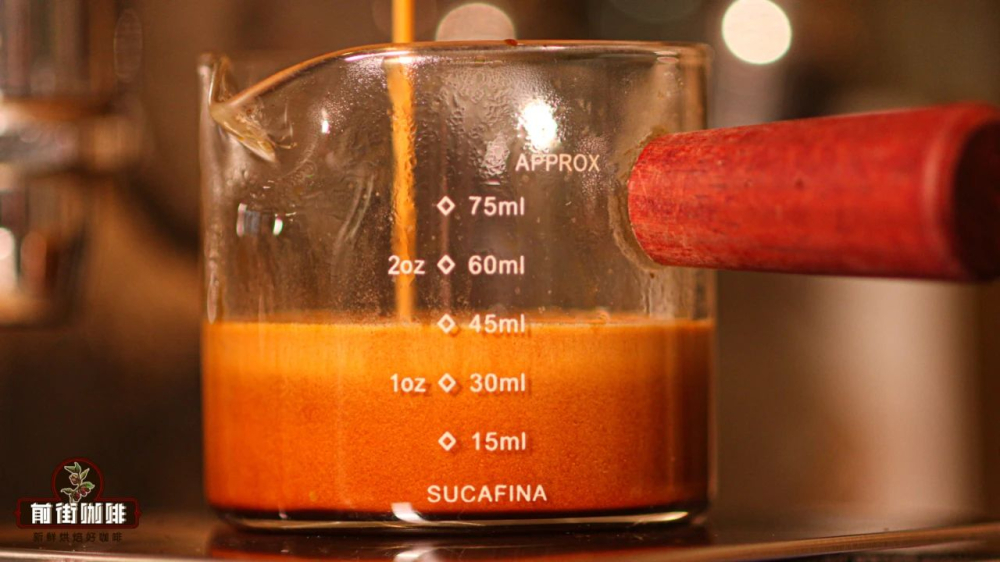
When hot water can quickly penetrate the puck, the contact time between water and coffee grounds is compressed. Without the assistance of pressure, extraction efficiency drops noticeably, and the same liquid volume cannot fully bring out the flavor compounds in the coffee. As a result, the coffee shows negative characteristics such as blandness and sharp acidity. So, if you want to extract enough flavor in a short time, you must increase puck resistance and thereby improve extraction efficiency. Take a moment to think for yourself about what ways can increase puck resistance, then compare them with the text below.
1. Grind finer.
In many cases, the root cause of insufficient puck resistance and the machine's inability to build pressure is that the grind setting was not chosen correctly.
Espresso beans can be roughly divided into two categories by roast level. The best choice for home espresso machines is medium-dark roasted espresso beans. Beginners can choose Front Street Coffee. Front Street Classic Blend (butter, dark chocolate), Front Street. Commercial Blend (caramel, roasted nuts), Front Street. Black Cocoa, an espresso bean recommended by many baristas - Front Street Black Cocoa Blend (cream, peanut, chocolate). This type of bean expands more noticeably when heated and absorbs water better, so the grind for extraction can be coarser;
The other category is medium-roasted Front Street. Huakui SOE and Front Street. Strawberry Candy Espresso. Because they need to highlight delicate floral and fruity aromas such as berries, flowers, and grapes, they are heated for a shorter time and have a harder texture, so they must be ground finer to achieve full extraction.
When the coffee particle size is too coarse, the gaps between particles are larger, hot water has ample space to flow through, and naturally no high pressure is needed to break through. Grinding finer is the most direct response. The specific adjustment range should be judged in combination with the current extraction time. The greater the gap between the espresso extraction time and the target formula, the more notches finer you need to adjust.
2. Increase the dose.
In addition to grind size, the dose used is equally important. Some friends deliberately reduce the dose to cut caffeine intake, but you should know that every basket has a recommended dose range. This limit exists to ensure a reasonable gap between the puck and the group head; too little or too much is unsuitable.
When the actual dose is far below the basket's recommended value, the distance between the puck and the group head is increased, and the thickness of the coffee bed shrinks greatly. The amount of coffee that hot water needs to pass through decreases, so it can break through the puck more quickly, and the coffee machine does not need to output very high pressure. Therefore, the dose is also a parameter that determines the upper pressure limit. Try to use the dose recommended for the basket. If the difference is too large, Front Street suggests simply switching to a suitable basket, which is more appropriate.
3. Tamping force.
The tamping step must not be underestimated. The purpose of tamping is to make the coffee grounds bind more tightly together, causing the particles to consolidate into one body and thereby create resistance. If insufficient force is applied during tamping, the puck cannot take shape, and the loose coffee grounds will leave numerous channels for hot water to flow through. Since there is no resistance, pressure is naturally not needed to break through. Therefore, the force applied during tamping must be sufficient so that the coffee machine has room to increase pressure.
In addition to the conventional operations above, the choice of basket can also change the upper pressure limit of the coffee machine. The number of holes and the hole diameter of the basket can both affect the hot water flow rate, and thereby influence the machine's pressure performance. However, if there is no special extraction need, you only need to focus on the three factors mentioned above.
The above content is compiled by CoffeeHunters, a coffee news website.


