







Search Results for: Pour-over Brewing Parameters

The Hot vs. Cold Debate in Pour-Over Coffee: Why Hot Brewing Reveals a More Complete Flavor Layering
In the world of pour-over coffee, the choice between hot and cold drinks often sparks discussion. Many baristas recommend hot pour-over, not because iced pour-over doesn't taste good, but because hot brewing delivers a more complete flavor experience. Drawing on the practices at Front Street Coffee, this article analyzes the principles by which iced pour-over, through cooling with ice, leads to dilution of concentration and reduced extraction efficiency, and uses comparative experiments to demonstrate the actual gap between hot and iced brewing in aroma and flavor. At the same time, the article also explores the possibility of adjusting parameters to enhance the flavor of iced pour-over and the risks involved, helping coffee enthusiasts understand the characteristics of different brewing methods so they can make choices better suited to their own needs. [more…]
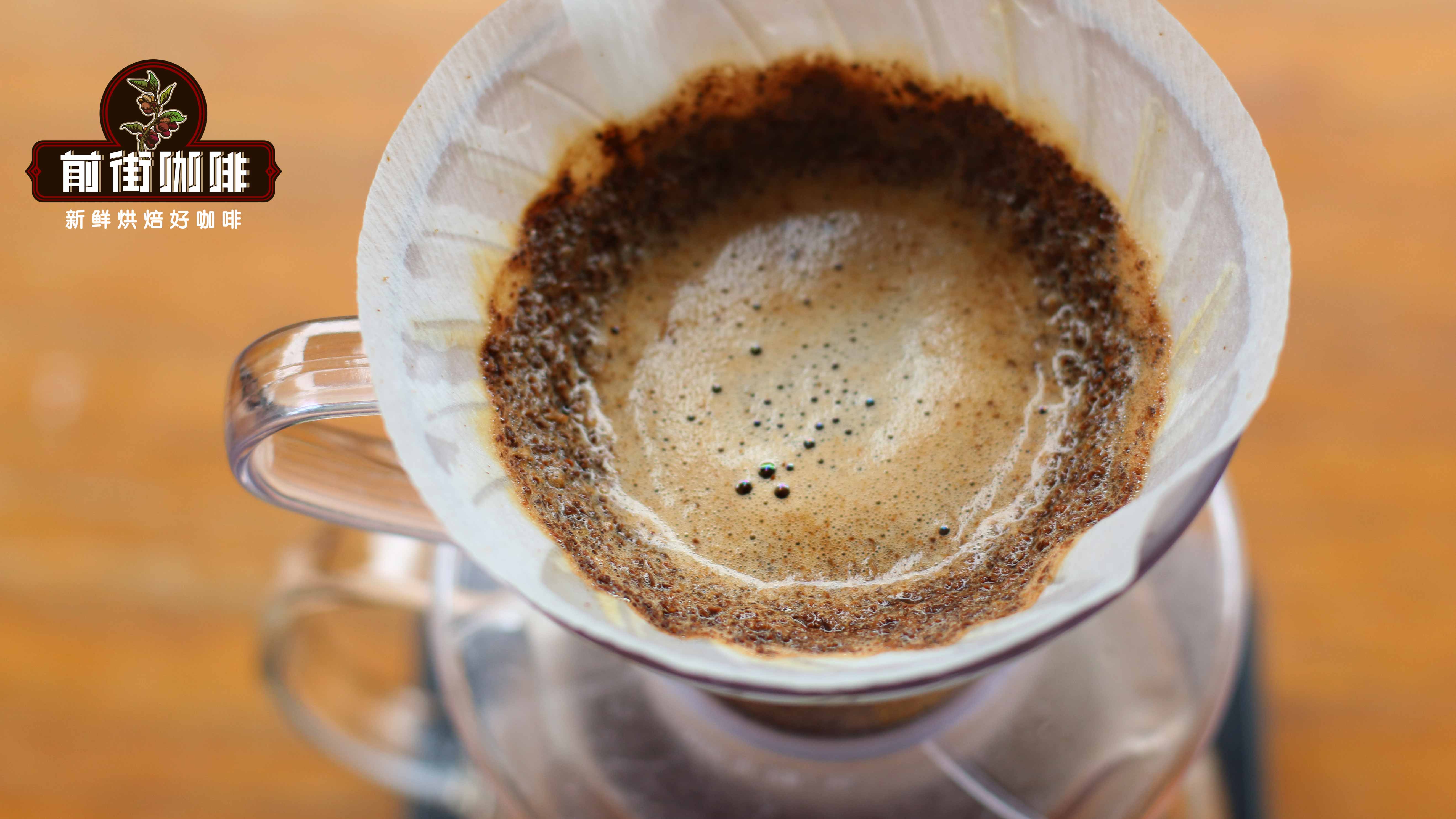
Pour-over coffee knowledge | How can coffee novices improve the quality of their pour-over coffee? How to understand coffee server parameters? How to identify the characteristics of coffee bean origins, varieties, and roast levels?
Many friends have come to visit Front Street Coffee, drawn by its reputation. Besides marveling at the wide variety of coffee beans, they also greatly admire the baristas' brewing skills. Among them, many want to discuss pour-over brewing with the baristas. So Front Street Coffee takes this opportunity to share some thoughts on how to improve coffee brewing skills. Before that, Front Street Coffee asked [more…]
A Complete Analysis of Pour-Over Coffee Parameters: Scientific Adjustment Approaches to Coffee-to-Water Ratio, Grind Size, Water Temperature, and Time
Many coffee enthusiasts make a point of visiting Front Street Coffee, drawn not only by the impressive variety of coffee beans but also by the baristas' brewing skills, which never fail to impress. When it comes to brewing a great cup of coffee, does it ultimately come down to hands-on technique or mental understanding? Front Street Coffee believes that water flow control and pouring are merely the basics. What truly determines the flavor direction is a deep understanding of the four key parameters: grind size, coffee-to-water ratio, water temperature, and time. This article will systematically lay out ways to improve your pour-over skills, from the interconnected relationships between parameters and methods for categorizing coffee bean characteristics to practical tips for keeping brewing records. Whether you are a beginner just getting into pour-over or an experienced brewer looking to break through a plateau, you'll find actionable guidance here. [more…]

Can iced pour-over coffee be brewed directly with ice water? A detailed explanation of the extraction principles and parameters of Japanese-style iced pour-over and hot pour-over
Many people, when first encountering iced pour-over, have this thought: since hot americano uses hot water and iced americano uses ice water, then if hot pour-over uses hot water, shouldn't iced pour-over just use ice water directly? This idea sounds reasonable, but pour-over extraction is far from that simple. This article will first clarify the underlying logic of extraction, then explain why brewing with ice water is theoretically feasible but almost no one actually does it in practice, followed by an analysis of the relationship between Japanese-style iced pour-over and hot pour-over, complete parameters from Front Street Coffee for both hot and iced brewing, and finally a real result from an ice water brewing experiment, for coffee enthusiasts' reference. [more…]
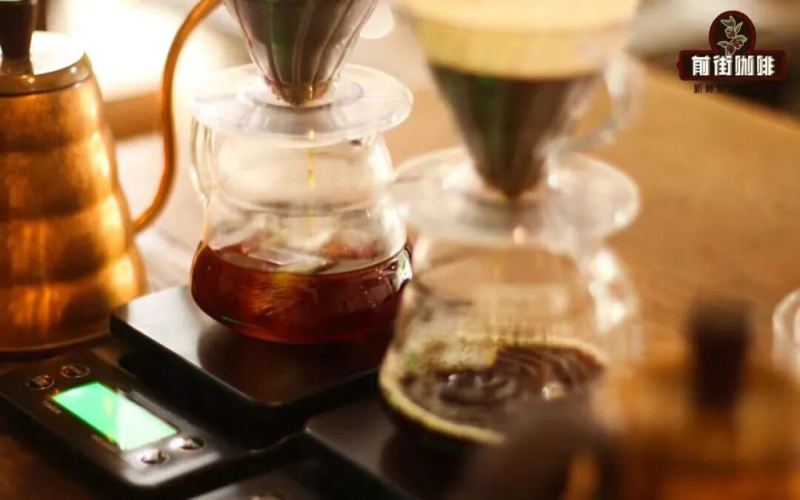
Coffee Brewing | What are the differences in brewing parameters between iced pour-over coffee and hot pour-over coffee? How can you make iced pour-over coffee rich and delicious?
After the typhoon passed, the temperature didn't drop but rose instead, and the air was filled with so much water vapor that everything around began to feel muggy and hot. Thanks to this, the iced coffee at Front Street Coffee's shop became "hugely popular" once again. Iced pour-over coffee in particular, since there's a much wider variety of coffee beans to choose from, is practically a "bestseller" that gets ordered at almost every table. [more…]
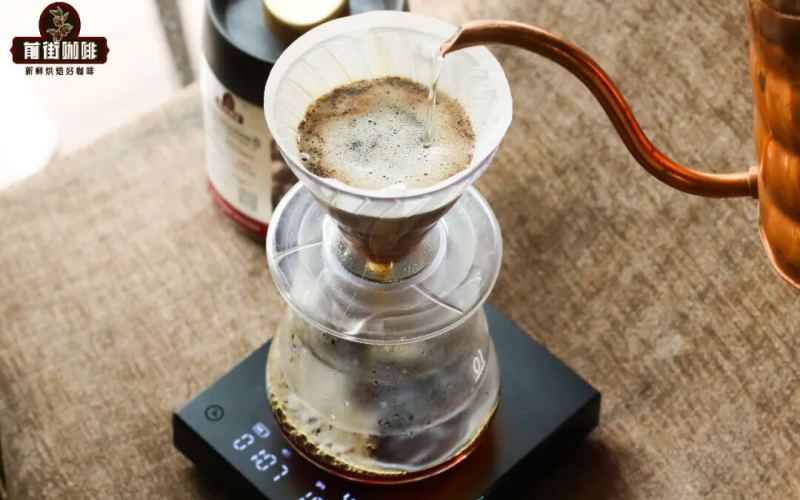
Pour-Over Coffee Tasting | Why Not Add Ice Directly to Hot Pour-Over Coffee? How to Adjust Brewing Parameters for Iced Pour-Over?
Many friends, when ordering pour-over coffee in a café, will prioritize the hot brew method, because as everyone knows, if we want to experience a relatively complete flavor profile in pour-over coffee, then hot brewing is absolutely the best choice. But when the weather is too hot, we always find it hard to [more…]
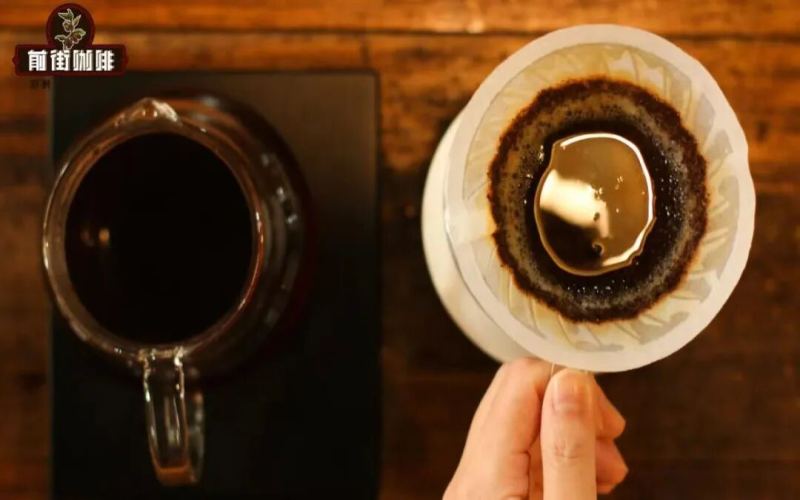
Pour-over coffee tutorial | What common pitfalls do coffee beginners easily fall into when self-learning pour-over coffee? How can coffee novices avoid mistakes in pour-over coffee brewing?
With its extremely high fault tolerance and outstanding flavor performance, pour-over coffee has become one of the top extraction methods after the rise of specialty coffee. At the same time, because it is simple to operate and has a low barrier to entry, many friends have bought their own pour-over equipment and started teaching themselves how to make pour-over coffee at home. Logically speaking, self-learning pour-over coffee [more…]
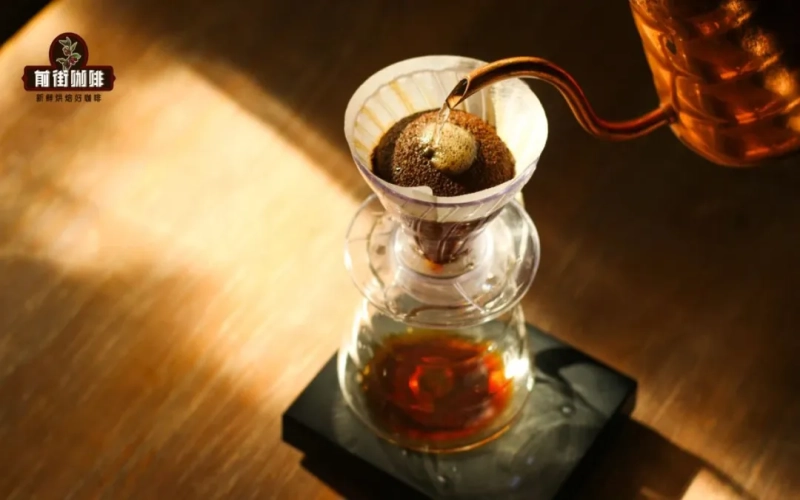
Analysis of Flavor Differences Between Hot and Iced Pour-Over Coffee: Extraction Yield, Water Temperature Ratio Parameters, and Tasting Experience Comparison
When tasting a new bean, why is it recommended to choose a hot brew first? This article delves into the flavor differences of black coffee made by pour-over, French press, siphon, and other methods under hot brewing and iced brewing from the perspectives of extraction yield, concentration, water temperature parameters, and so on. Taking pour-over coffee as an example, the article specifically compares the different settings of hot brewing and iced brewing in terms of coffee-to-water ratio, grind size, water temperature, and other parameters, and explains why iced brewing often requires sacrificing part of the extraction yield in exchange for higher concentration. At the same time, it also explores the influence of temperature on aroma, taste, and aftertaste, explaining why hot coffee can more fully present the complete picture of a bean. [more…]
Analyzing the Chemex Coffee Maker's Design Features and Pour-Over Differences: With Brewing Parameters for Four Front Street Coffee Pour-Over Beans
Since its introduction in 1941, the Chemex coffee maker has been rated by scholars at the Illinois Institute of Technology as one of the best-designed products, thanks to its one-piece filter cone and carafe design, and it is now held in the Museum of Modern Art. It requires no additional filter cone, but must be paired with proprietary filter paper. From the perspective of Front Street Coffee, this article reviews the Chemex's features and pour-over steps, focusing on the four key elements of grind size, water temperature, coffee-to-water ratio, and brewing technique, and recommends four Front Street pour-over beans of different roast levels—Yirgacheffe Gudingding, Kenya Asaliya, Brazil Queen, and Indonesia PWN Golden Mandheling—with their respective brewing parameters and flavor descriptions for coffee enthusiasts' reference. [more…]
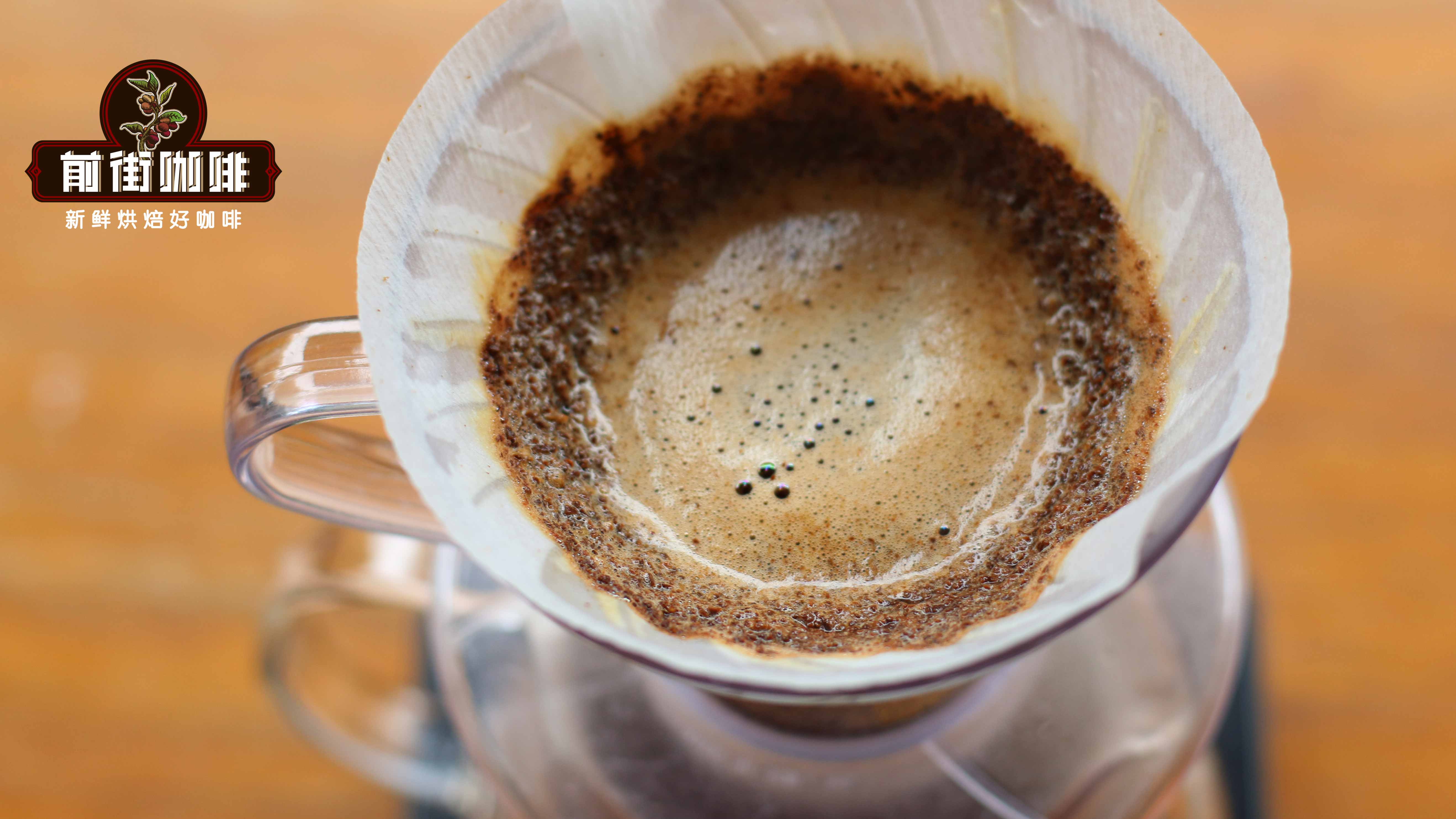
From pouring techniques to parameter records: practical approaches to systematically improve pour-over coffee across four dimensions
Many coffee enthusiasts come to Front Street Coffee, and besides being amazed by the rich bean list, they are also full of curiosity about the barista's brewing technique. Does pour-over rely on hand strength or brainpower? The answer is actually the latter. Water control and circular pouring are just basic entry-level skills. What truly determines the quality of a cup of coffee is the understanding of the relationships among parameters such as grind size, coffee-to-water ratio, water temperature, and time, as well as knowledge of the coffee bean's producing region characteristics and roast level. Starting from Front Street Coffee's brewing practice, this article sorts out four directions for improvement: solid pouring training, establishing parameter logic, categorizing bean characteristics, and recording and reviewing after each brew, helping pour-over beginners find a clear path for advancement. [more…]
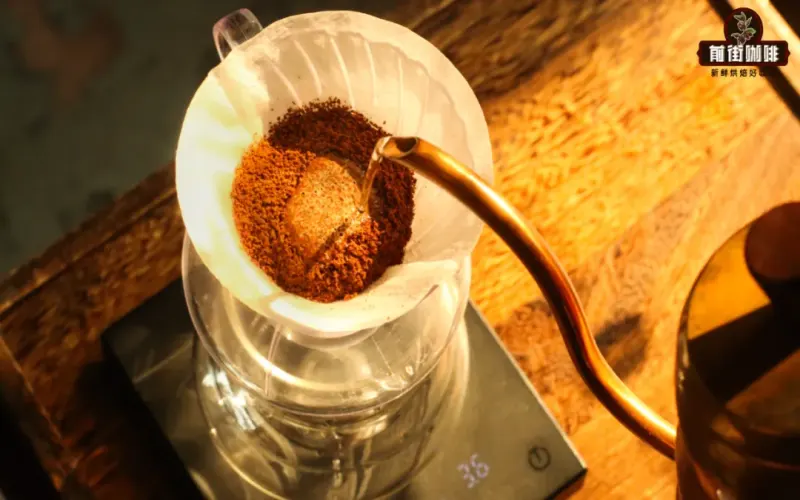
An Analysis of Flavor Differences Between Hot and Iced Pour-Over Coffee: A Professional Tasting Comparison from Temperature to Brewing Parameters
When buying coffee beans at a coffee shop or a Front Street location, many coffee enthusiasts ask the same question: for single-origin pour-over coffee, is it better hot or iced? Why is the flavor of hot pour-over coffee often more intense and prominent than iced pour-over? This article will start from the effects of coffee temperature on taste bud perception and aroma volatilization, deeply analyze why hot drinks make it easier to taste flavor, and at the same time explain the special adjustments in brewing parameters for iced pour-over—how operations such as reducing the amount of water, increasing the ratio of grounds to ice, and grinding finer affect the final flavor performance. The article also takes Front Street Ethiopia Huakui as an example, separately presenting a comparison of tasting results between hot brewing and iced brewing, to help readers fully understand the respective flavor characteristics and suitable scenarios of the two brewing methods. [more…]
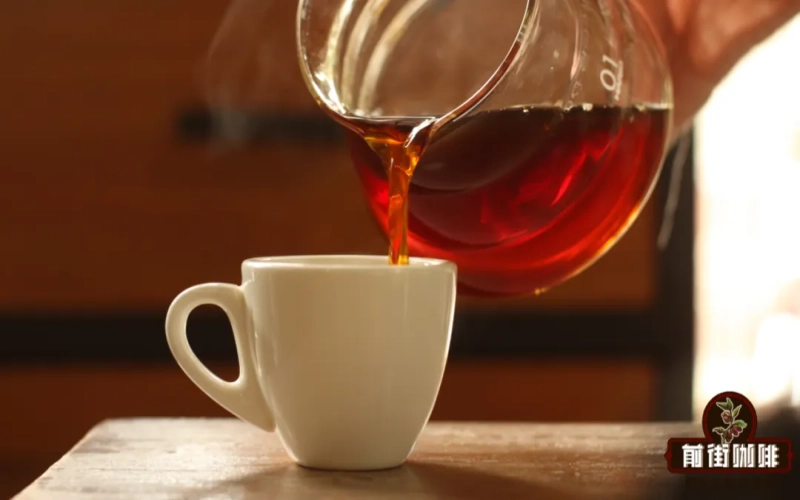
What's the difference between hot pour-over and iced pour-over? A detailed comparison from parameters and extraction yield to flavor performance.
Should pour-over coffee be enjoyed hot or iced? Many people hesitate when ordering. Front Street uses a set of side-by-side comparison experiments, from brewing parameters, coffee-to-water ratio, and grind size adjustments to the final extraction yield and flavor performance, to visually demonstrate the core differences between hot pour-over and iced pour-over. The article also explains why iced pour-over requires less water and a finer grind, as well as the logic behind coffee shops charging extra for iced pour-over. If you also want to understand the relationship between flavor completeness and temperature, this comparison will give you a clear answer. [more…]
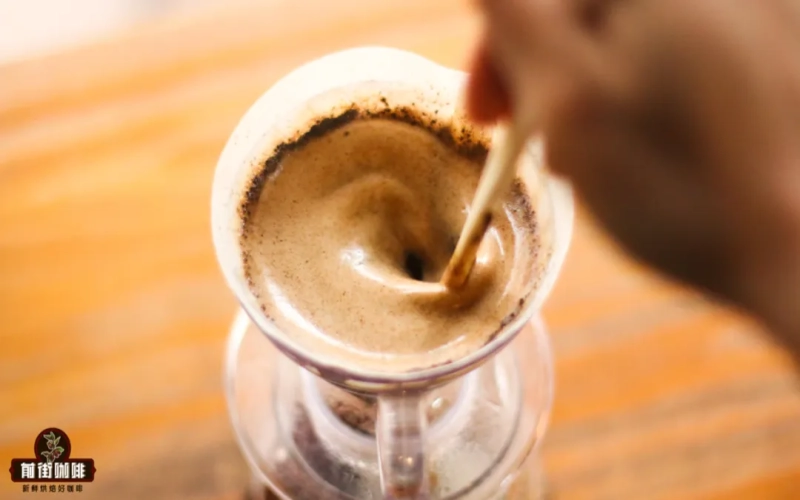
Pour-Over Coffee Stirring Method Iced Coffee Tutorial: Parameters, Steps, and Kenyan Coffee Bean Flavor Sharing
Why does the stirring method for brewing iced pour-over coffee bring out a richer flavor? This article will analyze the essential difference between the stirring method and conventional pouring from the perspective of extraction efficiency, and share in detail the complete parameters and steps for Front Street Coffee's iced pour-over made with Kenyan Little Tomato coffee beans, using a V60 dripper paired with the stirring method. If you are also interested in this fun brewing technique, why not follow along with this article and give it a try at home, experiencing the full-bodied juiciness and rich flavor that the stirring method brings. [more…]
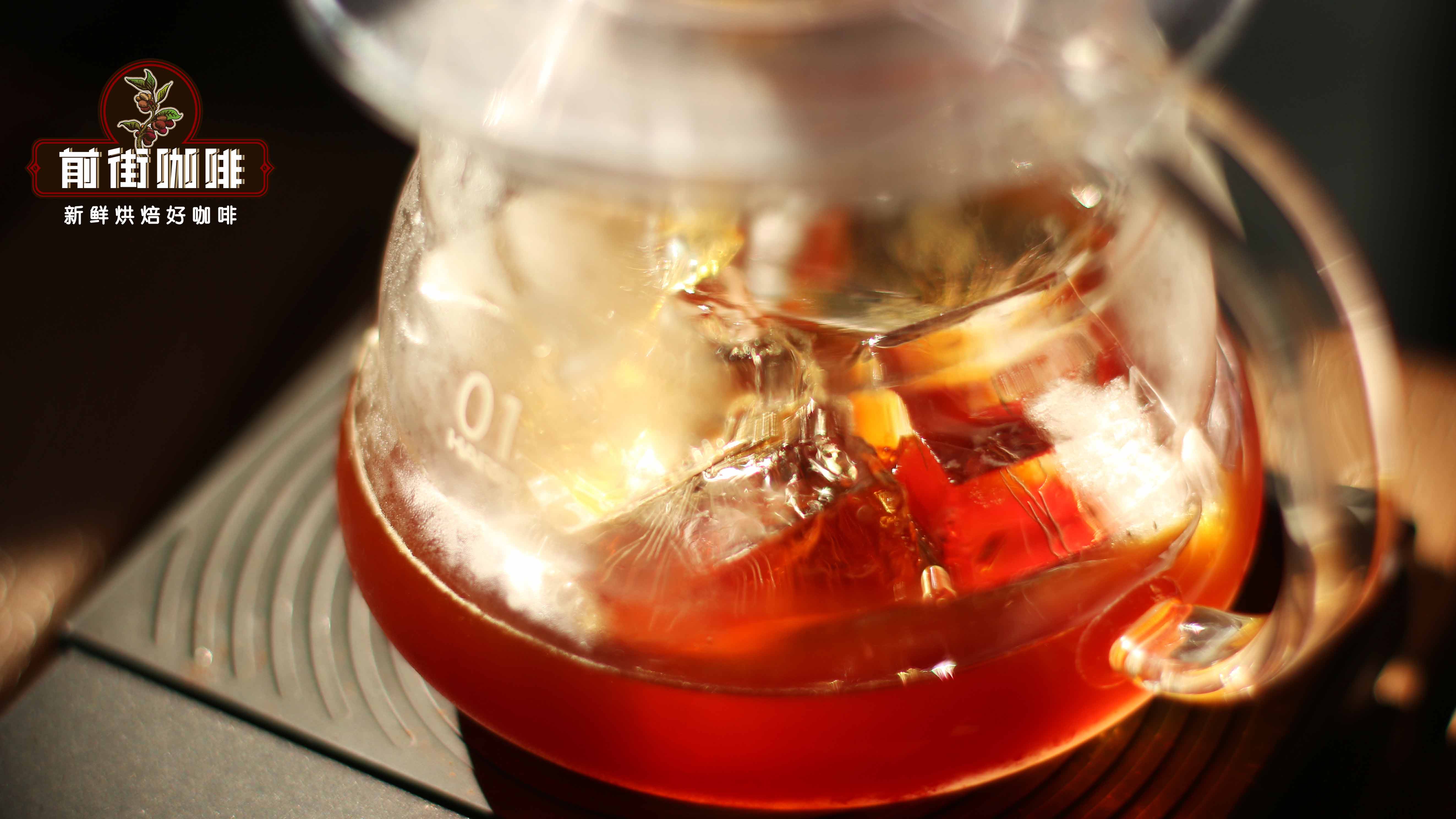
A Complete Guide to Making Iced Pour-Over Coffee: Ratios, Parameters, and Brewing Steps for Rapid-Chill Extraction
Iced pour-over coffee is not simply pouring hot coffee over ice cubes, but a brewing method known as "flash-chilled pour-over"—using ice to rapidly cool the hot coffee liquid in a short time. However, if you directly use the parameters of a regular hot pour-over, the final product often becomes weak and tasteless. To solve this problem, you need to adjust three core parameters: coffee-to-water ratio, grind size, and water temperature. Front Street has summarized a practical formula: coffee grounds (fine grind) + 10 times hot water + 5 times ice. This article will break down the adjustment logic of iced pour-over in detail, offer suggestions on choosing a dripper and coffee beans, and use an Ethiopian natural bean as an example to provide complete brewing parameters and staged pouring steps. [more…]
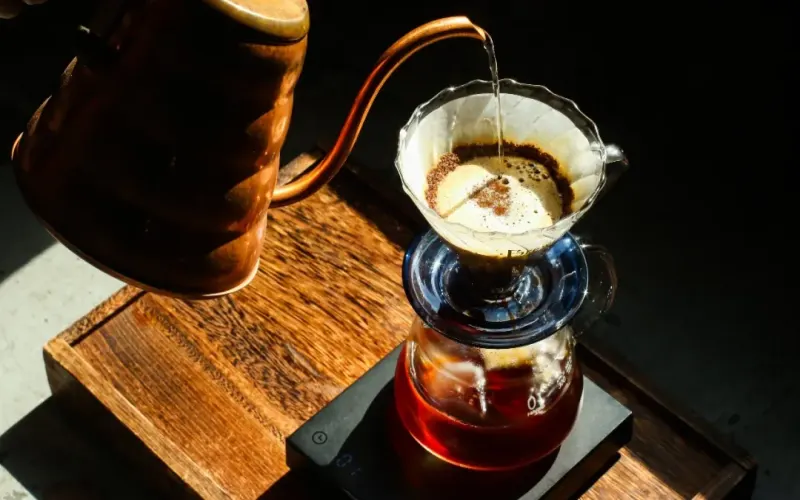
How to Adjust Iced Pour-Over Coffee Parameters? A Full Breakdown of Water Temperature, Ratio, Grind Size, and Bean Selection
Iced pour-over coffee is not simply about pouring hot coffee over ice cubes; it requires targeted adjustments in the coffee-to-water ratio, grind size, water temperature, and pouring method, otherwise it is very easy to end up with a brew that tastes as weak as ice water. Starting from Front Street's hands-on experience, this article first explains the root cause of flavorless iced pour-over—both concentration and extraction yield are too low—and then explains one by one how the parameters change as the water amount is reduced: the coffee-to-water ratio is tightened from 1:15 for hot brewing to 1:10, the grind is made finer by 1–2 settings, the passing rate through a No. 20 sieve increases by about 5%, and staged pouring is used to extend the extraction time to make up for the loss of efficiency caused by the reduced water amount. The article also gives direction on bean selection: natural and anaerobic processing suit rich flavors, while washed processing suits a fresh and clean taste, and it includes Front Street's complete iced pour-over recipe for Ethiopia Hamashu for reference. [more…]
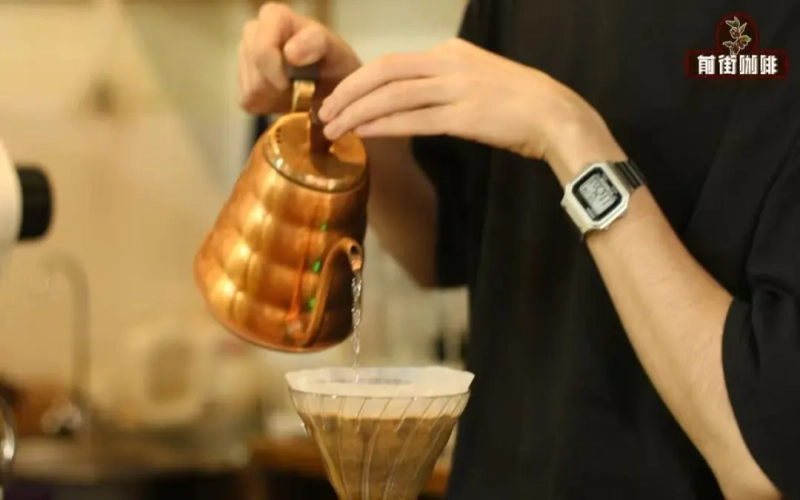
Can Robotic Pour-Over Rival a Barista's Hand Brew? Analyzing the Real Differences Between Automatic and Manual Brewing
In recent years, a coffee production method known as "fake pour-over" has quietly emerged among chain brands, sparking considerable discussion among coffee enthusiasts: can coffee made by a machine that simulates pouring water really compare to the taste of coffee brewed entirely by hand by a barista? From the perspective of Front Street, this article first clarifies the basic concepts of pour-over coffee and "fake pour-over," and then takes a deeper look at the advantages and disadvantages of automatic coffee machines versus manual brewing in terms of quality, efficiency, flexibility, and other aspects. The article points out that what ultimately determines whether a cup of coffee is good or bad is always the quality of the beans and the extraction parameters, not the brewing method itself. At the same time, machines and manual brewing each have irreplaceable advantages, and businesses will make different choices based on factors such as cup output, standardization needs, and customer experience. [more…]
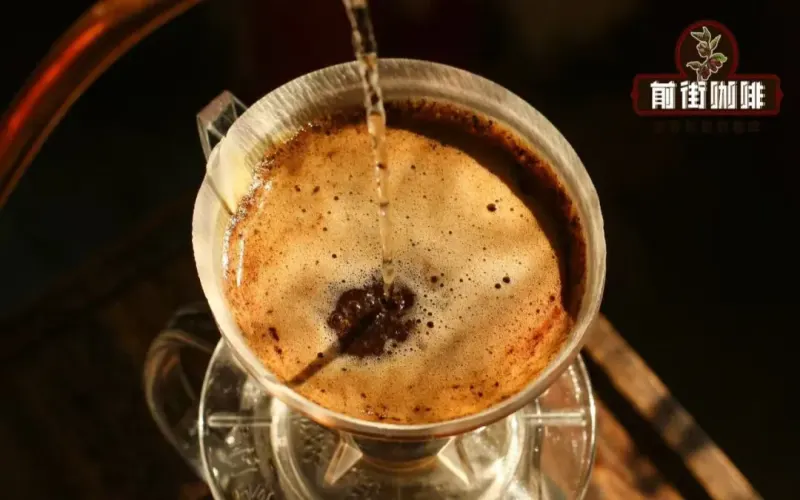
Pour-Over Coffee Beginner's Guide: Master the Core of Extraction and Choose Your Dripper and Parameters Wisely
Those new to pour-over coffee are often dazzled by all kinds of flashy brewing techniques and a bewildering array of drippers, only to spend a lot of money without brewing a satisfying cup. In fact, the essence of pour-over isn't complicated—suitable water temperature, proper grind size, an accurate coffee-to-water ratio, plus a regular circular pouring method, and you'll get a decent cup of pour-over. This article sorts out the three most common pitfalls beginners fall into: blindly imitating competition brewing techniques, following the trend of buying all kinds of drippers, and neglecting scales and thermometers so that parameters become "roughly good enough." At the same time, Front Street also recommends several everyday beans suitable for beginners, helping you start off on the right path. [more…]
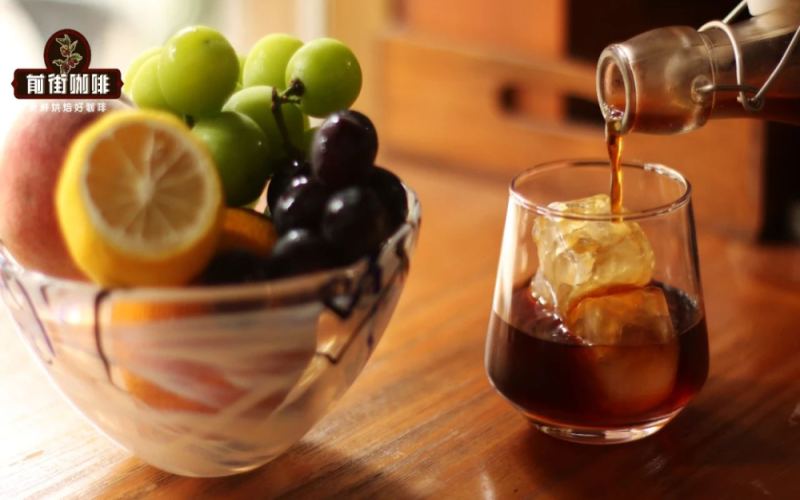
Pour-over Coffee Brewing Parameters | What Factors Affect the Flavor and Mouthfeel of Pour-over Coffee? How Can Coffee Beginners Learn Pour-over Coffee?
Coffee mysticism has long become a commonplace topic in coffee circles, and the most discussed aspects are flavor mysticism and brewing mysticism. Front Street is here to help everyone unveil the surface-level mysticism and reveal the underlying science. Flavor mysticism generally refers to when you drink a cup of coffee and only taste bitterness and sourness, while the person next to you [more…]
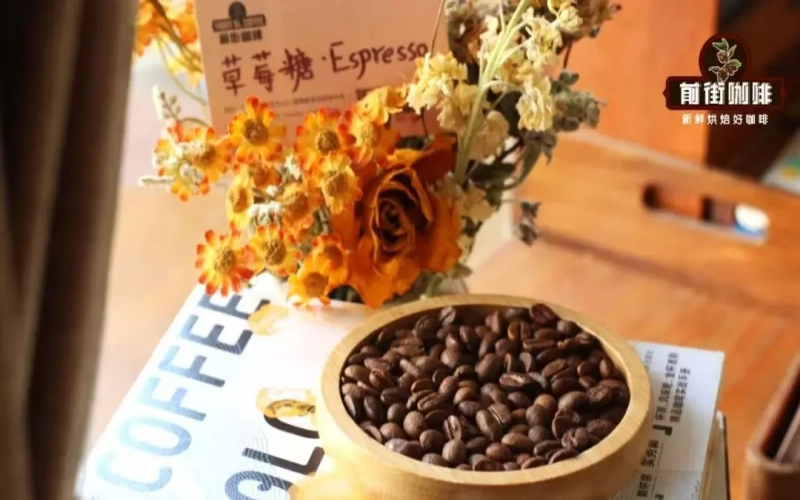
Can Espresso Beans Be Brewed as Pour-Over? A Full Analysis of Blend, Single-Origin, and SOE Characteristics and Brewing Parameters
Many coffee enthusiasts are curious: can espresso beans be used for pour-over? The answer is of course yes, but between "can brew" and "tastes good" lies a gulf of parameters. Espresso beans are usually roasted darker, with the aim of balancing the acidity and bitterness for both milk coffee and espresso. If you directly apply the parameters for light-roast pour-over beans, it is very easy to over-extract. This article starts with the differences in roasting, explains the respective characteristics of espresso blend beans, single-origin pour-over beans, and SOE, and, using Front Street Coffee's Huakui and Strawberry Candy Espresso as examples, provides pour-over adjustment plans for medium-roast espresso beans—lowering the water temperature and coarsening the grind—so as to brew a balanced, full-bodied coffee with a long, lingering finish. [more…]
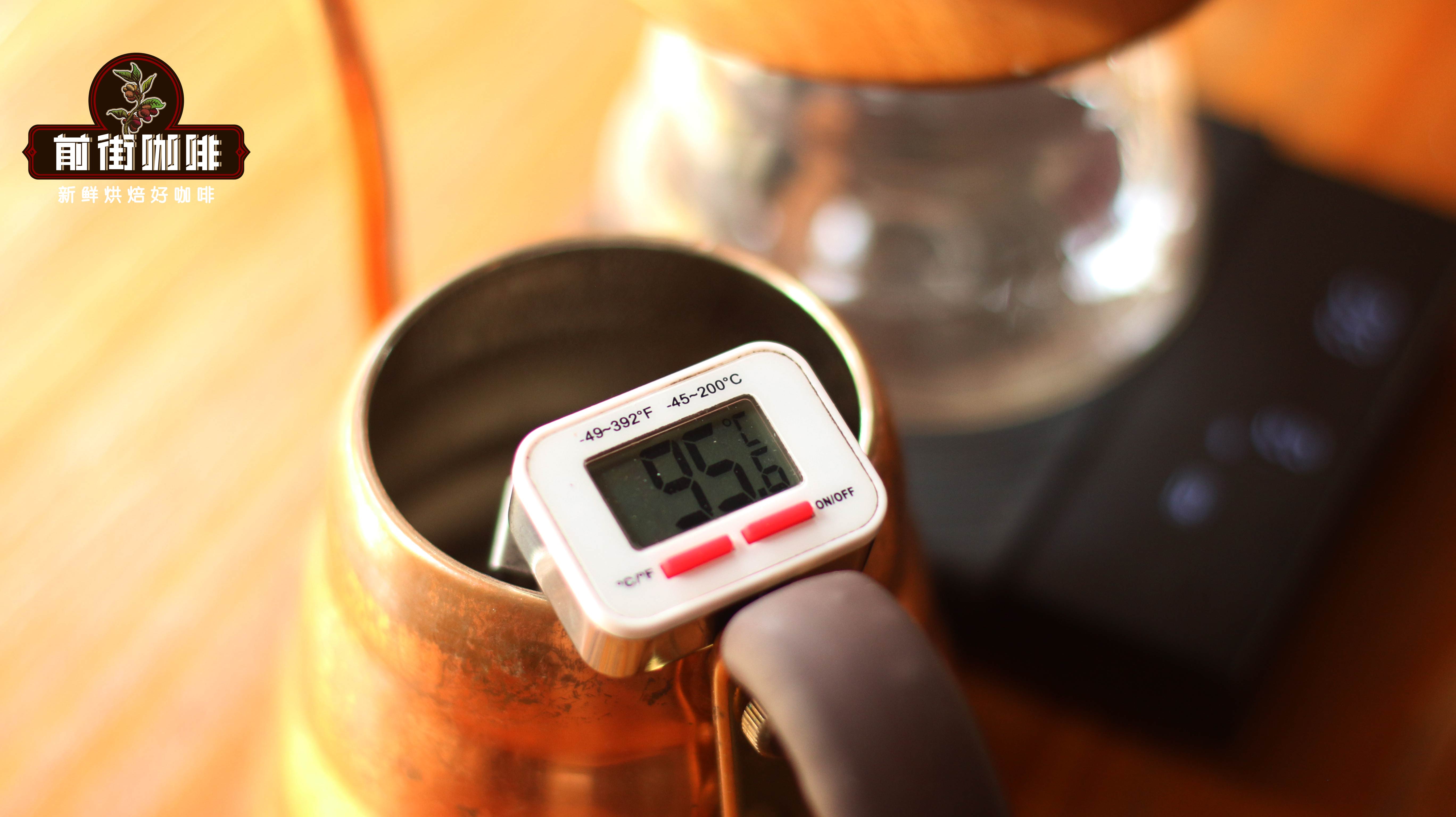
Pour-over Coffee Brewing Temperature | What water temperature should be used to brew light and dark roast coffee beans? Is there a difference between brewing parameters and actual water temperature? Does water temperature affect coffee extraction?
For more specialty coffee knowledge, please follow: Front Street Coffee (Frontsteet Coffee) What water temperature is needed for brewing pour-over coffee? Currently, the mainstream recommended brewing temperature is between 86°C and 93°C, with higher temperatures used for light roasts and lower temperatures for dark roasts. Once, at [more…]