







What Matters Most in Pour-Over Coffee Brewing?
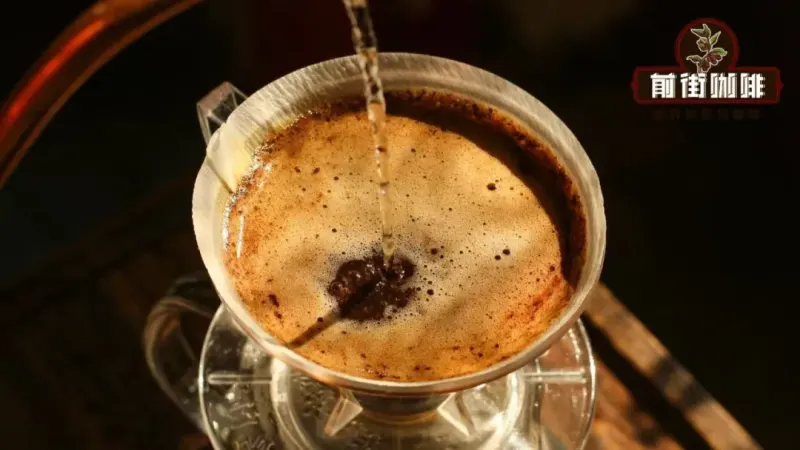
Pour-over coffee brewing comes down to a few fundamentals: the right water temperature, proper grind size, an accurate coffee-to-water ratio, and a steady circular pour. Beginners often stumble by imitating competition techniques, buying many drippers, or skipping scales and thermometers, which leads to guesswork on parameters. Good beans are the prerequisite, and everyday beans are a safe starting point.
Technique affects taste, but it is not the dominant factor. Every method follows the same principle: an appropriate amount of water at a suitable temperature contacting coffee particles for a controlled time. For fruity acidity, beans like Yirgacheffe are representative; for a non-acidic style, medium-dark roasts with nut and caramel notes, a full body, and low acidity work well.
Friends who are just getting into pour-over coffee are often dazzled by all kinds of fancy brewing techniques and a bewildering array of drippers, only to spend a lot of money without brewing a satisfying cup. In fact, the essence of pour-over is not complicated—the right water temperature, proper grinding, an accurate coffee-to-water ratio, and a regular circular pouring method are enough to make a good cup of pour-over. This article sorts out the three most common pitfalls for beginners: blindly imitating competition brewing techniques, following the trend of buying various drippers, and neglecting scales and thermometers, which leads to a "close enough" approach to parameters. At the same time, Front Street also recommends several entry-level everyday beans to help you start off on the right path.
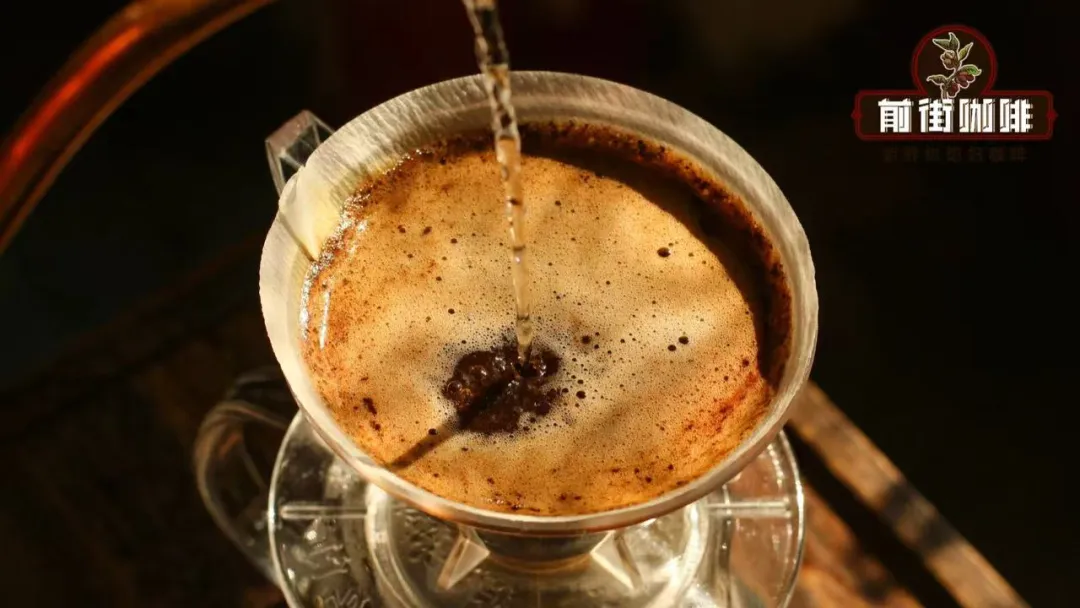
When pour-over coffee first emerged, its original purpose was to make coffee easier to brew. But over time and with the improvement of living standards, people have become increasingly immersed in the pour-over process and have devoted more exploration and refinement to it. Research keeps advancing, and standards keep rising, which has instead given rise to many misconceptions that many people unknowingly fall into.
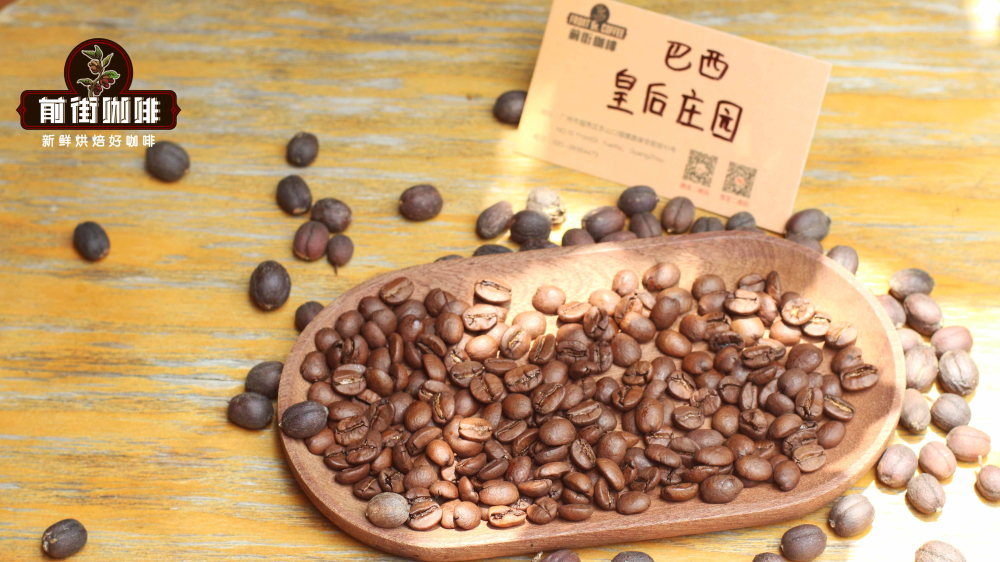
To brew a delicious cup of pour-over, good beans are of course the prerequisite. What beginners fear most is spending a high price without bringing out the flavor the beans should have, so the safest approach is to start with everyday beans that taste good and are not expensive. For example, Front Street Yirgacheffe Gutingding, Front Street Huakui, and Front Street Kenya Little Tomato are all very representative choices with fruity acidity; if you prefer a non-acidic style, you can choose Front Street PWN Golden Mandheling or Front Street Brazil Queen's Estate. These two use medium-dark roasting, with prominent nut and caramel aromas, a full body, and low acidity.
/ Misconception One: Coffee Brewing Techniques
Speaking of brewing techniques, many beginners who have not yet understood the basic principles of extraction go "off the deep end" imitating the movements of competitors on the coffee brewing stage. Front Street does not deny that technique affects the taste of coffee, but its importance is not dominant. This is because no matter which brewing method is used, it follows the same fundamental principle: an appropriate amount of water at a suitable temperature passes through coffee particles of a suitable size within an appropriate time, thereby extracting just the right flavor.
Front Street has always believed that as long as a coffee bean is fresh enough, and the grind size, water temperature, and coffee-to-water ratio are set correctly, paired with a regular circular segmented pouring method to ensure that all the water poured in passes evenly through the coffee bed, you can get a good cup of pour-over coffee.
When observing coffee "gurus" explaining their brewing ideas, it is not hard to find that behind every technique is the goal of better presenting the flavor characteristics of the bean being brewed at that time. These methods are often "tailor-made" for a particular bean and may not necessarily apply to another bean. What we need to do is understand their intention in operating this way, and then think about a suitable brewing plan based on the beans we have on hand. Only in this way can we improve quickly on the path of brewing, rather than simply copying everything.
/ Misconception Two: Choosing a Dripper
Pour-over coffee is becoming more and more popular, and drippers on the market are also endlessly varied—some focus on even extraction, some emphasize fast drainage to prevent clogging, and so on. These designs give pour-over more possibilities and room for experimentation. Many beginners therefore enthusiastically buy all kinds of drippers, only to find that none of them brews a good cup, and in the end they blame the dripper.
In fact, whether classic or innovative, every dripper design has its strengths and weaknesses. As long as you understand their structure and extraction principles, any piece of equipment can brew equally excellent coffee. Take the V60 dripper as an example: its 60-degree conical design guides the water flow toward the center, extending the contact time between water and coffee; the large opening at the bottom lets you control the extraction time by adjusting the pouring speed, thereby changing the flavor direction.
Another example is the cake dripper. Its flat-bottom structure makes the coffee bed form a flat shape that is even from top to bottom. With the same amount of coffee, a flat coffee bed is thinner, so water passes through the coffee more quickly, and the flat bottom also helps make extraction more even.
/ Misconception Three: A "Close Enough" Attitude Toward Brewing Parameters
"I don't need a thermometer, just feel that the water temperature is about right," "Why bother with an electronic scale? Just brew it about right." With these "close enough" attitudes, there is good reason the coffee brewed turns out bad. In the pour-over process, auxiliary tools such as an electronic scale and thermometer are usually needed. These seemingly "unimportant" things are exactly what can provide you with practical accuracy.
For example: you have prepared 15 grams of coffee beans and plan to brew with 91 degrees Celsius and a 1:13 coffee-to-water ratio. Then your grinder suddenly "acts up" and retains some particles, so only 14.7 grams are ground in the end. Without knowing it, you still operate according to the original parameters, and the flavor of the coffee finally extracted will deviate from what was expected.
Front Street believes that these seemingly insignificant small changes will always show up in the final tasting stage. So after you have settled on a set of brewing parameters, you need to use auxiliary tools to strictly execute them. If every parameter is off by a little, the flavor of the coffee in the final cup will be off by a lot.
The above content is compiled by CoffeeHunters, a coffee news website.


