







Can SOE Coffee Beans Be Brewed as Pour-Over?
Espresso beans can be brewed as pour-over, but they rarely taste right without adjustments. They are roasted darker to stand up to milk and to limit espresso's acidity, so light-roast pour-over parameters usually over-extract them. Lower the water temperature and coarsen the grind to pull a balanced, full-bodied cup with a longer finish.
The gap between "can brew" and "brews well" comes down to roast level. Espresso blends, single-origin pour-over beans, and SOE sit at different points, so each needs its own plan. A coffee enthusiast working with medium-roast espresso beans such as Front Street Coffee's Huakui or Strawberry Candy should start cooler and coarser, then adjust to taste.
Many coffee enthusiasts wonder: can espresso beans be used for pour-over? The answer is, of course, yes—but between "can brew" and "brews well" lies a gap in parameters. Espresso beans are usually roasted darker, aiming to balance the acidity and bitterness for both milk coffee and espresso. If you directly apply the parameters for light-roast pour-over beans, over-extraction is very likely. This article starts with the differences in roasting, explains the characteristics of espresso blends, single-origin pour-over beans, and SOE, and takes Front Street Coffee's Huakui and Strawberry Candy Espresso as examples to provide pour-over adjustment plans for medium-roast espresso beans—lowering water temperature and coarsening the grind—to brew a balanced, full-bodied coffee with a long finish.
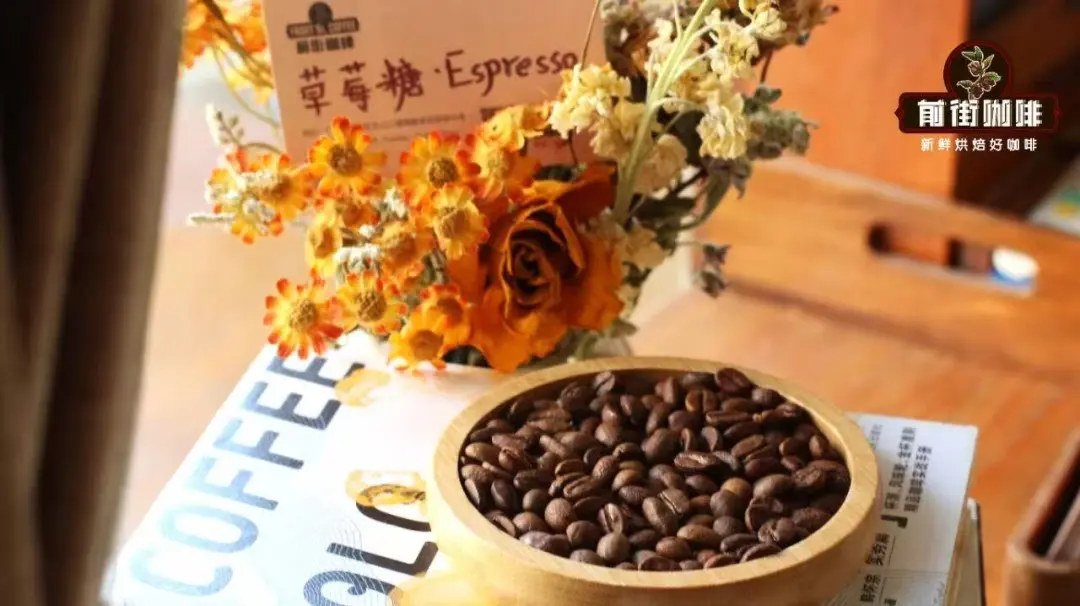
This question is actually not hard to answer: of course it works. Although espresso beans are mainly designed for espresso machines, they can also be used for pour-over. After all, espresso and pour-over are just two different extraction methods, and theoretically any coffee bean can be extracted using these two methods. However, remember one thing: "can brew" does not equal "brews well." If you want to brew a satisfying cup with espresso beans using pour-over, you must match the corresponding brewing plan according to the bean's characteristics.
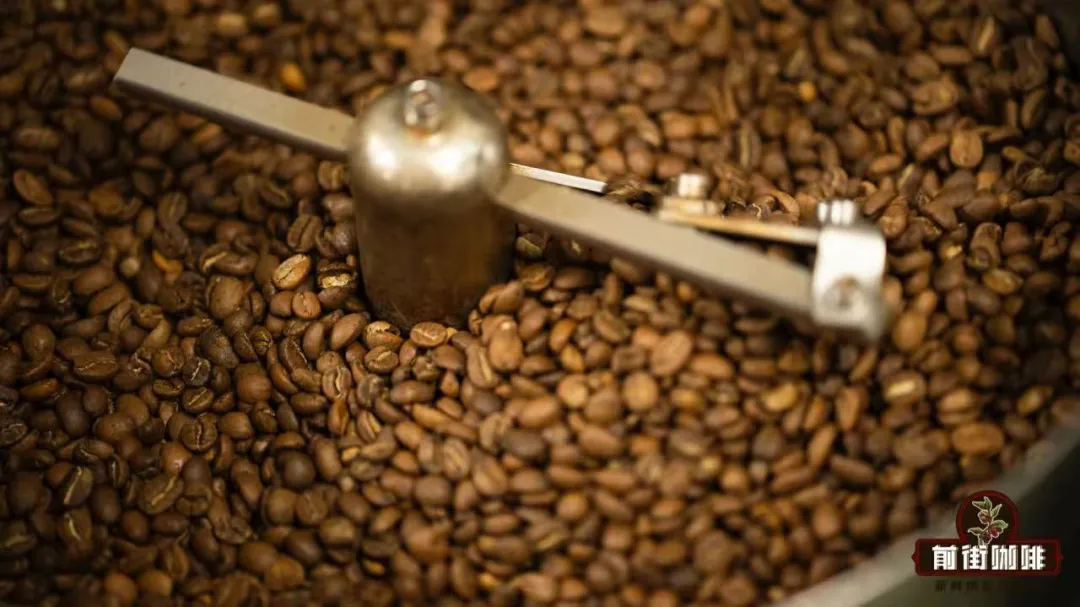
Generally speaking, whether single-origin or blend, espresso beans are often roasted darker than beans used for pour-over or French press. Setting aside other factors, espresso beans need to be roasted darker, the key being to take milk coffee into account. When milk is to be added to the coffee, the bean's roast level should not be too light. While light roasting can showcase the bean's delicate flavors, it struggles to stand up against a large amount of milk. Especially in a milk-dominant drink like a latte, the flavor of light-roast coffee is easily overshadowed by milk. Even if the milk proportion is reduced, the coffee's flavor is still hard to fully express.
Additionally, espresso made from light-roast beans is particularly sour. We know that the lighter the roast, the more acidity the coffee retains, and espresso itself is extremely concentrated, with high concentration making the taste even more intense. Therefore, using relatively acidic light-roast beans to make espresso results in quite high acidity. Although most of the time people don't drink espresso directly, methods like Con Panna and Dirty that layer espresso with other ingredients still bring the drinker face-to-face with the espresso. For most people, high-intensity sourness is less appealing than high-intensity bitterness. So espresso beans are roasted slightly darker, which both reduces acidity and brings a roasted aroma sufficient to match milk.
For this reason, not only blends but even single-origin beans, as long as they are destined for espresso, the roaster will choose a darker roasting profile to handle them. So, if you want to brew a good pour-over with espresso beans, the first task is to find suitable parameters based on their roast level, avoiding over-extraction due to excessively high extraction efficiency. Take Front Street Coffee's Ethiopian Huakui from the bean list as an example. The Huakui sold by Front Street Coffee on Taobao comes in two roast levels: one is a light roast that fully showcases floral and fruity notes, and the other is a medium roast suitable for espresso.
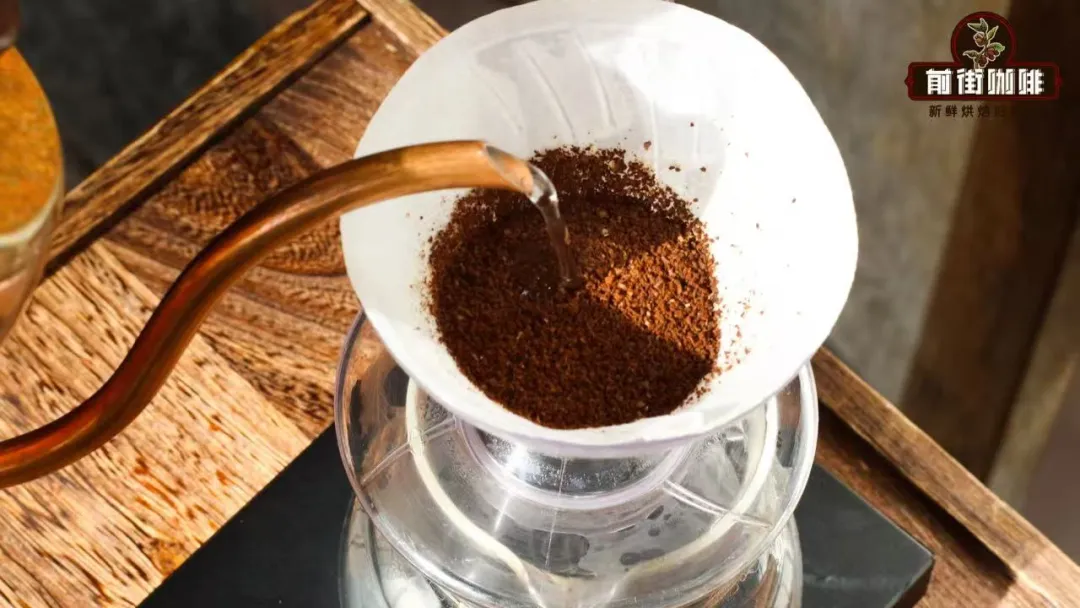
When brewing light-roast Huakui, due to the light roast and high density, Front Street Coffee uses a plan with higher extraction efficiency, namely the 15g coffee brewing formula that Front Street Coffee has always shared: water temperature 92°C, grind size 75%~80% passing a No. 20 sieve, coffee-to-water ratio 1:15, three-pour method, total time 2 minutes. The Huakui brewed with this formula performs quite well, with a taste mainly of sweetness and acidity, a clean mouthfeel, prominent flavors, and notes of berries, citrus, floral, and oolong tea.
But if you use this formula to brew medium-roast Front Street Coffee Ethiopian Huakui, the result is predictable: most likely a cup of over-extracted coffee with off-flavors and bitterness. Because medium roasting lowers the extraction difficulty, flavor compounds dissolve faster, and the same parameters will naturally bring out more bitterness. To avoid this, you need to lower the extraction parameters and reduce extraction efficiency to brew a good pot of coffee. Here Front Street Coffee mainly adjusts two parameters: first, water temperature, from 92°C down to 90°C; second, grind, from 75%~80% passing a No. 20 sieve coarser to 70%~75%, aiming to reduce the contact area between coffee grounds and water.
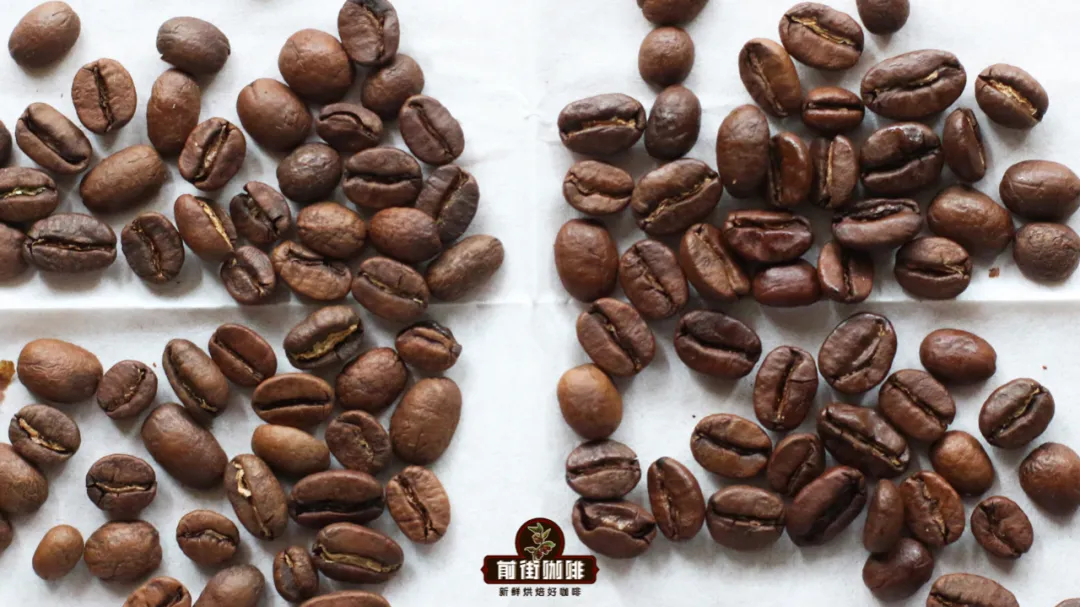
After such adjustments, the brewed coffee perfectly avoids over-extraction and fully showcases its charm. Medium-roast Huakui performs differently from light-roast Huakui: a fuller body, more balanced taste, no longer dominated by sweetness and acidity. In terms of flavor, due to the slightly darker roast, besides floral and fruity notes, you can also taste chocolate and caramel aromas, and the finish is longer than light-roast Huakui.
Similarly, this set of parameters also applies to the Strawberry Candy Espresso mentioned by Front Street Coffee at the beginning! That is: 15g coffee, 88~90°C water temperature, 1:15 coffee-to-water ratio, 70%~75% passing a No. 20 sieve, three-pour brewing, 2-minute extraction time. The Strawberry Candy brewed with these parameters also performs pleasingly! Rich aroma, flavors mainly of cream, chocolate, strawberry, blueberry, balanced sweetness, acidity, and bitterness, full body, prominent and long finish—very nice!
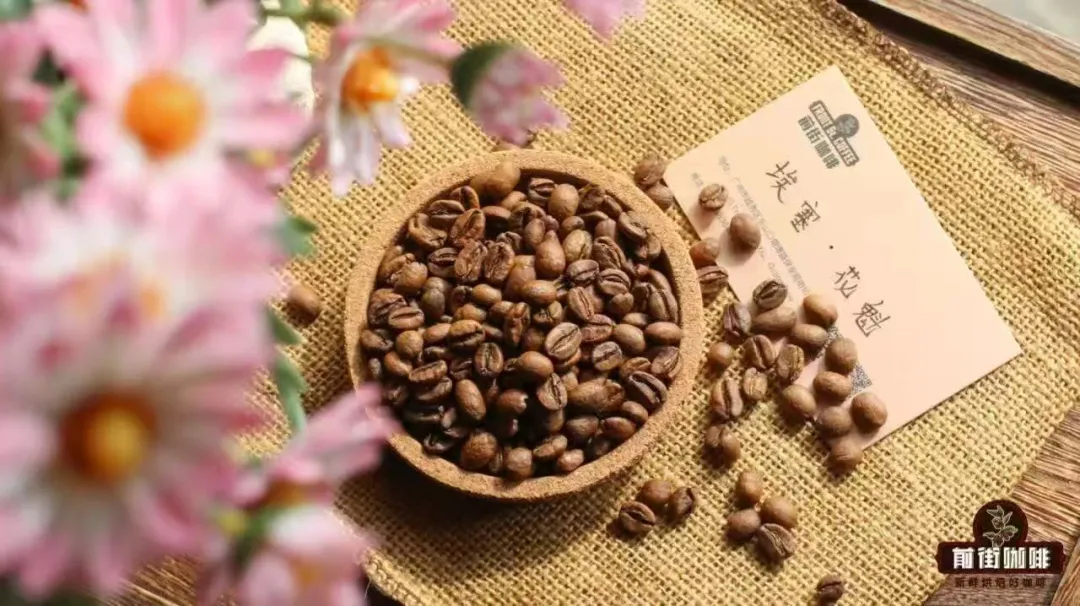
If the espresso beans you have are roasted darker, Front Street Coffee would suggest coarsening the grind further and controlling the water temperature between 86°C~88°C, to avoid over-extraction due to excessively high extraction efficiency.
- END -
The above content is compiled by CoffeeHunters, a coffee news website.


