







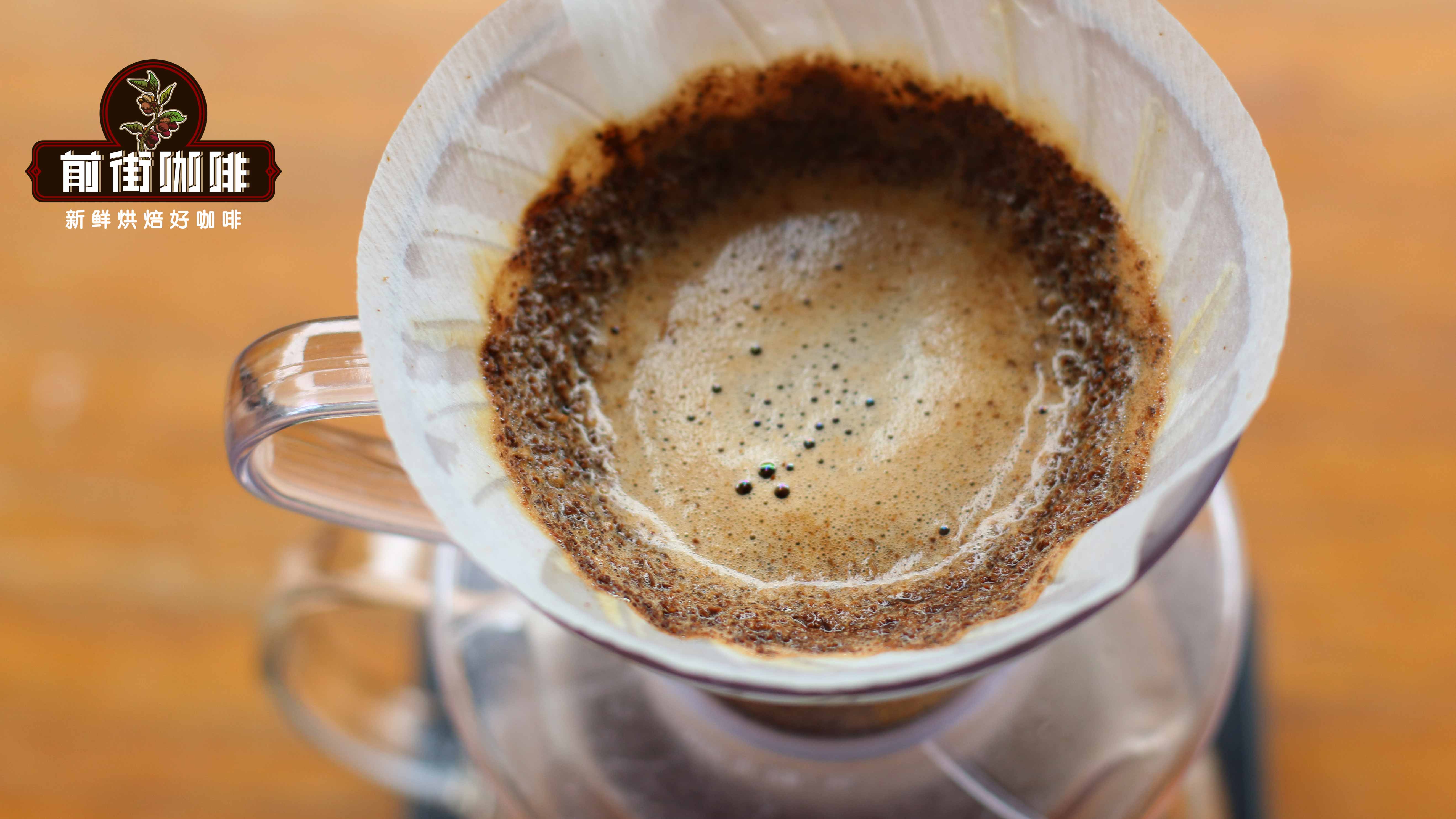
Many friends have come to visit Front Street Coffee, drawn by its reputation. Besides marveling at the wide variety of coffee beans, they also admire the baristas' brewing skills. Many of them want to discuss pour-over brewing with the baristas. So Front Street Coffee is taking this opportunity to talk about how to improve coffee brewing skills.
Before that, Front Street Coffee wants to ask everyone a question: "Do you think brewing coffee is a manual skill or a mental one?"
If you think it's a manual skill, then you still need to keep practicing hard. Although Front Street Coffee says that water control, circular pouring, and pouring technique are important in pour-over coffee, and it is indeed difficult to get the hang of at first, these are only the most basic parts of pour-over coffee.
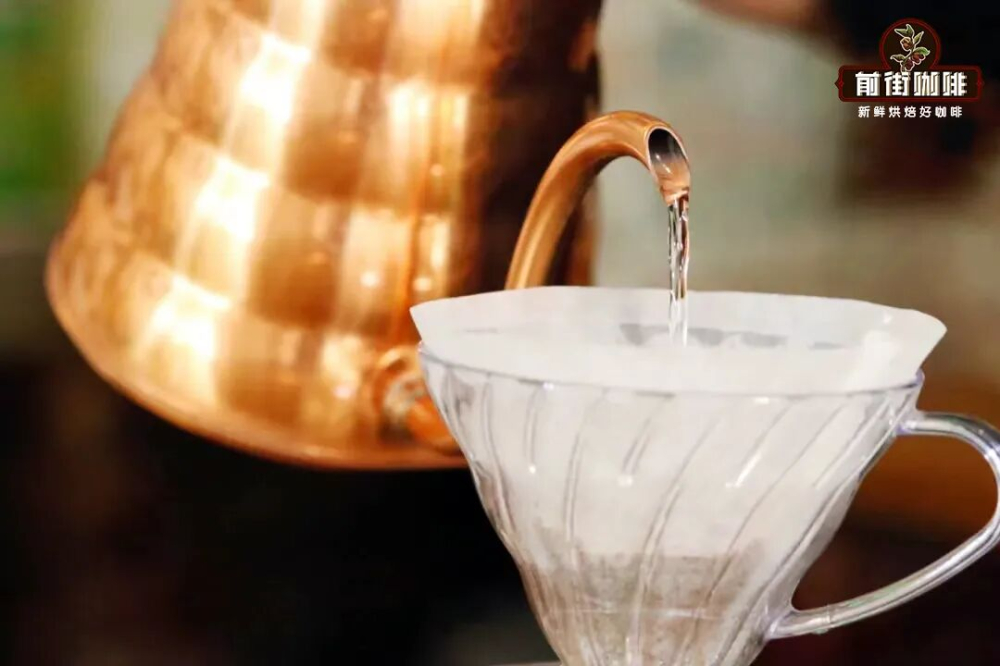
If your hand shakes while pouring, the stream isn't vertical, or your circles aren't round, then you definitely haven't practiced long enough. There are 2 key points to learning water control. The first is learning the correct posture and movements; the second is persistent practice to build muscle memory. After mastering the right method, if you don't practice hands-on, the knowledge stays only on paper. If you can set aside
30 minutes a day to practice, you can master pour-over water control in about 15 days.
Of course, mastering the pouring method only means you know how to operate the brewing process. You're still one step away from truly learning pour-over coffee: understanding the parameters.
How to Understand Coffee Brewing Parameters
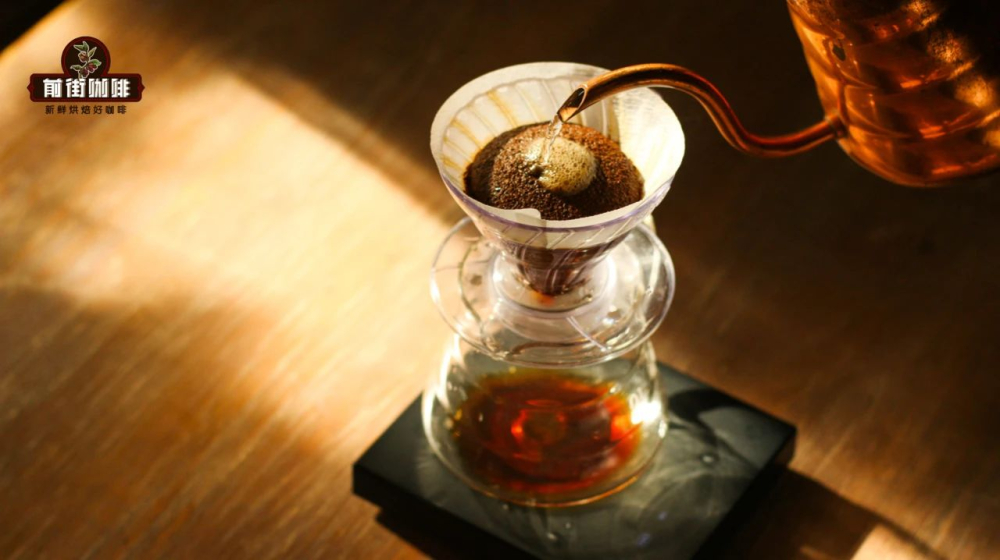
Grind size, coffee-to-water ratio, water temperature, and time are parameters you can't avoid when learning pour-over coffee. We must understand the relationships between these parameters and how changing them affects the direction of coffee flavor, and use them flexibly.
For example, both grind size and water temperature can control changes in coffee flavor. Making the grind finer or raising the water temperature can both increase the extraction rate, pushing the coffee toward bitterness. Making the grind coarser or lowering the water temperature can decrease the extraction rate, pushing the coffee toward acidity. But grind size has one more layer than water temperature: it can also affect the time parameter.
Fine grinds have longer extraction times, while coarse grinds have shorter extraction times. So when adjusting parameters, we need to clearly understand what changes each adjustment will cause.
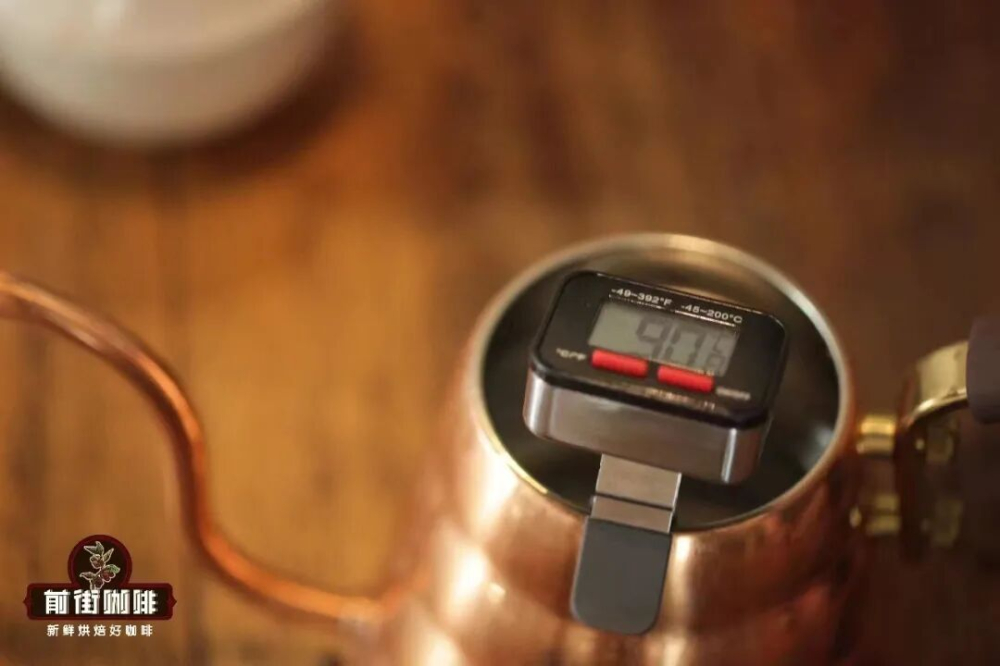
In pour-over coffee, parameters have a reasonable numerical range. For example, grind size should have a 70-80% passing rate on a No. 20 sieve, water temperature should be between 86-93°C, and the coffee-to-water ratio should be between 1:13 and 1:18. Time (for 15g of coffee) generally falls between 1 minute 40 seconds and 2 minutes 20 seconds. This doesn't mean parameters can't fall outside these ranges; these are just ranges that Front Street Coffee has summarized from many brewing practices, and you can refer to them when adjusting parameters.
Understanding Coffee Bean Characteristics
Front Street Coffee has over 50 varieties of coffee beans. If we set a different brewing parameter for each type, we'd need to remember how to brew over 50 kinds of coffee—that's too much of a mental load. So to learn to brew many kinds of coffee beans, you must understand coffee bean characteristics and organize them into categories.
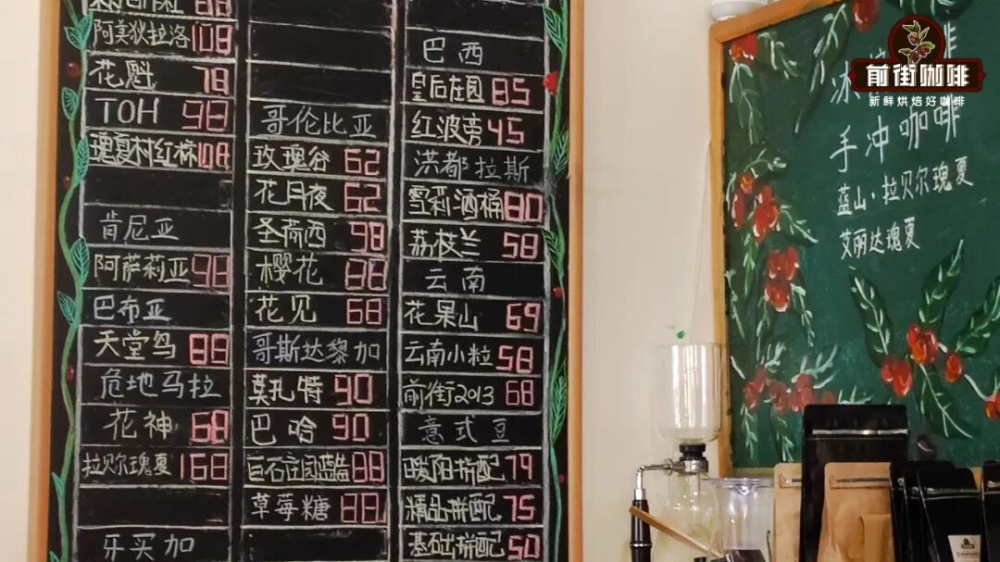
For example, dividing by coffee-producing region, coffees from the same region share similar flavor characteristics. Take Ethiopia: whether it's Front Street Yirgacheffe or Front Street Huakui, they generally carry citrus, berry, and other aromas. Costa Rica: whether it's Front Street Tarrazú or Front Street Mozart, they all have their fragrant sweet orange notes. Therefore, in terms of brewing parameters, these coffees with regional flavor characteristics can all use the same brewing approach.
The second thing to look at is the roast level of the coffee beans. The parameters used for medium-light roasts are clearly different from those for medium-dark roasts. Medium-light roasted coffee beans mainly express acidity in flavor. For brewing, you can choose a finer grind (75-80% passing rate on a No. 20 sieve) and a higher water temperature (90-93°C). Medium-dark roasted coffee beans mainly express bitterness in flavor. For brewing, choose a coarser grind (70-75% passing rate on a No. 20 sieve) and a lower water temperature (86-89°C).
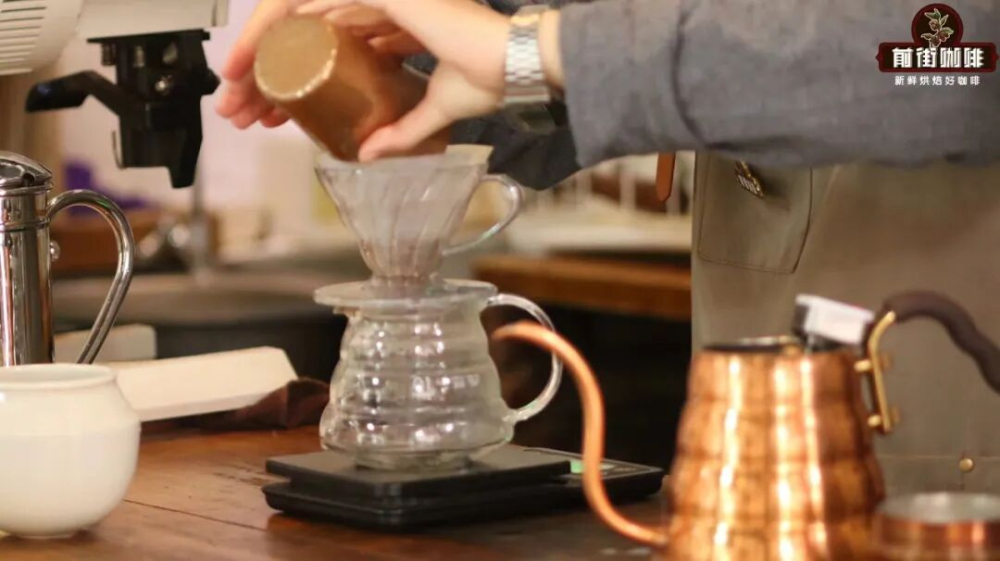
When you encounter a new bean and don't know how to brew it, you can also refer to the approach in Front Street Coffee's past articles.
Record Every Brewing Parameter
When searching for the right path, we often stumble along the way. So every time we brew, we should record the parameters, then judge whether they are reasonable, and through tasting the coffee, identify which parameters need improvement.
Here's an example. When brewing a Front Street Guodingding coffee, Front Street Coffee first used these parameters: "15g coffee grounds, grind size with 80% passing rate, 1:15 coffee-to-water ratio, 91°C water temperature, three-stage pouring: first stage 30ml for a 30-second bloom, second stage 100ml, third stage 95ml. The recorded brewing time was 2 minutes 30 seconds."
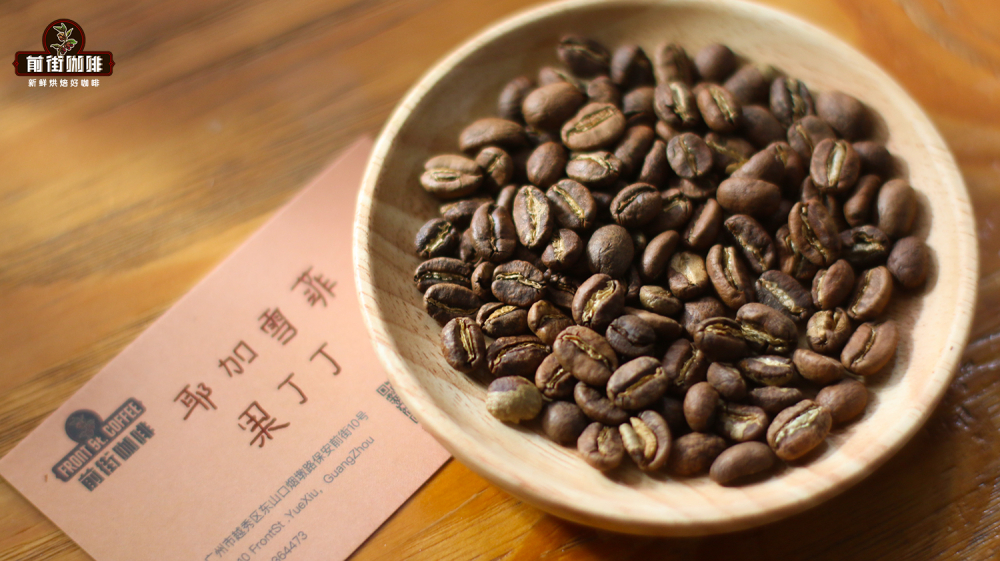
By tasting the coffee, the flavors were ginger flower, berry, cream, with nutty and cocoa (rather bitter) notes in the latter half. Front Street Coffee felt this taste was not comfortable. Based on judgment, this bitterness might be caused by the grind being relatively fine, leading to the coffee steeping too long. So on the second brew, Front Street Coffee adjusted the grind to a 75% passing rate, kept the other parameters the same, and the final brewing time was 1 minute 55 seconds. By tasting, the flavors were ginger flower, citrus, berry, and oolong tea.
When adjusting parameters, remember: "only adjust one parameter at a time," because only then can we know how adjusting that parameter changes the coffee's flavor, making it easier to record and analyze.
Brewing coffee is a course that relies heavily on accumulated knowledge and comprehension ability. Use the right amount of coffee, the right grind size, the right water temperature, the right ratio, and finish brewing within the right time—only then can you brew delicious coffee. And what we need to learn is how to use the right parameters!
The above content is compiled by CoffeeHunters, a coffee news website.


