







Search Results for: Pour-Over Coffee Color
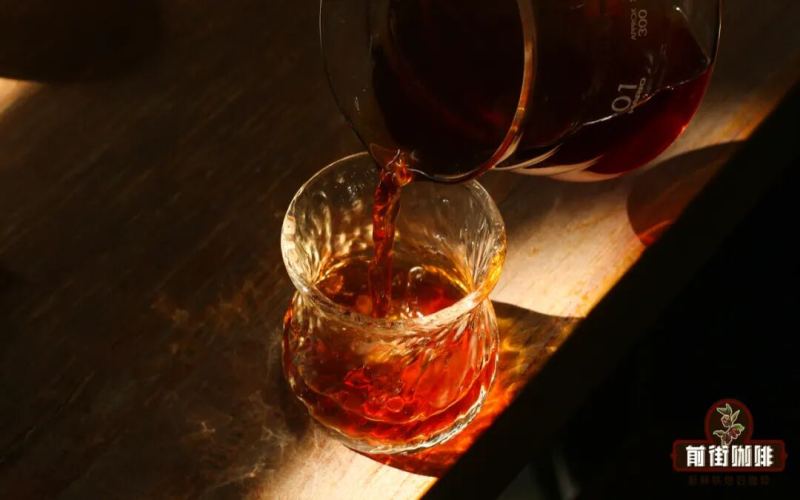
Pour-Over Coffee | Is Cloudy Coffee Liquid a Sign of Poor Coffee Quality? Why Does the Coffee Liquid from Pour-Over Coffee Vary Between Black and Red?
Customers and friends often chat about coffee-related topics at Front Street Coffee's stores, such as coffee origins, brewing parameters and steps, or coffee flavors. Then occasionally, some friends bring up more niche topics, for example—the liquor color of coffee. "Liquor color" is a professional term borrowed from tea evaluation. [more…]
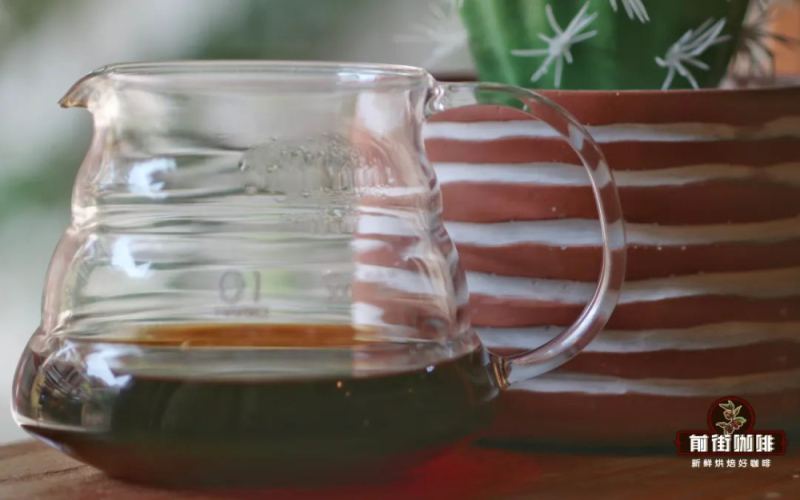
What factors affect the color depth of pour-over coffee, and how can clarity be improved?
After brewing is complete, the state of the coffee bed can reveal a lot about the extraction, and the color of the coffee liquid is also often used as a basis for judgment. Many people, upon seeing darker-colored coffee, instinctively assume it tastes stronger, or even suspect it is murky. In fact, the depth of color is related to extraction yield and roast level, but it does not directly equate to a higher or lower level of clarity. This article starts with the color of the coffee liquid, analyzes whether dark color indicates murkiness, and, using Front Street Coffee's comparative brewing examples, explains how to judge clarity through taste rather than sight, while also offering practical advice on bean selection, resting beans, parameter control, and pouring technique. [more…]
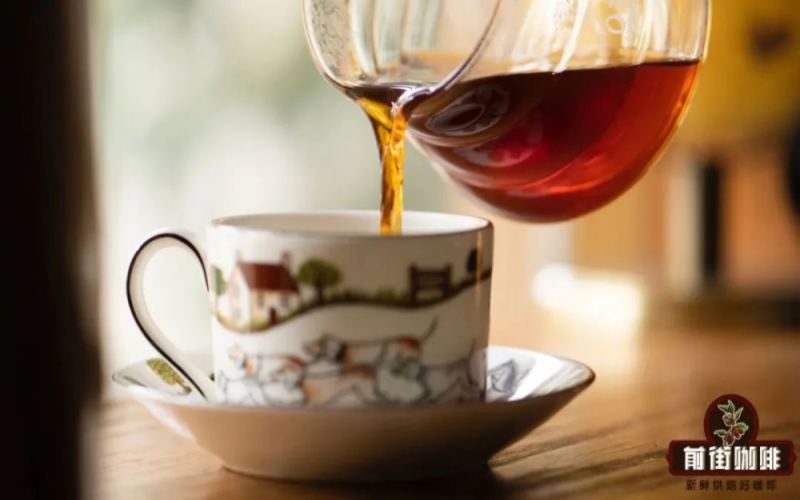
Does a cloudy pour-over coffee mean poor quality? Analyzing the relationship between coffee liquor color and clarity
Many coffee enthusiasts notice during pour-over brewing that the coffee liquid is sometimes not as clear as expected, and may even appear somewhat murky. Does this "tea-like" cloudiness mean the coffee tastes bad? This article starts from the definition of coffee liquor color, analyzes how roast level and concentration affect the hue, and then reveals the true cause of the murky sensation—the release of insoluble substances and the condensation of soluble compounds as temperature changes. Through examples using the flannel filter, AeroPress, and other equipment, it shows that cloudiness does not equal poor flavor; sometimes it instead brings a richer mouthfeel and sweetness. Front Street Coffee reminds us: judging a cup of coffee should not be based on appearance alone. [more…]
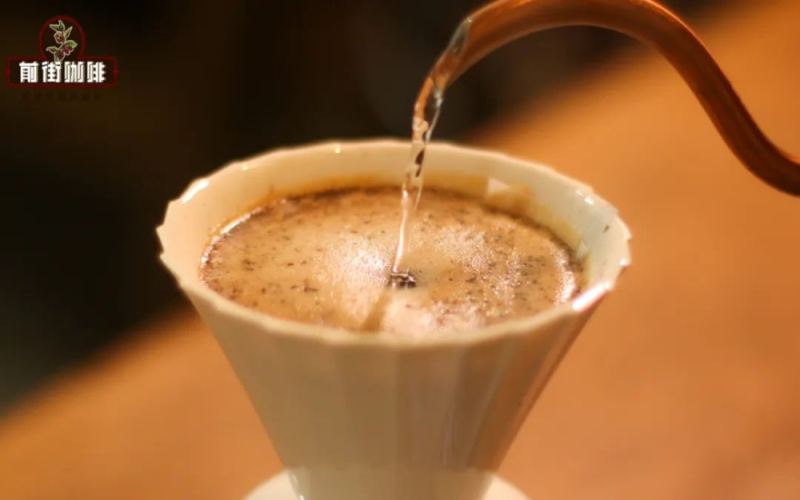
The Extraction Code Hidden in Pour-Over Coffee Foam Color and Richness: From Brown to Whitish, Reading Coffee Bean Freshness and Roast Level
During the pour-over brewing process, the foam that rises to the surface of the coffee bed keeps changing over time—its color gradually shifts from brownish-yellow to white, and its amount fluctuates. These seemingly ordinary bubbles actually hold hidden secrets: they share the same origin as the golden Crema of espresso, being composed of carbon dioxide, coffee oils, and fine particles. The color changes of the foam can help us judge the progress of extraction; the appearance of white foam often means that extraction is nearing its end, and continuing to extract can easily lead to over-extraction. The abundance of foam, meanwhile, reflects the roast level and freshness of the coffee beans. This article will guide you through interpreting the key information conveyed by these bubbles one by one, helping you control your brewing rhythm more precisely and brew a more delicious cup of pour-over coffee. [more…]
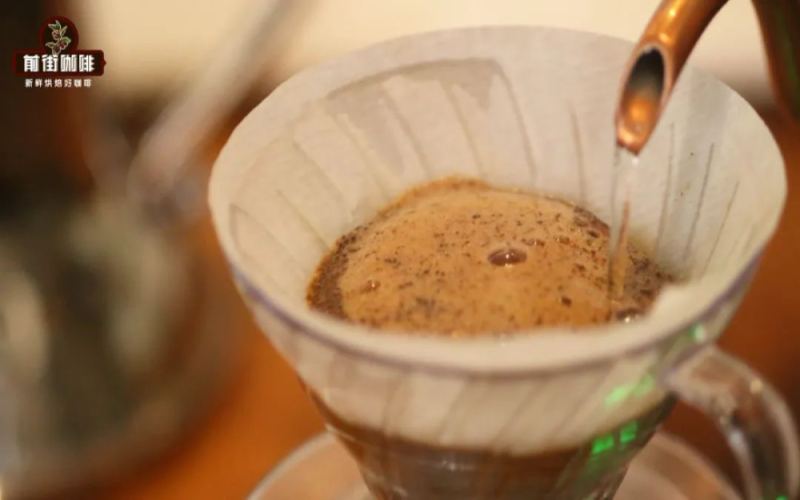
Where does the foam on the surface of pour-over coffee come from? Baking degree and freshness clues behind color and amount
When brewing pour-over coffee, a layer of foam often floats on the surface of the liquid in the dripper, sometimes rich and golden, sometimes thin and whitish. What exactly makes up this layer of foam? What can its color depth and quantity tell us about the brewing? From the perspective of Front Street, this article analyzes the sources of the foam's components, explains how large coffee particles affect the foam's color, and further reveals how the degree of roasting and the freshness of the coffee beans determine the richness of the foam, helping you adjust your pouring technique and judge the characteristics of the beans by observing the state of the foam. [more…]

Light, Medium, and Dark Roasts for Pour-Over Coffee | What Are the Flavor Characteristics of Coffee Beans at Different Roast Levels? Do Light, Medium, and Dark Roasts Taste Very Different in Pour-Over Coffee?
For more specialty coffee knowledge, please follow: Front Street Coffee (Frontsteet Coffee) The roast level of coffee beans determines the direction of the coffee's flavor. Many coffee shops label the roast level on the coffee beans they sell, such as light roast, medium roast, cinnamon roast, etc., which makes it easy for beginners [more…]
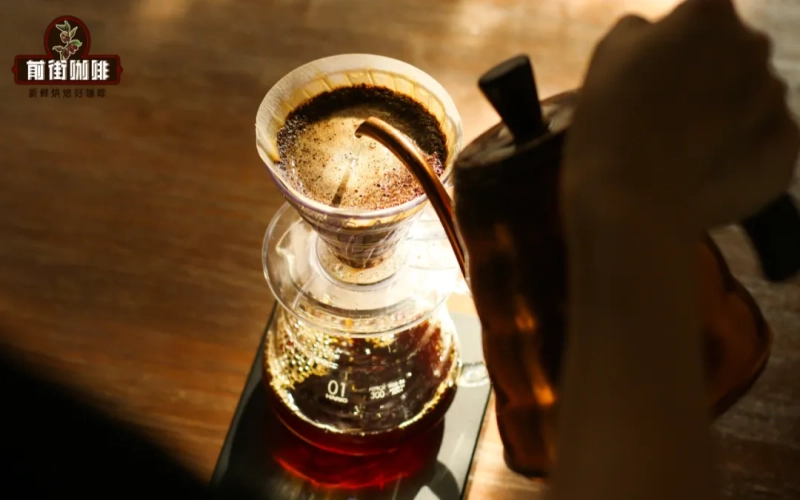
Pour-over coffee bed shape and brewing assessment: What do the bloom dome, bed height, foam color, and drawdown speed reveal?
When brewing pour-over coffee, the filter cup actually holds quite a few clues. The size of the dome that the coffee bed puffs up into during the blooming stage, and how well it retains water, can reflect the freshness of the coffee beans and the depth of the roast; whether the coffee bed can be lifted indicates the density of the coffee grounds; the color change of the foam on the surface can help us track the pouring path; and the speed of the drawdown is related to the coarseness of the grind, the density of the coffee bed, and fine particle clogging. As for the deep coffee bed pit that many beginners obsess over, it does not directly equate to a better-tasting cup; it is more just a reflection of the pouring method. In this article, Front Street will break down these readable pieces of information one by one during the brewing process, to help you have a few more bases for judgment when adjusting parameters. [more…]
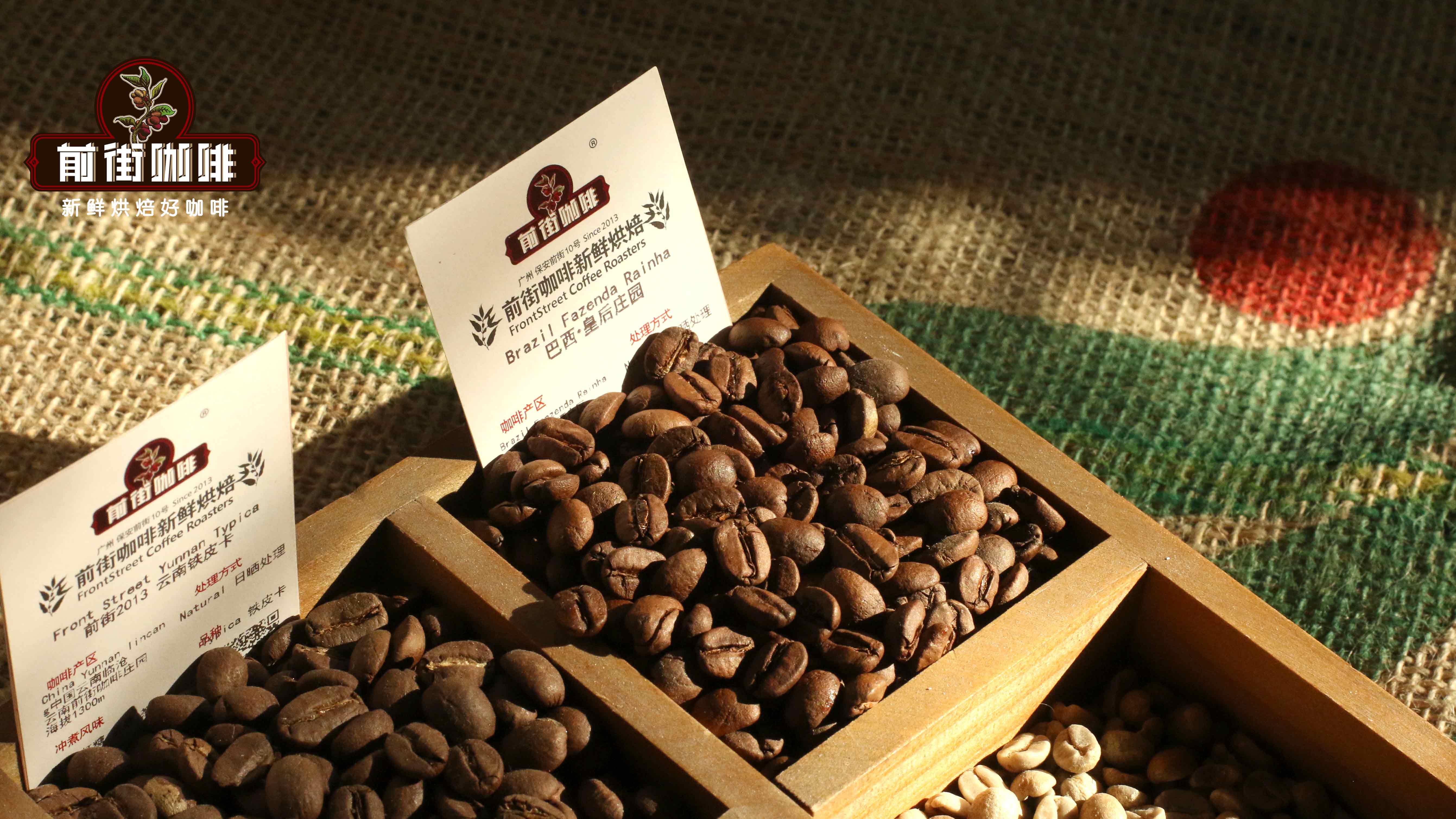
A Complete Guide to Coffee Roast Levels: Flavor Differences Between Light, Medium, and Dark Roasts and Pour-Over Parameter Guide
The roast level of coffee beans directly affects the final flavor profile, but the labeling methods on the market are diverse, ranging from light roast to cinnamon roast, often leaving beginners confused. This article, from the perspective of Front Street, systematically sorts out the definition standards and flavor characteristics of coffee roast levels. Using the SCAA's Agtron color value system, it divides light to dark roasts into eight levels and explains the dropping timing and flavor performance of each stage one by one. At the same time, the article also shares how to infer the roast level from flavor descriptions, the bean selection logic for espresso, and the pour-over grind size and water temperature parameters corresponding to different roast levels, helping you accurately judge and brew a good cup of coffee even when labeling is lacking. [more…]
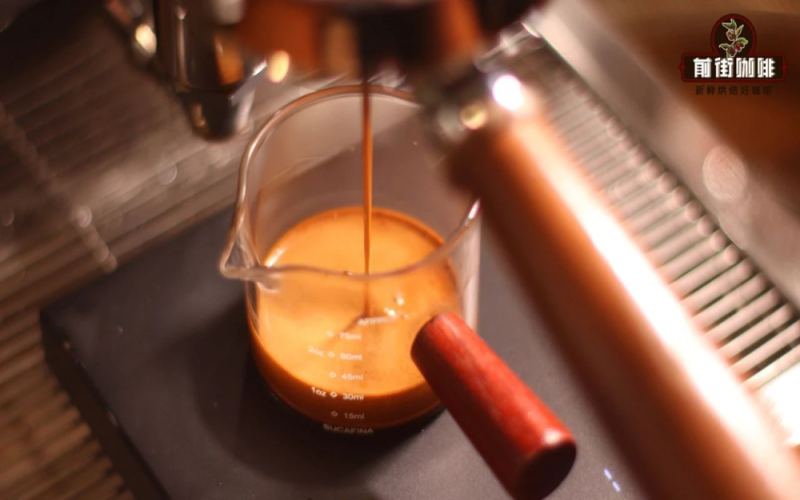
Can espresso blend beans be used for pour-over? Analysis of dark roast coffee flavor characteristics and Front Street Warm Sun blend
Many coffee enthusiasts encounter a question when selecting beans: Are coffee beans labeled as espresso blends and dark roast actually suitable for pour-over? To answer this question, we need to start with the classification of coffee roast levels. What exactly do terms like French roast, Italian roast, and City roast represent? What flavor characteristics correspond to different roast levels? From the perspective of Front Street Coffee, this article systematically sorts out the Agtron color values and drop timing for each roasting stage, and shares the development ideas, roasting curves, and espresso extraction plans for Front Street Sunflower Warm Sun Blend, helping you understand the differences in performance of dark-roasted beans in both pour-over and espresso scenarios. [more…]
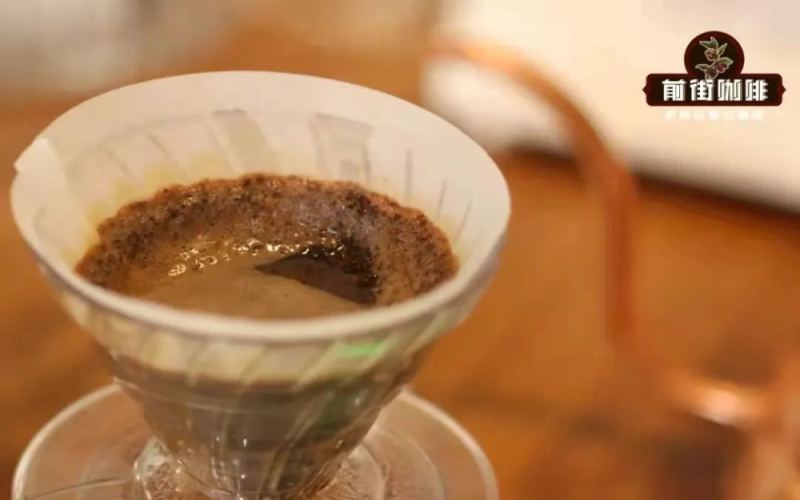
Causes of and Adjustment Techniques for an Imbalanced Strength in Pour-Over Coffee: Bypass Dilution and How Cup Color Affects Flavor Perception
Pour-over coffee may seem easy, but brewing a satisfying cup is no simple task. Many enthusiasts are often troubled by coffee that is too strong or too weak: when too strong, the bitterness lingers and irritates the throat; when too weak, the flavor is light as water—not objectionable, yet hardly enjoyable. This article addresses these two common situations. It first analyzes the causes of coffee being too strong—often stemming from a high extraction yield that has not yet reached over-extraction—and introduces a professional adjustment technique called "bypass," which means adding water directly to the brewed coffee to lower its strength while preserving the extraction yield. Front Street Coffee also recommends adding 10-20ml at a time in stages. As for coffee that is too weak, it cannot physically be made stronger, but with the help of cup-color experiments and the visual differences between glass and ceramic cups, a red or coffee-colored ceramic cup can make the brain perceive the coffee as richer, thereby improving the drinking experience. [more…]
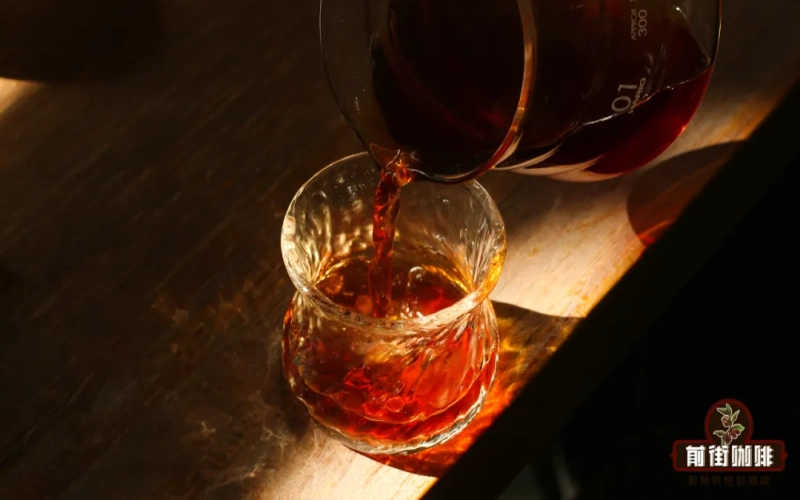
Can Coffee Brew Color Be Used to Judge Quality? The Filtration Principles and Extraction Effects Behind Clean vs. Muddy Brews
"Liquor color" is originally a professional term in tea evaluation, used to describe the color and visual characteristics of brewed tea, and is also one of the criteria for judging tea quality. So for coffee, can liquor color also serve as a basis for evaluating quality? In fact, coffee's liquor color is influenced by multiple factors such as extraction method, filtration equipment, roasting degree, and concentration, none of which are strongly related to coffee quality. Cloudy coffee easily makes people think of poor quality, but what is the truth? Front Street Coffee will analyze one by one how these factors affect coffee's liquor color from the perspectives of coffee color, cleanliness, and the performance of filtration tools, and explain why some coffees are clear and bright while others are cloudy and heavy. [more…]
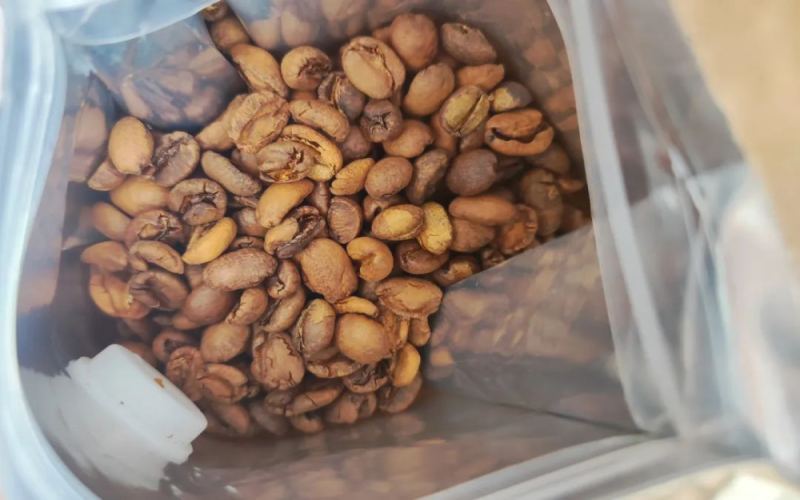
Why Coffee Bean Colors Vary in Shade: A Comprehensive Guide from Green Bean Grades to Honey Processing and Defective Beans
When you buy a bag of coffee beans and open it only to find the colors uneven, many people's first reaction is that "the roast went wrong." But coffee beans, being an agricultural product, can never be uniform bean for bean. This article explains, from the perspectives of green bean grading, honey processing, and anaerobic fermentation, the reasons why light-roasted coffee beans vary in shade, while also clarifying the difference between white-eye beans and normal beans, and pointing out several appearance traits often mistaken for defective beans. At the end, it uses examples from Front Street Coffee's Sherry and Warm Sun blends to illustrate how the roast level affects bean surface color and flavor performance. [more…]
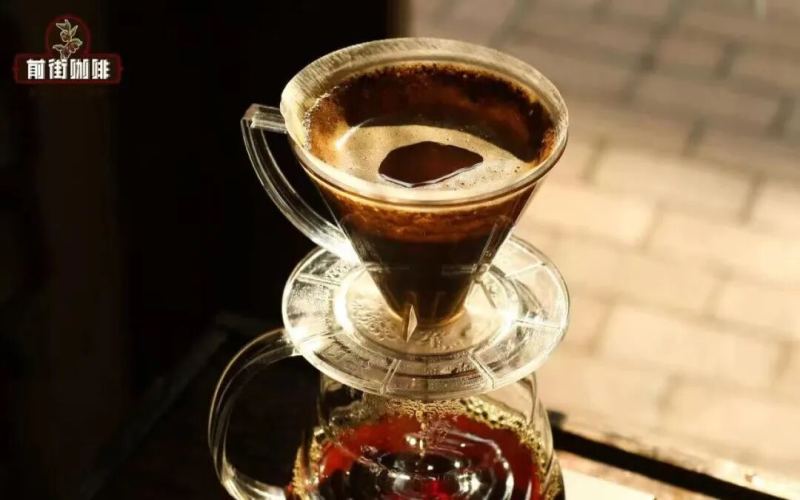
Coffee Brewing | What information is hidden in the coffee bed when making pour-over coffee? How can you judge the condition of single-origin pour-over beans from the coffee bed?
Yesterday a friend chatted with Front Street about a rather interesting phenomenon: he noticed that most people, when brewing coffee, even during the waiting intervals when they're not pouring water, still choose to fix their eyes intently on the changes in the dripper, as if trying to glean some information from the coffee bed. And you know what, there really is some truth [more…]
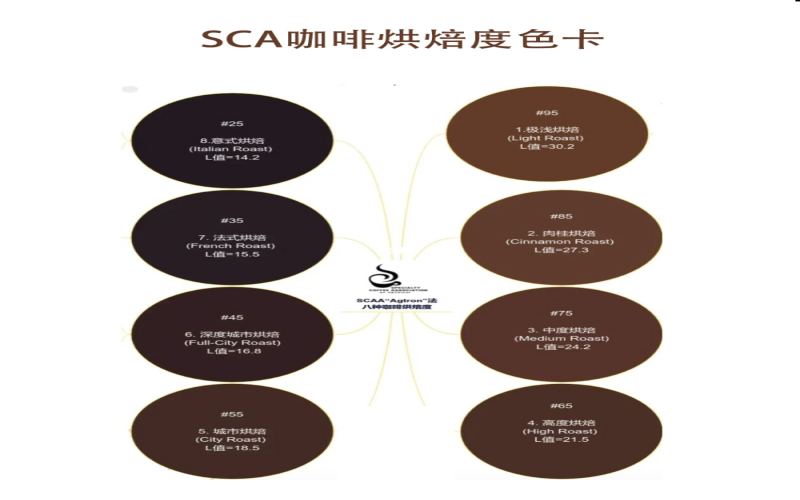
SCA Color Card Eight-Level Roast Degree Analysis: A Guide to Color Value and Flavor Evolution from Dehydration to Second Crack
Coffee roasting is the core step that determines the direction of flavor. The SCA (Specialty Coffee Association) color card divides roast levels into eight grades, each with corresponding color values and sensory characteristics from extremely light to extremely dark. This article focuses on this standard color card, explaining one by one the bean surface color, weight loss ratio, flavor tendency, and suitable applications of each roast level, while also organizing the causes and identification methods of common green bean defects. The article also includes Front Street Coffee's reference guidelines to help roasting enthusiasts match color card readings with actual practice, choose the right roasting curve, and make the cup they want. [more…]
From Aroma and Color to Sipping and Tasting: Mastering the Four Key Steps and Temperature Control of Pour-Over Coffee Tasting
A good cup of coffee deserves our serious attention from the moment it is set before us. Many people rush to take a sip as soon as they receive their coffee, but a complete tasting actually follows a careful procedure—first smell its aroma, then observe its color, then slurp loudly so the coffee liquid is fully atomized and coats the entire mouth, and finally smell the aroma lingering at the bottom of the cup to capture those shifting fruity and floral notes. Beyond the steps, temperature is equally key to how flavors express themselves: about 83°C at the moment of brewing, about 80°C when poured into the cup, and ideally 61 to 62°C when sipped. This article systematically lays out the correct way to drink pour-over coffee, from operational details to sensory experience, and explains the sources of bitterness, acidity, sweetness, aroma, and astringency in coffee, helping you taste layers and surprises in every sip. [more…]
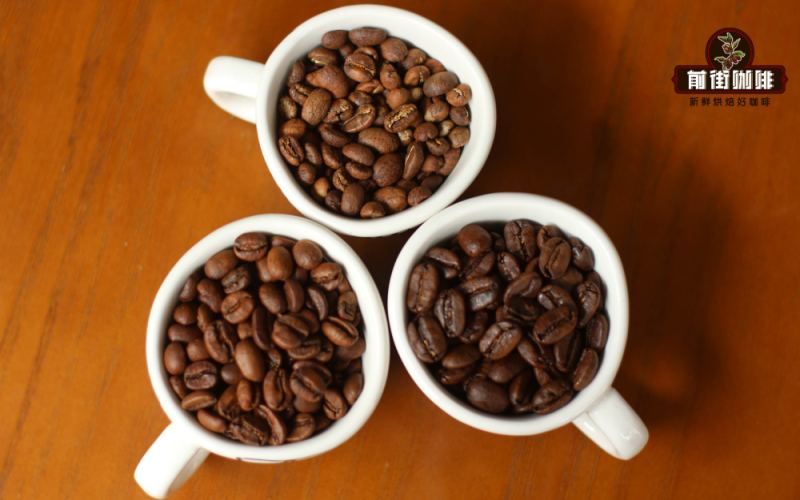
Espresso Blend Coffee Bean Roast Level | Are Espresso Beans Suitable for Pour-Over Coffee? Espresso Blend Philosophy and Roast Curve Reference
For more specialty coffee knowledge, please follow: Front Street Coffee (Frontsteet Coffee). The roast level of coffee largely determines the flavor direction of the coffee. When we buy coffee, the label will indicate what roast level it is, such as light roast or dark roast—these are fine. [more…]
A Complete Guide to Bourbon Coffee Varieties: From the Colors of Red, Yellow, and Pink Bourbon to Brazilian Growing Regions, Flavors, and Pour-Over Techniques
In the lineage of Arabica coffee varieties, Bourbon is one of the oldest, sharing equal fame with Typica. Unlike other varieties known for their flavor or yield, the Bourbon family is often remembered by coffee enthusiasts for the different colors of its coffee cherries—red, yellow, and pink. Where do these color differences come from? What flavor secrets lie behind each color? From the perspective of Front Street, this article traces the origin and spread of the Bourbon variety, explains the genetic traits and cultivation status of Red Bourbon, Yellow Bourbon, and Pink Bourbon, and takes a deep dive into Brazil's two major producing regions, Mogiana and South Minas, to taste the nutty, chocolatey, and caramel notes of Queen Estate's Yellow Bourbon and Red Bourbon coffees. Finally, it includes Front Street's medium-dark roast pour-over parameters and brewing steps for Queen Estate, offering a complete reference guide for friends who love Bourbon coffee. [more…]

Pour-Over Coffee Acidity | Is Coffee Bean Roast Level Related to Coffee Acidity? What Are the Differences in Flavor and Mouthfeel Between Light, Medium, and Dark Roasts?
The roast level of coffee largely determines its flavor profile. When buying single-origin coffee beans, you may notice that the label indicates the roast level, such as light roast, medium roast, or dark roast. Some also label them as Cinnamon Roast, City Roast, French Roast, and so on, which leaves many [more…]
Pink Bourbon Coffee Bean Analysis: Origin, Variety Characteristics, and Pour-Over Flavor Performance
Pink Bourbon is an extremely rare variety within the Bourbon family, originating from a cross between Red Bourbon and Yellow Bourbon, with cherries that turn a distinctive pink when ripe. This bean variety is not only scarce in yield and difficult to maintain color stability, but also shows outstanding resistance to leaf rust. This article begins with the discovery site of Pink Bourbon in Colombia's Huila region, outlining its varietal origins, genetic characteristics, and cultivation challenges, then introduces Front Street Coffee's Pink Bourbon products from two growing regions, Guatemala and Colombia, and finally presents its pour-over flavor profile under a light roast. [more…]
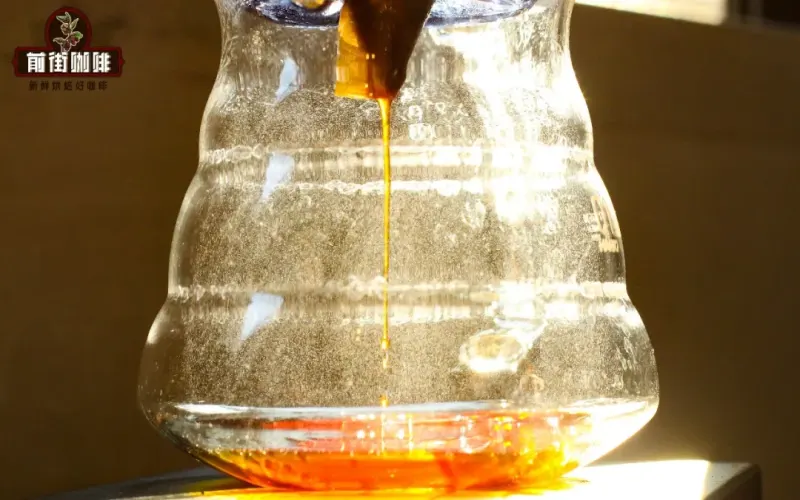
Judging Espresso Extraction by Color Observation: Is It Reliable? Tips for Identifying Under-Extraction and Over-Extraction
During coffee extraction, many enthusiasts try to judge the extraction state by observing changes in the color of the coffee liquid—the so-called "reading the color" method. Does this method have any scientific basis? Can it accurately distinguish between under-extraction and over-extraction? Front Street Coffee, based on practical testing, found that the color of the coffee liquid does indeed become lighter as extraction progresses, because the acidic and sweet substances among the solubles have smaller molecules and dissolve more quickly, while the bitter substances have larger molecules and dissolve more slowly. Once the acidic and sweet substances have largely dissolved, the bitter substances are still being released, and the coffee liquid begins to take on a whitish hue, which is usually regarded as a signal of approaching over-extraction. However, this method is greatly affected by factors such as flow rate and roast level, and is only suitable as an emergency reference; stable output still needs to rely on measuring tools such as an electronic scale. [more…]