







What does the foam on pour-over coffee tell you?
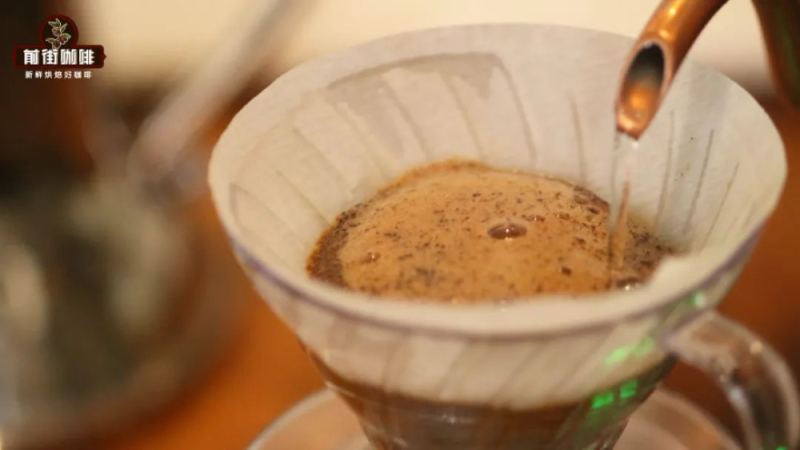
The foam on pour-over coffee is made of carbon dioxide, oils, large coffee particles, and a small amount of fine powder. Its color depth comes mainly from those large particles: while they float, the foam looks golden, and as they sink the foam turns pale white.
During blooming, most grounds release gas, but larger coffee particles are penetrated by water more slowly and keep floating. Later pours wash them down, which is why the foam lightens. Watching foam color during brewing helps guide circle size and pour placement.
When brewing pour-over coffee, a layer of foam often floats on the surface of the liquid in the dripper, sometimes thick and golden, sometimes thin and whitish. What exactly makes up this layer of foam? What can its color depth and quantity tell us about the brewing? From the perspective of Front Street, this article analyzes the sources of the foam's components, explains how large coffee particles affect the foam's color, and further reveals how the degree of roasting and the freshness of the coffee beans determine the richness of the foam, helping you adjust your pouring technique and judge the characteristics of the beans by observing the state of the foam.
Observant friends have probably already noticed that when brewing coffee, a layer of foam floats on the surface of the liquid in the dripper, and the foam behaves differently depending on the beans being brewed and the timing. Sometimes the foam produced is very rich, while at other times it is very sparse; sometimes it appears brownish-yellow, and at other times it turns whitish.
What impact does coffee foam have on our brewing? Or what brewing information can we get from the state of the foam? Let Front Street explore this. When pouring water after the coffee blooming, the coffee grounds burst out golden foam. This layer of foam is mainly composed of carbon dioxide, oils, large coffee particles, and a small amount of fine powder. Among these, the depth of the foam's color is mainly caused by the large coffee particles.
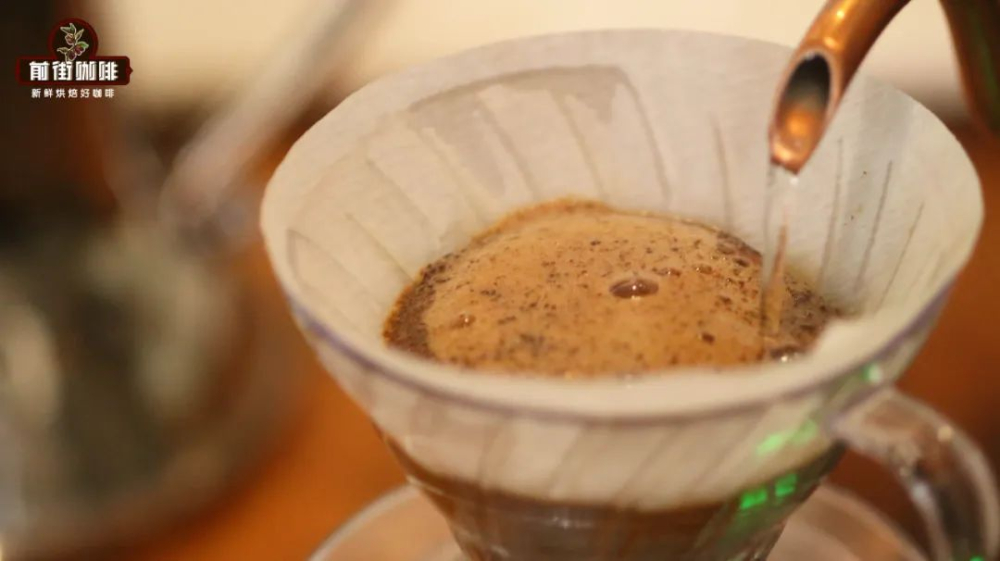
In our daily coffee brewing, through continuous pouring, the coffee foam slowly changes from deep yellow to pale white, which is actually the large coffee particles floating on the surface sinking down. The principle is also simple: during blooming, most of the coffee grounds release gas, but not completely. Some relatively large coffee particles are penetrated by water more slowly, so they take longer to release gas. When pouring water, these large coffee particles float on the surface because they are light. Subsequent pouring washes these coffee particles down, so the color of the foam becomes lighter.
Therefore, when pouring water, first flush out all the coffee bean foam, and when circling, decide the range of the circle based on the depth of the foam's color. For example, when only pouring in large circles, the foam in the middle will be darker than the outer ring, so when you see this, you need to slowly shrink the circling range and wash the coarse coffee particles in the center down. "Observing the evenness of the foam's color can also reveal the situation during pouring." When brewing different coffee beans, the richness of the foam is also different. Some coffees have very rich foam, while others are very thin, and the liquid surface may even show hollow areas in the foam. The richness of the foam is mainly affected by two reasons: one is the degree of roasting, and the other is freshness.
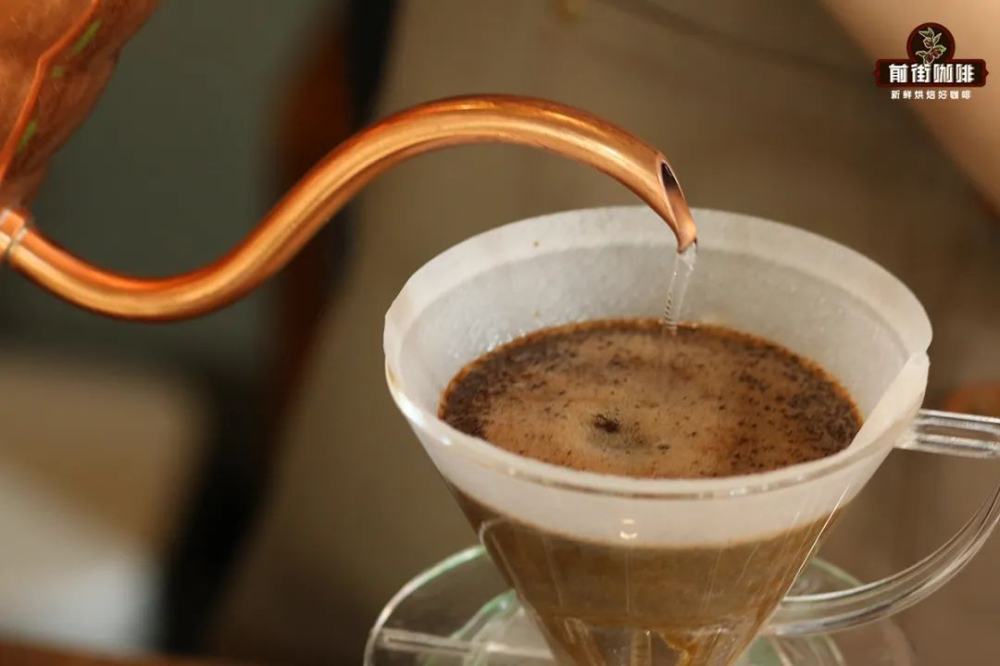
Coffee beans with a darker roast are richer in oils and carbon dioxide, and because the coffee's texture is loose, the coffee grounds easily float on the surface, so the foam produced is richer. Coffee beans with a lighter roast have relatively less oil and carbon dioxide, and the coffee beans are denser, so fewer coffee grounds float on the surface. When brewing some light-roast coffees, after pouring is finished, the foam on the surface gradually decreases as the liquid level drops, and this is also a normal phenomenon. The thin foam clings to the edge of the filter paper as the liquid level drops.
Similarly, the richness of the foam is also related to the freshness of the coffee beans, because the foam is composed of coffee oils and carbon dioxide. When the coffee beans have just been roasted not long ago and are still in a very fresh state, then during pouring after blooming, very rich foam will gush out.
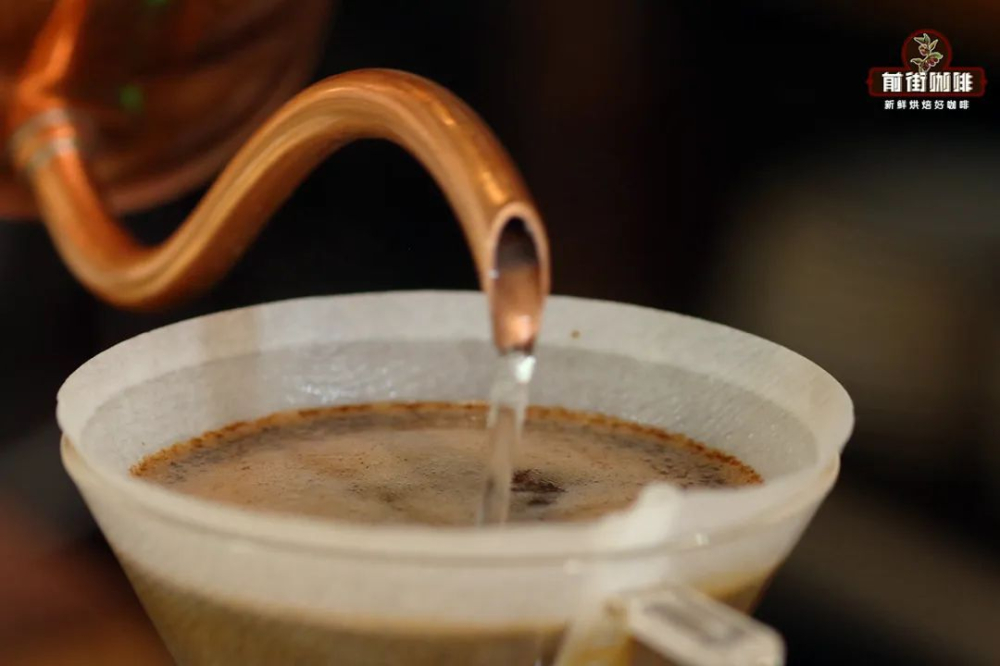
When coffee beans have been stored for a relatively long time, the carbon dioxide inside the beans has almost completely dissipated, so during brewing, the amount of foam released is relatively small. Therefore, in daily coffee brewing, we can judge the degree of roasting of the coffee based on the performance of the foam. For example, if some coffee beans look similar in color to the naked eye and have similar flavor descriptions, we can distinguish them by observing the richness of the foam; we can also judge the freshness of the coffee beans, generally combining this with the degree of expansion during blooming. We can also adjust the pouring method based on the state of the foam.
The above content is compiled by CoffeeHunters, a coffee news website.


