








The roasting level of coffee largely determines the flavor profile of the coffee. When purchasing single-origin coffee beans, you may notice that the label indicates the roast level, such as light roast,medium roastor dark roast. Some also label cinnamon roast, city roast, French roast, etc., which leaves many beginners quite puzzled. In this article, Front Street Coffee will guide you through how to distinguish coffee bean roast levels.
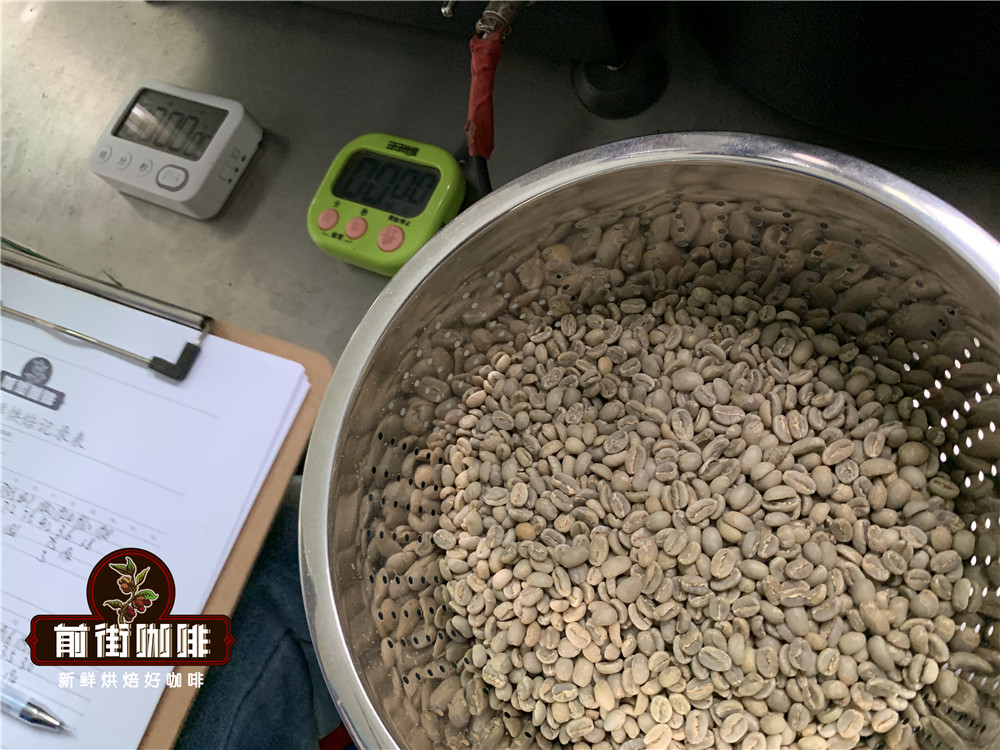
Was there no standard for coffee roasting at the very beginning?
Coffee is grown in producing countries between the Tropic of Cancer and the Tropic of Capricorn, whilecoffee roastingtypically involves shipping green beans to the consuming region before roasting. What each country and region considers light, medium, or dark roast is not on the same scale, lacking comparability. Since everyone disagreed on each other's definitions of roast levels, the Specialty Coffee Association of America (SCAA), as one of the authoritative representatives in the coffee industry, teamed up with Agtron to use the coffee Agtron value as a standard, allowing everyone to communicate on the "same channel" based on each other's roasting experience.
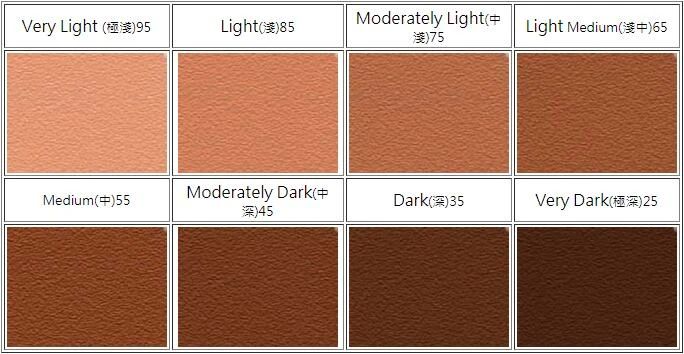
SCAA Roast Standards
The SCAA uses infrared caramelization measurement technology (Agtron) to measure the color of coffee beans to determine the roast level, and divides the color from light to dark into eight equal parts, creating eight standard color patches for the coffee industry to use as roast identification. FrontStreet Coffee currently roasts coffee beans basically between cinnamon roast and medium roast. FrontStreet's medium-light roasted coffee beans continue caramelizing for about 1-3 minutes after first crack based on the characteristics of the coffee beans, enhancing the overall layering of the coffee. During caramelization, acidity decreases and body increases, while FrontStreet's medium-dark roast is actually medium roast, removed from the roaster when approaching second crack.
Agtron color value #95: Light Roast
Drop time: Dense first crack about to end
Agtron color value #85: Cinnamon Roast
Drop time: Around the end of first crack
Agtron color value #75: Medium Roast
Drop time: After first crack ends
Agtron color value #65: High Roast
Drop time: The quiet period between first and second crack
Agtron color value #55: City Roast
Drop time: Second crack begins
Agtron color value #45: Full City Roast
Drop time: Before dense second crack
Agtron color value #35: French Roast
Drop time: During dense second crack
Agtron color value #25: Italian Roast
Drop time: Oils begin to seep onto the bean surface
Flavor expression of coffee at different roast levels
The above description may be somewhat difficult for beginners to understand. Front Street here divides the 8 roast levels into 4 categories, so that you can see at a glance the flavor direction of coffee beans at different roast levels when brewed.
Medium Roast (including Medium Roast and High Roast): Medium-roasted coffee beans have a pronounced body after brewing, with reduced acidity and a full, solid mouthfeel.

Dark Roast (including French Roast and Italian Roast): Dark-roasted coffee beans are extremely rich after brewing, with no acidity, a heavy, solid mouthfeel, and abundant oils.
So how does Front Street roast the cinnamon-roasted Yirgacheffe Geddid Cooperative coffee beans and the medium-roasted Indonesian PWN Golden Mandheling coffee beans?

FrontStreet Coffee——Yirgacheffe Geddid Cooperative Coffee Beans
Region: Yirgacheffe Gedeo Zone
Altitude: 1900-2300m
Variety: Heirloom
Processing Method: Washed
Grade: G1
For beans like Yirgacheffe, Front Street's roasters often use a light roast to present its floral and fruity character. For this washed Geddid coffee bean, Front Street's roaster uses a low flame to extend the bean's dehydration time.
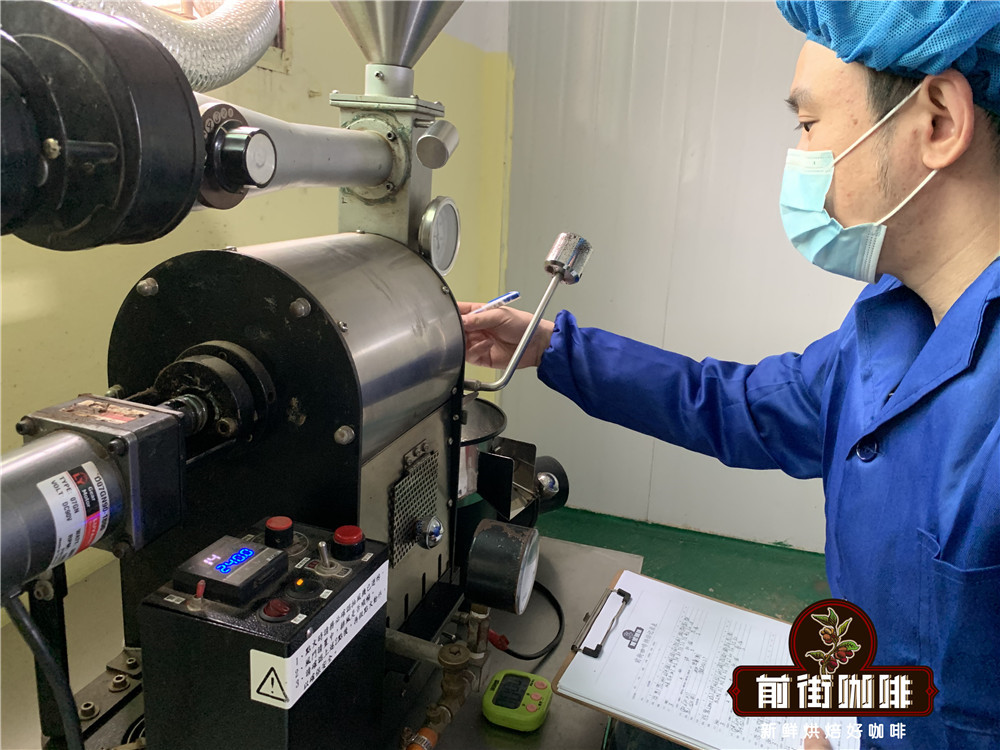
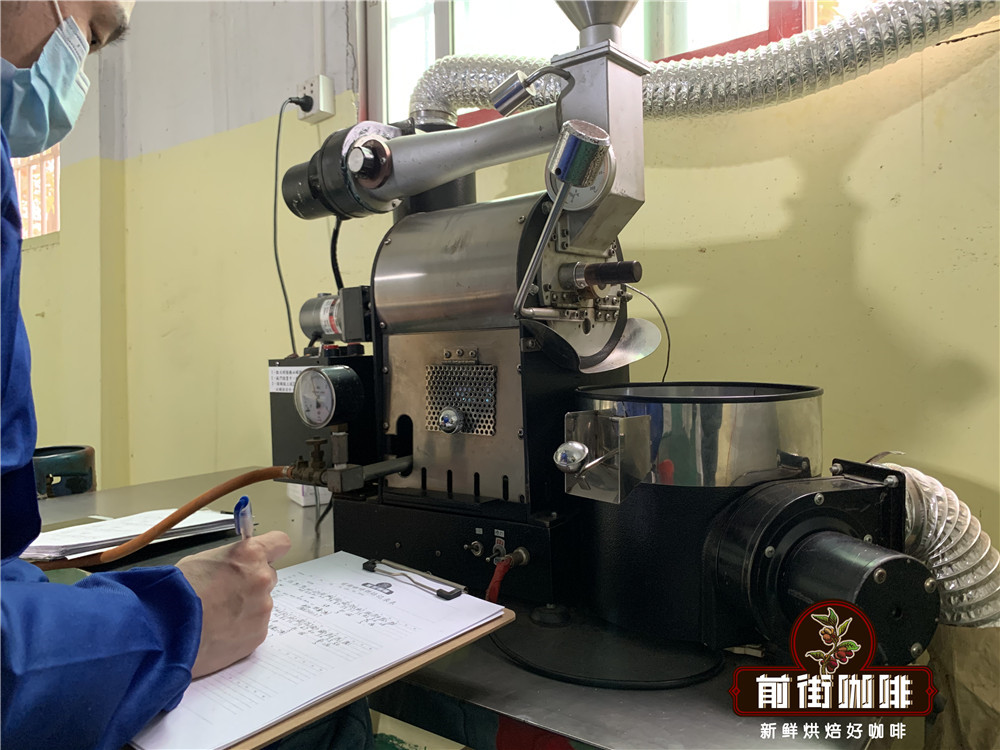
Charge at a drum temperature of 175°C, with the damper set at 3 and the gas at 120; the turning point is at 1'32". When the drum temperature reaches 140°C, keep the gas unchanged and open the damper to 4; at this point the bean surface turns yellow, the grassy smell completely disappears, and the dehydration phase begins. At 166°C, reduce the gas to 100, and at 176°C reduce the gas to 80, keeping the damper unchanged. At 8'28", ugly wrinkles and dark streaks appear on the bean surface, and the toasted bread smell clearly turns into coffee aroma, which can be defined as the prelude to first crack. At this time, listen carefully for the sound of first crack. At 9'38", first crack begins. Adjust the damper to 5 (adjusting the gas must be done very carefully, not so low that there is no cracking sound). After first crack, develop for 1'30'', then drop at 193.5°C.
How FrontStreet Coffee BrewsYirgacheffe Geddid Cooperative Coffee Beans?
In order to better express this coffee bean's rich floral and fruity aromas and layering, Front Street decided to use a V60 dripper for brewing. The spiral rib design of the V60 dripper not only extends the contact time between coffee grounds and water, but also allows the water flow to concentrate along the spiral ridges toward the center point of the dripper, creating pressure on the coffee grounds through the downward gravity of the water flow, resulting in greater layering.
Water temperature: 91-92°C
Dose: 15g
Coffee-to-water ratio: 1:15
Grind size: Medium-fine (80% passing through a No. 20 sieve)

This time, a staged pouring method is used. First, pour 30g of water for a 30-second bloom, during which the coffee expands into a "hamburger" shape. For the second pour, pour 125g of water in small circles from the center. The pouring height is 4cm, with gentle force to minimize the turbulence of the coffee bed, and the flow rate is 4g per second. When the water level drops to 1/2 of the coffee bed, begin the third pour. This pour is also gently spiraled from the center outward until reaching a total of 225g, then stop pouring. After all the coffee liquid has dripped through the dripper, the extraction is complete, taking 2'01". After extraction, gently swirl the coffee, and taste once the coffee liquid is fully uniform.
Brewing flavor of Yirgacheffe Geddid Cooperative Coffee Beans:Citrus and black tea on the entry, with cream, caramel, and almond as the temperature changes. The finish is notably sweet and the mouthfeel is clean and refreshingly sweet.

FrontStreet Coffee——PWN Golden Mandheling Coffee Beans
Region: Sumatra Aceh Gayo Mountain
Altitude: 1100-1600m
Variety: Ateng
Processing Method: Wet-hulled
PWN Golden Mandheling Coffee BeansThey use the sun-dried processing method, with a moisture content between 12%—15%. They belong to green beans with relatively high moisture. Compared with sun-dried beans, there is a relatively high deviation in moisture, so special attention must be paid during dehydration. For green beans with high moisture content, you can charge the green beans and immediately close the damper, steam for 30 seconds, then open to 3, until the color of the green beans turns light green or white, then open the damper to 4, and after first crack open to 5 (maximum).
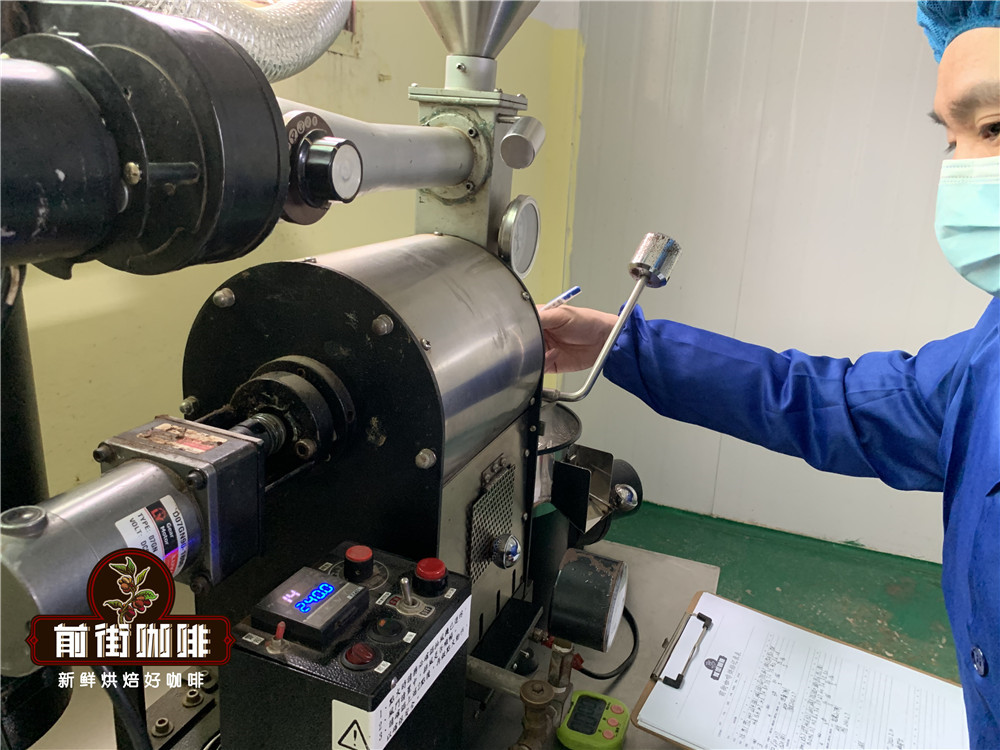
Charge at a drum temperature of 200°C, with the damper set at 3. After 1 minute, adjust the gas to 160°C, keeping the damper unchanged. Roast until 5'40'', at a temperature of 148°C, when the bean surface turns yellow, the grassy smell completely disappears, and dehydration is complete. Adjust the gas to 140°C and change the damper to 4; at 9'40'', ugly wrinkles and dark streaks appear on the bean surface, and the toasted bread smell clearly turns into coffee aroma, which can be defined as the prelude to first crack. At this time, listen carefully for the sound of first crack. At 9'54'', first crack begins. Reduce the gas to 60°C, open the damper fully (adjusting the gas must be done very carefully, not so low that there is no cracking sound), and drop at 204.5°C.
How does FrontStreet Coffee brew Indonesian PWN Golden Mandheling coffee beans?
In order to highlight the rich, clean, and fragrant characteristics of PWN Golden Mandheling, Front Street uses the KONO Meimon dripper for brewing. The guide grooves of the KONO Meimon dripper“ribs” extend to the bottom of the outlet where the coffee liquid flows out. Because the ribs are at the bottom and very short, and fit closely with the filter paper, the flow rate is slower than the V60, making it suitable for brewing coffee where you want to express body.
Water temperature: 86-88°C
Dose: 15g
Coffee-to-water ratio: 1:15
Grind size: Medium-coarse (65% passing through a No. 20 sieve)
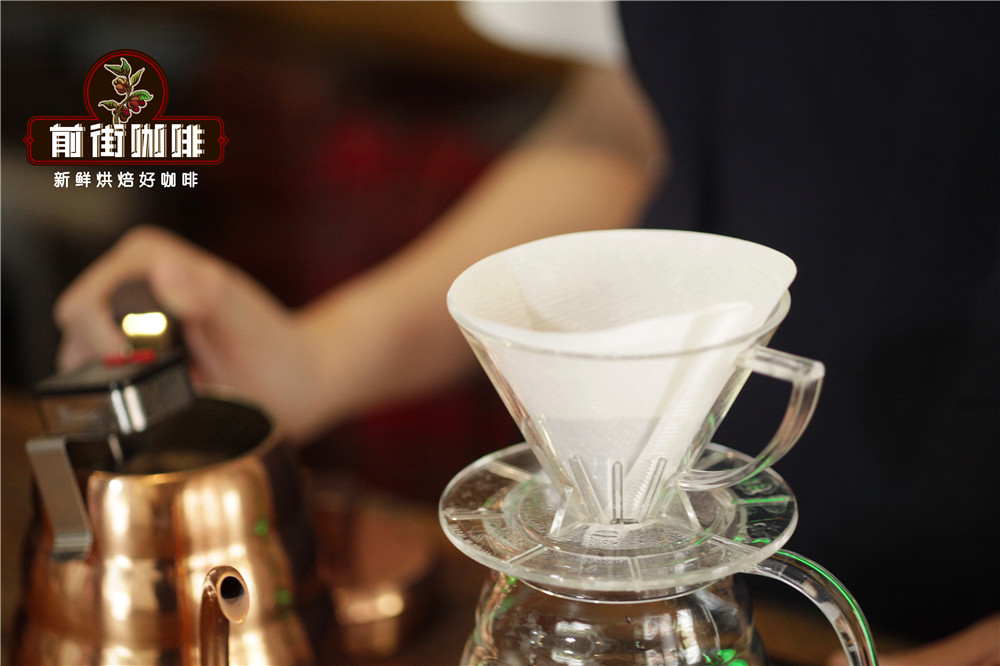
After rinsing the filter paper, pour in the ground coffee and gently level the coffee bed. The coffee dose is 15 grams. For the first pour, add 30 grams of 89°C hot water for a 30-second bloom. After blooming, pour the second stage until the total water reaches 125 grams, using a gentle circular pouring method to avoid collapsing the coffee bed. After pouring, let the water slowly filter and extract on its own. When the liquid level drops to one-third, pour the final stage until the total water reaches 225 grams. The pouring is completed in about 1 minute 32 seconds, and extraction ends at about 2 minutes, then remove the dripper.
Brewing flavor of PWN Golden Mandheling:Sweet herbs, cinnamon-like spices, orange and pomelo peel notes, rich and full-bodied sweetness, creamy walnut chocolate. The fruit acidity is restrained and soft, with a strong melon aroma in the fragrance. As the temperature drops, herbal notes emerge, with faint spices. The herbal aroma is full-bodied with a rich sweetness.
For more specialty coffee beans, please add the private WeChat of FrontStreet Coffee, WeChat ID: kaixinguoguo0925
The above content is compiled by CoffeeHunters, a coffee news website.

