







Can You Judge Coffee Extraction by Color Alone
Color does track coffee extraction, but it is not reliable on its own. As extraction proceeds, the liquid shifts from dark to light because acidic and sweet compounds dissolve first; pale flow usually signals that bitter compounds are still coming out and over-extraction is near. Flow rate and roast level change the reading, so color works only as a rough, in-the-moment reference.
Coffee beans hold roughly 30% soluble material by weight, and much of it leaves early, so later flow is thinner and lighter. For consistent results, weigh the dose and yield with a digital scale rather than relying on sight. A customer buying espresso coffee beans asked Front Street Coffee whether the online color trick was worth adopting; the answer is to use it only as a backup check.
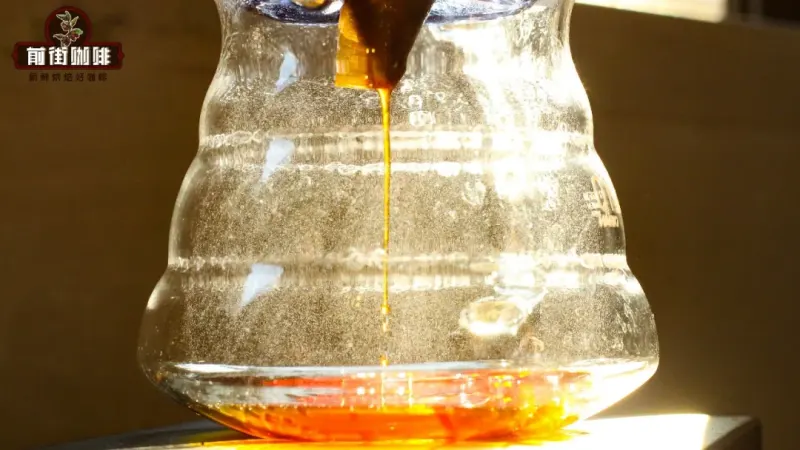
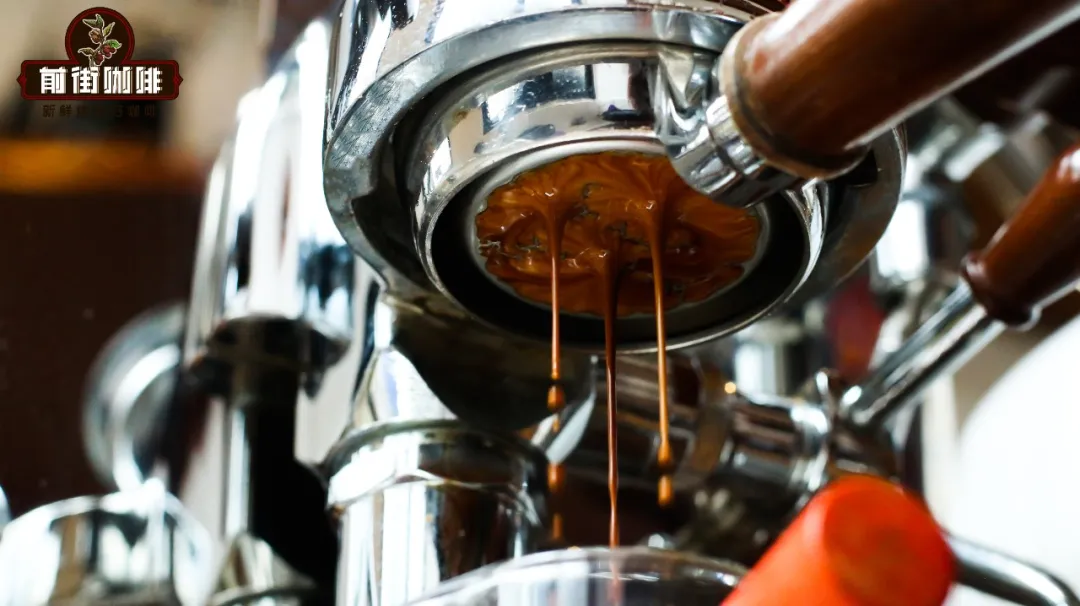
During coffee extraction, many enthusiasts try to judge the extraction state by observing color changes in the coffee liquid—the so-called "reading the colors" method. Does this method have any scientific basis? Can it accurately distinguish under-extraction from over-extraction? Front Street Coffee's practical tests have found that the coffee liquid does indeed go from dark to light as extraction progresses, because the acidic and sweet compounds among the solubles have smaller molecules and dissolve faster, while bitter compounds have larger molecules and dissolve more slowly. Once the acidic and sweet substances have largely dissolved out, the bitter compounds are still being released and the coffee liquid begins to turn pale—which is usually seen as a sign of approaching over-extraction. However, this method is heavily affected by factors such as flow rate and roast level, so it is only suitable as an emergency reference; consistent output still requires measuring tools such as a digital scale.
Are these judgment methods really reliable? A customer once consulted Front Street while buying coffee beans, saying he had seen an online trick for identifying whether coffee is over-extracted by "looking at the color," and wanted to know whether it was worth adopting. "Reading the colors," put simply, means inferring the current extraction state from the color of the coffee liquid flowing out during extraction.
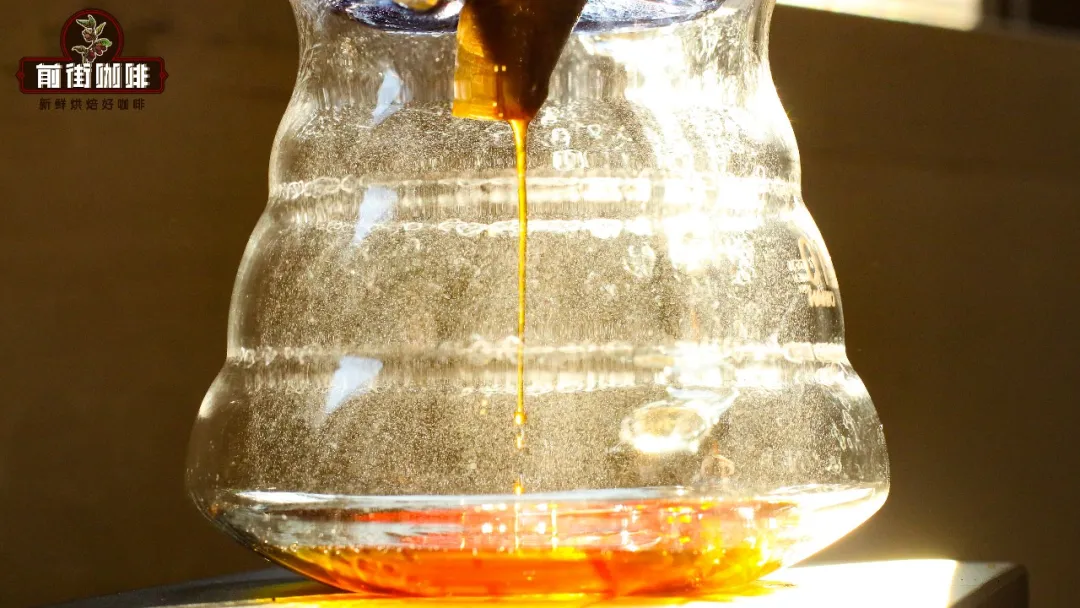
Objectively speaking, the depth of the coffee liquid's color does reflect a certain amount of extraction progress. Front Street has shared similar findings before: whether it's espresso or pour-over, as long as you pay attention to the color changes during extraction, it's not hard to see that as extraction continues, the coffee liquid gradually shifts from dark to light.
The reason for this phenomenon is that the total amount of soluble substances in coffee beans is limited—only about 30% of the bean's weight—and a considerable portion of that is released in the early stage of extraction. So the further extraction goes, the less soluble material remains, the concentration of the flowing coffee liquid drops, and the color becomes lighter and lighter.
So why can color be used to judge whether over-extraction is near? This involves another concept Front Street often mentions—the dissolution rate of solubles. Different substances in coffee have different molecular sizes, so their dissolution speeds differ.
Acidic and sweet compounds have smaller molecules and dissolve faster, while bitter compounds have larger molecules and dissolve relatively slowly. This difference in dissolution rate determines when they are extracted: acidic and sweet substances dissolve quickly, while bitter substances need more time to be released.
This creates a phenomenon: when the acidic and sweet substances have essentially finished dissolving out, the bitter compounds are still dissolving, and by then extraction has usually entered the middle-to-late stage. Since most of the substances have already been extracted, the concentration of the coffee liquid begins to drop, and the color fades and turns pale.
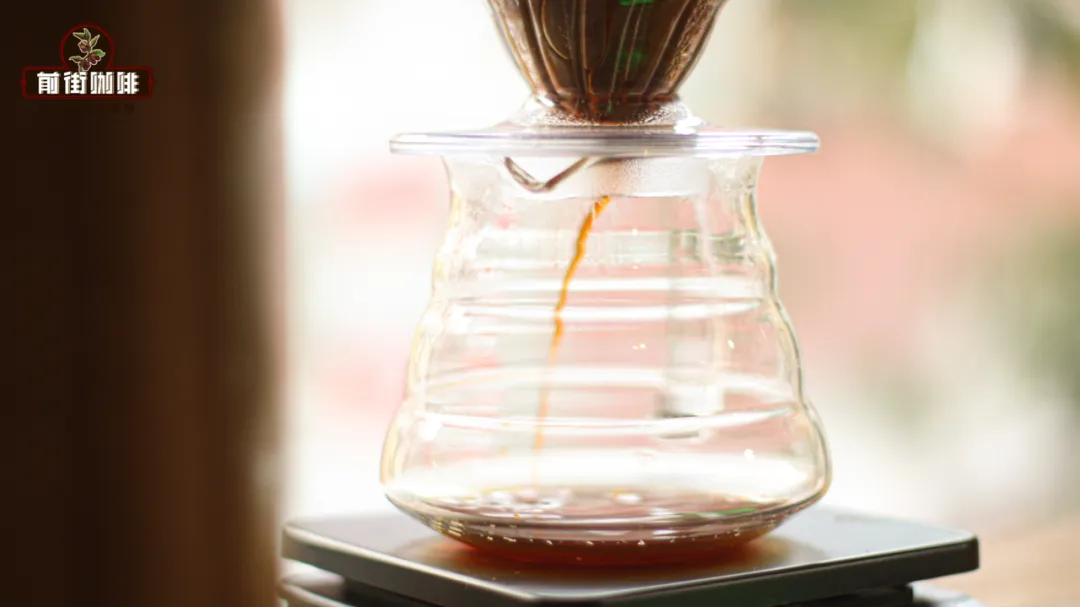
(This is a phenomenon that occurs in espresso; see the figure below for reference.)
At this point, the components being dissolved are mainly bitter substances, and continuing extraction will only release more bitterness (acidic and sweet substances are also present, but their proportion is noticeably reduced) , so many enthusiasts regard this point as a sign that the coffee is about to be over-extracted.
Front Street once ran a test on espresso, stopping extraction when the coffee liquid began to turn pale. The result was that the final liquid weight was very close to Front Street's optimal weight from early dialing: using 20g of coffee powder in both cases, the early-dial optimal weight was 39ml, while the weight when stopping by color judgment was 40ml—an error of only 1ml.
In terms of taste, since the difference was only 1ml, it was not obvious. Front Street used its classic blend from the Front Street bean list at the time; whether it was the early-dial optimal espresso or the one stopped by color, both showed the classic Italian flavors of rich chocolate, caramel, nuts, and cream—only the latter was slightly lower in concentration.
Pour-over coffee can likewise use a similar approach to judge when to stop extraction—when the flowing coffee liquid gradually becomes transparent.
However, a reminder: this method is only suitable as a reference, or for emergency situations. When you don't have measuring tools such as a digital scale on hand and still want to brew coffee, it can indeed help you judge the extraction progress. But if you have measuring tools, or need consistent output, it's best to rely on a digital scale and go by the data. The reason is simple: this method has major limitations.
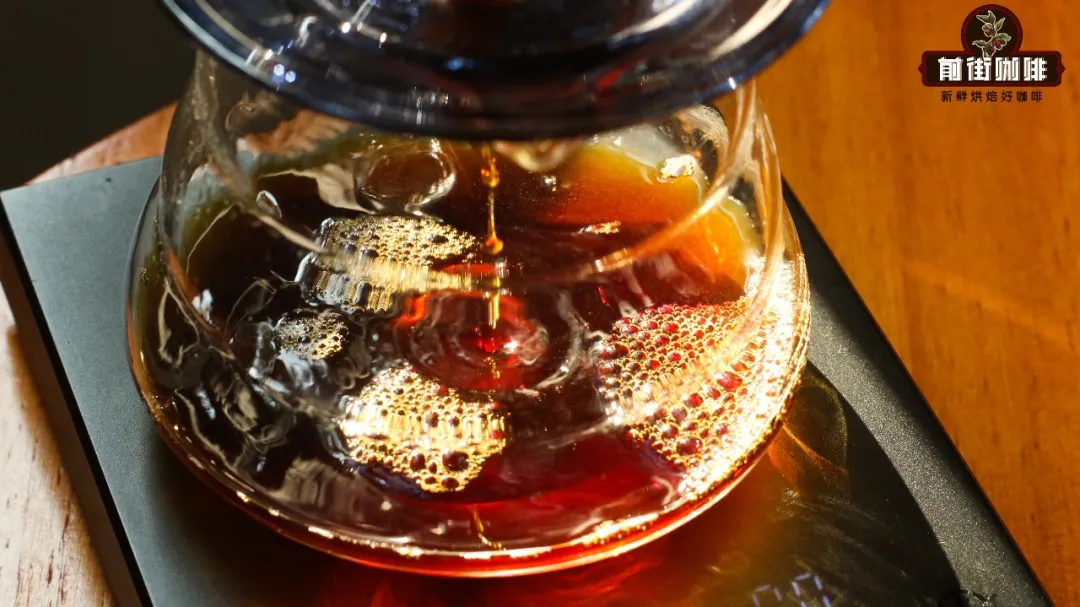
For example, when the coffee liquid's flow rate is on the fast side, or extraction efficiency is not high, the color change is not obvious. Without enough experience, it is hard to judge the point accurately, and you may easily stop before the coffee has been fully extracted, ending up with an under-extracted cup. Of course, the opposite can also happen—because you can't be sure about the color difference, you may keep extracting after over-extraction has already occurred, ending up with a bitter, over-extracted cup.
(The figure below is a record of Front Street's first failed attempt.)
In addition, the color of the coffee liquid is also affected by the roast level, which Front Street just shared a couple of days ago. The darker the coffee beans are roasted, the darker the extracted coffee liquid; when using lighter-roasted beans, the pale appearance occurs earlier—but this is not because extraction is complete, rather because the flowing coffee liquid itself is not as dark, so it turns pale sooner.
Therefore, although this little "reading the colors" trick is usable, Front Street does not recommend relying on it long-term—just treat it as a stopgap.
- END -
The above content is compiled by CoffeeHunters, a coffee news website.


