







Search Results for: Port of Mokha Yemen

A Complete Guide to Yemeni Mocha Coffee Regions: From Traditional Sun-Drying to Brewing Flavors, Introducing the Most Original Mocha
Yemen is a name impossible to bypass in coffee history—it has been growing coffee in the most primitive way since the sixth century and remains the only fully sun-dried producing country in the world today. The mocha coffee produced here once captivated seventeenth-century Europeans and became the original meaning of the word "mocha." This article takes you into Yemen's coffee world: from the rise and fall of the port of Mocha, to the flavor differences among classic producing regions such as Mattari, Sanani, and Ismaili; from the agricultural predicament under the double assault of khat and drought, to farmers turning berries on the rooftops of stone houses in the ancient sun-drying method. We will also share Front Street Coffee's roasting curve and brewing parameters for the V60, cake cup, and KALITA three-hole dripper to help you fully understand this complex and wild coffee. [more…]
Yemen Mocha Coffee Flavor Characteristics and Pour-Over Tasting Guide: A Full Analysis from Origin Grading to Classic Producing Regions
Yemen was the first country in the world to cultivate coffee on a large scale, and the export history of the port of Mocha has given this coffee a legendary quality. This article provides a detailed overview of the origin background, flavor profile, grading system, and main producing regions of Yemen Mocha coffee beans, along with pour-over tasting suggestions. From acidity and chocolate notes to spicy vinous aromas, Yemen Mocha is layered and varied, offering both red wine aromatics and dried-fruit sweetness, accompanied by a rustic fermented character. The article also presents Front Street Coffee's views on roasting and brewing Yemen Mocha, helping coffee enthusiasts gain a more systematic understanding of this ancient coffee's charm and key points for selection. [more…]

What exactly is mocha coffee? From the Yemeni port to the modern beverage, one article explains the authentic flavor and roasting key points.
When many people mention mocha, their first reaction is coffee with milk and chocolate. But in fact, the most authentic mocha coffee is far more than that. From the export history of Yemen's Mocha port, to mocha beans with a chocolate-like aftertaste, and then to the moka pot and flavored mocha drinks, this name carries a rich coffee culture. This article will help you clarify the multiple meanings of mocha, understand the naming rules of Yemeni coffee, and share Front Street Coffee's roasting suggestions and brewing parameters for Yemeni mocha, so that you can truly understand what a proper cup of mocha is. [more…]
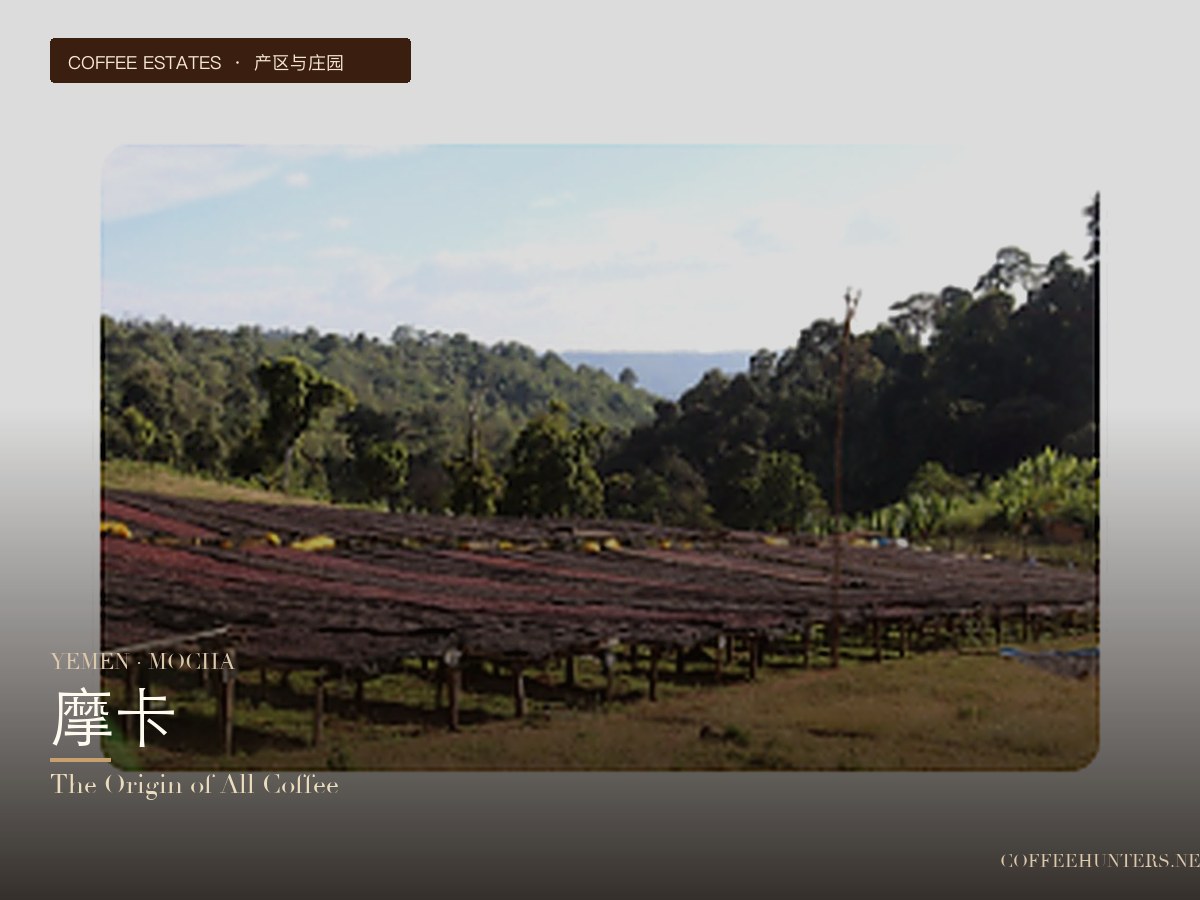
Yemen · Mocha: The Origin of Coffee and Ancient Flavors
Yemen is the birthplace of commercial coffee cultivation, and the port of Mokha was once the starting point of the global coffee trade. This article takes you through the long history of Yemeni coffee, its unique processing methods, and how it performs in the cup. [more…]
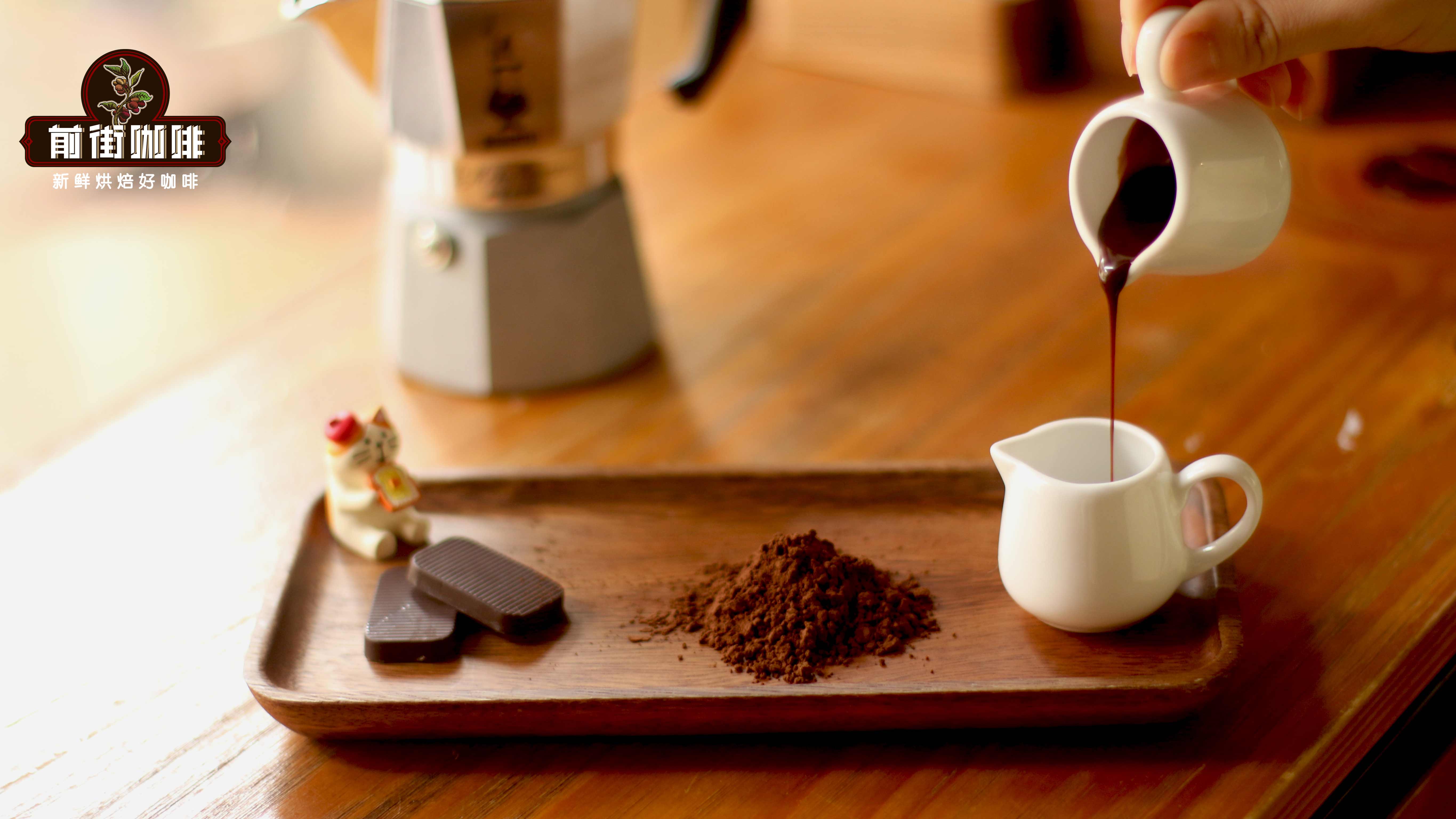
Yemeni Single-Origin Mocha and Espresso Mocha: From the Ancient Red Sea Port to the Evolution of Chocolate Coffee and Key Brewing Points
The name Mocha actually refers to two entirely different things in the world of coffee: one is a single-origin coffee bean originating from an ancient port in Yemen, and the other is the chocolate-milk-espresso drink commonly found in cafés today. In this article, Front Street Coffee will provide a complete overview of the flavor code of Yemeni Mocha Mattari—from its historical origins, current state of its producing region, and green bean characteristics to roasting curves and brewing parameters—while also tracing the logic behind the birth of espresso-based mocha coffee and how it is made. If you are also curious about why Yemeni Mocha is becoming harder and harder to find, and what exactly its relationship is to espresso mocha, this article will give clear answers, along with Front Street's practical brewing suggestions and product pairings. [more…]

Why Is Mocha Coffee Fading from Menus? A Complete Trace from Yemen's Mocha Port to Italian Chocolate
Mocha was once a classic on Italian menus alongside latte and cappuccino, but it is now increasingly disappearing from specialty coffee shops. Its name originates from the Port of Mocha in Yemen—from the 15th century onward, coffee beans were shipped through this port, and the sacks were marked "MOCHA," so Europeans collectively called the beans exported from there mocha coffee, and in the early period it even became synonymous with coffee. In the 18th century, Italy, in an attempt to recreate the chocolate notes of mocha beans, tried adding cocoa powder to coffee, which later evolved into a chocolate-added milk coffee with the spread of espresso machines. During the second wave, the combination of dark-roasted blend beans with chocolate sauce, cream, and other additions made mocha a representative sweet drink used to mask bitterness. The third wave of specialty coffee emphasized origin flavors, and together with the low-sugar healthy trend, the high-sugar, high-calorie mocha gradually fell out of favor in the market. The article sorts out its historical context and shares Front Street's method and recipe for making iced mocha. [more…]
How Is Yemeni Mocha Different from Espresso Mocha? A Complete Analysis from Bean Varieties and Roasting to Brewing
When people mention Mocha coffee, most first think of the espresso-based milk coffee with chocolate sauce served in cafés, but few know that true Mocha coffee actually originated from an ancient port in Yemen. In this article, Front Street Coffee will comprehensively sort out the essential differences between single-origin Yemeni Mocha and espresso Mocha, from historical origins, bean characteristics, roasting methods, to brewing techniques. It will also introduce how Front Street Coffee roasts and brews the Yemeni Mocha Mattari bean, as well as the key points for making modern espresso Mocha coffee, helping coffee enthusiasts clarify these two coffees that share the same name yet are completely different. [more…]

Mocha Coffee Beans, Mocha Beverages, and the Moka Pot: The Different Origins and Naming of Three "Mochas"
The word mocha appears repeatedly in the coffee world—mocha coffee beans, espresso mocha, and the moka pot. The three seem to share the same origin, but in fact their births span one to two centuries, and they have no direct brewing connection to one another. The clue that truly links them points to the port of Mocha in Yemen, which long ago ceased exporting coffee. This article starts from history and sorts out the origins of each of the three mochas one by one: how mocha coffee beans got their name from the port, why espresso mocha uses chocolate to imitate the flavor of days gone by, and why the moka pot borrowed the name mocha. At the same time, for friends who want to make good coffee with a moka pot, it also offers suggestions on choosing fresh medium-dark roasted beans. [more…]
The Triple Identity of the Word "Mocha": From Yemeni Coffee Beans to Espresso Drinks and Home Moka Pots
The word "Mocha" appears with extremely high frequency in the coffee world, but what exactly does it refer to? Friends new to coffee are often confused by the three things: mocha coffee beans, the mocha coffee drink, and the moka pot. In fact, their origins may span one or two centuries, and there is no direct derivative relationship between them, yet they all happen to share the name "Mocha." To sort out this relationship, the clues trace back to the Port of Mocha in Yemen. This article will break down the true meaning of these three "Mochas" one by one from three angles: historical origins, flavor characteristics, and brewing principles, and will also include Front Street Coffee's practical advice on choosing beans for the moka pot. [more…]
What exactly is the connection between Yemeni Mocha coffee beans, the espresso mocha drink, and the moka pot? And what are the prices?
Many friends who have just stepped into the world of coffee get confused the moment they see the word "Mocha": does it refer to coffee beans produced in Yemen, that espresso drink with chocolate added, or the small Moka pot in the kitchen? These three things share the same name, yet their origins are worlds apart. This article begins with the trade history of Yemen's Port of Mocha, tracing how Mocha coffee beans became legendary, why espresso Mocha borrowed this name, and the invention and naming logic of the Moka pot. It will also introduce several Front Street Coffee blends suitable for use with a Moka pot, helping you clarify the concepts, choose the right beans, and brew a rich cup of coffee. [more…]
Coffee Basics | What Does Mocha Mean in Coffee? Is Mocha Coffee a Black Coffee Made from Mocha Coffee Beans? Is There Any Connection Between the Moka Pot and Yemeni Mocha?
For more specialty coffee knowledge and sharing, please follow our WeChat official account: Front Street Coffee (FrontStreet Coffee). Many newcomers to coffee feel very confused when they see coffee terms containing "Mocha." Views on Mocha coffee differ between those who start with espresso-based coffee and those who start with single-origin coffee. [more…]
Yemeni Mocha Beans, Espresso Mocha Coffee, and the Moka Pot: The Origins and Differences of Three "Mocha" Names
In the world of coffee, the term "Mocha" points to at least three completely different things: Mocha coffee beans originating from Yemen, the espresso-based Mocha drink, and the Moka pot commonly found in Italian households. Many people new to coffee are often left confused by these identically named concepts. This article will start from their historical origins, preparation methods, and flavor characteristics to sort out the ins and outs of these three, helping you clarify the true relationship between them, and will also share Front Street Coffee's practical tips on daily brewing and bean selection. [more…]
Flavor Characteristics of Major Coffee Regions Around the World: A Guide to Tasting Profiles and Mouthfeel from Africa to the Americas
Even different plots within the same estate can produce coffees with distinct flavors, let alone major regions spanning continents. The three great specialty coffee belts—Asia, Africa, and Central & South America—nurture vastly different flavor profile characteristics due to terroir differences: Ethiopia's floral and citrus notes, Indonesia's rich herbal undertones, and Central America's balanced chocolate character, each with its own following. Before deciding to put a coffee on the shelf, Front Street Coffee repeatedly roasts and cups samples from each region, selecting the most representative lots before recommending them to consumers. This article systematically organizes the flavor characteristics and taste descriptions of major coffee-producing countries worldwide, covering Ethiopia and Kenya in Africa; Indonesia and India in Asia; Guatemala, Costa Rica, and Panama in Central America; and Colombia and Brazil in South America, providing coffee lovers with a complete flavor profile reference. [more…]
How to Describe Coffee Flavors? A Comprehensive Analysis of Flavor Characteristics of Major Coffee-Producing Countries and Regions Worldwide
Even coffee from different plots within the same estate can vary in flavor, let alone regions spanning different countries. The three major specialty coffee regions—Asia, Africa, and the Americas—each display distinctly different regional characteristics due to their unique terroir. Ethiopia's floral and citrus notes and the rich, full-bodied character of Asian coffees each have their own following. When recommending single-origin beans to customers, Front Street Coffee matches them based on taste preferences—those who prefer acidity can choose Front Street Kenya Small Tomato or Front Street Yirgacheffe, while those who enjoy a full-bodied cup can try Front Street Jamaica Blue Mountain or Front Street Golden Mandheling. Front Street currently offers more than 200 specialty coffee beans, and every bean has undergone repeated roasting tests and cupping screenings, only being recommended to consumers after confirming it is representative of its region. The following content is a coffee flavor guide compiled by Front Street after multiple rounds of roasting and cupping of common coffee regions around the world. [more…]
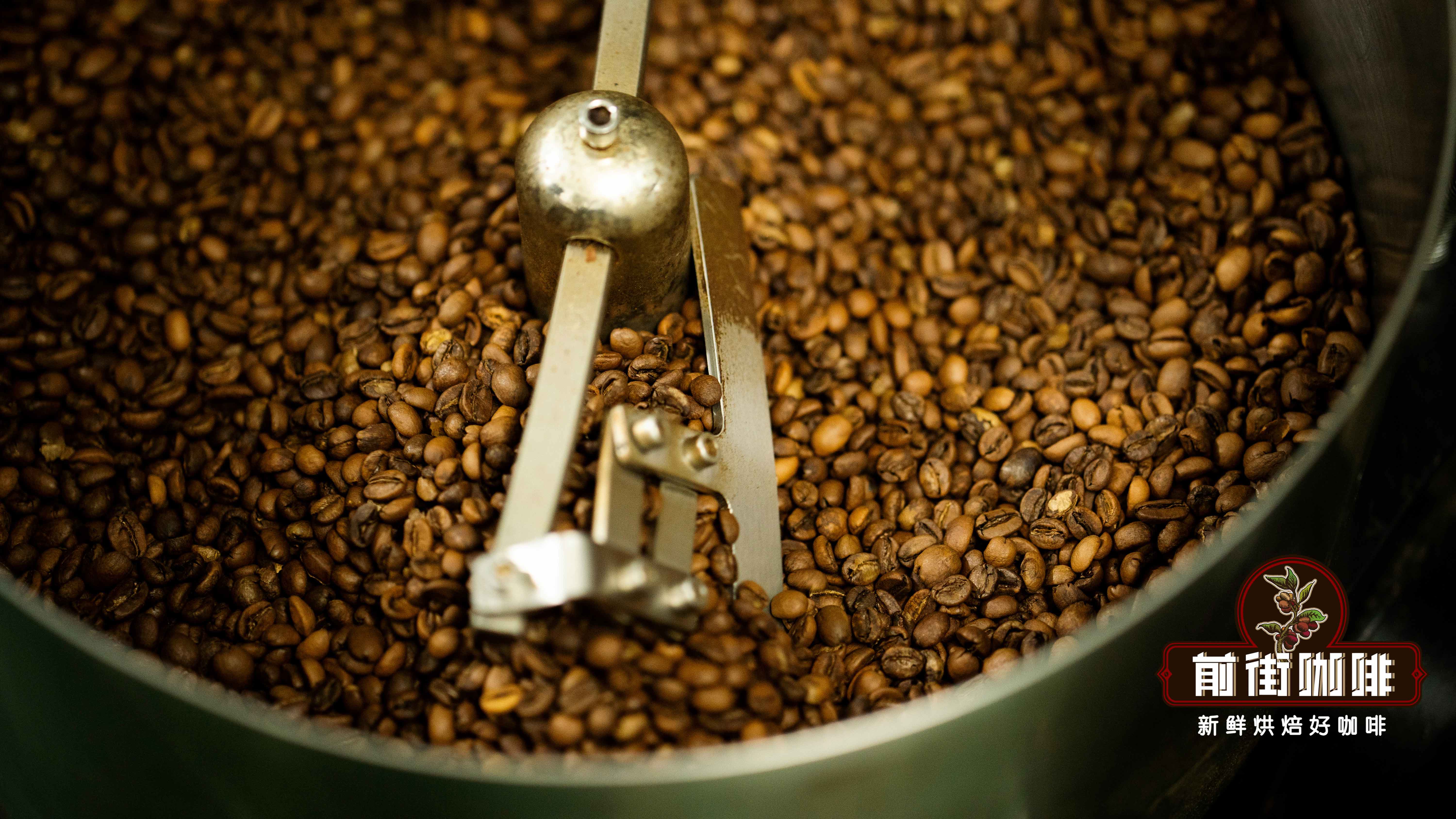
Mocha Coffee | What's the difference between pour-over mocha coffee and espresso mocha coffee? What is the flavor of Yemeni mocha beans? How is espresso mocha coffee made?
When it comes to mocha coffee, many people think of the espresso-based milk coffee with chocolate sauce added that is served in coffee shops today. A small number of people think of Yemeni mocha coffee. In this article, Front Street Coffee will explain the difference between espresso mocha coffee and single-origin mocha coffee! What is single-origin mocha coffee? Yemeni mocha [more…]

Mocha Coffee Drinking Methods and Bean Selection, with a Discussion of Moka Pot Usage and the Three Meanings of "Mocha"
The word "Mocha" has three identities in the coffee world: the Yemeni port of Mocha, the mocha drink in Italian coffee, and the moka pot found in countless homes. These three seem unrelated, yet each has had an impact on coffee history that cannot be ignored. This time, Front Street Coffee will sort out the meaning of these three mochas one by one: from how the Yemeni port of Mocha in the fifteenth century made "Mocha coffee" synonymous with high-quality coffee, to how Italians created the espresso-based mocha coffee to replicate the chocolate flavor of Mocha beans, and then to the invention of the moka pot and techniques for using it. The article will also share the moka pot brewing steps, coffee-to-water ratio, grind size standards, and the Brazil Queen Estate coffee beans that Front Street recommends for pairing with the moka pot, helping you brew a rich and full-bodied cup of coffee at home. [more…]

A Complete Guide to African Coffee-Producing Countries: From Ethiopia to Tanzania, a Specialty Flavor and Origin Guide
Africa, as the continent of coffee's origin, nurtures coffee beans with highly distinctive flavors thanks to its unique climate and terrain. From Ethiopia's Yirgacheffe to Kenya's AA grade, and from Yemen's Mocha to Tanzania's Kilimanjaro, each producing region displays alluring fruit acidity and regional character. This article systematically reviews the cultivation history, varieties, processing methods, and flavor characteristics of Africa's major coffee-producing countries, and includes information on various cooperatives and representative bean lots, making it suitable for coffee enthusiasts who want an in-depth understanding of the full picture of African specialty coffee. [more…]

Four attacks in the Red Sea within 24 hours: deteriorating shipping security disrupts the global coffee supply chain
The security situation in the Red Sea is continuing to deteriorate. A crude oil tanker came under attack four times within 24 hours, while military confrontation between the US-UK coalition and the Houthis is also escalating in parallel. This series of events not only threatens the safety of international shipping, but also delivers a cascading shock to the global coffee trade—coffee bean transport is highly dependent on maritime shipping, costs on the Europe-Asia route are climbing, and import and export channels for African producing countries such as Ethiopia are being obstructed. Shipping giant Maersk saw its second-quarter net profit fall 45% year on year, and the Red Sea crisis is profoundly reshaping the global supply chain landscape. [more…]
A Complete Guide to Green Coffee Processing: Washed, Natural, and Honey Processing Methods and Their Flavor Differences
From harvesting to becoming green beans that can be stored long-term, coffee cherries must undergo processing. The core of processing lies in removing the outer skin and pulp to extract the seeds—typically, 5 kilograms of coffee cherries yield only 1 kilogram of green beans. The mainstream methods fall into three categories: the dry method (natural), the washed method, and the semi-washed method. The natural method is low-cost but depends on weather and is prone to mixing in defective beans; the washed method delivers stable quality but demands strict fermentation management. Different processing methods directly affect the appearance, moisture content, and final flavor of green beans. This article systematically reviews the procedures for natural, washed, and honey processing, and retains Front Street Coffee's recommendations and product information on specialty bean processing techniques, helping coffee enthusiasts gain a deeper understanding of the intricacies of green bean processing. [more…]
Tracing the Naming Origins of Yemeni Mocha Coffee: A Legendary Journey from Port Mocha to Traditional Sun-Drying
Yemen, a country renowned for its frankincense and spice trade, is also one of the earliest places in the world where coffee was cultivated. From the biblical legend of Noah's Ark to the realm of the Queen of Sheba, this land carries thousands of years of civilizational memory. In the early 17th century, Yemeni coffee was exported to Europe through the ancient port of Mocha, and the MOCHA mark printed on the sacks led Europeans to call this delicious beverage "Mocha coffee," making the port of Mocha the originator of the world coffee trade. Its unique steep terrain and arid climate have created a wildness and complexity of flavor in Yemeni coffee that cannot be replicated. This article will trace the origin of the name Mocha coffee, explain in detail the ancient wisdom of Yemen's full natural sun-drying method, and provide an in-depth look at the unique charm of the three major producing regions: Sanaani, Mattari, and Ismaili. [more…]