







For more specialty coffee knowledge, please follow our WeChat official account: Front Street Coffee (FrontStreet Coffee)
Many newcomers to coffee feel very confused when they see coffee terms with "Mocha" in them. Those who start with espresso-based coffee and those who start with single-origin coffee have different perspectives on Mocha coffee. Let's explore the relationship between Mocha coffee beans, Mocha coffee, and the Moka pot!
Mocha
Taken literally, all of these are related to Mocha, and it's easy to assume that Mocha coffee beans are used as the base, the Moka pot as the extraction tool, and Mocha coffee as the final product. Of course, that assumption is definitely wrong! Because the time gaps between their appearances can be as much as 1-2 centuries. The only clue points to Yemen Mocha. So let's explore why they are all named after Mocha.
Mocha Coffee Beans
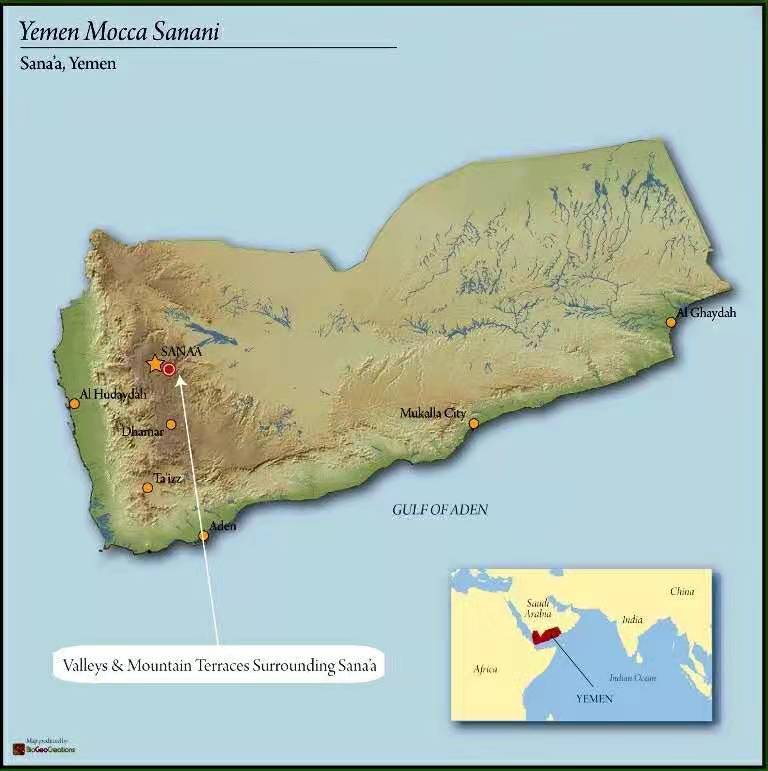
The Port of Mocha in Yemen, for over 300 years starting from the 15th century, served as an important port on the Red Sea, holding a status comparable to today's Port of Shanghai. The vast majority of the world's maritime cargo passed through this port. Coffee was not grown near Mocha itself; most of its coffee came from the high-altitude regions of central Yemen's mountains. After coffee exported through the Port of Mocha reached European countries, it received unanimous praise. At the time, people only knew that these coffee beans came from the Port of Mocha, so they were called “Mocha coffee (beans)”. Subsequently, any coffee exported through the Port of Mocha was sold under the label “Mocha coffee”.
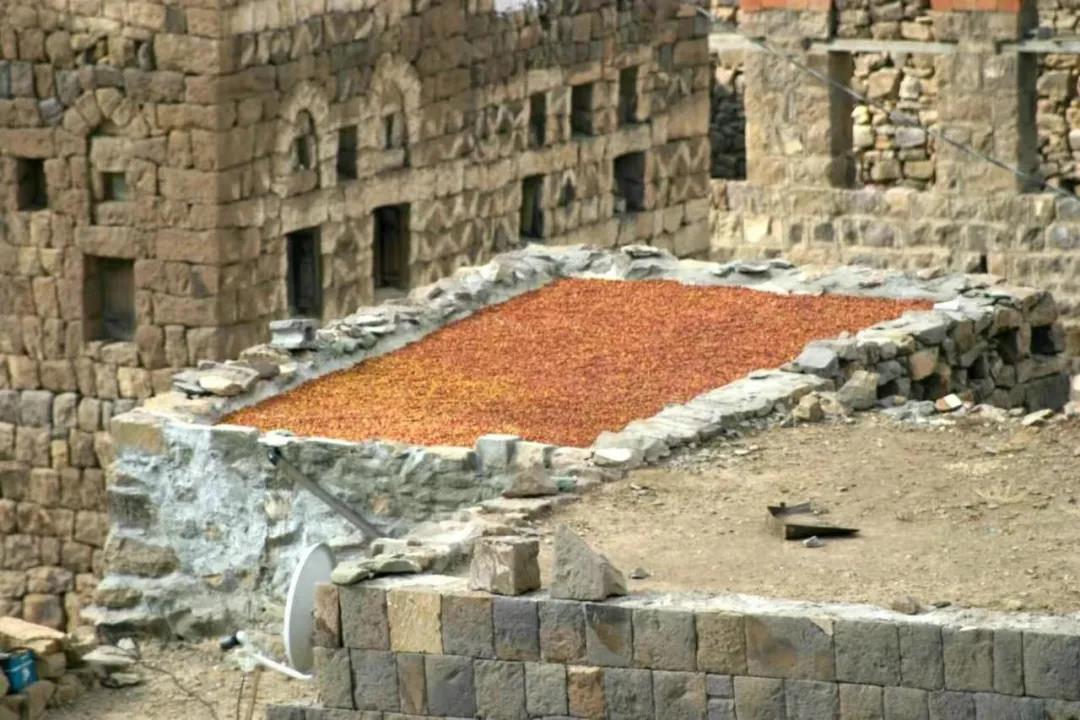
Even today, Yemeni Mocha coffee remains rare and precious in the world. In recent years, Yemen's ongoing turmoil has dealt a severe blow to coffee cultivation, with only a small amount of Yemeni coffee making its way out through the crossfire each year. A few years ago, Front Street was fortunate to obtain a bag of Mokha Mattari coffee, which originates from the Bani Matar region of Yemen and is named after it. Yemeni coffee packaging bags are different from other burlap sacks—they are made of fine-porous woven fabric similar to flour packaging bags.
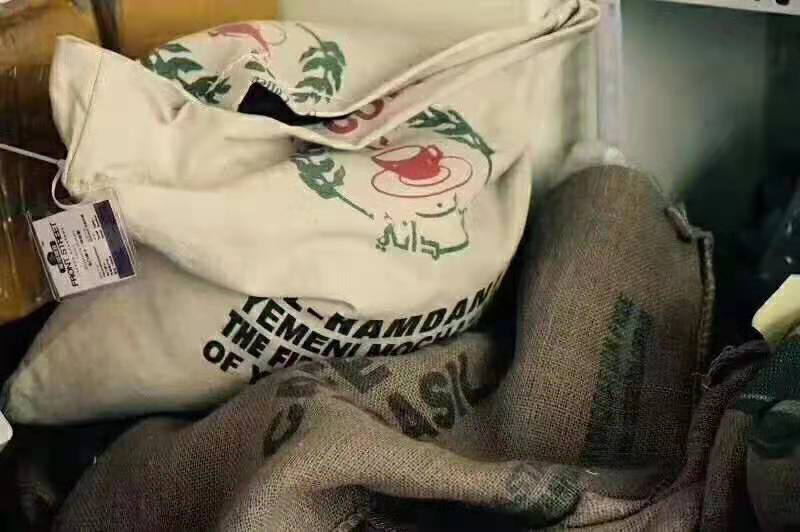
Yemeni Mocha coffee has developed different styles depending on the growing region—just like Mattari's chocolate notes and acidity, and Sanani Mocha's wildness and fragrance. But its main characteristic is a rich chocolate flavor.
Mocha Coffee
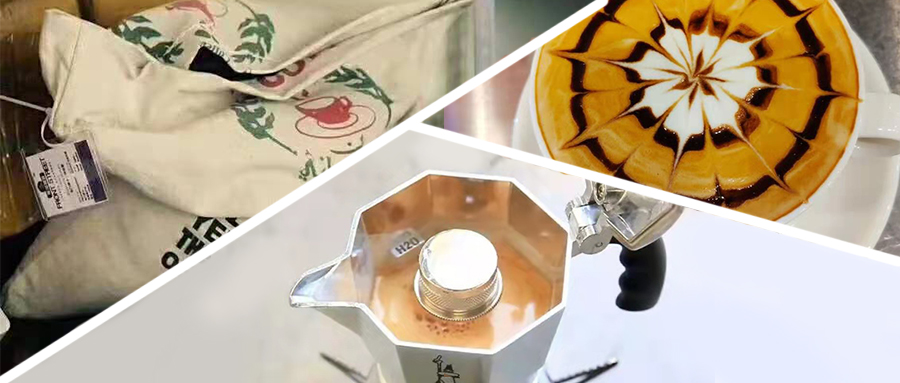
Here we understand Mocha coffee (Coffea Mocha) as a beverage in the espresso category. It is a coffee made from espresso, milk, and chocolate sauce (or chocolate powder), and some coffee shops use chocolate chunks instead of chocolate sauce or powder. Melting chocolate into the espresso, then adding steamed milk—this can be described as a blend of coffee and cocoa, a combination of aroma, richness, and sweetness.
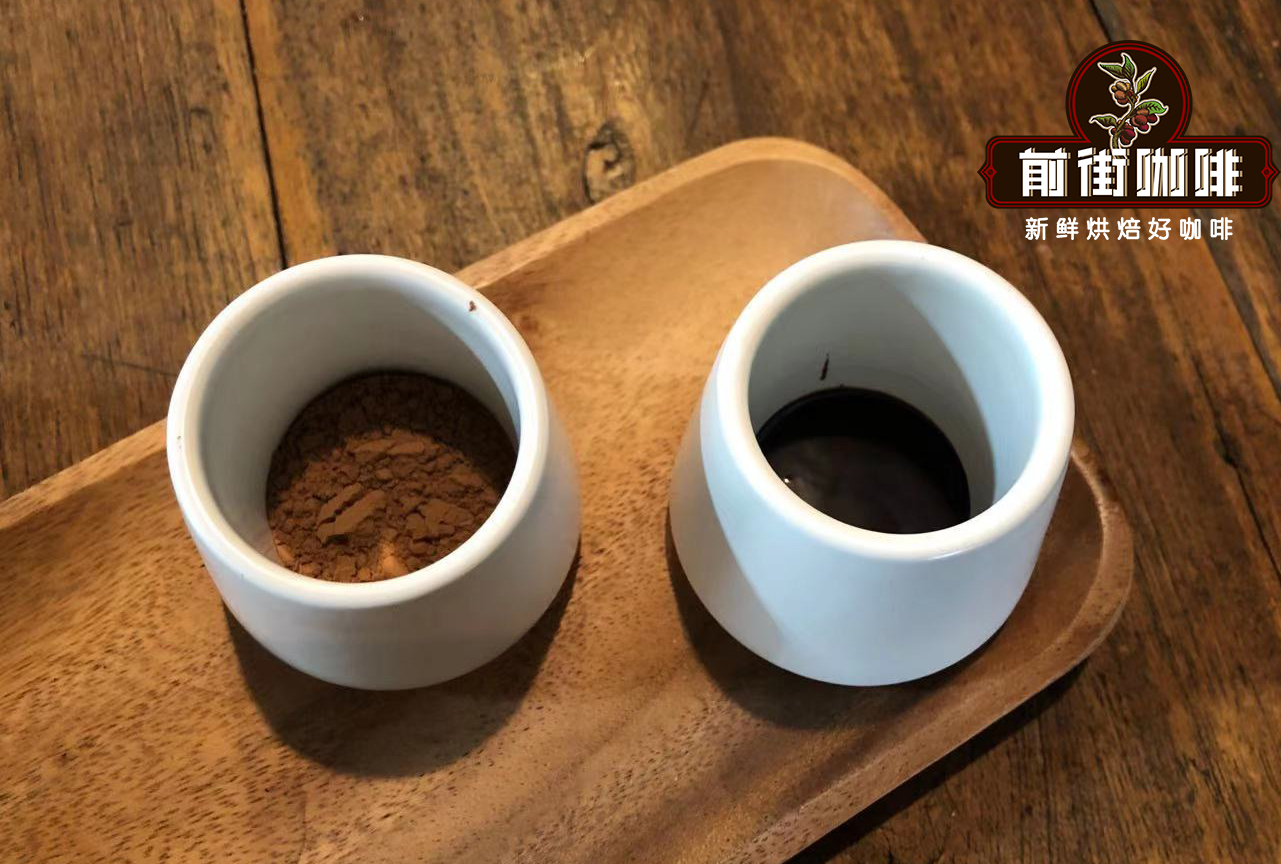
This seems to have no connection to Mocha. But the earliest history of espresso-based Mocha coffee can be traced back to 18th-century Italy. Although there is currently no more authoritative historical evidence to confirm the origin of the name "Mocha coffee," let us boldly speculate. In the 18th-century coffee world order, the Dutch brought coffee to Southeast Asia, the French brought coffee to South America, and Mocha had lost its monopoly on coffee. Coupled with the later Ottoman Empire's rule, Mocha coffee's market share gradually shrank.
Therefore, it is not hard to see that less Mocha coffee flowed into Europe. To imitate the chocolate notes in Mocha coffee beans, Italians added chocolate sauce to espresso and combined it with milk to create a flavor resembling Mocha coffee beans—this is not difficult to understand. Thus, the emergence of espresso-based Mocha coffee was very likely a product created to imitate the scarce Mocha coffee beans. Additionally, since Mocha coffee beans held a status in people's minds at the time comparable to today's Geisha coffee beans, creating a beverage with a flavor similar to Mocha coffee beans and labeling it “Mocha coffee” could better reflect its sophistication.
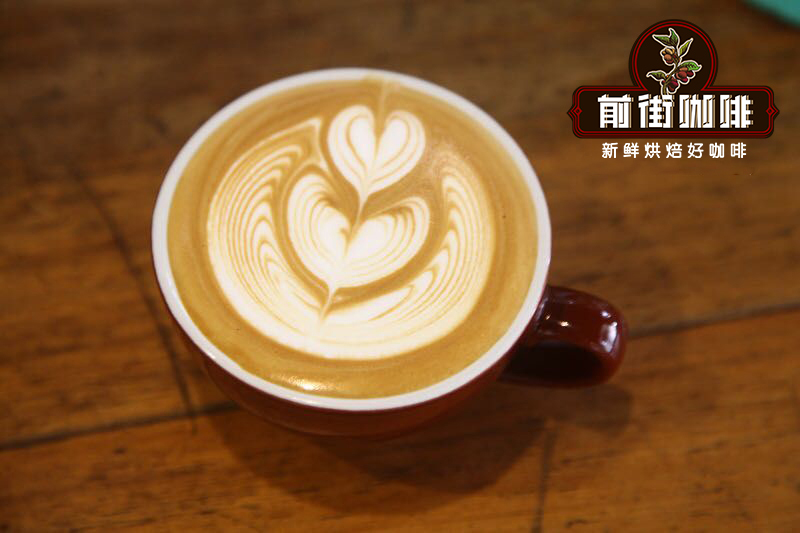
As espresso culture spread worldwide, espresso-based Mocha coffee (chocolate milk coffee) has also become an important member of the espresso family.
Moka Pot
This actually has little to do with the Port of Mocha. The Moka pot was invented by Alfonso Bialetti, and it is the latest-born among these three “Mochas” (1933). It is a traditional Italian household brewing device, not originating from Yemen Mocha. But its influence cannot be underestimated—it is said that every Italian household must have one.
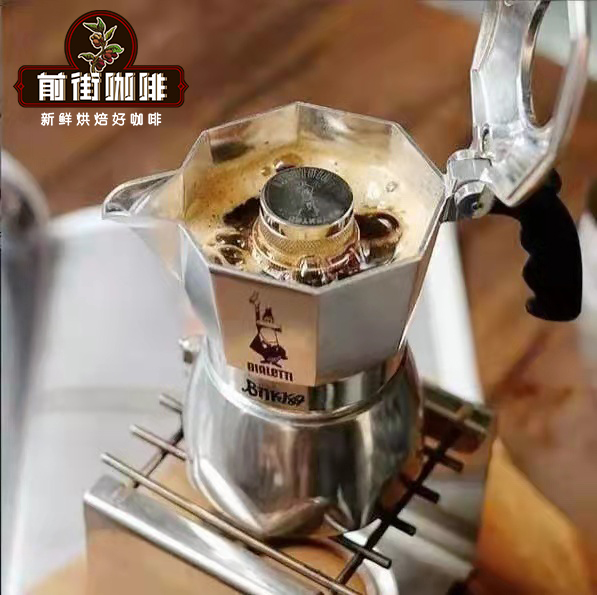
The Moka pot consists of three parts: the upper chamber, the filter basket, and the base. The base is the water reservoir, the filter basket holds finely ground coffee, and the upper chamber collects the extracted coffee. The principle of Moka pot extraction is simple: it uses the steam pressure generated in the base. When the steam pressure is strong enough to penetrate the coffee grounds, it pushes hot water up to the upper chamber, brewing rich and aromatic coffee. Although its pressure (1.5-2 bar) is dwarfed by that of an espresso machine (9 bar), it can still extract coffee oils and produce a rich, full-bodied taste.
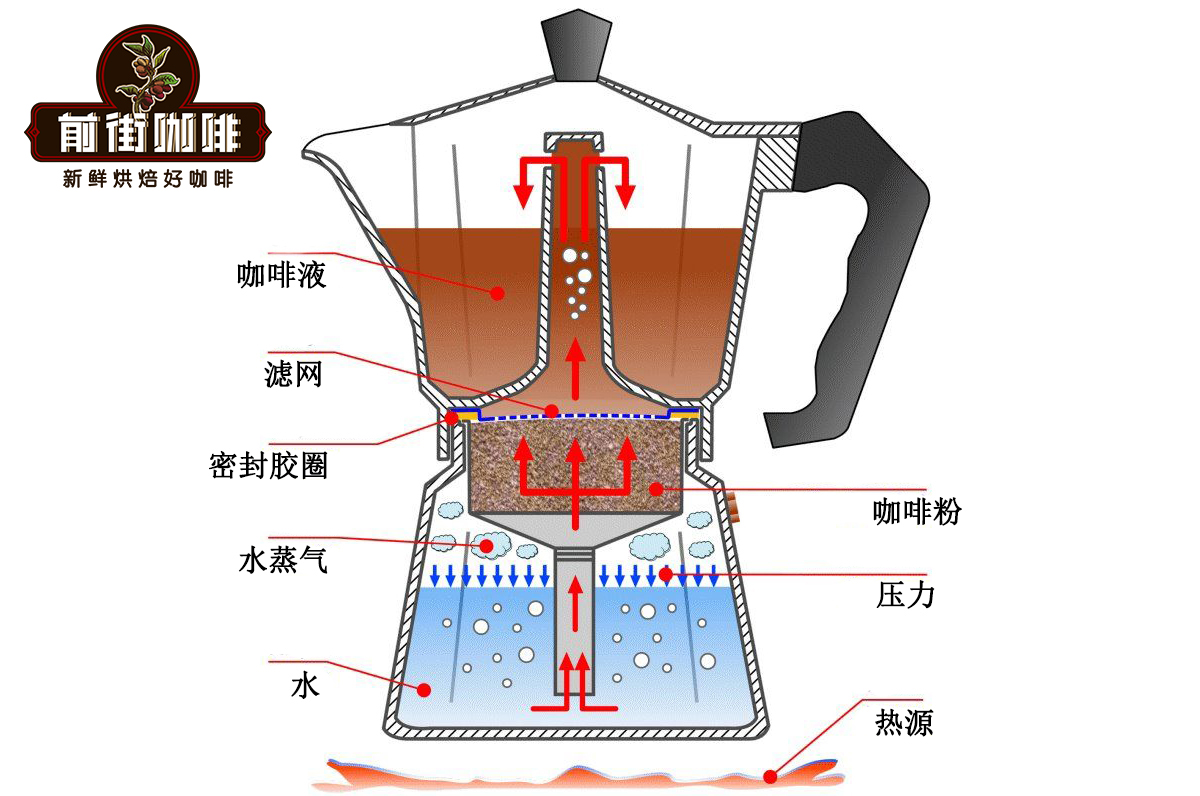
So why is the Moka pot called "Moka pot"? In English, it is spelled Moka pot. The most common explanation is that since the first batch of coffee entered Venice in the 17th century, the words "Mocha" and "coffee" have been linked together. It can be said that in northern Italy, "Mocha" essentially means "coffee." Therefore, the Moka pot is also called a coffee pot, meaning a brewing device that allows you to get a rich cup of coffee at home.
Since the Moka pot uses pressure-based extraction, Front Street recommends prioritizing medium-roast coffee beans for brewing. If you prefer a balanced taste, we recommend Front Street Brazil Cerrado coffee, Front Street Colombia Huila, and Front Street Bird of Paradise;
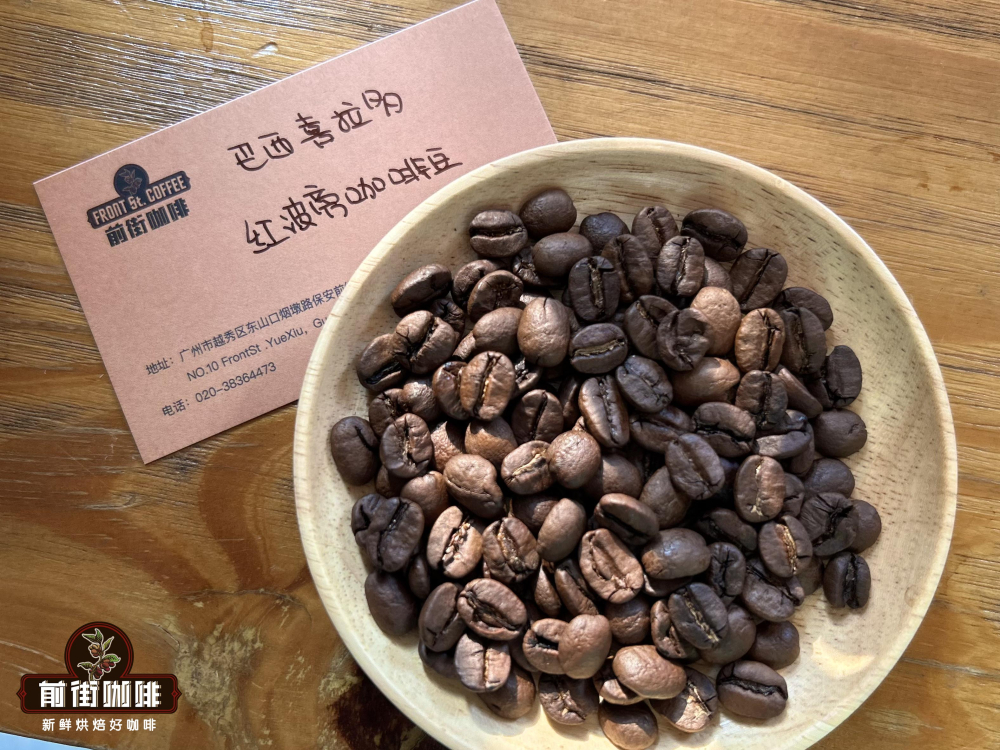
If you love a solid, full-bodied coffee aroma, we suggest buying the highest-grade Front Street Golden Mandheling drip coffee bags. These beans have undergone multiple rounds of hand sorting, minimizing the defect rate and making the coffee aroma clearer with a lasting sweet aftertaste. But if you don't like overly bitter flavors and want coffee with fruity notes, it's best to buy Front Street Strawberry Candy espresso. All the above freshly roasted coffee beans can be purchased at Front Street stores and the Front Street Tmall flagship store.
The above content is compiled by CoffeeHunters, a coffee news website.


