








The word mocha has three identities in the coffee world: the Yemeni port of Mocha, the mocha drink in espresso culture, and the moka pot found in countless homes. These three seem unrelated, yet each has had a significant impact on coffee history. This time, Front Street Coffee will sort out the meanings of these three mochas one by one: from how the Yemeni port of Mocha in the 15th century made "mocha coffee" synonymous with high-quality coffee, to how Italians created espresso mocha to replicate the chocolate notes of mocha beans, and then to the invention and usage techniques of the moka pot. The article will also share the brewing steps for the moka pot, the coffee-to-water ratio, grinding standards, and the Brazilian Queen's Estate coffee beans that Front Street recommends pairing with the moka pot, helping you brew a rich, full-bodied cup at home.

When people who drink coffee hear "mocha," several images come to mind: some think first of the mocha drink, some think of the moka pot, and if they know something about geography or coffee history, they may also think of the Yemeni port of Mocha. These three different mocha concepts have each left their mark in coffee history. Next, Front Street Coffee will talk about just how rich the meaning of the word mocha is in the coffee world.
What does Mocha refer to as a place name?
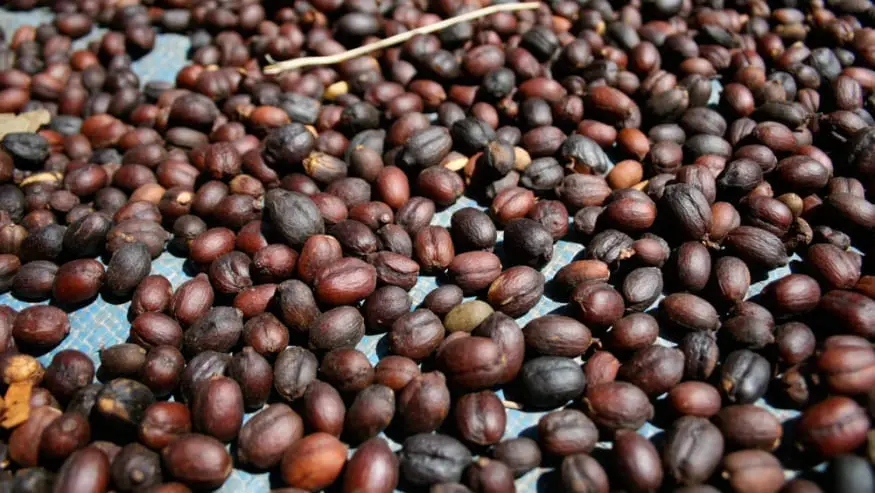
According to Front Street Coffee's understanding, the Yemeni port of Mocha was a key port on the Red Sea outlet for about three hundred years starting in the 15th century, with a status comparable to today's Port of Shanghai. At that time, most of the world's maritime trade had to pass through here. Mocha itself did not actually grow coffee; the nearby coffee mainly came from the high-altitude areas of central Yemen's mountains, and after these coffees were shipped from the port of Mocha to various parts of Europe, they were widely praised. At that time, European coffee consumers only knew that this batch of beans came from the port of Mocha, so they collectively called them "mocha coffee." After that, any coffee exported through the port of Mocha would be sold under the label "mocha coffee."
It is clear that the port of Mocha played a very important role in the evolution of coffee history. Even today, Yemeni mocha coffee remains precious and hard to obtain. In recent years, the local situation has continued to be unstable, coffee cultivation has suffered severe damage, and only a very small amount of Yemeni coffee can make its way through the ravages of war to the market each year. A few years ago, Front Street was fortunate enough to obtain a bag of Mokha Mattari coffee, which comes from the Bani Matar region of Yemen, hence the name. Yemeni coffee packaging is also different from the norm: instead of the common burlap sacks, it uses finely woven cloth bags similar to flour sacks.
In addition, according to Front Street Coffee's understanding, Yemeni mocha coffee is divided into different styles depending on the growing region. For example, Mattari coffee beans show chocolate notes and acidity, while Sanani mocha coffee has a rugged and fragrant character. But their common main characteristic is a rich chocolate flavor.
Mocha Coffee
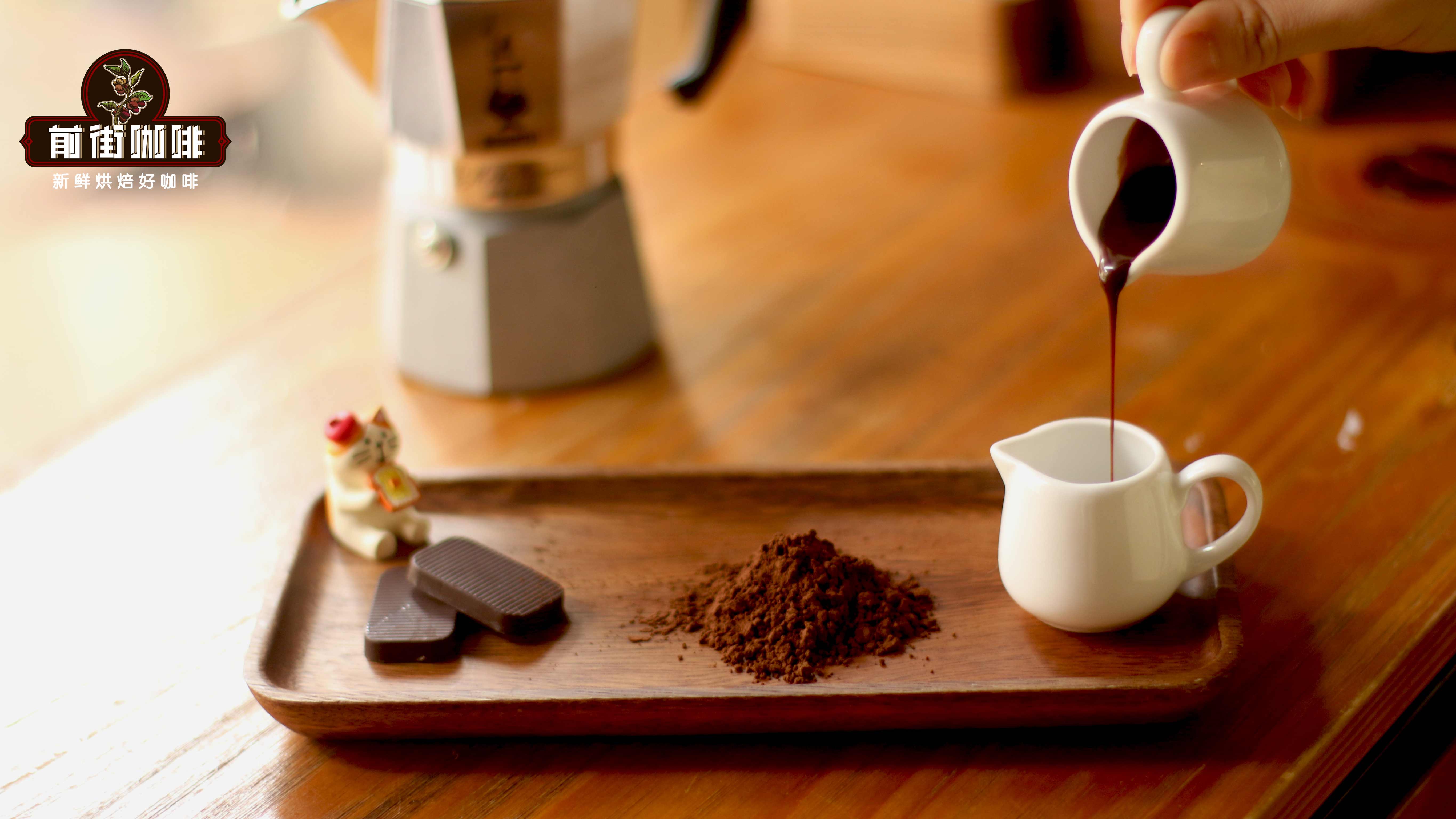
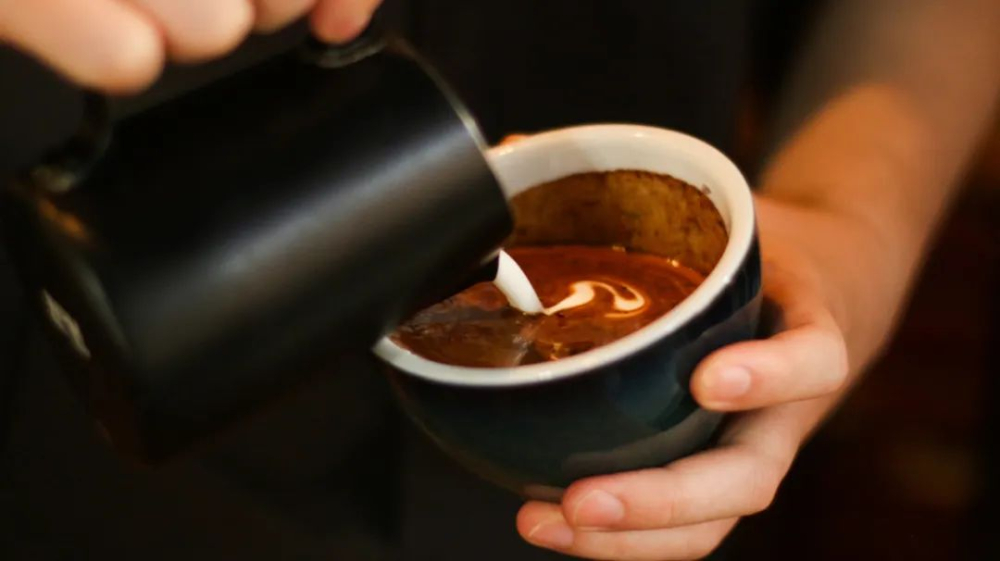
In most people's understanding today, mocha coffee is interpreted as a drink in espresso coffee, composed of espresso and milk, and some cafes use chocolate chunks instead of chocolate sauce or chocolate powder. Melt the chocolate into the espresso, then pour in steamed milk; this is the blend of coffee and cocoa, sweet and rich. This is also the answer to how mocha coffee should be enjoyed.
On the surface, espresso mocha coffee has nothing to do with the port of Mocha. But according to Front Street Coffee's understanding, espresso mocha coffee can be traced back to 18th-century Italy, although there is currently no more authoritative historical material to prove the origin of the name. Still, one can boldly speculate: by the 18th century, the global coffee landscape had already changed. The Dutch had brought coffee to Southeast Asia, the French had brought coffee to South America, and Mocha had long since lost its monopoly on coffee. In addition, under Ottoman rule in the mid-to-late period, Mocha coffee's market share gradually shrank.
It is not hard to see that less and less mocha coffee was flowing into Europe. To imitate the chocolate charm in mocha coffee beans, Italians added chocolate sauce to espresso and paired it with milk to create a flavor close to mocha beans, which is easy to understand. So the appearance of espresso mocha coffee was very likely an attempt to imitate the scarce mocha coffee beans. Moreover, given the status mocha coffee beans held in people's minds at the time, much like Geisha coffee beans today, giving a drink that imitated their flavor the name "mocha coffee" made it seem even more stylish.
As espresso coffee culture spread around the world, espresso mocha coffee (chocolate milk coffee) also became an important member of the espresso family.
Moka Pot
The moka pot actually has little to do with the port of Mocha. The moka pot was invented by Alfonso Bialetti, and it is the youngest of the three "mochas" (1933). The moka pot is a traditional Italian household brewing device. It did not originate from Yemeni Mocha, but its influence cannot be underestimated, and it is said that every Italian household must have one.
The moka pot consists of three parts: the upper chamber, the filter basket, and the base. The lower chamber is the water reservoir, the filter basket holds the finer-ground coffee, and the upper chamber holds the extracted coffee liquid. The principle by which the moka pot extracts coffee is very simple: it uses the steam pressure generated in the lower chamber. When the pressure is great enough to penetrate the coffee grounds, the hot water is pushed into the upper chamber, brewing a rich, aromatic coffee. Although its pressure (1.5-2 bar) is far inferior to that of an espresso machine (9 bar), it can still extract coffee oils, and the mouthfeel is quite rich.
So why is the moka pot called a "moka pot"? In English it is written as Moka pot, and the most common explanation is this: since the first batch of coffee entered Venice in the 17th century, the words mocha and coffee had already become linked with each other. It can be said that in northern Italy, mocha means coffee. Therefore, the moka pot is actually also called a coffee pot, meaning a brewing device that lets you get a rich cup of coffee at home.
The above is Front Street Coffee's summary of the related meanings of the three "mochas." Next, Front Street Coffee will talk about the correct method of using the moka pot and knowledge about the coffee-to-water ratio.
The Brewing Process of the Moka Pot
Coffee brewed in a moka pot is relatively strong, so Front Street suggests choosing coffee beans with a darker roast to better bring out that rich, full-bodied feel. Front Street Coffee uses medium-dark roasted coffee beans from Brazil's Queen's Estate.
Brewing Brazilian Queen's Estate coffee beans in a moka pot:
1. Pour purified water into the lower chamber of the moka pot; the water level should be about 0.5 cm below the pressure relief valve.
2. Choose a grind slightly coarser than for espresso. You can refer to the size of the gaps in the filter basket mesh to ensure the coffee particles will not fall into the lower chamber. Slowly pour the coffee grounds into the filter basket, tap gently to distribute them evenly, and when the coffee grounds form a small mound, level the surface by distributing the grounds.
3. Place the filter basket into the lower chamber, tighten the upper and lower parts of the moka pot, and heat it over an electric ceramic stove on high heat;
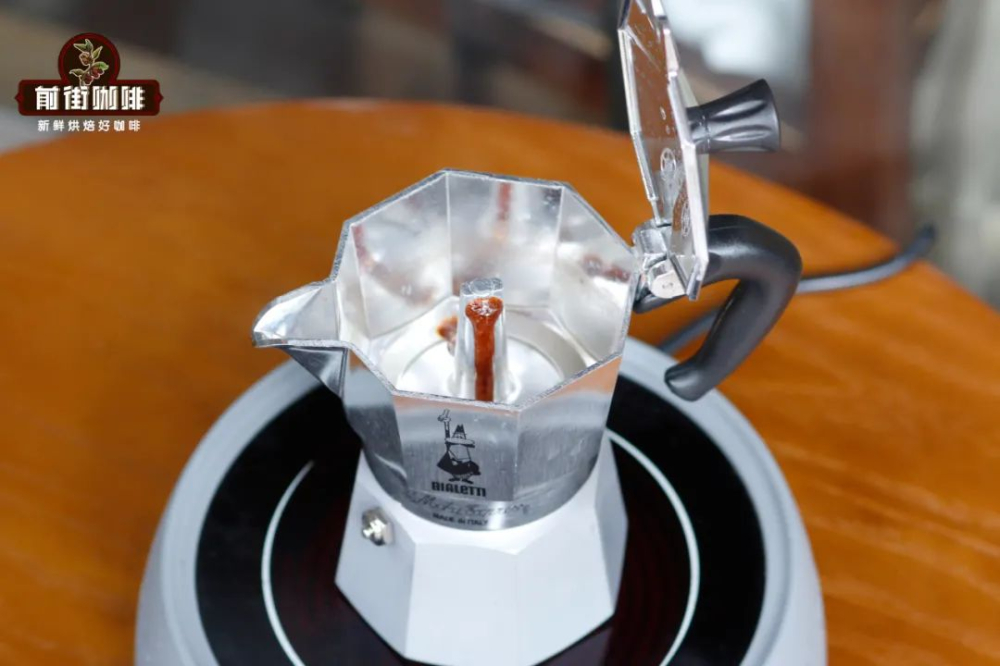
4. When the moka pot heats up to a certain point and makes a clear "hissing" sound, turn the electric ceramic stove to low heat and open the lid of the upper chamber.
5. When half of the coffee liquid has come out into the upper chamber, turn off the electric ceramic stove. The residual heat and pressure of the moka pot will "push" the rest of the coffee liquid into the upper chamber.
6. When all the coffee liquid has been extracted into the upper chamber, it can be poured into a cup and tasted. Coffee extracted from a moka pot is very strong, and can even produce crema. It can also be mixed with an appropriate amount of water or milk for a better flavor.
What You Need to Know About Brewing with a Moka Pot
In addition, Front Street Coffee would like to share a few things to pay attention to when using a moka pot:
Coffee-to-water ratio for the moka pot: The coffee-to-water ratio for a moka pot is usually as follows: to extract a single serving of coffee, it is recommended to use 10-12 g of grounds and 50-60 ml of water. But usually the moka pot extraction method is simply to fill the filter basket's space directly with coffee grounds, and add water to the lower chamber without exceeding the pressure relief valve.
Grind size for the moka pot: Although the moka pot is a device that can produce oils, if you grind as fine as for an espresso machine, it becomes very easy to extract bitterness. Therefore, if you want to minimize the extraction of bitter substances, the grind size can be controlled to a consistency similar to fine salt.
But many coffee lovers do not know how to determine the coarse-fine standard, so Front Street Coffee has also compiled coffee grind size standards to share with everyone.
Front Street Coffee grind size coarseness standard sieve pass rate:
Cold drip > pour-over and siphon 80% > moka and American drip 75-80% > cupping 70-75% > French press 65-70%.
For more specialty coffee knowledge, please follow the WeChat public account: Front Street Coffee
The above content is compiled by CoffeeHunters, a coffee news website.


