







Search Results for: Peanut Butter Coffee
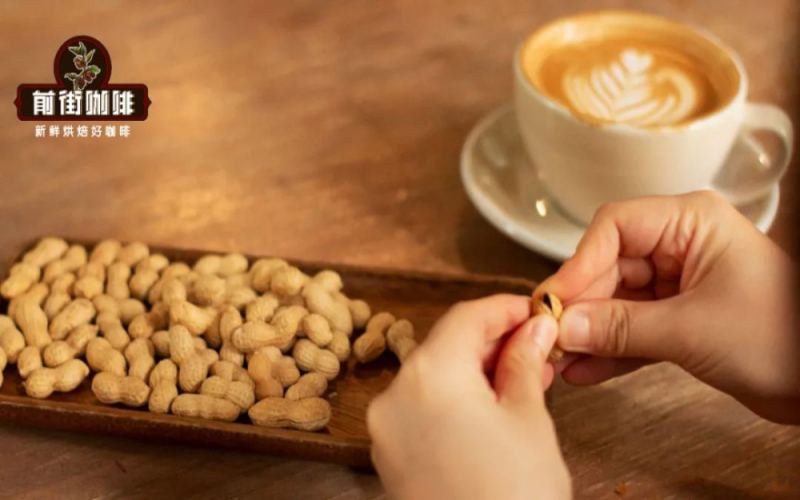
Can Peanut Butter and Coffee Be Paired? A Detailed Guide to Making Peanut Butter Hot Lattes and Iced Lattes
Can peanut butter be combined with coffee? Of course it can, and peanut butter lattes have already been appearing on plenty of coffee menus for quite some time. Today Front Street Coffee is going to talk about this distinctive flavored coffee: from ingredient selection and the ratio of peanut butter to condensed milk, to two different approaches for making it as a cold drink and a hot drink, we'll break it down step by step. The article will also share a key tip — whether peanut butter should be mixed with milk or with espresso, so that you can preserve the milk foam texture without losing the peanut flavor. Coffee lovers who enjoy trying something new might as well follow along and give it a try. [more…]
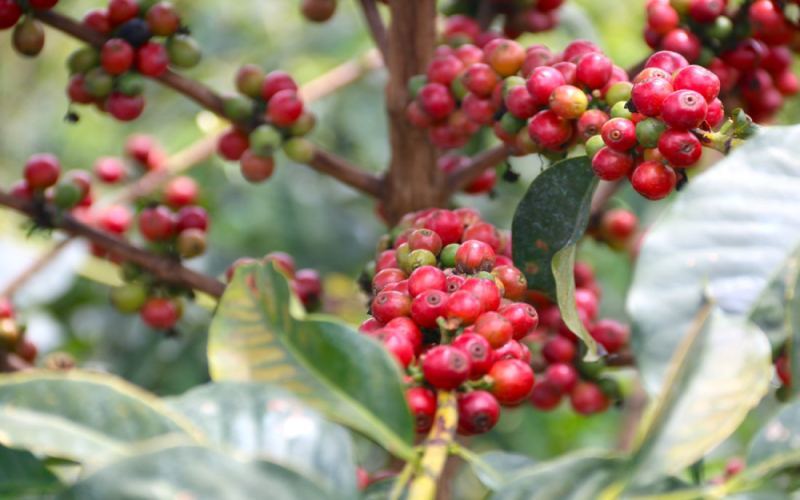
Sourcing the Brazilian Yellow Bourbon Coffee Variety: Fruit Color Genetics, Flavor Profile, and an Analysis of Queen's Estate Front Street Roasting
Yellow Bourbon is a rather legendary variety on the Brazilian coffee map, named for the rare yellow color of its ripe fruit, and it has regained attention amid the specialty coffee wave. This article provides a complete overview of Yellow Bourbon's development, from its varietal origins, genetic mechanisms, and agronomic characteristics to its flavors in the cup, and introduces how Queen's Farm unlocks its sweetness and citrus acidity through meticulous natural processing and hand-picking. It also combines Front Street Coffee's roasting practice to present this bean's balanced expression with notes of nuts, peanut butter, and dark chocolate, making it suitable reading for enthusiasts who wish to gain a deeper understanding of Brazilian specialty coffee. [more…]
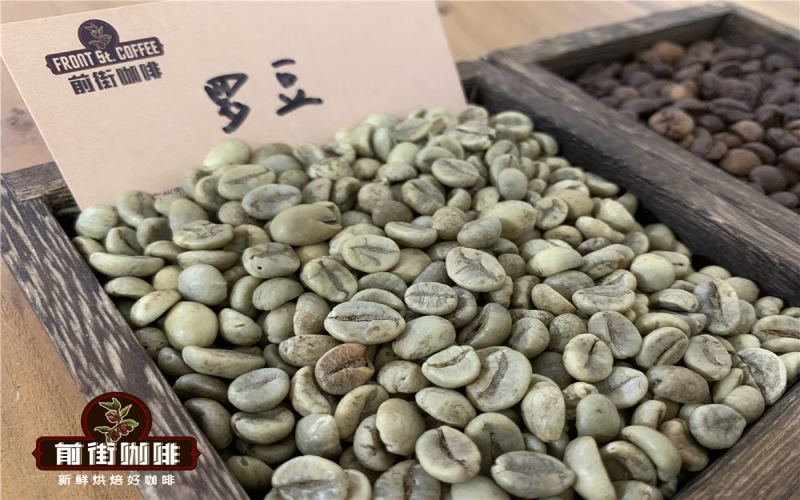
How to Identify Robusta Coffee Beans? Why Is It Cheap and How Much Does It Cost Per Jin—Explained in One Article
Among the three major coffee varieties, Arabica and Robusta have the greatest commercial value, but the specialty coffee circle almost only talks about Arabica. Robusta is often labeled "cheap" and "bitter"—where exactly did it originate? Why does it cost only half as much as Arabica? Roughly how much does it cost per catty? This article systematically sorts through Robusta's past and present—from botanical classification and historical ups and downs to flavor performance and practical uses—while retaining recommended information such as Front Street Classic Blend and Front Street Commercial Blend, helping coffee enthusiasts gain a comprehensive understanding of this underestimated coffee bean. [more…]
Does Robusta count as specialty coffee? Why is the price so low? How much does it cost per catty?
The coffee world is mainly divided into three major species: Arabica, Robusta, and Liberica, of which only the first two have commercial value. In the specialty coffee world, Robusta is almost entirely overlooked, and merchants often use 100% Arabica as a selling point. Robusta is often seen as a symbol of cheapness and bitterness, but it also had a glorious period, and today it is mostly used in instant coffee and espresso blends. This article will sort out Robusta's origins, flavor characteristics, differences from Arabica, and why it is cheap and how much it costs per catty, while retaining relevant recommendations from the Front Street brand to help coffee lovers gain a comprehensive understanding of this species. [more…]
Brazilian Coffee Beans' Grading System and Flavor Characteristics: Three Classification Methods and Front Street Recommendations
Brazil is the world's largest coffee producer, accounting for about one-third of global output. Because its growing regions span 14 states, Brazil uses a three-dimensional grading system based on defect rate, screen size, and cup profile to ensure consistent quality. This article will explain in detail Brazil's three coffee bean grading methods, decode the meaning of the grade markings on green bean jute sacks, and introduce two products recommended by Front Street Coffee: the Brazil Cerrado everyday drinking bean and the Queen Estate Yellow Bourbon, helping coffee lovers gain a deeper understanding of the unique appeal of Brazilian coffee. [more…]
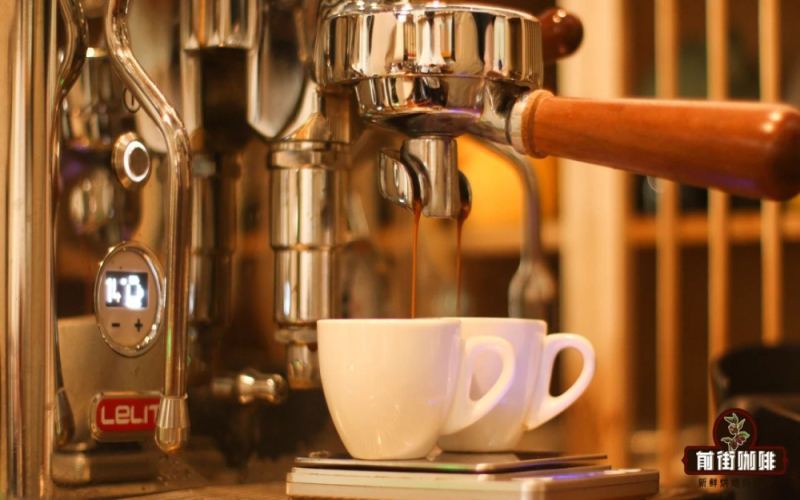
SOE Coffee Explained: What Single-Origin Espresso Means, Why It Costs More Than Blends, and Brazilian Bean Flavor Recommendations
SOE, or Single Origin Espresso, has become a hot topic in the specialty coffee circle in recent years. This article will systematically sort out the meaning of SOE, analyze its differences from espresso blends, and explore why SOE is generally priced higher than blends. The article also clarifies several common misconceptions: SOE does not necessarily mean better taste or higher quality, and the difference between the extraction principles of espresso and pour-over also determines that medium-dark roasting is more suitable. At the end of the article, Front Street Coffee recommends the Yellow Bourbon beans from Queen's Farm in Brazil, detailing their flavor highlights of interwoven nutty, dark chocolate, and caramel notes. [more…]
Coffee Flavor Map | How Can Coffee Beginners Train and Build Their Coffee Sensory System? Are Aroma Kits Helpful for Coffee Flavor Tasting?
As coffee has gradually become more widely recognized, specialty coffee promotion in cafés has emerged in response, and we too have begun tracing things back to their roots—we have come to treat coffee as culture. The rise of specialty pour-over coffee undoubtedly reflects the demands of the market and the needs that cafés have identified. Café counters have also begun to lower their "status," no longer featuring the early design of a bar raised a foot high. [more…]
Home American Coffee Brewing Guide: Detailed Ratios, Water Temperature, and Parameters for Moka Pots and Drip Machines
Want to easily make a smooth cup of Americano at home, but don't have an espresso machine? In fact, the moka pot and the drip coffee maker are two alternatives that are very suitable for home or office use. This article focuses on these two devices, explaining in detail the coffee grind size, reference ratios of coffee dose to water volume, water temperature control, and specific operating techniques, to help you avoid the common problems of over-extraction and weakness. At the same time, we will also compare the taste differences between making Americano with a moka pot and a drip machine, and based on different flavor preferences, provide suitable coffee bean roast levels and specific Front Street Coffee bean recommendations. Whether you like it rich and full-bodied, or prefer it fresh and clean, you can find the cup of black coffee that suits you. [more…]
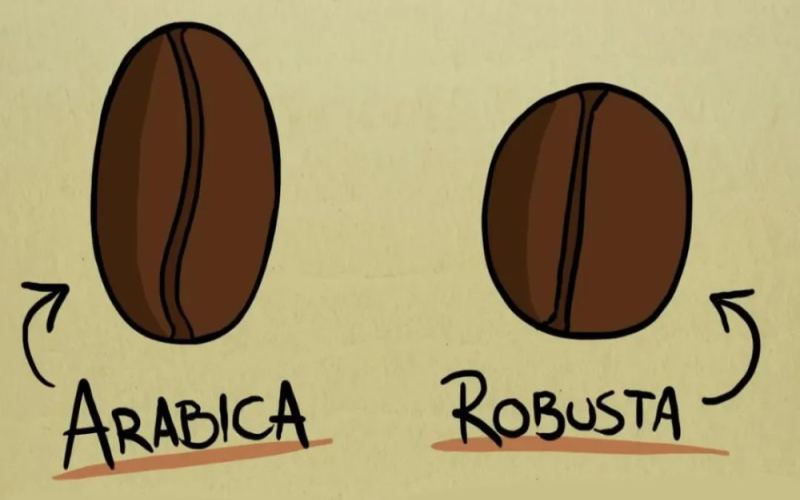
How big is the flavor difference between Arabica and Robusta? An analysis of Robusta's aroma characteristics and practical value
In the world of coffee, Arabica and Robusta are the two major varieties, with the former accounting for over seventy percent of global production and the latter about twenty percent. The two differ significantly in caffeine, fat, and sugar content, which directly gives rise to markedly different flavor profiles. Arabica is known for its soft sweetness and bright fruity acidity, while Robusta stands out for its rich, intense character with prominent nutty and grainy notes. Understanding their characteristics not only helps us better choose our everyday drinks, but also explains why Robusta is often added to espresso blends to enhance crema and body. This article will comprehensively analyze the differences between these two major varieties from the perspectives of flavor, composition, and practical application, and present Front Street Coffee's classic blend and commercial blend recommendations. [more…]

Global Major Coffee Varieties Flavor Guide: An Analysis of Regional Performance from Geisha to Catuai
The same coffee variety, when grown in different countries and regions, often develops a drastically different flavor profile in the cup. This article sorts through the specific flavor expressions of major varieties such as Geisha, Typica, Bourbon, Maragogipe, Kent, Pacas, Pacamara, SL28, SL34, Mundo Novo, and Catuai in places including Panama, Costa Rica, Colombia, Guatemala, Peru, Honduras, Mexico, Brazil, Nicaragua, Tanzania, India, El Salvador, and Kenya. Whether you want to understand Geisha's floral and citrus lineage or clarify Bourbon's chocolate-caramel undertones, this correspondence between varieties and regions can provide an intuitive reference. Front Street Coffee also suggests that in actual brewing, you should make a comprehensive judgment based on roast level and processing method to more accurately reproduce these flavor descriptions. [more…]
The Overlooked Robusta: A Comprehensive Interpretation from Origins and Flavor Shortcomings to Practical Uses
In the discourse of specialty coffee, Robusta is almost always overlooked, and is even labeled "cheap" and "rough." But do you really understand it? It originated in the Congo Basin of Africa, with the scientific name Canephora. It once saved coffee-growing regions worldwide thanks to its strong disease resistance, and it also held an important place when espresso swept the world. Today, Robusta is mostly used in instant coffee and blends, but the emergence of specialty-grade Robusta such as India's "Coffee Royal" has shown people the flavor potential brought by improved cultivation standards. This article will take you through plant classification, historical ups and downs, flavor performance, and practical uses to rediscover this misunderstood coffee bean. [more…]
Coffee Bean Types | Which Suits Moka Pot Brewing: Single-Origin or Blend? High-Quality Medium-Dark Roasted Coffee Beans Recommended for Moka Pot Enthusiasts
Single-origin beans usually come from a single region and estate. They typically have their own distinctive aroma and flavor, which is what people often call the terroir flavor. When single-origin beans are made into espresso, they get another name: SOE. SOE stands for Single Origin Espres [more…]
What Exactly Are Specialty Coffee Beans? A Comprehensive Analysis from Definition to Representative Beans of the World's Top Ten Producing Regions
The term "specialty coffee" has frequently appeared in the view of coffee enthusiasts in recent years, representing high-quality coffee that can showcase the terroir characteristics of a specific origin. Unlike the bitter impression brought by dark roasting in the past, specialty coffee emphasizes the layered expression of acidity, sweetness, and aroma. Starting from the basic concept of specialty coffee, this article will introduce representative specialty coffee beans from origins such as Indonesia, Ethiopia, Kenya, Costa Rica, Yunnan China, Brazil, Papua New Guinea, Jamaica, and Panama one by one, and, in conjunction with Front Street Coffee's selections, present the flavor characteristics and processing methods of major producing regions. [more…]
A Comprehensive Analysis of Robusta Coffee Beans: From Origin to the Truth About Blending with Arabica
Among the three major coffee varieties, Robusta has long been neglected as an instant coffee ingredient, but in recent years it has quietly returned to the spotlight of the specialty coffee world. This article begins with Robusta's African origins, clarifies its botanical relationship with Canephora and Arabica, reviews its glorious role during the heyday of espresso, and confronts its inherent flavor shortcomings. At the same time, the article will also discuss attempts at specialty-grade Robusta such as India's "Coffee Royal," and how Front Street Coffee uses Robusta in classic blends and shop-opening recipes to enhance crema and body. If you're curious whether blending Robusta with Arabica actually tastes good, this article will provide a complete answer. [more…]
A Comprehensive Analysis of the Flavor Characteristics and Brewing Methods of Coffee Beans from the Minas Gerais Region of Brazil
Brazil is one of the most important producers of Arabica coffee beans in the world, and fluctuations in its output directly affect the movement of international coffee futures prices. The Cerrado and Mogiana regions in the state of Minas Gerais, with their specific altitude and soil conditions, produce specialty coffee with a balanced flavor and a rich, sweet body. This article will systematically introduce the overall flavor characteristics of Brazilian coffee, changes in production in recent years, and the origin and advantages of the pulped natural process, and will also explain in detail the origin background, cupping performance, and brewing parameters of two Brazilian single-origin beans under Front Street Coffee—Cerrado and Queen Farm—to help coffee lovers gain a comprehensive understanding of this irreplaceable coffee-producing region. [more…]

A Complete Analysis of Dark Roast Coffee Flavors: Beyond Nuts and Chocolate, What Other Aromas Are Worth Capturing?
The specialty coffee wave has made more and more people passionate about describing the floral and fruity notes in light-roasted coffee, but when a cup of dark-roasted coffee is placed in front of them, most can only say nuts and chocolate. Is the flavor of dark-roasted coffee really that one-dimensional? In fact, aroma types such as caramel, roasted, nutty, and spicy are all hidden within it—they are simply harder to identify. In this article, Front Street Coffee will guide you through a systematic understanding of where the flavors in bitter dark-roasted coffee come from and how to capture them, while also reminding you to watch out for those unpleasant negative flavors. [more…]
What is the difference between single-origin coffee beans and blended coffee beans? Which single-origin coffee beans are suitable for a moka pot?
What exactly is the difference between single-origin coffee beans and blended coffee beans? Simply put, single-origin beans come from a single origin or estate and carry a distinctive regional flavor; while traditional espresso mostly uses dark-roasted blended beans, pursuing richness and intensity. When single-origin beans are used for espresso extraction, they are called SOE. Moka pots and espresso machines both use high-temperature, high-pressure extraction, making bean selection especially critical. This article will sort out the core differences between single-origin and blended beans, and recommend three Front Street medium-to-dark roasted single-origin beans suitable for a moka pot, covering Brazil Queen's Estate, PWN Golden Mandheling, and Colombia Strawberry Claw, helping you easily make a cup of moka pot coffee with aromatic crema at home. [more…]
What Grade Does Robusta Coffee Belong To? An Analysis of the Flavor Differences Between Indian Specialty Robusta and Arabica
Robusta is often labeled as low-end, but the truth is not so simple. It originated in the Congo in West Africa, grows quickly, and has strong resistance to extreme climates, pests, and diseases. Its caffeine content is about twice that of Arabica, and it accounts for roughly 30% of global production. Front Street believes that high-quality Robusta can even taste better than inferior Arabica. Robusta is mostly used in espresso blends to enhance body and crema; Front Street's commercial espresso blend, for example, includes 10% Robusta. This article will sort out Robusta's origins, identification methods, advantages and disadvantages, analyze the Catimor hybrid variety, and introduce how Indian specialty Robusta is overturning traditional impressions. [more…]
What is the difference between single-origin coffee beans and blended beans? Can pour-over beans be used to make espresso?
When buying coffee beans at a coffee shop, you are often asked what kind of coffee you plan to make. If you choose espresso, the shop will usually offer two options: blend beans and single-origin beans. So, when both are used to make espresso, what exactly are the differences between blends and SOE? This article starts with the definition of blended coffee, sorts out how it differs from single-origin coffee beans in terms of flavor orientation and suitable scenarios, and further explores whether single-origin beans for pour-over are suitable for making espresso. The article will also combine several products from the Front Street Coffee brand to introduce the specific performance of single-origin beans from different regions in SOE applications, including Queen's Farm Brazil, PWN Golden Mandheling, and Colombia Sidra, among others, providing coffee lovers with a reference for choosing beans. [more…]
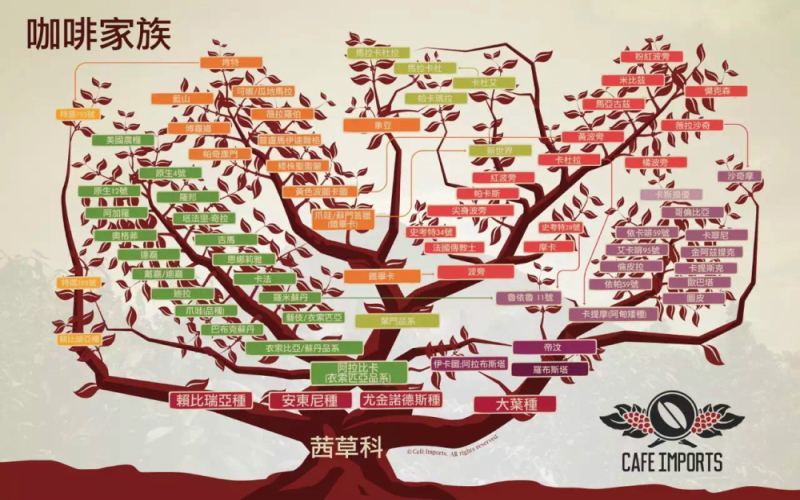
What grade do Arabica coffee beans belong to? A comprehensive interpretation of specialty Arabica variety characteristics and flavor profile
You often see the label "100% Arabica," but what exactly is Arabica? How does it differ from Robusta? Why is Arabica regarded as a higher-grade coffee variety? This article will systematically sort out Arabica's varietal origins, growing conditions, and flavor characteristics, as well as its core differences from Robusta in yield, cost, and flavor. It will also introduce the special existence of specialty Robusta, and, combined with Front Street Coffee's blends and everyday drinking bean series, help coffee lovers gain a clearer understanding of coffee bean grades and the direction for choosing them. [more…]