







What grade do Arabica coffee beans belong to?
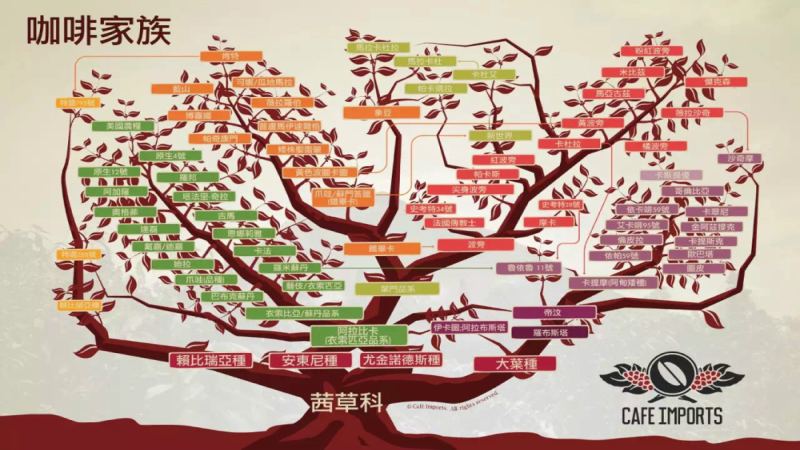
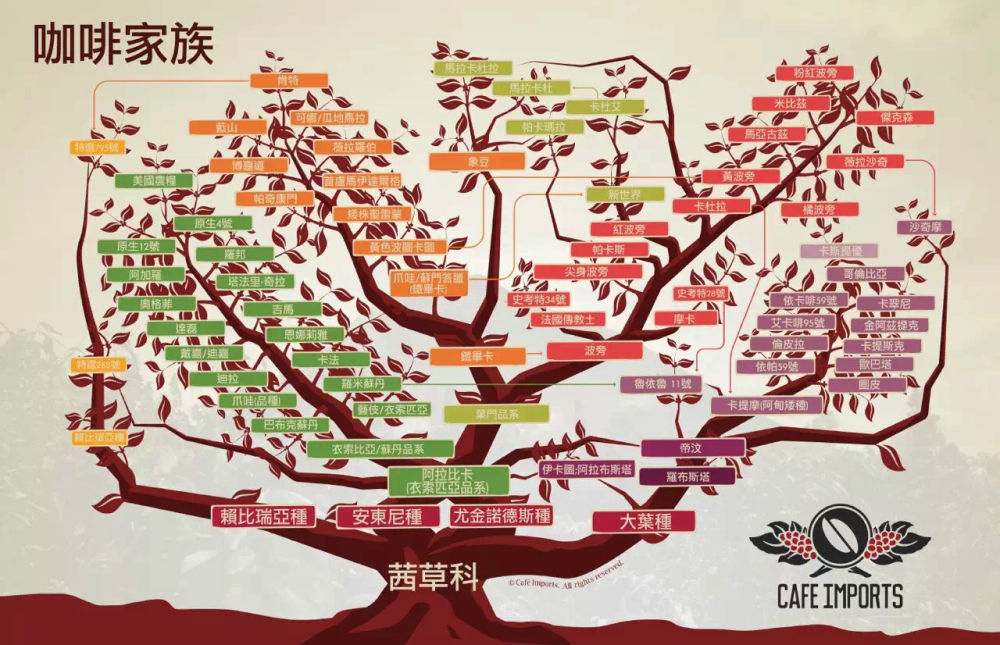
Arabica is a coffee species, not a grade, though it is widely treated as the higher-quality option. It belongs to the Rubiaceae family and came from a cross between Eugenioides and Canephora, and sub-varieties of Arabica account for more than 85 percent of all coffee varieties, split into the Ethiopian/Sudanese line and the Yemeni line that includes Typica and Bourbon.
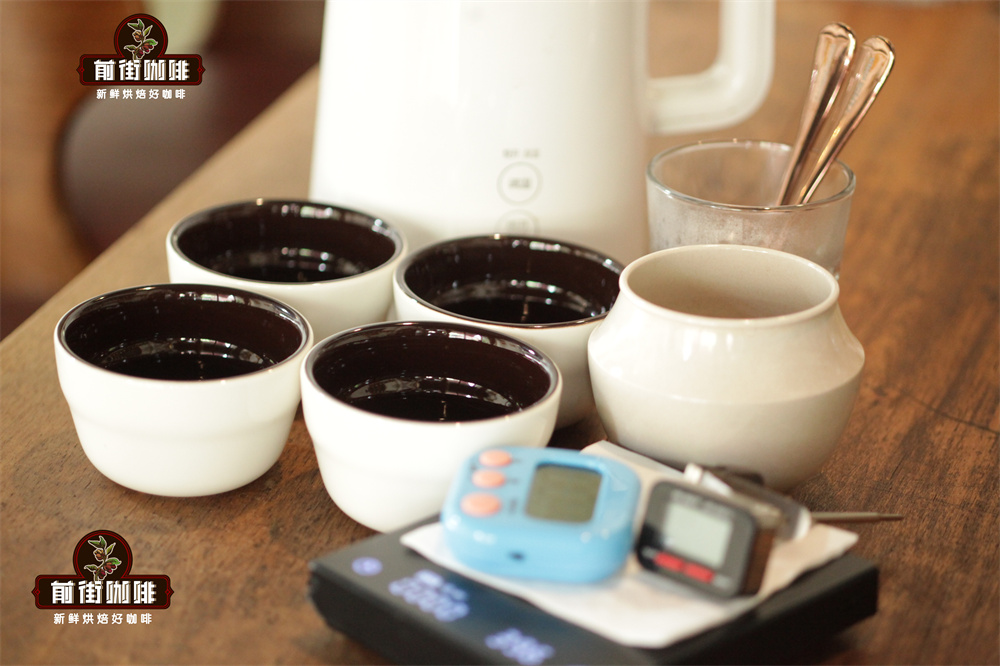
Cupping comparisons show Arabica coffee beans have a more delicate flavor and cleaner mouthfeel than Robusta, largely because the species is harder to grow. It needs altitudes of 600 to over 2,000 meters plus fertile soil, steady moisture, and shade, and it resists pests and disease poorly. Coffee bean grades, however, come from screening and defect counts, not from species alone.
You often see the label "100% Arabica," but what exactly is Arabica? How does it differ from Robusta? Why is Arabica regarded as a higher-grade coffee variety? This article will systematically sort out Arabica's varietal origins, growing conditions, and flavor characteristics, as well as its core differences from Robusta in yield, cost, and flavor. It will also introduce the special existence of specialty Robusta, and combine Front Street Coffee's blends and daily-drinking bean series to help coffee lovers more clearly understand coffee bean grades and directions for choice.
In many places where coffee is sold, we often see labels such as "100% Arabica," and even canned coffee launches products called "Arabica Coffee," making people wonder: what exactly is "Arabica Coffee"? In fact, "Arabica" is the name of a coffee tree species. It belongs to the Rubiaceae family and is a species formed by crossing Eugenioides (the maternal species) with Canephora (the paternal species).
The number of sub-varieties derived from the Arabica species is extremely large. Among all coffee varieties, those belonging to Arabica account for more than 85%. Internally, it can be further divided into two major groups: the Ethiopian/Sudanese line and the Yemeni line. Well-known varieties such as Typica, Bourbon, and the varieties derived from these two are all classified under the Yemeni line.
Within the Rubiaceae family, the two species "Arabica" and "Robusta" currently account for the vast majority of the world's coffee bean production, but the two differ greatly in coffee flavor, growing conditions, and market price.
In cupping comparison experiments conducted by Front Street Coffee (FrontStreet Coffee), it can be found that regardless of which sub-variety they belong to, Arabica coffee beans as a whole have a richer and more delicate flavor than Robusta coffee beans, and the coffee's mouthfeel is also cleaner and more pleasant. The differences between the two species in flavor and cleanliness mainly depend on the conditions required for cultivation and the species' own insect resistance.
The cultivation conditions for Arabica coffee beans are relatively demanding, requiring higher altitudes (600 to over 2,000 meters), as well as fertile soil, sufficient moisture, appropriate sunlight, and shade conditions. Arabica coffee trees have weaker resistance to pests and diseases and are easily damaged. In addition, the annual yield per unit area of coffee trees is also relatively low. At present, Arabica coffee accounts for 75% of global coffee production, and of the total production of Arabica coffee beans, only 15% to 20% can be classified as "Specialty coffee."
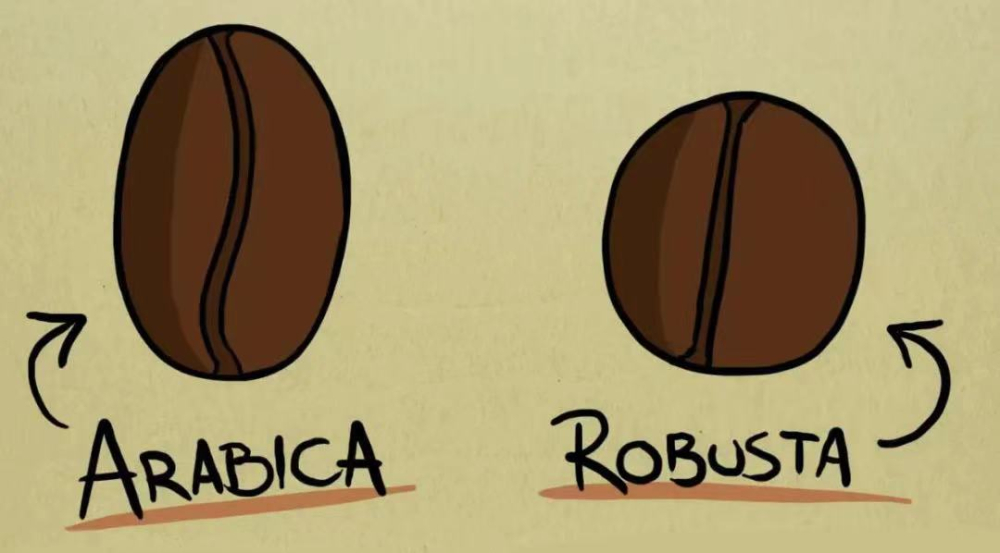
Robusta coffee beans are commonly known as "sturdy beans." They can be grown in low-altitude areas (200 to 800 meters above sea level), have strong resistance to pests and diseases, are not easily affected by agricultural damage, have a higher annual yield per unit area of coffee trees, can be harvested on a large scale by machine, and generally have production costs far lower than Arabica coffee. Because they are grown at lower altitudes, many Asian regions have hot and humid climates, and temperatures are very favorable for pest reproduction. Therefore, Robusta itself needs to produce a large amount of bitter and unpleasant substances—chlorogenic acid—to repel pests and play an antibacterial role (preventing leaf rust).
Because most of the flavor is masked by the bitterness of chlorogenic acid, not only do insects dislike eating it, humans also do not particularly like this taste. However, before the rise of specialty coffee culture, Robusta coffee beans also had their moment of glory. From past royalty and nobility to modern instant coffee, Robusta has always played an important role. Since it is inherently sour and bitter, people simply roast the coffee beans until they are pitch black, using the bitterness brought by caramelization reactions to directly mask all undesirable flavors. Therefore, for a long time, sugar and milk have been standard when people drink coffee, and this is not without reason.
In terms of flavor, Arabica coffee beans have varied and broad potential flavors. Arabica coffee produced in different regions, at different altitudes, and in different climates usually has its own distinct characteristics and can display completely different individual flavors. Unroasted Arabica coffee smells grassy and fresh, and after proper roasting, it presents "fruity notes" (medium-light roast) and "caramel sweetness" (dark roast). Overall, it has superior aroma and flavor compared with Robusta beans.
The flavor of Robusta coffee beans is relatively mediocre, dull, and even somewhat pungent. Moreover, the vast majority of the world's Robusta is grown in low-altitude areas, and the flavor differences brought by different regions and climates are not great, making it relatively lacking in character. When unroasted, it smells similar to raw peanuts. After roasting, cheap Robusta coffee beans usually show a taste between "barley tea flavor" (medium-light roast) and "rubber tire flavor" (dark roast), and it is difficult for them to display delicate flavors.
However, when reviewing related articles, Front Street Coffee (FrontStreet Coffee) noticed that India has already grown a small amount of high-altitude, high-quality, washed Robusta coffee beans, whose price is higher than most Arabica coffee beans. This type of bean is called specialty Robusta coffee beans. This coffee bean also shows a fairly clean flavor and does not have the troubling shortcomings of cheap-grade Robusta. Its mouthfeel is fuller and more composed, and it has strong walnut, peanut, hazelnut, and wheat flavors, as if eating peanut butter or hazelnut spread.
Generally speaking, high-quality Arabica coffee beans require complicated manual picking and sorting, and are processed and dried using more scientific methods. Most Robusta coffee beans do not require overly detailed processing, and the costs from cultivation to labor are much lower than those of Arabica coffee beans, so Robusta coffee beans are also called cheap beans.
Apart from the habit in some regions of directly brewing Robusta coffee beans, most Robusta coffee beans on the market today are used in instant coffee and in espresso blends with Arabica coffee. Front Street Coffee's (FrontStreet Coffee) "Commercial Blend Coffee Beans" includes 10% Robusta coffee beans, blended with 60% Brazilian Arabica coffee beans and 30% Colombian Arabica coffee beans, so that the extracted espresso gains an overall improvement in body while retaining rich nutty notes.
In addition to the "Commercial Blend Espresso Coffee Beans," Front Street Coffee's (FrontStreet Coffee) other espresso blend coffee beans, single-origin coffee beans, and drip coffee bags all use 100% Arabica coffee beans. In order to let everyone taste the freshest freshly roasted coffee beans, coffee beans ordered from Front Street Coffee (FrontStreet Coffee) are shipped 5 days after the roast date. If you want a better freshly ground coffee aroma experience, Front Street Coffee (FrontStreet Coffee) does not recommend grinding in advance.
If coffee beginners feel confused when looking at Front Street Coffee's (FrontStreet Coffee) dazzling coffee bean list, they can choose the "Front Street Coffee (FrontStreet Coffee) Daily-Drinking Bean Series." The daily-drinking bean series is also the face of Front Street Coffee (FrontStreet Coffee), because its regional flavor recognition is higher. Front Street selects beans with the most local flavor from major producing regions and packages them in 100g trial-size portions, such as the citric acidity of the most representative famous coffee Ethiopia Yirgacheffe, the herbal notes of Indonesia Mandheling, the chocolate and nutty aroma of Costa Rica Tarrazu, and so on. Up to now, Front Street has launched eight different country origins for everyone to choose from.
These eight producing countries cover eight coffee-producing countries: Ethiopia, Brazil, Colombia, Costa Rica, Guatemala, Indonesia, China Yunnan, and Honduras. Most of these coffee beans use the washed processing method, removing the enhancement of coffee flavor by fruit skin, pulp, and pectin, allowing the most original regional terroir to be fully revealed, so that coffee lovers can identify their favorite producing regions through the flavor profile of coffee origins.
Professional coffee knowledge exchange. For more coffee bean information, please follow Coffee Workshop (WeChat public account: cafe_style)
For more specialty coffee beans, please add the private WeChat of Front Street Coffee (FrontStreet Coffee), WeChat ID: qjcoffeex
The above content is compiled by CoffeeHunters, a coffee news website.


