







What Are Specialty Coffee Beans and Where Do They Come From?
Specialty coffee means high-quality coffee that expresses the terroir of a specific origin, rather than the bitter profile associated with dark roasting. It highlights layered acidity, sweetness, and aroma, a shift driven by the third wave of medium and light roasting. Representative beans come from Indonesia, Ethiopia, Kenya, Costa Rica, Yunnan, Brazil, Papua New Guinea, Jamaica, and Panama.
Freshness shapes how those flavors show up in the cup, so roasted beans are typically shipped within five days of roasting. One well-known example is Panama geisha coffee, valued for its floral and citrus character. Other origins bring their own signatures, such as Sumatra's herbal and spice notes, with growing altitudes often ranging from 1,100 to 1,600 meters.
The term specialty coffee has frequently appeared in the view of coffee enthusiasts in recent years, representing high-quality coffee that can showcase the terroir characteristics of a specific origin. Unlike the bitter impression brought by dark roasting in the past, specialty coffee emphasizes the layered expression of acidity, sweetness, and aroma. This article will start from the basic concept of specialty coffee, introduce representative specialty coffee beans from origins such as Indonesia, Ethiopia, Kenya, Costa Rica, Yunnan China, Brazil, Papua New Guinea, Jamaica, and Panama one by one, and combine them with Front Street Coffee's selections to present the flavor characteristics and processing methods of major origins.
What is specialty coffee?
In the past, the public's understanding of coffee often stopped at the word "bitter," which mainly came from the flavor characteristics imparted by dark roasting. However, with the development of the times, coffee culture has undergone profound changes, and the third wave led by medium roasting and light roasting emerged. During this period, a brand-new term was born—specialty coffee. If summarized in the simplest way, specialty coffee refers to high-quality coffee that can present the unique flavor of its origin. Next, Front Street will select representative high-quality specialty coffees from different origins for everyone.
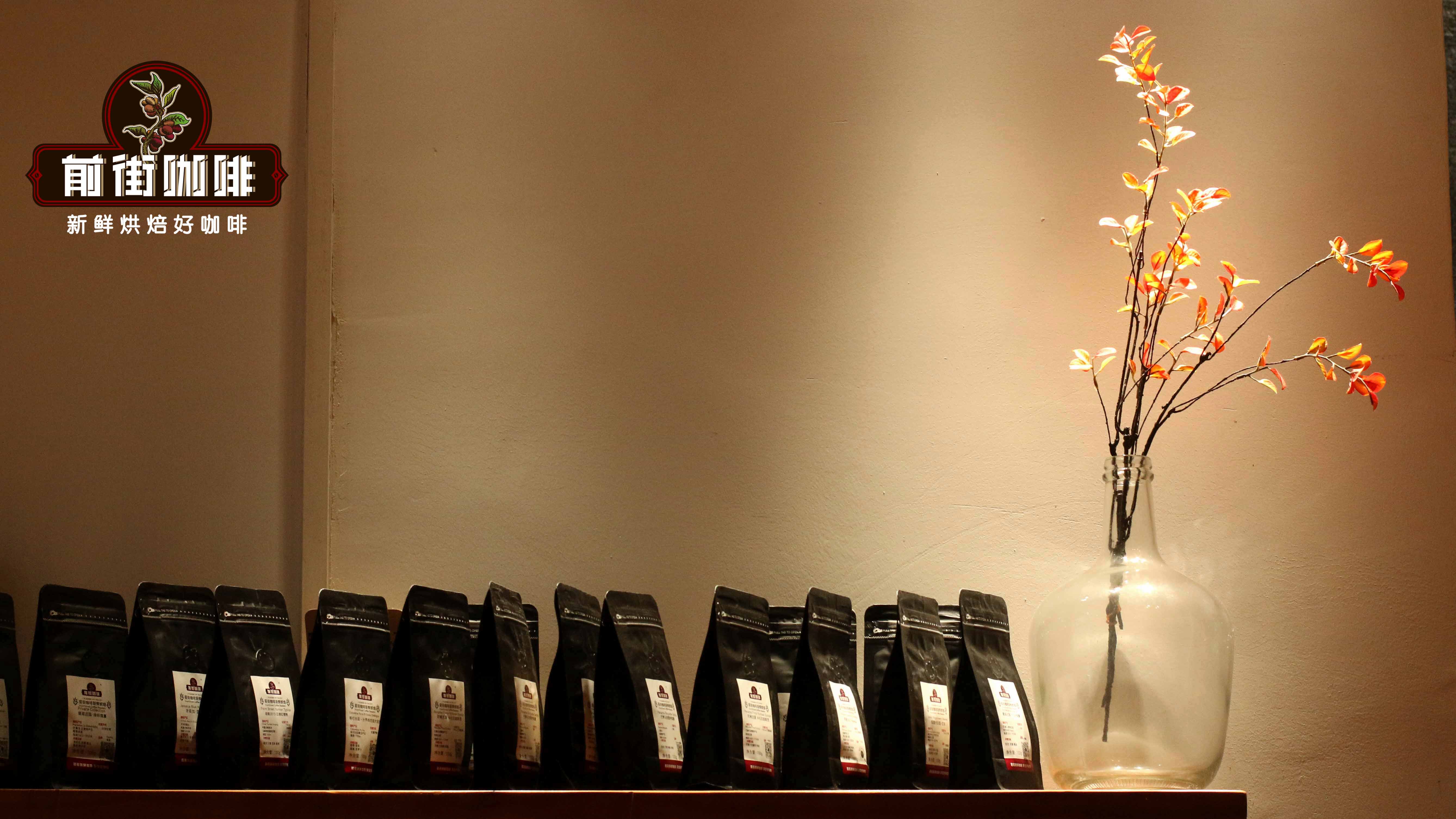
Front Street Coffee currently has more than 50 coffee beans on sale, covering high-quality single-origin beans from major coffee-producing regions around the world. A satisfying cup of coffee is inseparable from the freshness of the coffee beans. Front Street knows well that the freshness of coffee beans directly determines the expression of flavor and aroma, so every batch of coffee beans sent out is ensured to be shipped within 5 days after roasting is completed.
Indonesia (herbal and spice notes)—recommended Front Street PWN Golden Mandheling coffee beans
Origin: Aceh Province, Sumatra, Indonesia
Company: PWN Company
Growing altitude: 1100-1600m
Grade: G1 triple hand-sorted
Processing method: wet-hulled processing
Variety: Ateng
Flavor: herbs, spice-like rich aroma, dark chocolate, caramel, nuts.
Ethiopia (floral and citric acidity)—recommended Front Street Yirgacheffe Gutingting Cooperative coffee beans
Origin: Yirgacheffe, Ethiopia
Cooperative: Gutingting Cooperative
Growing altitude: 2000-2100m
Processing method: washed processing
Variety: Ethiopian heirloom varieties
Flavor: citrus-like bright acidity, berry sweet-tartness, honey sweetness, green tea-like lingering sweetness.
Sidamo, Ethiopia (berries and tea-like notes)—recommended Front Street Huakui coffee beans
Origin: Guji, Sidamo, Ethiopia
Processing station: Buku Able
Growing altitude: 2250-2350
Processing method: natural processing
Variety: Ethiopian heirloom varieties
Flavor: mixed berry juice, fruity fermentation aroma, strawberry sweet-tartness, jackfruit

Kenya (cherry tomato and juicy mouthfeel)—recommended Front Street Little Tomato coffee beans
Origin: Thika, Kenya
Processing station: Asaliya
Growing altitude: 1550-1750m
Processing method: 72-hour washed processing
Variety: SL28, SL34
Flavor: cherry tomato aroma, plum, preserved plum-like acidity, brown sugar-like sweetness.
Costa Rica (sweetness and honey tonality)—recommended Front Street Strawberry Candy coffee beans
Origin: Tarrazu, Costa Rica
Estate: Mirazu Estate
Growing altitude: 1700m
Processing method: raisin honey processing
Variety: Geisha SL28 ET47 Maico
Flavor: strawberry hard candy aroma, dried grape fermentation aroma, strawberry sweet-tartness, rose floral aroma
Yunnan, China (nuts and balance)—recommended Front Street Yunnan small-bean Typica coffee beans
Origin: Baoshan, Yunnan
Growing altitude: 1450-1550m
Processing method: all-red cherry natural processing
Variety: Catimor
Flavor: red berry sweet-tartness, rich dark chocolate, roasted nut-like aroma, caramel-like sweetness.
Brazil (nuts and milky aroma)—recommended Front Street Queen Estate coffee beans
Origin: Mogiana, Brazil
Estate: Queen Estate
Growing altitude: 1400-1950m
Processing method: semi-dry processing
Variety: Yellow Bourbon
Flavor: roasted nut aroma, peanut butter-like smoothness, fermented fruit-like finish.
Papua New Guinea (sweet-tart balance and cocoa)—recommended Front Street Bird of Paradise coffee beans
Origin: Papua New Guinea
Estate: Bird of Paradise Estate
Growing altitude: 1500m
Processing method: washed processing
Variety: Typica variety
Flavor: citrus-like bright acidity, toasted bread aroma, sugarcane-like clean sweetness, white tea-like lingering sweetness.
Jamaica (balance and chocolate notes)—recommended Front Street Blue Mountain No. 1 coffee beans
Origin: Blue Mountains, Jamaica
Estate: Clifton Estate
Growing altitude: 13100m
Processing method: washed processing
Variety: Typica
Flavor: balanced acidity, sweetness, and bitterness, soft citrus acidity, rich dark chocolate aroma, nut butter-like smooth mouthfeel.
Panama (rich aroma and citrus fruit tea)—Front Street Panama Geisha coffee beans
Country: Boquete, Panama
Origin: Boquete
Growing altitude: 1700m
Processing method: familiar processing
Variety: Geisha
Flavor: jasmine floral aroma, juicy mouthfeel, citrus-like bright acidity, honey sweetness, black tea.
The above content is compiled by CoffeeHunters, a coffee news website.


