







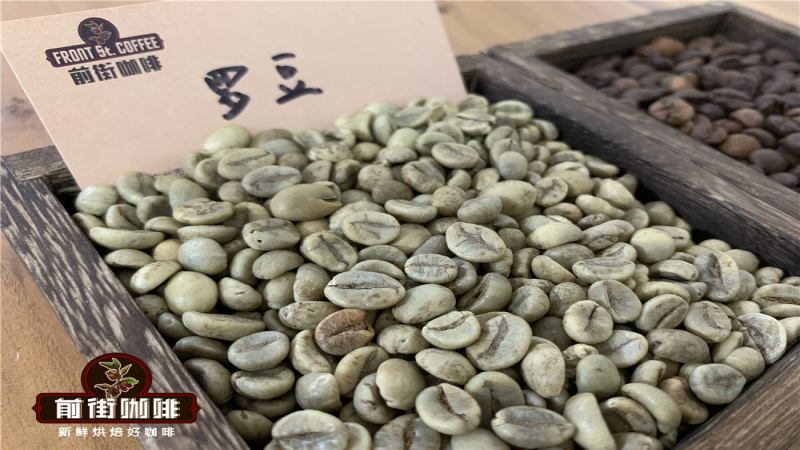
Among the three major coffee species, Arabica and Robusta have the most commercial value, but the specialty coffee world almost only talks about Arabica. Robusta is often labeled "cheap" and "bitter." Where exactly did it originate? Why is its price only half that of Arabica? How much does it cost per jin? This article systematically sorts through Robusta's past and present—from plant classification, historical ups and downs, flavor performance, to practical uses—while retaining recommended information such as Front Street Classic Blend and Front Street Commercial Blend, helping coffee enthusiasts gain a comprehensive understanding of this underestimated coffee bean.
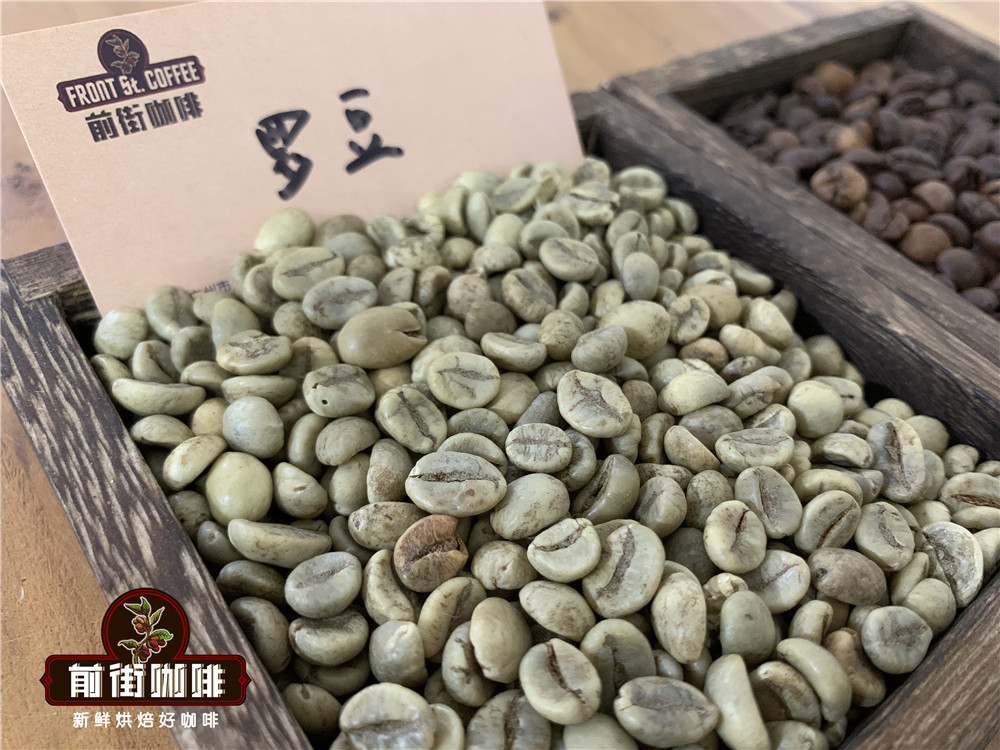
The coffee family is mainly divided into three major species: Arabica, Robusta, and Liberica, among which only the first two have commercial value. In the context of specialty coffee, Robusta is almost a forgotten name; in daily life, it is also common for merchants to emphasize that their beans are "100% Arabica." This atmosphere makes people feel that Arabica is a pampered rich girl surrounded by admirers, while Robusta is a dusty, poor child.
The Origin of Robusta
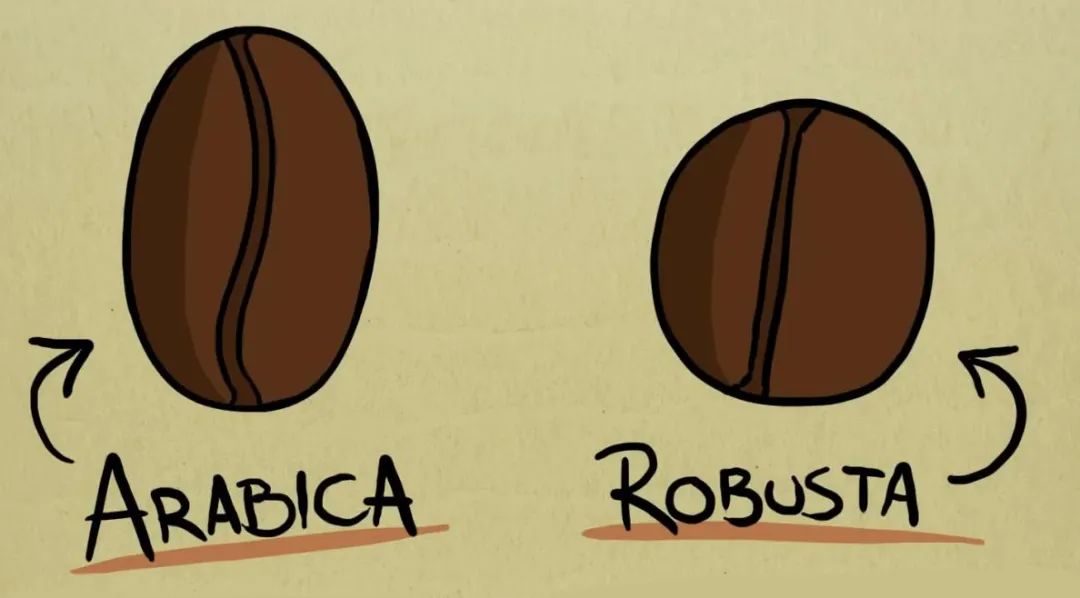
Both Arabica and Robusta originate from Africa. Arabica is a small-seeded species, native to the high-altitude regions of the Ethiopian plateau; after leaving Ethiopia, it spread to the rest of the world through the port of Mocha, and after centuries of cultivation, it differentiated into numerous varieties such as Typica, Bourbon, Geisha, and Caturra, all classified under Arabica.
Robusta is a medium-seeded species, coming from the Congo Basin area on the west coast of Africa. If strictly classified botanically, it should be called "Coffea canephora" (Congo species), on the same level as "Coffea arabica." Robusta is merely a variety under the canephora species, just as Typica is a variety under the arabica species.
The reason the name Robusta is far more prominent than canephora is that most other subspecies under canephora remain wild, and only Robusta has been commercially cultivated on a large scale by humans. Therefore, people today habitually use "Robusta" to refer to the entire medium-seeded coffee species.
In terms of domestication time, Arabica predates Robusta by several centuries. Robusta was not discovered by Belgian scholars in Congo until 1898, and subsequently, due to the global spread of leaf rust, it was introduced to affected producing regions thanks to its excellent disease resistance.
Robusta Also Had Its Glory Days
Robusta has high caffeine content and rich oils. In the era when espresso swept the globe, it was often used in espresso blends. At that time, many people drank coffee largely to consume caffeine.

Later, as the specialty coffee concept rose, people began to focus on origin flavors. Robusta's inherent bitterness, along with flavors of walnut, peanut, hazelnut, and smokiness, are generally regarded as negative traits in coffee. More critically, after origin-based sorting, Arabica's flavor performance far exceeds Robusta's. This is an innate gap—Robusta's flavor is far less appealing than Arabica's, so people naturally prefer Arabica.
Innate Deficiencies, Acquired Disorders
Front Street believes that within the specialty coffee domain, flavor always comes first, and caffeine is no longer the sole purpose of drinking coffee. Robusta's advantages thus become disadvantages. Light-roasted Arabica can showcase floral and fruity aromas and acidity, leaving a lasting impression; whereas Robusta, if light-roasted, presents grain, almond notes, and chaotic acidity that are hard to accept. Overall, with current Robusta, there is no chance of winning in the light-roast arena.
Turning to the dark-roast arena, Robusta's bitterness is amplified to the extreme by dark roasting. Too bitter, but the aroma is also very strong. Vietnamese people often drink Robusta; they love that aroma but can't stand the bitterness, so they add condensed milk or egg to black coffee to neutralize it.
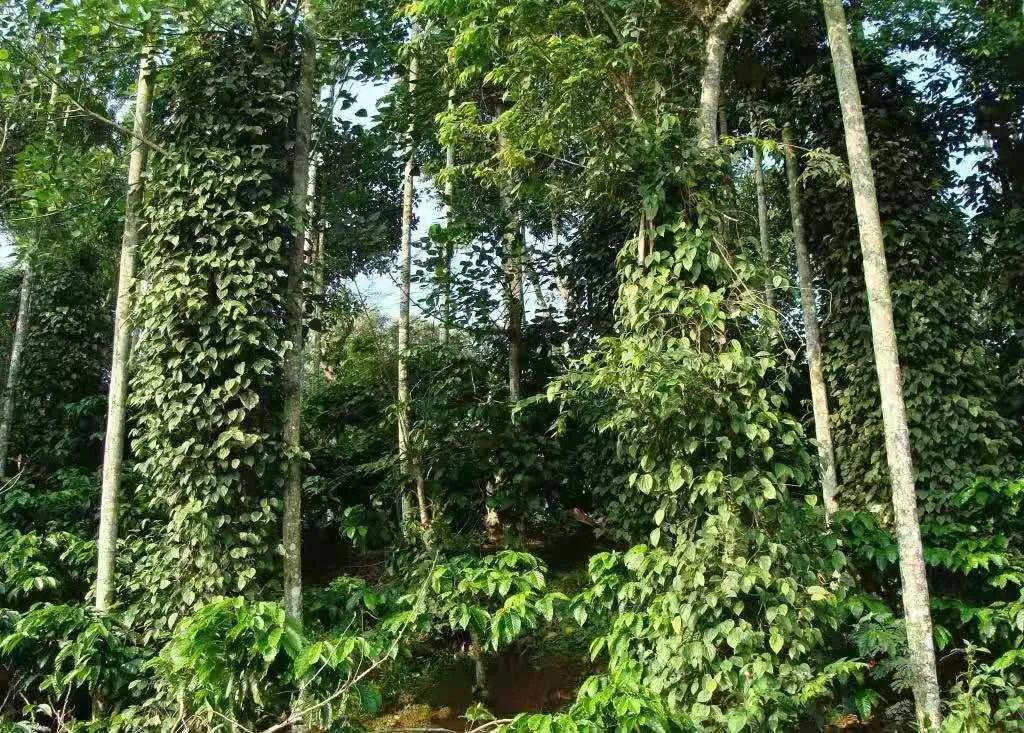
Some would say that Robusta's growing environment is inherently worse than Arabica's, and low-altitude Arabica doesn't taste good either. So some have tried planting Robusta at high altitudes with careful care, attempting to remove that torturous bitter and miscellaneous taste.
India's "Coffee Royal" Robusta is called specialty Robusta; it is cultivated using the standards for growing specialty Arabica. This bean performs quite cleanly, without the disturbing off-flavors of cheap Robusta, with a thicker, more steady mouthfeel, and intense walnut, peanut, hazelnut, and wheat flavors reminiscent of peanut butter and hazelnut spread.
Improving cultivation levels can indeed improve coffee flavor, but Robusta is ultimately Robusta, and its genes determine that it cannot be like Arabica. It is not to say that Robusta necessarily tastes worse than Arabica, but when the general public's flavor preference still leans toward Arabica, Robusta struggles to have its day. People will only measure it by Arabica standards, and although this is unfair, it is the reality.
Since It Doesn't Taste Good, What Is Robusta Used For?
Robusta's first major advantage is that it's cheap. Taking Brazilian coffee as an example, ordinary Robusta costs only half as much as ordinary Arabica. Second, its body and caffeine content are both superior to Arabica. These three advantages combined make it most suitable as a raw material for instant coffee.
Of course, some higher-quality Robusta beans, due to their prominent caramel aroma and rich oils, often appear as espresso blends or original Robusta coffee beans. Therefore, when purchasing traditional-style espresso, the top choices are Front Street Classic Blend and Front Street Commercial Blend, which yield aromas of butter, nuts, spices, and dark chocolate during extraction. Their wild character and overflowing crema are the biggest features. If the barista adds a beautiful latte art, it easily leaves a deep impression.
Honestly, Front Street once tried a Vietnamese Robusta with very rich and pleasant milk and cream aromas, but the bitterness was truly shocking. (Just honestly add milk! 😓 )
The above content is compiled by CoffeeHunters, a coffee news website.


