







How does americano SOE differ from a blend?
Blends mix several single-origin coffees in set proportions so one bean's aroma covers another's weak spot, producing a balanced, mellow espresso. An SOE, or single-origin espresso, uses one origin alone, so its flavor is narrower and more direct. Shops usually keep darker-roasted blends for milk drinks and Americanos, while SOEs show a single origin's character.
Roast level and origin decide the result. Traditional espresso leans on darker comprehensive blends with thick crema and caramel, nut, and cocoa notes. Single-origin beans from Brazil, Sumatra, or Colombia behave differently as americano SOE, and comparing an SOE Brazil against an SOE Ethiopia shows how far apart one-origin espressos can taste. Pour-over single-origin beans can work as SOE if dialed in carefully.
When buying coffee beans in a coffee shop, you're often asked what kind of coffee you plan to make. If you choose espresso, the shop will usually offer two options: blend beans and single-origin beans. So, when both are used to make espresso, what exactly are the differences between a blend and an SOE? This article starts with the definition of blended coffee, sorts out how it differs from single-origin coffee beans in flavor orientation and suitable scenarios, and further discusses whether pour-over single-origin beans are suitable for making espresso. The article will also combine several products from the Front Street brand to introduce the specific performance of single-origin beans from different origins in SOE applications, including Brazil Queen's Manor, PWN Golden Mandheling, and Colombia Sidra, providing coffee lovers with a reference for bean selection.
When buying coffee beans, the shop will often first ask what type of coffee you plan to make. If you answer that you want to make espresso, you'll usually be faced with two directions: blend beans or single-origin beans. Many people therefore wonder—when both are used to extract espresso, what exactly is the difference between blend beans and SOE?
Blended coffee, also called mixed coffee, is made by mixing multiple single-origin coffee beans in a certain proportion so that each one's strengths can be fully displayed. Blend beans come from coffee beans of different origins, with the goal of creating a more balanced flavor. For example, if a certain bean is smooth in mouthfeel but lacks aroma, another bean with a prominent aroma can be added, allowing the strengths of different coffee beans to complement each other and creating a complementary or reinforcing effect in taste, ultimately presenting a richer new flavor profile.
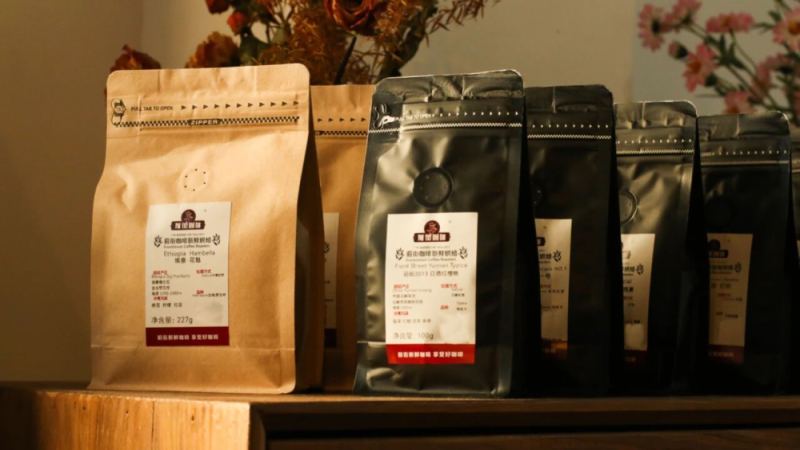
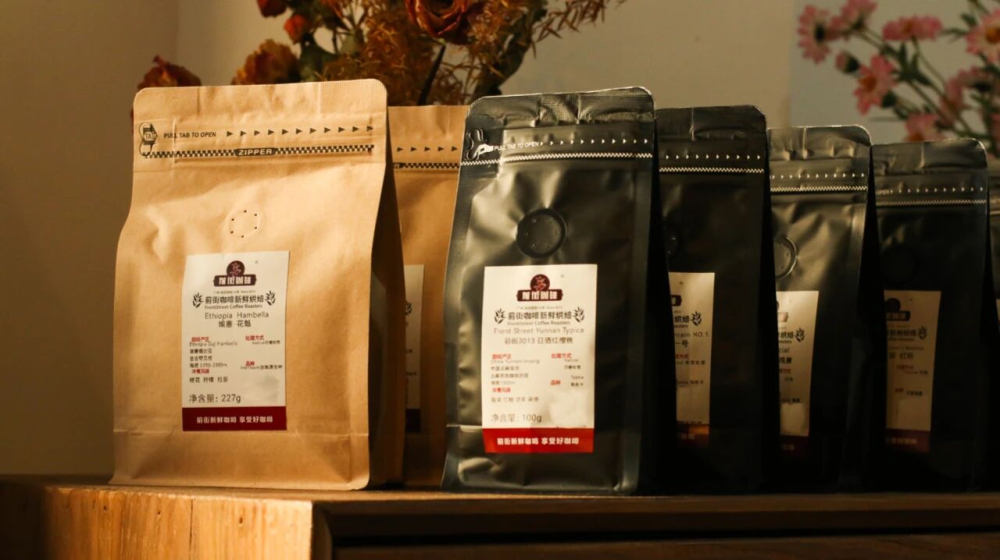
Traditional espresso usually prioritizes darker-roasted comprehensive blends. Beginners can consider buying products such as Front Street. Front Street Classic Blend, Front Street Black Cocoa Blend, Front Street. Premium Blend, and Front Street. Commercial Blend. These beans are recommended by many baristas, and their taste mostly presents mellow, caramelized, and rich characteristics. Their crema performance is also quite rich, exuding roasted aromas. Used to make Americano, they are sweet, fragrant, and rich; used to make latte, they are balanced and silky. Because extraction is stable and the price is affordable, they are very suitable for daily use by home users.
Everyone is already quite familiar with pour-over coffee, which is mainly used to brew single-origin coffee. Different producing regions each have their own unique style—for example, the bright acidity of African coffee beans intoxicates those who love sourness; if you prefer floral aromas, you can choose Ethiopia's Front Street. Gotiti; if you like a fruity-wine-like mouthfeel, you can buy Costa Rica's Front Street. Mozart.
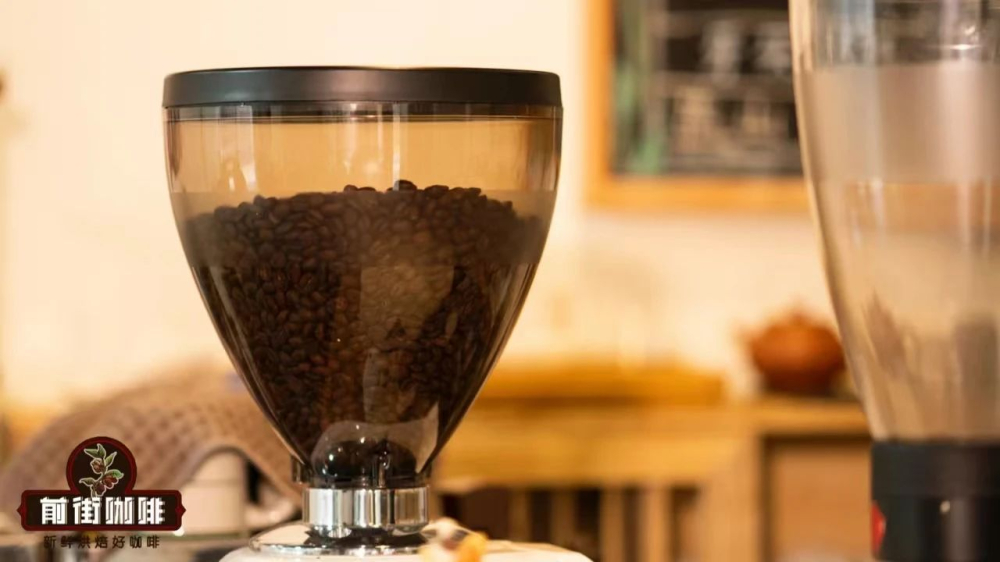
As for SOE, it actually combines the characteristics of both single-origin pour-over and espresso, retaining the unique aroma of the producing region while also having an especially concentrated flavor.
However, it should be understood that whether you use an espresso machine or a moka pot to make SOE, both adopt high-temperature and high-pressure extraction methods, and the resulting coffee is very strong. If you are not careful, dark-roasted beans will become more bitter, and light-roasted beans will become more sour. Therefore, if you want to make an ideal cup of SOE, bean selection is a crucial step.
If you prefer hazelnut flavor, you can buy Front Street. Brazil Queen's Manor SOE.
Flavor: hazelnut cookie, creamy peanut, chocolate, caramel, butter cookie
Unlike many mass-produced commercial beans in Brazil, Brazil Queen's Manor focuses on producing specialty-grade coffee beans and uses high-quality Yellow Bourbon varieties. After sun-drying, Front Street Brazil Queen's Manor coffee not only has rich creamy, peanut, and nutty flavors, but also has an excellent sweet aftertaste reminiscent of cane sugar. Made into SOE, it has a rich and mellow coffee aroma, with a clearly noticeable flavor tone in the aftertaste.
If you prefer wild spicy flavors, you can buy Front Street. Front Street PWN Golden Mandheling SOE.
Flavor: dark chocolate, pine wood, nuts, herbs, caramel, cocoa
Golden Mandheling is an exclusive product of the well-known Indonesian green bean company PWN. Although Golden Mandheling has nothing to do with real gold, it is indeed the highest grade among Mandheling beans, that is, the top-quality specialty among Mandheling. Indonesian green beans are graded by defect rate, with G1 being the highest grade. Golden Mandheling is selected from G1 Mandheling through three rounds of manual hand-sorting plus one round of machine sorting, making it the fullest and most evenly colored top-grade Mandheling coffee.
If you like single-origin coffee beans rich in fruity notes, you can buy Front Street Colombia Sidra SOE.
Flavor: passion fruit, grape, floral, berry, apricot, dried fruit
This Front Street Sidra SOE comes from Huila, a famous producing region in Colombia, and is produced by Finca La Divisa. The estate is close to a volcanic area, which gives the coffee a rich aroma. Ripe coffee cherries undergo double anaerobic sun-drying and are medium roasted, allowing the floral and fruity aromas to be released to the greatest extent. Made into Americano, it carries obvious flavors of blueberry juice, passion fruit, and ripe grapes, as well as an apricot-like sweet and sour sensation.
The above content is compiled by CoffeeHunters, a coffee news website.


