







Search Results for: Blends
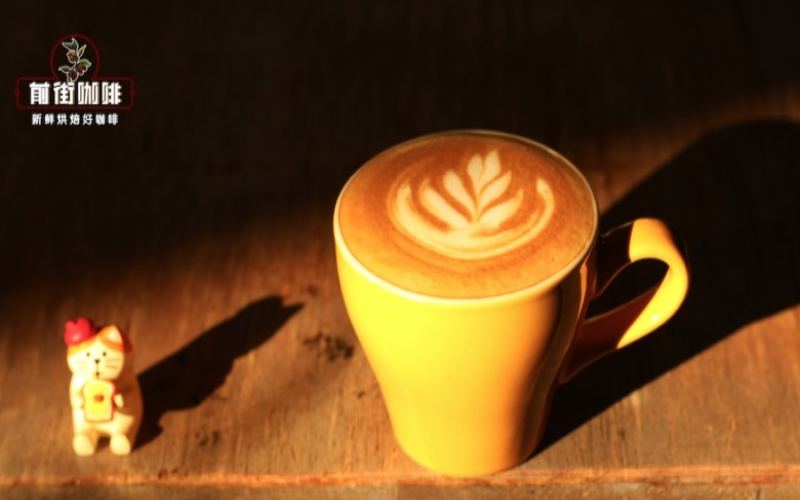
Bean Choices for Latte: From Classic Blends to Fruity Blends
The choice of beans for a latte determines the flavor direction of the final drink. From classic rich blends to fruity blends, different bean types each have their own characteristics when used in a latte. Understanding how different beans perform in a latte gives you a richer range of options when selecting beans. Classic rich blends are the traditional choice for a latte. Front Street Coffee's classic blend is made from [more…]
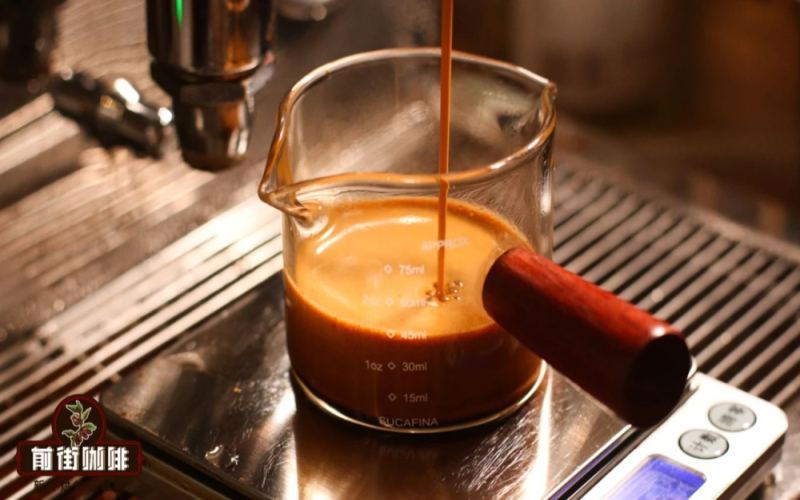
How Exactly Are Coffee Blends Formulated? The Differences Between Espresso and Single-Origin Blends, and Approaches to Yunnan Coffee Blending
The debate between blends and single-origin coffee has a long history; each has its own strengths, and there is no absolute winner. So-called blended coffee beans are made by mixing multiple kinds of coffee beans in different proportions to achieve flavor expressions that a single bean variety struggles to present. It serves both the stable extraction of espresso and the possibilities of flavor exploration. From the perspective of Front Street Coffee, this article sorts out the core purposes of blending, the four major principles, and common misunderstandings, explains the differences between espresso blends and single-origin blends, and introduces the Mamba recipe, Yunnan coffee blending ideas, as well as the flavor positioning and suitable scenarios of several Front Street espresso blend beans. [more…]
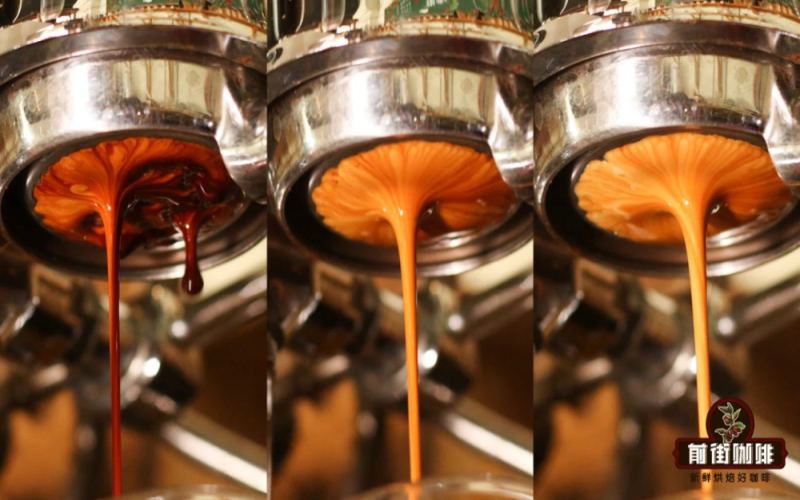
Front Street Coffee's Four Italian-Style Blend Beans Flavor Analysis: A Comprehensive Overview from Raw Blends and Roasted Blends to SOE and Classic Recipes
The development of espresso blends has undergone an evolution from traditional dark-roasted blends with Robusta beans to modern specialty blends. In this article, Front Street Coffee systematically sorts out the core logic of espresso blending: why blending is necessary, the respective advantages and disadvantages of blending green beans versus blending roasted beans, the rise and limitations of the SOE trend, and provides a detailed introduction to four representative espresso blend recipes—Front Street Specialty Blend, Front Street Commercial Espresso Blend, Front Street Dark Cocoa Blend, and Front Street Strawberry Candy Espresso Blend—covering the flavor characteristics and roasting approaches of beans from origins such as Colombia Huila, Brazil Cerrado, Yunnan AA, and Indonesia Mandheling, and finally attaching ratio instructions for espresso, latte, cappuccino, flat white, and other fancy coffee drinks, providing coffee enthusiasts and industry professionals with a complete framework for understanding blending. [more…]
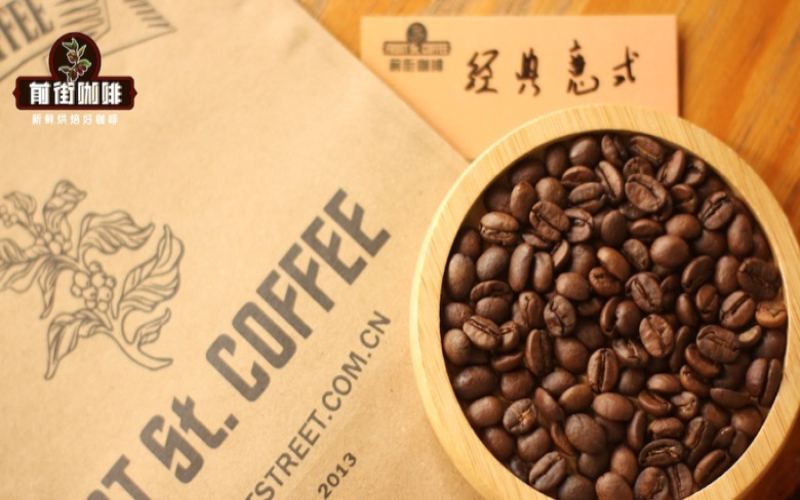
An Advanced Bean List for Home Machine Users: A Nine-Coffee Route from Blends to Single Origins
Home espresso enthusiasts all reach a point: once you've settled into a comfortable daily blend, you start wanting to see farther horizons. This article lays out a progressive bean list route, with nine beans arranged by style progression, each step having a clear flavor goal. The starting station is the depth of blends. Commercial blends and specialty blends solve the "easy everyday drinking" [more…]
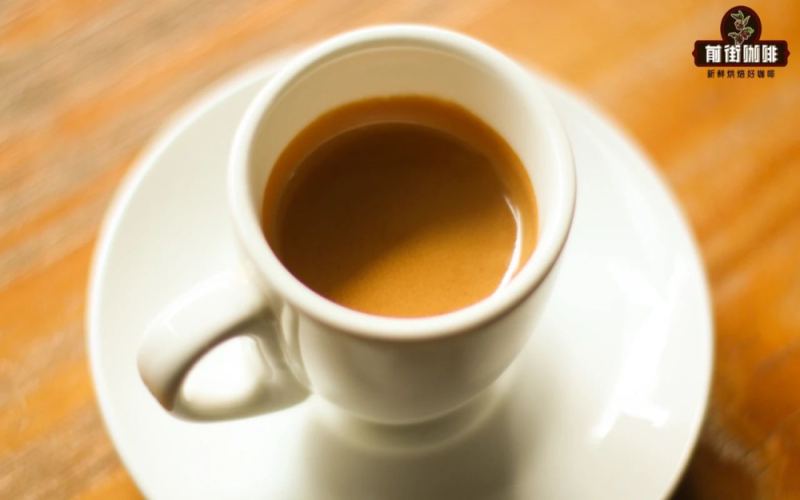
What Are Coffee Blends? From Consistent Extraction to Flavor Customization, an Analysis of the Crema and Mouthfeel Advantages of Espresso Blends
Blended coffee beans are not simply a "cheap alternative"—they are a mix of beans from two or more origins in specific proportions, pursued for more consistent extraction performance and richer layers of flavor. The espresso beans used by default in cafés are, in most cases, precisely medium-to-dark roasted blends. Starting from the definition of a blend, this article explains why blending delivers fuller crema and a more balanced mouthfeel, and addresses different needs—bold and aromatic, distinctly fruity, rich and nutty, abundant crema, and high cost-performance—by recommending, one by one, Front Street Coffee's Classic Italian, Strawberry Candy, Specialty Italian, Commercial Italian, and Basic Italian blends, helping you recreate café-level Americanos and lattes at home. [more…]
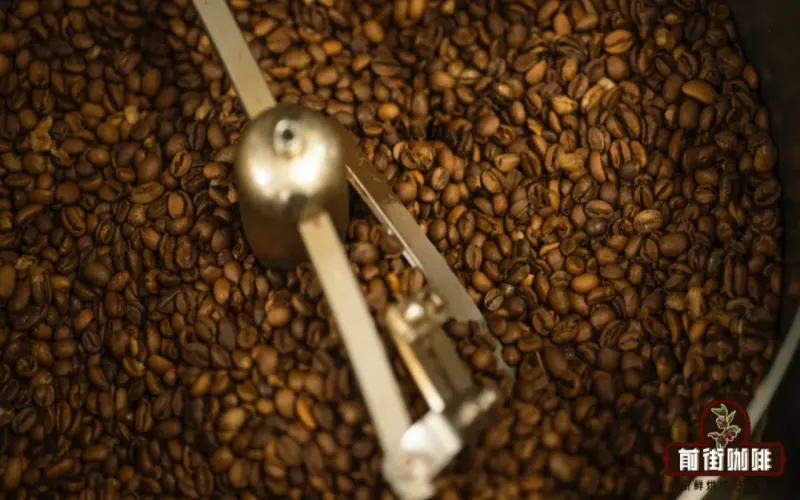
A Comprehensive Analysis of Coffee Blends: Differences Between Espresso Blends and Single-Origin Beans, and How to Choose Between Pre-Roast and Post-Roast Blending
Blended coffee beans have attracted increasing attention in recent years, and even the pour-over coffee scene has begun to adopt them widely. Front Street Coffee has pointed out in past articles that single-origin coffee beans often struggle to achieve an ideal state in both flavor and mouthfeel at the same time, while through blending, it is possible to create a coffee bean that combines flavor, mouthfeel, and a unique character. However, blended beans involve two different modes—raw blending and roasted blending—which has also led many enthusiasts to wonder: which method is actually better? This article will systematically sort out the meaning of blended coffee beans, distinguish the differences between espresso blends and single-origin beans, and take a deeper look at the logic and applicable scenarios of raw blending and roasted blending respectively, helping readers fully understand how to choose blended coffee beans. [more…]
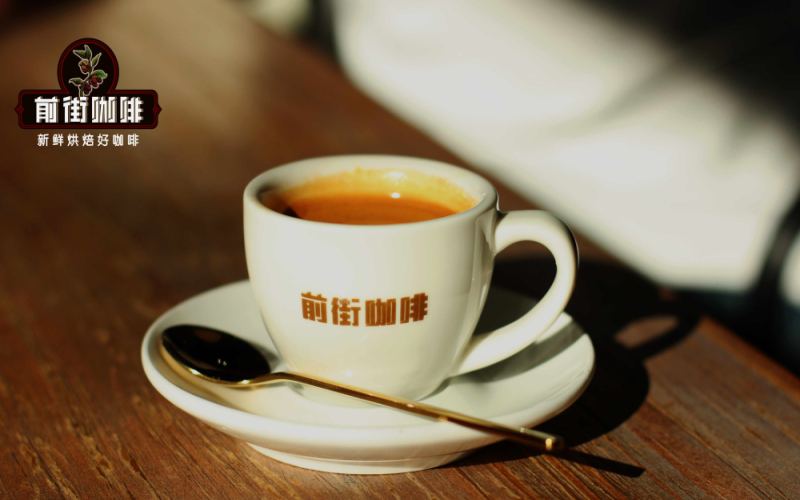
How to Choose Espresso Beans? Blends vs. SOE Differences and a Guide to Four Front Street Coffee Espresso Bean Recommendations
To make an espresso with a balanced mix of acidity, sweetness, and bitterness, choosing the beans is the first step. Espresso beans mainly fall into two categories: SOEs that highlight a specific region's flavors, and blends that aim for a balanced taste—most cafés go with the latter. The reason is that blends can make up for the shortcomings of a single origin's incomplete flavor profile, while also keeping the taste consistent year-round. When it comes to roasting, blends follow two paths—pre-blending raw beans or post-blending roasted beans—each with its own trade-offs. Front Street Coffee offers four blends for different needs: Sunflower Warm Sun, Specialty Blend, Commercial Blend, and Black Cocoa Blend, each suited to different shops and home scenarios. This article will walk you through all of this systematically to help you find the espresso bean that's right for you. [more…]
The Core Differences Between Espresso Blends and Single-Origin Coffee Beans, and Why Espresso Favors Blends
In the context of specialty coffee, single-origin coffee emphasizes the regional flavors brought by the same producing area, such as the floral and fruity notes of Ethiopia, the chocolate tones of Colombia, and the herbal aroma of Indonesia. This is why pour-over enthusiasts often prefer single-origin beans. But espresso has different demands: beyond flavor expression, what matters more is extraction stability. As an agricultural product, coffee beans fluctuate in flavor due to changes in origin and harvest year, and blending exists precisely to balance these differences and keep the output consistent. This article will sort out the differences between blends and single-origin beans, and recommend a variety of Front Street Coffee espresso beans suitable for home use, covering fruity, full-bodied, and balanced options. [more…]
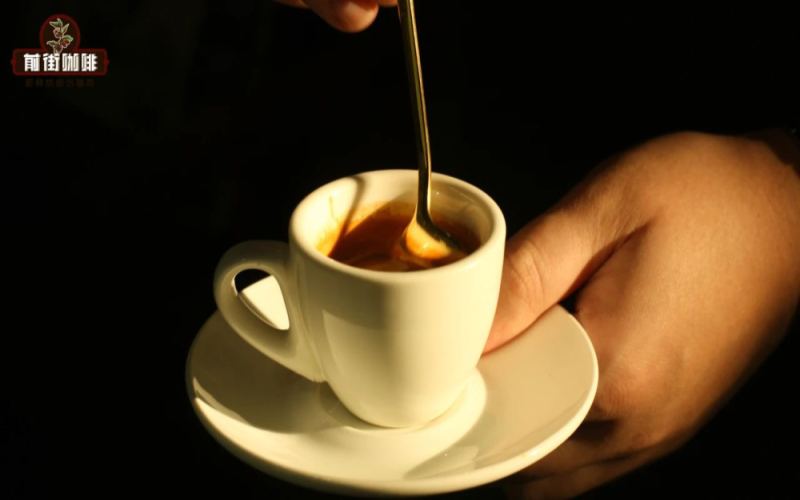
Espresso Blends vs. Single-Origin Beans: A Complete Guide to Espresso and Regular Coffee Brewing Recommendations
Coffee beans can be divided by origin into blends and single-origin beans. The former is commonly used for espresso, while the latter appears more often in pour-over or SOE. Starting from definitions, this article sorts out how espresso blends achieve flavor balance and complementarity by mixing beans from different origins, and introduces the rise and characteristics of SOE (Single Origin Espresso). The article also recommends Front Street Coffee's Classic Blend, Dark Cocoa Basic Blend, and several SOE beans, covering dimensions such as crema, mouthfeel, and value for money. Whether you are after rich crema or distinctive fruit acidity, you can find a suitable brewing direction. [more…]
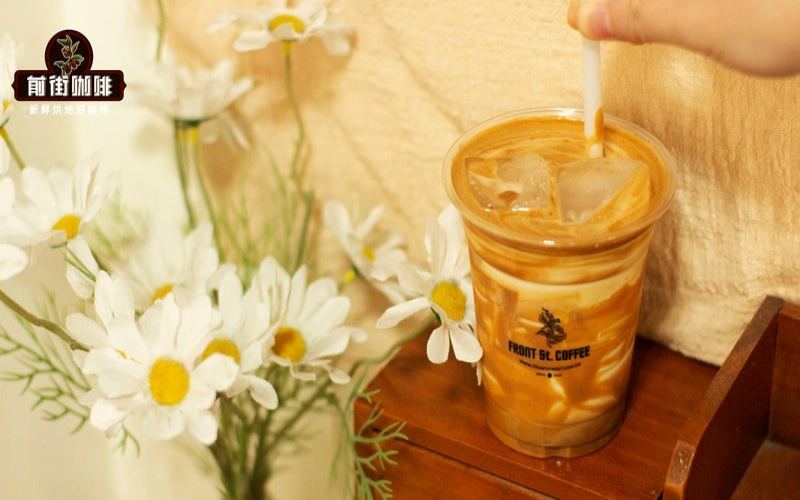
How to Choose Between Espresso Blends and SOE: Judging Flavor and Brewing Method by Roast Level
When comparing espresso blends and SOEs side by side, you can't just look at the labels "blend" or "single origin"—the roast level often determines the character of the cup more quickly. Also used for espresso machines, a light roast tends toward bright fruit acidity, a medium roast emphasizes sweetness and balance, and a dark roast brings cocoa, nuts, and a fuller mouthfeel. [more…]
Roast Depth Sets the Direction: How to Choose Between Espresso Blends and SOE
When comparing espresso blends and SOE side by side, looking at the roast level first gives you a better handle on things. When beans are roasted light, the floral and fruity notes from the origin and variety come through more vividly; as the roast moves toward medium-dark, nutty, cocoa, and caramel notes along with a fuller body gradually take over. Blends often combine the characteristics of different beans, while SOE concentrates [more…]
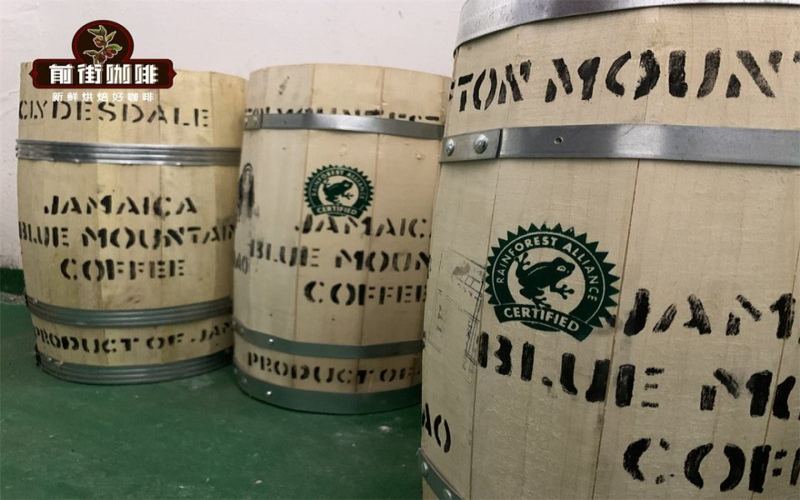
Which tastes better, a blend or an SOE? Choose by roast level to better suit your taste.
Whether coffee tastes good often depends on how well the roast level and the brewing method complement each other. Blends combine beans from different origins or lots, while SOE usually refers to espresso made from a single origin or single lot. There is no fixed answer for the two—light roasts highlight aroma, medium roasts highlight sweetness, and dark roasts highlight body. According to your [more…]
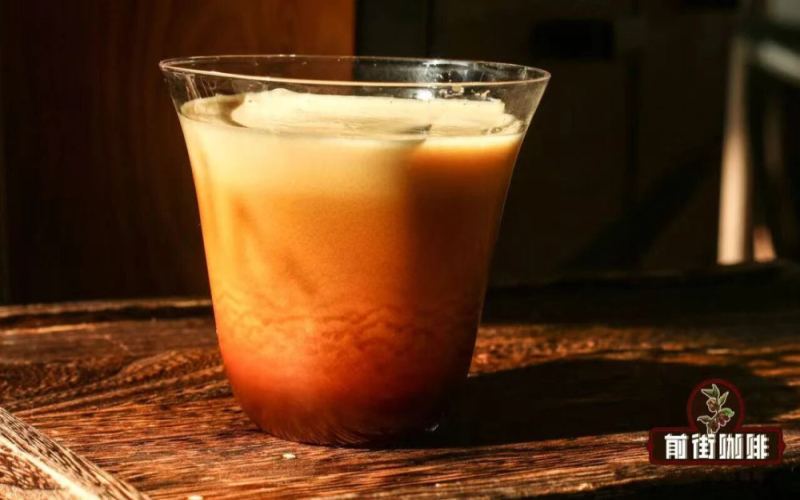
Why Is SOE Coffee More Expensive Than Blends? Defining Single-Origin Espresso and Blends, and Analyzing Their Flavor Differences
In recent years, SOE single-origin espresso has rapidly gained popularity in China's coffee scene, with many chain brands leveraging it to create their own signature offerings, forming a new trend. What exactly is the difference between SOE and espresso blends? Why is the price of SOE generally higher than that of blend beans? This article starts with the definitions, roasting approaches, and flavor presentation of the two, analyzing one by one how factors such as bean grade, roasting control, and brewing difficulty drive up the cost of SOE, and combines Front Street Coffee's store experience to share key points on bean selection, extraction parameter adjustment, and freshness management when making SOE at home, helping you easily brew a cup of excellent single-origin espresso. [more…]
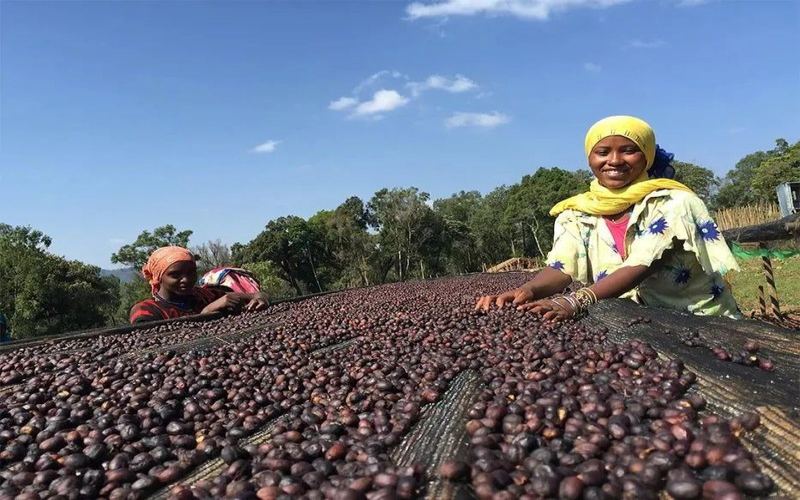
How to Choose Between Espresso Blends and SOE: Balancing Budget and Drinking Frequency
When it comes to espresso blends and SOE, we should start with the actual taste in the cup. For everyday bean buying, you need to consider how quickly you'll drink them, how much to buy at once, and whether you mainly make black coffee or milk coffee at home. The roast level of coffee beans determines the basic taste, the origin and processing method bring aroma differences, and the equipment you use will change the concentration, so when choosing beans you need to take [more…]
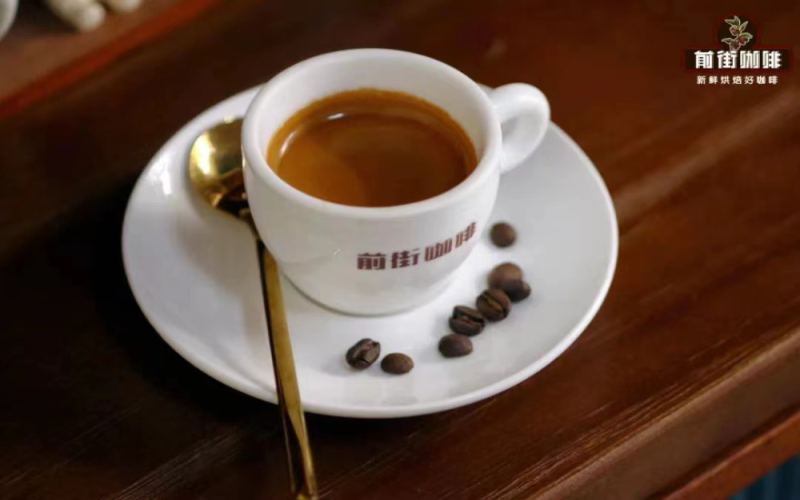
What Coffee Beans Should You Choose for Espresso? A Comprehensive Analysis of Blends vs. Single Origins and Light vs. Medium-Dark Roasts
Espresso is both an extraction method and the name of a coffee beverage. It is the type of coffee the public encounters most often and also the one most likely to raise questions. Many beginners are often confused: should espresso be made with a blend or single-origin beans? How should the roast level be chosen? Do espresso beans count as specialty coffee? Is sourness normal? This article addresses these frequently asked questions, starting with Front Street's fresh-roasting philosophy and storage recommendations, then analyzing the pros and cons of blends and single origins one by one, introducing the flavor characteristics of Front Street's four espresso blends, and explaining why espresso coffee mostly uses medium-dark roasts and why light roasts are unsuitable for pressurized extraction. Finally, it answers questions such as whether espresso blends belong to specialty coffee and where sourness comes from. [more…]
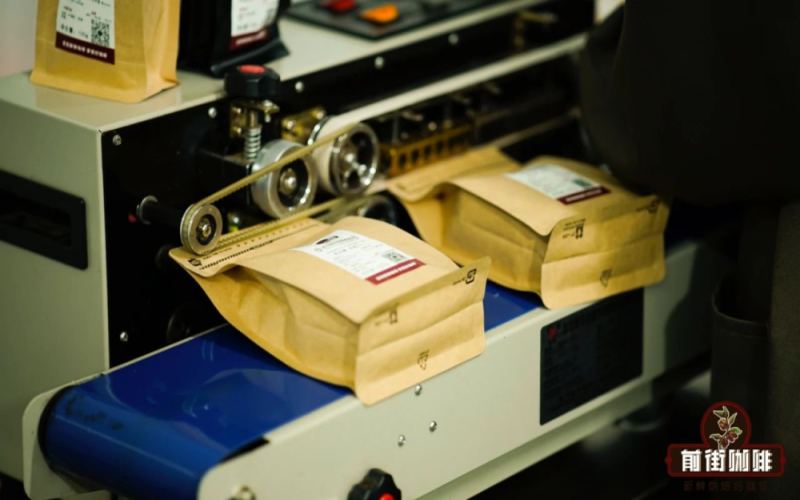
Espresso Bean Buying Guide: The Difference Between Blends and SOE, Plus Five Espresso Beans for Home Use by Flavor
Many coffee enthusiasts, when choosing espresso beans, often assume that only blends can do the job. In fact, single-origin beans can now also be used as espresso beans, known as SOE. Faced with a dazzling array of choices on the market, how to pick a bag of espresso beans suitable for a home coffee machine with outstanding flavor has become a key step in making good coffee. This article will start from the basic concepts of espresso beans, explain the differences between blends and SOE, and sort out the three major purposes of blending—price, stability, and flavor. On this basis, combined with most people's taste preferences, it will introduce five popular espresso beans, including Front Street Classic Espresso Blend, Specialty Blend, Strawberry Candy Espresso Blend, Commercial Blend, and Dark Cocoa Blend, corresponding respectively to different needs such as rich aroma, nuts, floral and fruity notes, coffee shop style, and high cost-effectiveness. Finally, it emphasizes the decisive influence of coffee bean freshness on flavor. [more…]
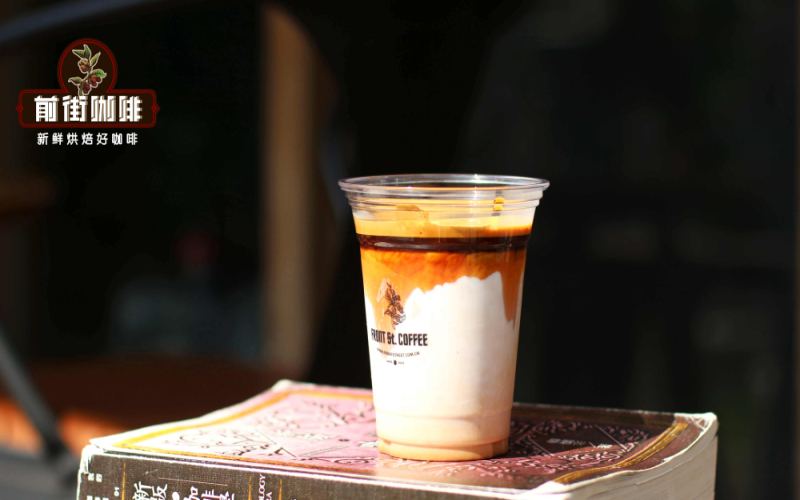
How to blend espresso beans? A look at five noteworthy blends to watch in 2026
Espresso blends aim for balanced flavor, and the output should not contain sharp acidity, bitterness, astringency, or other unpleasant tastes. By combining coffee beans from different origins and processing methods, blends can often create layers of flavor that single-origin beans struggle to achieve, even reaching a 1+1>2 effect. Different origins, altitudes, and climate conditions give coffee beans distinct personalities. Unroasted, they carry a grassy scent, while proper roasting releases fruity and caramel notes. Based on the taste preferences of most coffee lovers, Front Street Coffee has launched five espresso blends, covering different positioning such as classic richness, nutty balance, floral-fruity sweetness, commercial applicability, and high cost-effectiveness. This article will introduce their characteristics and suitable scenarios one by one for reference when purchasing. [more…]
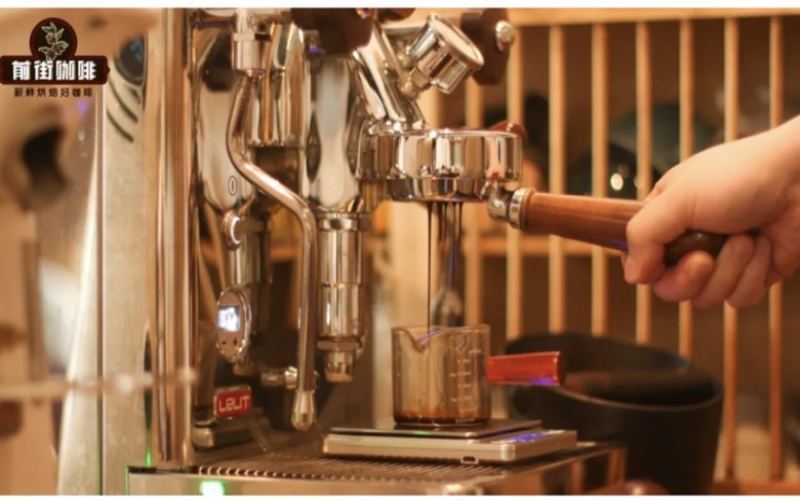
Bean Exploration on De'Longhi Machines: Performance of Blends and SOE
De'Longhi home espresso machines are not just for blend beans—using single-origin beans to make SOE also lets you experience the concentrated expression of a region's flavor in espresso form. On a De'Longhi machine, exploring step by step from blends to SOE, the flavor experience becomes richer and richer. The performance of blend beans on a De'Longhi machine is mainly about consistency. Front Street Coffee's classic blend uses a Mamba recipe [more…]
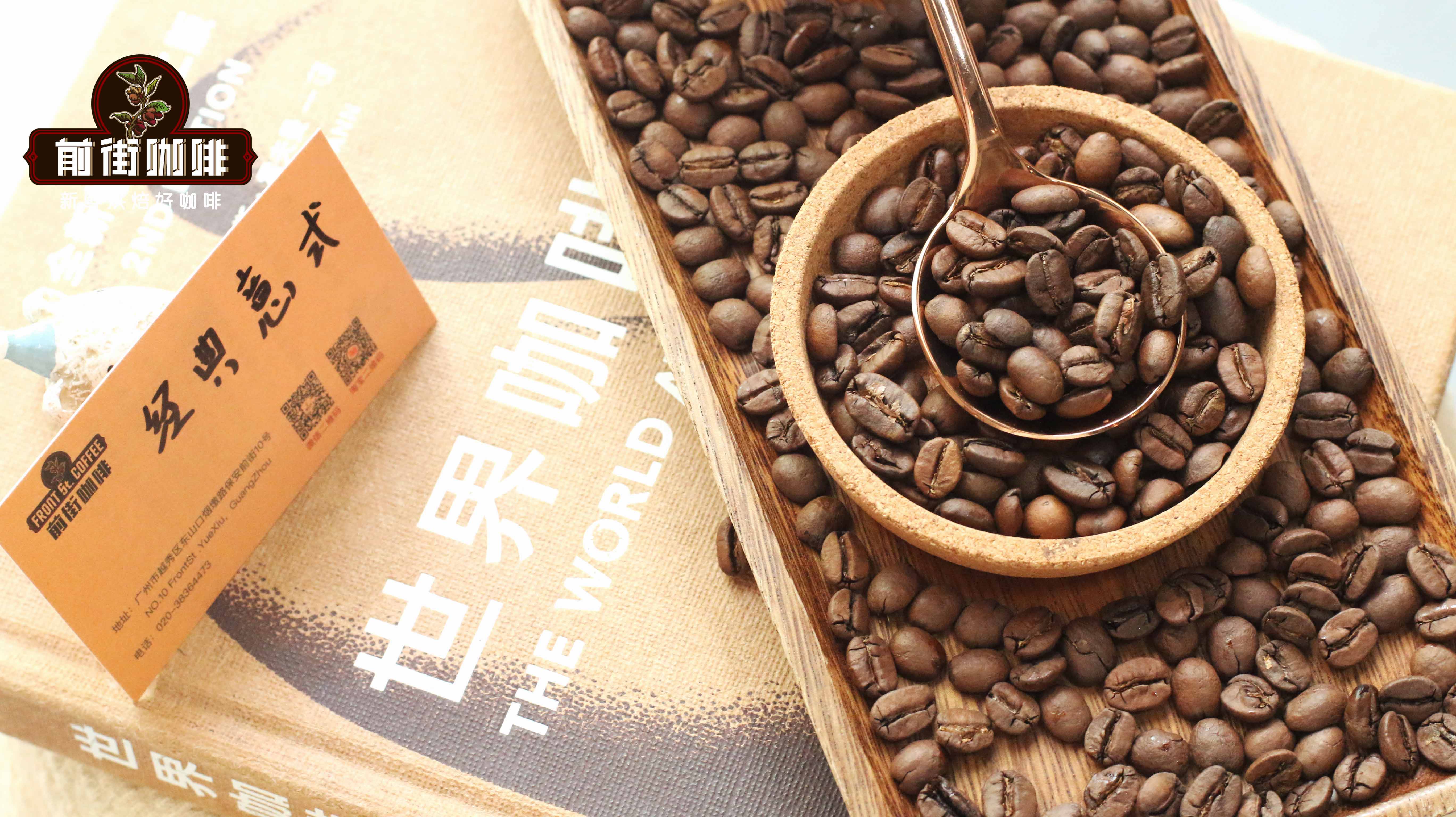
Home Espresso Beans | Why Are Espresso Beans Mostly Blends? Recommended High-Quality, Cost-Effective Blends Suitable for Espresso Extraction
When it comes to espresso beans, many people may first think of blended beans. Front Street Coffee believes that this is not entirely wrong, but not entirely right either. Because nowadays espresso beans are not only made from blends, but also from single-origin coffee beans, known as SOE. For coffee beginners who want to make a delicious cup of coffee [more…]
How to Choose Everyday Espresso Beans: A Guide to Blends and SOE Selection, Plus Five Front Street Coffee Recommendations
To make a balanced espresso with sweetness, acidity, and bitterness at home using a coffee machine, choosing the right beans is the first step. Espresso beans on the market generally fall into two categories: SOE, which emphasizes the flavor of a single origin, and blended beans, which pursue stability and balance—most cafés choose the latter. This article begins with the definition, advantages, and characteristics of blended beans, explains the trade-offs between two processing methods—pre-roast blending and post-roast blending—and compiles five distinctive and cost-effective blend options from Front Street Coffee, covering Specialty Blend, Commercial Blend, Dark Cocoa, Sunflower Warm Sun, and Strawberry Candy. Finally, it includes a Huakui bean suitable as an introductory SOE, helping you quickly lock in the right everyday beans based on your shop size or home needs. [more…]