







Search Results for: Off-Flavors

What Does Cleanliness Mean in Pour-Over Coffee? How to Avoid Off-Flavors and Choose Beans with a Clear, Transparent Taste
When drinking coffee, we often hear the term "cleanliness" — what exactly does it represent? Simply put, cleanliness is the degree of purity perceived by the tongue — from the first sip to the aftertaste, there are no off-flavors or unpleasant mouthfeel, and the flavors are clearly distinguishable. A cup of coffee with high cleanliness often has prominent floral and fruity notes and sugary sweetness, while flavors like earthiness, woodiness, and rubber are rejected by most people. Many factors affect cleanliness, including the quality of the coffee beans themselves, the proportion of defective beans, the processing and roasting stages, and the brewing method. This article, from Front Street Coffee's perspective, explains the meaning of cleanliness and offers practical advice on selecting and brewing pour-over coffee beans with a bright taste. [more…]
How to Achieve High Cleanliness in Pour-Over Coffee? A Detailed Guide to Flavor Cleanliness Criteria and Brewing Key Points
When evaluating a cup of coffee, cleanliness is a frequently mentioned yet easily misunderstood indicator. Many people assume that cleanliness is equivalent to being light or highly acidic, but in reality there is no necessary connection between the two. A coffee with high cleanliness means the liquid contains no off-flavors, and the taste is pure and distinct, rather than bland and tasteless. This article will focus on the definition of cleanliness, common misconceptions, and specific methods for improving cleanliness during pour-over brewing. At the same time, drawing on Front Street Coffee's brewing experience, it will help readers build a correct understanding of coffee flavor cleanliness and apply it in their daily pour-over practice. [more…]
How to Determine the Grind Size for Pour-Over Coffee? A Full Analysis of Standard Sieve Calibration Methods and Extraction Flavor Issues
When brewing pour-over coffee at home, do you find that the taste is always off even though your steps seem fine? Front Street Coffee, drawing on feedback from enthusiasts, has sorted out common flavor issues related to grind size selection and brewing. This article will walk you through how to use 0.85mm and 0.25mm sieves to assess grind distribution, the ideal pass-through rate and extraction time references for light-roast pour-over, and the six major causes of bitterness, off-flavors, and sourness along with corresponding adjustment methods, helping you find the grind coarseness and brewing parameters that suit you. [more…]
The proper way to approach coffee tasting: breaking it down item by item from aroma, acidity, and sweetness to body, finish, and off-flavors
Many people think that coffee tasting is about being able to name a few flavors, but that is not actually the case. The essence of tasting lies in tasting and discerning, and it is fundamentally different from casually drinking a cup in daily life. We rarely "taste" instant coffee, not merely because of differences in quality, but because the two kinds of coffee are drunk for different purposes: instant coffee is mainly about convenience and alertness, while single-origin coffee is meant to present a richer taste experience. Even so, tasting does not require you to be able to recite a string of flavor descriptors. Front Street Coffee believes that the most important thing is to be able to tell whether a cup of coffee is good or not, what is good about it, or if it is not good, in what way it is not good. This article will take you step by step through a practical method for coffee tasting from six dimensions: aroma, acidity, sweetness, mouthfeel, aftertaste, and off-flavors. [more…]
Why Has Mandheling's Herbal Flavor Weakened? Causes and Solutions for Off-Flavors in Pour-Over
Mandheling has always been polarizing: some people are captivated by its intense spice notes, herbal aroma, and the rich, full body woven from caramel and cocoa, while others steer clear of its bitter, burnt edge tinged with herbal, earthy, and woody tones. This article returns to Sumatra's growing environment, coffee varieties, and processing methods to explain the source of Mandheling's signature herbal flavor, and further explores why the herbal note has become increasingly faint in recent years and why Golden Mandheling is cleaner and more mellow. It will also discuss where to look for causes when off-flavors appear in pour-over Mandheling. [more…]
How to Choose Indonesian Mandheling Coffee Beans? Brand Recommendations and a Guide to Selecting Fresh Beans Without Off-Flavors
Mandheling is a classic coffee produced on the Indonesian island of Sumatra, but many people don't know the origin of its name, nor do they know how to choose a fresh, clean Mandheling free of off-flavors. This article begins with the story behind the naming of Mandheling, then guides you through its unique wet-hulling process and how its signature herbal, spicy, and woody flavors are formed. It also recommends two products—Front Street Indonesian Mandheling G1 and Front Street PWN Golden Mandheling—which are suited respectively to beginners wanting a taste and to those pursuing specialty-grade quality, explaining their respective flavor profiles and suitable brewing methods to help you more accurately pick a Mandheling coffee bean that suits your taste. [more…]
Advanced Coffee Tasting: A Practical Guide to Identifying Negative Flavors and Analyzing Common Defects
In the process of learning coffee tasting, most people habitually focus their attention on capturing positive flavors such as floral and fruity notes and caramel sweetness, yet often lack the ability to describe unpleasant tastes. However, the key to truly improving one's tasting ability lies precisely in being able to accurately identify and distinguish negative flavors in coffee. This article, from Front Street's tasting perspective, systematically sorts out common defects such as greenness, over-fermentation, and off-flavors, and with the help of specific imagery such as earthy, woody, smoky, rubbery, medicinal, charred, and moldy, helps enthusiasts build a clear cognitive framework for negative flavors, so as to understand a cup of coffee's quality performance more comprehensively. [more…]
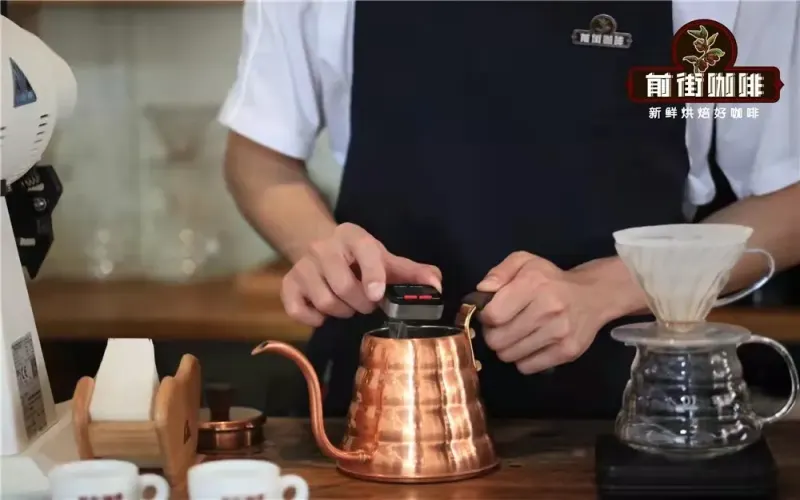
How to Calibrate Pour-Over Coffee Grind Size? A Guide to 80% Pass Rate on a #20 Sieve and Grinder Setting Adjustment
Grind size is the most difficult part of pour-over parameters to master. Front Street Coffee uses an 80% pass rate through a No. 20 sieve as a beginner-friendly calibration baseline, but different grinders vary enormously in performance, and the same sieve pass rate can produce drastically different flavor outcomes. This article centers on grind calibration: it first explains the limitations of the sieve method and the particle size distribution characteristics of uniform grinders such as the EK43s, then offers remedies for poor-quality grinders, including hand grinder RPM control, the pull-back technique for staged grinding, and the direction for adjustment when too many fines cause off-flavors. Finally, it discusses the criteria for deciding whether sieving is necessary and the practical technique of a single-pour flush to wash away fines, helping you find the grind parameters that suit you. [more…]
Typical signals, causes, and countermeasures of over-extracted coffee, and whether coffee grounds can be re-brewed
When many people drink a cup of coffee that tastes on the bitter side, their first reaction is, "Has this cup been over-extracted?" But bitterness cannot be directly equated with over-extraction. This article focuses on over-extraction, first explaining what it is—according to the Golden Cup theory and Front Street Coffee's daily practice, an extraction yield above 22% is considered over-extraction; then, from a sensory perspective, it outlines the three typical manifestations of over-extracted coffee: burnt bitterness, astringent bitterness, and off-flavors, and analyzes their causes one by one, such as water temperature being too high, grinding being too fine, contact time being too long, stirring being too vigorous, and too many fines. Finally, it offers two practical ways to avoid it: adjusting the brewing parameters and discarding the tail end of the brew, while also addressing the question of whether coffee can be brewed repeatedly, helping coffee lovers judge and improve their brewing results more accurately. [more…]

Where Do Common Off-Flavors in Pour-Over Coffee Come From? Analyzing Roast Dryness and Methods to Improve Tasting Ability
When an unpleasant flavor appears in a cup of coffee, it is often not accidental, but rather a deviation in some detail during growing, processing, roasting, or brewing. If we can identify these negative flavors one by one, we can work backward to infer what went wrong with the cup, which is practically helpful for improving tasting ability and optimizing brewing and roasting. Front Street Coffee has compiled several of the most common off-flavors in pour-over coffee—including miscellaneous odors, earthiness, woodiness, smokiness, charcoal, medicinal notes, mustiness, rubber, and rot, as well as astringency and dryness, two tactile sensations that are not tastes—and analyzes their causes and key points for identification one by one. [more…]
Analysis of the Flavor Profile and Brewing Parameters of Indonesian Mount Gayo Golden Mandheling
Indonesian Mandheling coffee is famous for its rich and full-bodied aroma, but different varieties differ considerably. The PWN Golden Mandheling from the Gayo Mountain region, with its strict quality control standards, presents the positive traits of being clean, full-bodied, and low in off-flavors. Drawing on Front Street Coffee's cupping experience, this article reviews the flavor characteristics and origin background of Golden Mandheling, and shares a set of brewing parameters suitable for dark-roasted beans, including dripper selection, grind size, water temperature, and a three-stage pouring scheme, helping coffee enthusiasts consistently extract caramel sweetness and nutty chocolate notes at home. [more…]
Coffee Flavor Descriptions | What Defects Can Be Found in Single-Origin Coffee Beans? How Can Coffee Beginners Identify Negative Flavors in Coffee?
When learning coffee tasting, most people focus their energy on describing positive flavors. For example, when describing a cup of coffee, they can rattle off "jasmine, lemon, strawberry, caramel, chocolate," but when they taste something unpleasant, they can only say "burnt bitter, muddy, green and astringent." In fact, to learn coffee tasting, [more…]
What exactly does coffee cleanliness mean? From green beans to brewing, which factors influence the clean taste of a pour-over cup?
In coffee tasting, "cleanliness" does not refer to whether the coffee liquid looks clear, nor does it mean a single, bland flavor profile. Rather, it means that upon tasting, there are no unpleasant defective flavors, while at the same time the various flavors are clearly distinct and do not interfere with one another. This metric may seem simple, but in reality it places high demands on every stage of coffee—from cultivation, processing, roasting, and brewing. This article will systematically sort out the meaning of cleanliness, analyze how defective flavors and off-flavors are formed, explain the key impact of brewing and extraction on cleanliness, and finally provide brewing suggestions for two Front Street Coffee beans with high cleanliness. [more…]
Washed Processing Method Fully Explained: Step-by-Step Flow from Harvest and Fermentation to Drying, and Flavor Characteristics
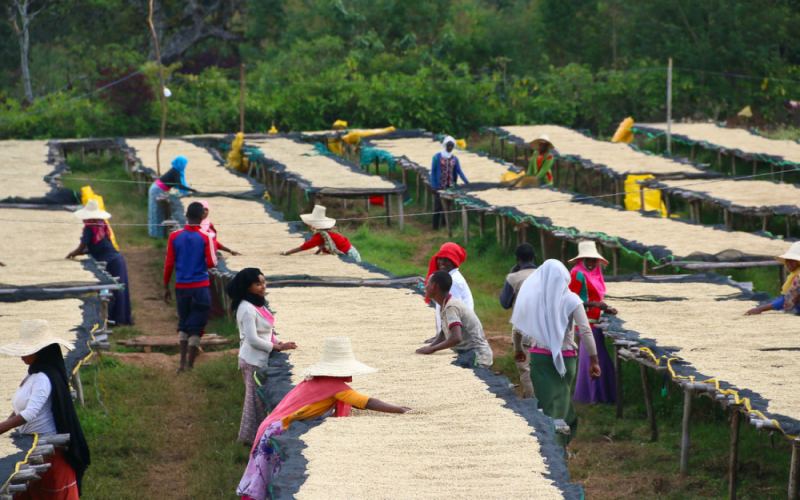
The washed processing method is one of the most common processing methods in the specialty coffee field. It relies on specialized equipment and an abundant water supply, and through multiple steps removes the coffee fruit's skin, pulp, and mucilage layer by layer, ultimately producing green coffee beans with stable quality and very few off-flavors. This process is especially widespread in producing countries in Central and South America, and when handled properly, it can highlight the varietal characteristics of the beans themselves and the terroir of the producing region to the greatest extent. This article will follow the sequence of harvesting, flotation, depulping, fermentation, washing, drying, and hulling/grading to break down the operational details of the washed method step by step, and explain the clarity, acidity, and aroma profile that washed coffee presents in the cup. At the same time, combined with Front Street Coffee's cupping experience and daily-drinker bean selection, it will help beginners build a correct understanding of washed beans. [more…]

A Complete Guide to Common Home Pour-Over Coffee Problems: Fixes for Stalling, Sudden Flow Changes, Off-Flavors, and Burnt Bitterness
Brewing coffee at home—when neither the equipment nor the beans are lacking, yet accidents still happen all too often: the final drawdown pools and drips endlessly, the flow rate suddenly speeds up at the same grind setting, sometimes it tastes great and sometimes it's rife with off-flavors, and the aftertaste carries a smoky, bitter char... Where exactly do these problems originate? Drawing on Front Street's hands-on experience, this article breaks down one by one the five most common extraction pitfalls in home brewing—from fine-particle clogging, the characteristics of anaerobic beans, and the effects of water quality to pouring technique and dark-roast parameter settings—to help you pinpoint the root cause and bring every pour-over cup closer to the ideal flavor. [more…]
Is your pour-over coffee bitter and astringent? Understand the three causes of over-extraction and dial in your grind, time, and water temperature.
Does your pour-over coffee taste bitter and muddled? The problem is very likely over-extraction. The soluble substances in coffee beans make up about 30%, and among them are components that bring bitterness, astringency, and off-flavors. Once extraction goes too far, these negative flavors are released in large amounts. In this article, Front Street Coffee will walk you through the nature of over-extraction and, starting from the three key dimensions of grind size, extraction time, and water temperature, explain how to troubleshoot and correct coffee that has turned bitter, including how to use a No. 20 sieve to judge grind coarseness, how to control duration with the dripper and pouring rhythm, and the suitable water temperature ranges for different roast levels, helping you steadily brew a clean, balanced, and delicious cup of coffee. [more…]

What Exactly Does Coffee Cleanliness Mean? A Comprehensive Analysis from Processing Methods to Brewing of the Relationship Between Layers and Cleanliness
When drinking coffee, people often exclaim, "This bean is so clean," but many can't clearly explain what cleanliness actually means. It really refers to the coffee's main flavors being clear and transparent, with no off-flavors or defects. Cleanliness is influenced by multiple factors including cultivation, processing, roasting, and brewing. Is washed coffee necessarily cleaner than natural coffee? Does bright acidity equal cleanliness? As ordinary consumers, what brewing details can we use to improve a cup of coffee's cleanliness? From Front Street's perspective, this article systematically sorts out the definition of cleanliness, common misunderstandings, and two practical tips—bean resting and gentle pouring—to help you taste and brew coffee more professionally. [more…]

Why does pour-over coffee become sour and astringent after cooling? Analyzing three reasons for flavor changes and the ideal drinking temperature
A freshly brewed pour-over coffee is full of aroma and smooth on the palate, but after sitting for half an hour it turns sour, astringent, and muddled—what's going on? In fact, coffee naturally presents different flavors at different temperatures, and during tasting it is often divided into three stages: hot, medium, and cool. A good cup of coffee can usually withstand all three temperature stages, but once it has fully cooled, the flavor goes beyond the normal tasting range. From Front Street's perspective, this article breaks down the root causes of coffee turning sour and developing astringent, muddled notes after cooling—including differences in how human senses perceive sourness, sweetness, and bitterness, the impact of aroma volatilization, and the three key mechanisms of oil oxidation, pigment oxidative polymerization, and condensation—and tells you the most suitable temperature for drinking coffee, helping you better capture the best flavor of every cup. [more…]
Ethiopian Natural Sidamo Coffee Bean Flavor Analysis: The Quality Leap from Traditional Natural to G1 Specialty
Sidamo is a famous specialty coffee region in Ethiopia, and its natural processing method has evolved from rough to refined. Traditional natural processing, due to direct sun-drying on the ground and a lack of sorting, produced unstable quality and was prone to off-flavors and defective beans. The improved natural method greatly enhances the coffee's cleanliness and sweetness through steps such as picking only fully red cherries, drying on raised beds, and manually removing defects. This article provides a detailed analysis of the flavor characteristics of natural Sidamo and explains how final sorting achieves the highest grade, G1. This natural Sidamo recommended by Front Street Coffee is a prime example of this refined processing and is well worth savoring slowly by coffee lovers. [more…]
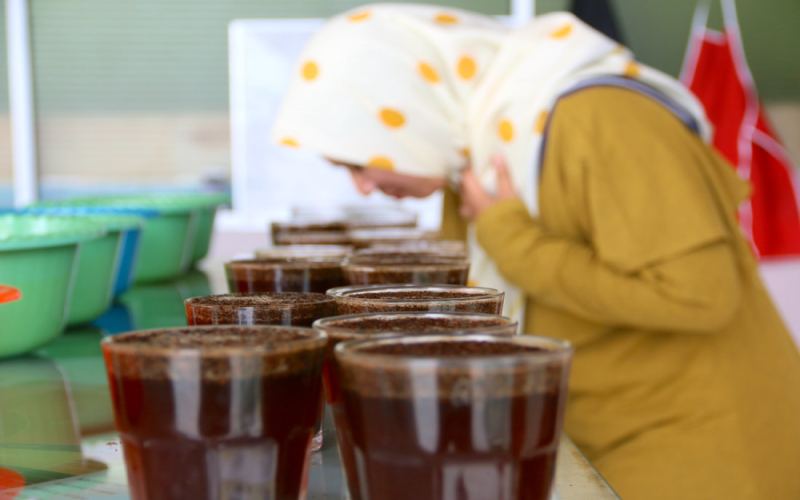
Characteristics of Premium Mandheling | Why is Golden Mandheling cleaner and free of off-flavors compared to Lintong Mandheling? Recommendations for high-value, great-tasting, non-bitter Indonesian Mandheling pour-over coffee beans
Indonesia has been on the coffee-planting path since the Dutch started it in the 17th century, and to this day Indonesia's coffee enjoys a pivotal position internationally. But if you were to ask which Indonesian specialty coffee is the most famous, many people would probably think of Sumatra Mandheling. So what exactly is Mandheling? Does it taste good? How do you choose a high-value [more…]