








How much does how coffee is processed shape cleanliness?
Coffee cleanliness means the main flavors are clear and transparent, with no off-flavors or defect notes such as woody, grassy, or rotten fruit tastes. It is influenced by cultivation, how coffee is processed, roasting, and brewing, and in tasting it is judged as its own separate category rather than as a synonym for acidity.
Washed coffee is not automatically cleaner than natural coffee. Early natural processing dried whole cherries for about half a month, exposed to insects, over-fermentation, and insufficient sunlight, which could bring coffee bean mold and defect flavors. Washed processing removed the skin, pulp, and mucilage to reduce that risk. Bean resting and gentle pouring also lift cleanliness in the cup.
When drinking coffee, people often praise "this bean is so clean," but many can't clearly explain what cleanliness actually means. It really refers to the coffee's main flavors being clear and transparent, without off-flavors or defects. Cleanliness is influenced by multiple factors including cultivation, processing, roasting, and brewing. Is washed coffee always cleaner than natural coffee? Does bright acidity equal cleanliness? As ordinary consumers, what brewing details can we use to improve a cup of coffee's cleanliness? From Front Street Coffee's perspective, this article systematically sorts out the definition of cleanliness, common misconceptions, and two practical suggestions—bean resting and gentle pouring—to help you more professionally taste and brew coffee.
When tasting coffee, people often use "this coffee bean is so clean" to describe their impression. So what exactly does "clean" mean here?
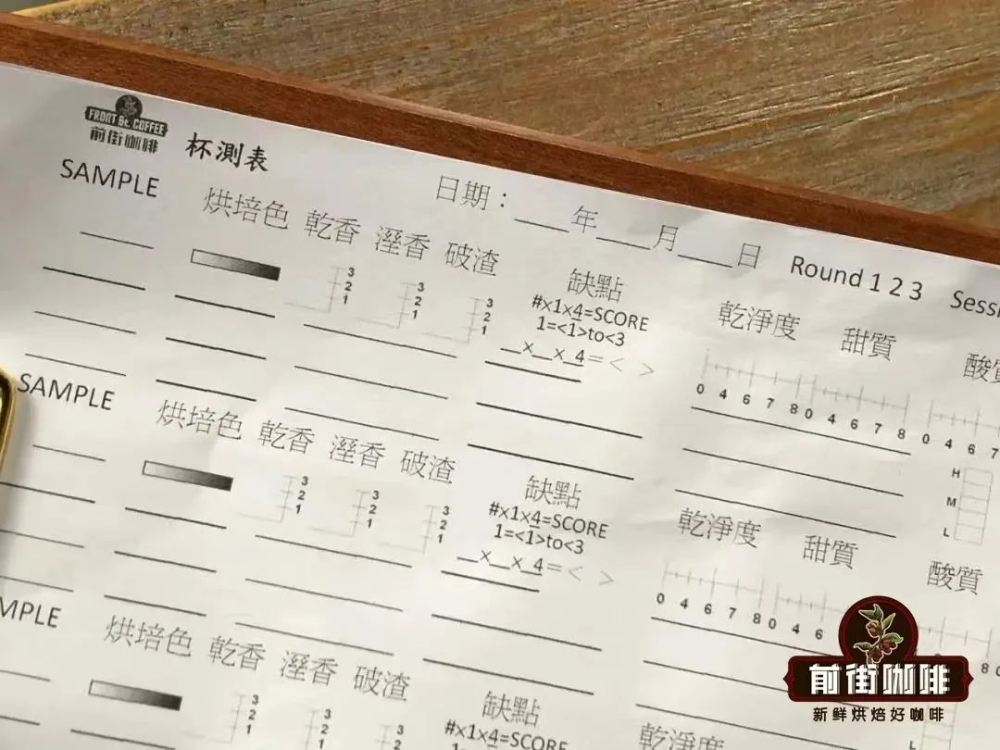
In the coffee tasting system, cleanliness is an independent evaluation item, but many friends still have a rather vague understanding of this concept. Front Street Coffee will try to explain it clearly in one sentence: so-called cleanliness means the coffee's main flavors present themselves very clearly and transparently, without off-flavors, defect flavors, or other tastes that feel jarring. The off-flavors mentioned here refer to flavors that are chaotic and unclear, which is completely different from flavor complexity. Defect flavors refer to some negative flavors, such as woody notes, grassy or greenish notes, and rotten fruit notes. Generally speaking, the higher the cleanliness, the better the coffee's quality.

Are washed coffee beans necessarily cleaner than natural processed ones?
This statement is not absolute. The earliest natural processing method was simply drying coffee cherries directly and then removing the husk. The whole process took about half a month and was full of uncertainties, such as insect and ant damage, excessive fermentation leading to rot, and insufficient sunlight causing mold. These accidents would all cause coffee beans to develop defect flavors and off-flavors, so cleanliness naturally could not be high.
To solve this problem, the Dutch were the first to adopt washed processing, which was relatively new compared with natural processing. This method removes the skin, pulp, and mucilage—the parts prone to excessive fermentation and attracting insects and ants—leaving only coffee beans with parchment, which makes drying easier. As a result, defective beans are greatly reduced, and the coffee's cleanliness improves accordingly.
According to today's green bean processing standards, natural processing can also achieve a low defect rate and high quality, and its performance in cleanliness is on par with washed processing. In addition, some friends may have a misconception about cleanliness, thinking that the brighter the acidity, the cleaner the coffee. In fact, this understanding is incorrect.
As the final link in the coffee chain, how can brewing improve coffee's cleanliness?
Coffee's cleanliness is affected by cultivation, processing, roasting, and brewing. As consumers, we cannot intervene in the upstream links, but by choosing high-quality coffee beans and paying more attention during brewing, we can help the coffee present good cleanliness.
The first suggestion is bean resting. Front Street Coffee suggests that coffee beans are better to drink after resting for about 4 days from the roast date. This is because freshly roasted coffee beans have a "dry" or harsh sensation, which is the smoky, pungent smell remaining inside the beans after high-temperature roasting and needs a period of maturation and carbon dioxide release to dissipate. Therefore, after letting them sit for a few days to rest, the coffee's mouthfeel will be cleaner and the flavors more prominent.
The second suggestion is to pour water gently. Front Street Coffee has encountered many friends whose coffee came out bitter and astringent because they stirred too forcefully while pouring. In fact, as long as the parameters are accurate, gently pouring in circles at a slow pace can also effectively extract the coffee's flavor compounds; there is no need to be overly fixated on pouring technique.
The above content is compiled by CoffeeHunters, a coffee news website.


