







When everyone is learning coffee tasting, they focus their energy on describing positive flavors. For example, when describing a cup of coffee, they can blurt out "jasmine, lemon, strawberry, caramel, chocolate," but when they taste something unpleasant, they can only say "burnt bitterness, off-flavors, green astringency."
In fact, to learn to taste coffee flavors, it is not enough to only know how to taste the positive flavors of coffee. Learning to taste the negative flavors of coffee is also very important. Front Street believes that when tasting the flavor of a coffee, we usually start from three aspects: its volatile aroma, taste, and mouthfeel.
Green astringency, in fact, is meant to express the taste of unripe fruit (you can think of star fruit or green papaya) or green grass. This taste does not make people feel disgusted, but it does make the mouth and throat feel a little uncomfortable. Of course, this also depends on the intensity of the green astringency. This taste often appears in coffee beans with a large number of white-eye beans, coffee beans roasted too light, and brewed coffee lacking the final stage of extraction.
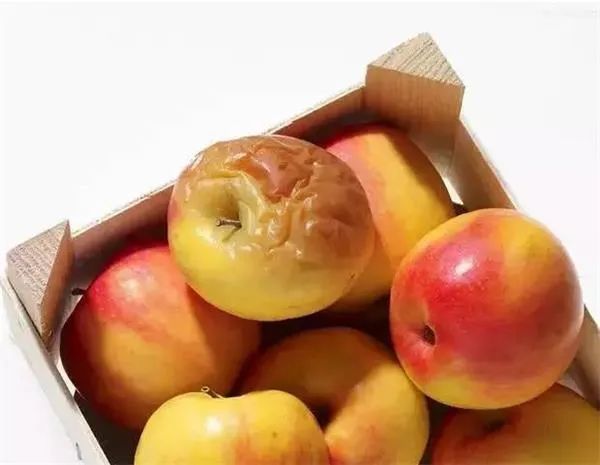
The taste of over-fermentation may be relatively unfamiliar to everyone, but if we say the taste of rotten apples, everyone should have some sense of it. Fermented flavors are not necessarily negative flavors, such as winey aroma and jackfruit flavors. But sometimes the taste of jackfruit and rotten apples is truly only a fine line apart. The taste of over-fermentation is similar to the smell of rotting fruit, fermented soybeans, or soybean paste soup. This taste usually appears in coffee beans with heavy fermentation processing.
Off-flavors cover a very wide range of tastes. Anyway, as long as you taste even a little unpleasant bitterness in coffee, it can be lumped under off-flavors. But each time you mention off-flavors, you may not be referring to the same kind of off-flavor, so you must clearly distinguish which taste you mean by off-flavors. For example:
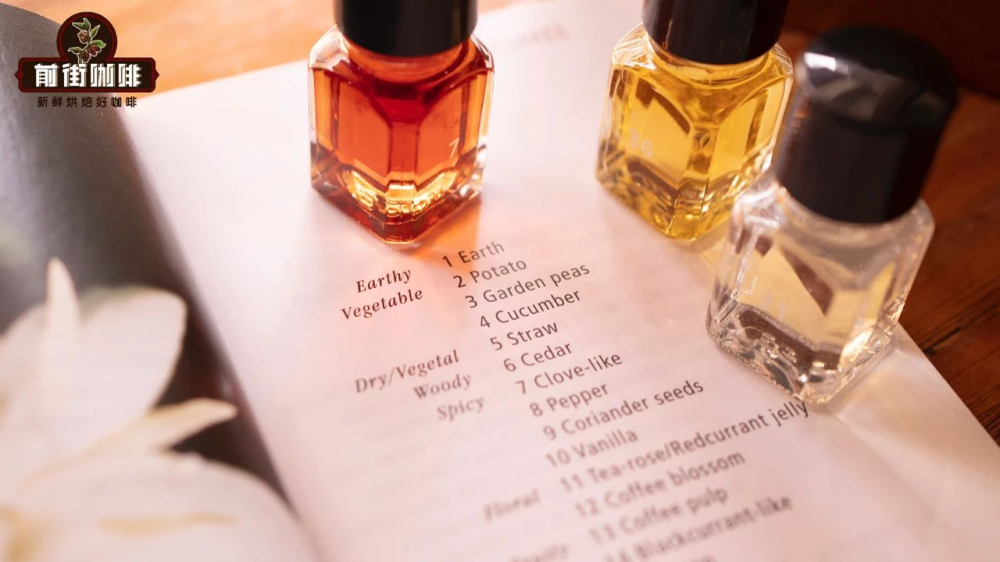
Earthy smell does not mean asking you to taste the flavor of soil. It refers to the smell given off by soil after rain.
Woody taste is the smell given off by compressed wooden boards or wood shavings. Generally, this taste is caused by over-extraction. Here it should be distinguished from the aroma of cypress and pine. Some Southeast Asian coffee beans carry the aroma of pine and cypress wood (resin), and this belongs to positive flavors. The difference between the two is like the difference between plywood and agarwood.

Smoky taste. This feeling is like the pungent smoke given off by burning wood. It is generally caused by improper roasting.
Rubbery taste refers to the smell given off by sulfides, specifically like the pungent odor from tires. This taste easily appears in Robusta coffee beans.
Medicinal taste actually refers to the bitterness of plant alkaloids, and the concrete image is white pills. In coffee, many people mistake this taste for burnt bitterness.
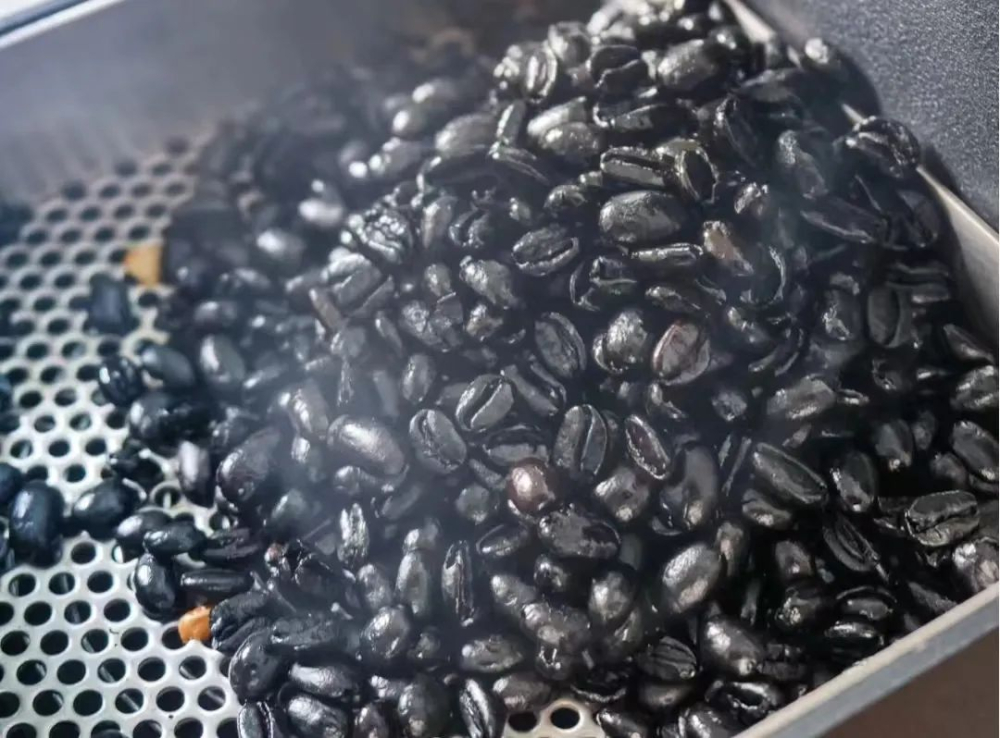
Charcoal taste is the burnt bitterness shown after food is scorched and carbonized. It usually appears in dark-roasted coffee or over-extracted coffee.
Musty taste. This taste is like the smell given off by clothes during the plum rain season. This taste generally rarely appears in coffee. The reasons it appears in coffee may be the presence of moldy beans or black beans among the coffee beans, or roasted beans being stored for more than half a year.
The above content is compiled by CoffeeHunters, a coffee news website.


