







Which coffee stages decide grind size in pour-over brewing?
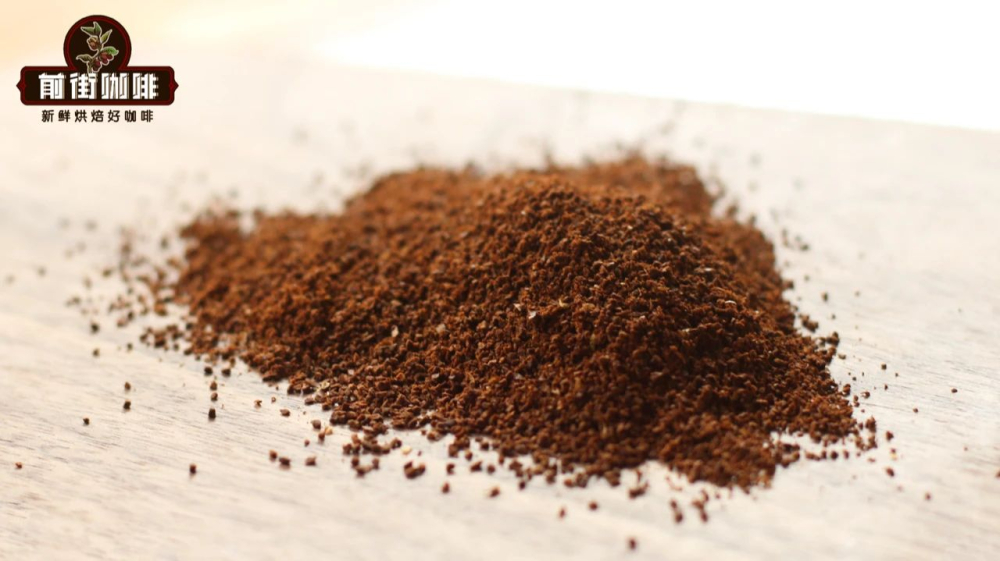
Grind particles are never uniform, so pour-over grind size is judged by distribution, not by eye. Particles above 0.85 mm are coarse powder and those below 0.25 mm are ultra-fine; if the two together exceed 40% of the total, the grind is not suitable for pour-over, and light roasts brew well when roughly 70% of particles sit between 0.6 and 0.85 mm.
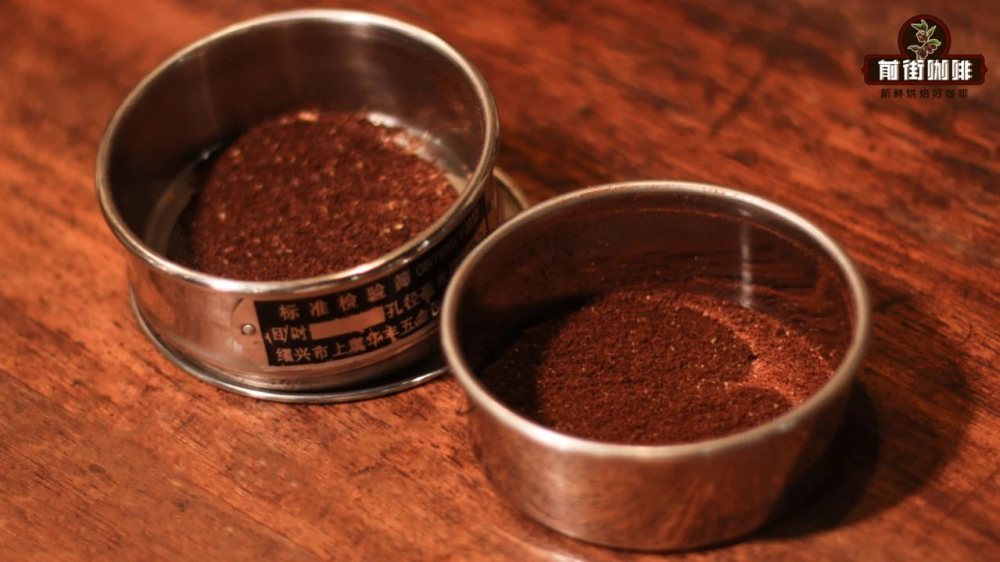
Checking against 0.85 mm and 0.25 mm sieves during the coffee stages of dialing in keeps the pass rate near 75-80% for light roast. Extraction time is another cue: 15 g of coffee should finish in about 1 minute 50 seconds to 2 minutes 20 seconds, and overlong times point to too fine a grind, while sour coffee beans often signal under-extraction.
When brewing pour-over coffee at home, do you find that although the steps seem fine, the taste is always off? Front Street Coffee, drawing on feedback from enthusiasts, has sorted out common flavor issues related to grind size selection and brewing. This article will guide you through using 0.85mm and 0.25mm sieves to assess grind distribution, ideal pass rates and extraction time references for light roast pour-over, and the six major causes of bitterness, off-flavors, and sourness, along with corresponding adjustment methods, to help you find the grind coarseness and brewing parameters that suit you.
Many coffee enthusiasts, when brewing at home, often feel that there’s nothing wrong with their operation, but the taste is just not right, and they can’t find the reason. Front Street Coffee has compiled several common brewing issues from feedback, and we’ll discuss them one by one below.
Selection of Coffee Grind Size
This question is actually hard to explain in one sentence, because after coffee beans are ground, there will inevitably be both coarser and finer particles, and it’s difficult to distinguish them with the naked eye. After grinding coffee powder, Front Street uses sieves with pore sizes of 0.85mm and 0.25mm for screening.
Coffee powder that looks evenly ground actually has a difference of at least 0.6mm between the largest and smallest particles. Typically, we call particles larger than 0.85mm coarse powder, and those smaller than 0.25mm ultra-fine powder. If these two types together exceed 40% of the total powder, it’s not really suitable for pour-over. The ideal grind state for light roast beans in pour-over should be about 70% of particles concentrated between 0.6-0.85mm, and the smaller the difference between the largest and smallest particles, the better.
Having said all this, some people might still not be clear about what grind size they are using. If you want to truly understand coffee grind size, Front Street suggests getting a national standard No. 20 standard sieve (0.85mm) for calibration.
For light roast coffee, it’s generally recommended to keep the pass rate at 75-80%. You can also roughly judge if the grind is suitable based on the flow rate: when brewing 15g of coffee powder normally, the extraction time should be about 1 minute 50 seconds to 2 minutes 20 seconds. If the time is noticeably longer, the grind might be too fine; if the water flows too fast and the time is too short, it might be too coarse.
Causes of Bitterness and Off-Flavors in Brewing
1. Too many fine particles causing over-extraction. In this case, it’s recommended to sift out the fines (particles smaller than 250mm).
2. Uneven pouring, with a non-vertical water column or too large an arc, can cause localized over-extraction and under-extraction, easily leading to off-flavors and sourness. It’s recommended to practice pouring more to solidify basic skills.
3. Too long a blooming time. Prolonged blooming makes it easier to extract bitter and off-flavors in the later stages. Generally, it’s recommended to bloom for 30 seconds (starting timing when water contacts the coffee powder).
4. Incomplete blooming, with some coffee powder still dry, leads to uneven extraction in subsequent pouring, resulting in unpleasant flavors.
5. Excessive stirring force is also one of the causes of off-flavors.
6. Too high a water temperature brings over-extracted bitter and off-flavors, while too low causes under-extracted sourness. Generally, for light roast, use 90-93°C, and for medium-dark roast, use 86-89°C.
The above content is compiled by CoffeeHunters, a coffee news website.


