







Search Results for: Acidity

Coffee Flavor | What does "bright" mean in the context of bright coffee acidity? Which coffee beans produce pour-over coffee with bright acidity?
When evaluating a cup of coffee, we use various adjectives to describe its texture, so that the information others receive can be more vivid and three-dimensional. For example, when describing the mouthfeel of coffee, words like smooth and full-bodied are used to express the tactile experience of the coffee in the mouth; or when describing the aroma of a cup of coffee, [more…]
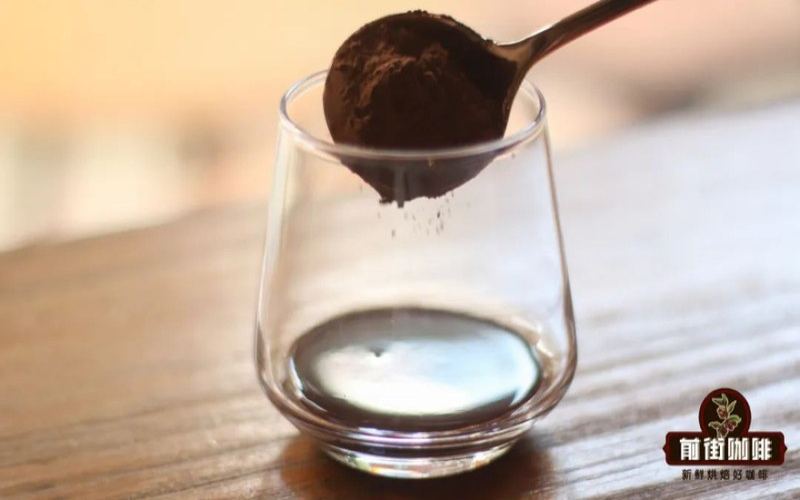
The acidity in SOE Americano is hidden in the roasting curve.
SOE americano is not a fixed flavor—whether it tastes "sour" depends first on how dark the coffee beans are roasted. Light roasts preserve more of the origin's natural fruit acidity and floral notes, medium roasts pull sweetness, body, and acidity into a more balanced position, and dark roasts move toward cacao, nuts, and caramel. If you want something smooth and easy to drink, start with the roast level. [more…]
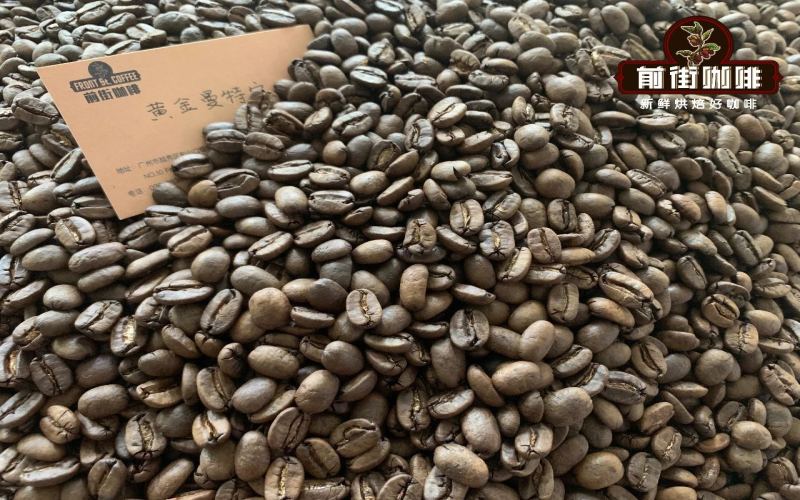
How to Choose Pour-Over Coffee If You Don't Like Acidity? Recommendations for Full-Bodied Beans
Not all coffee lovers enjoy acidity. Some people, after drinking specialty coffee for years, ultimately return to a cup of mellow, warm, non-irritating pour-over coffee. Beans of this style usually feature notes of nuts, cocoa, caramel, dark chocolate, herbs, and even a faint earthy aroma, going down smoothly with a long, sweet finish—especially suit [more…]
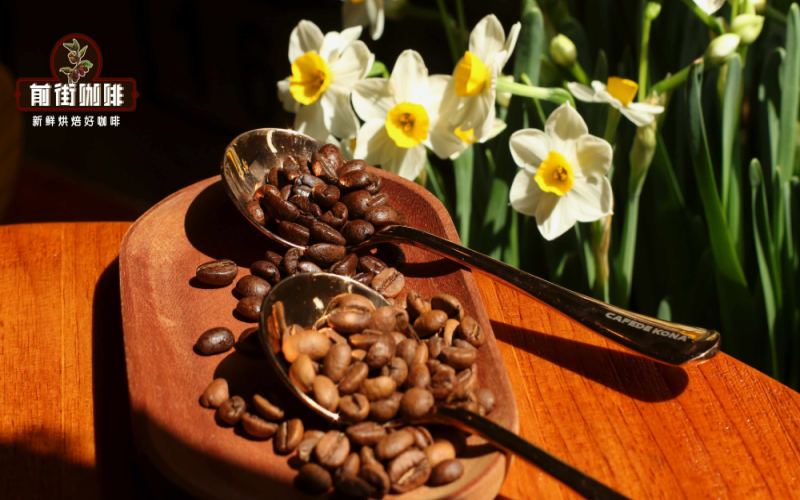
Where Does the Sourness in Coffee Come From? A Guide to Light and Medium Roasts and Five Recommendations for Single-Origin Beans with Floral and Fruity Notes
Many people feel puzzled the first time they taste coffee with acidity: is coffee being sour actually a good thing? In fact, acidity is an extremely important flavor dimension in specialty coffee. Especially in medium-light roasted beans, floral and fruity aromas often come hand in hand with bright acidity. Because dark-roasted beans undergo sufficient caramelization, bitterness dominates and the floral and fruity notes are masked instead. Light roast is dropped between the middle of first crack and the end of first crack, retaining more organic acids, with prominent acidity and rich aroma layers; medium roast, by contrast, has higher sweetness and more restrained acidity. Starting from roast level, this article will explain the causes of acidity and then introduce five representative single-origin coffees with floral and fruity aromas one by one—Front Street Coffee Gutingding, Front Street Coffee Kenya Little Tomato, Front Street Coffee Geisha Blend Strawberry Candy, Front Street Coffee Colombia Big Belly Button, and Front Street Coffee Butterfly—to help enthusiasts choose beans precisely based on flavor descriptions. [more…]

Fruity-acid flavored coffee beans recommendation | What are the pour-over black coffee flavor characteristics of medium-light roasted coffee? Where does the acidity in coffee come from?
On ordinary days, behind the bar, you get to meet all kinds of customers. Quite a few of them are not used to coffee beans that are on the acidic side. Usually, the coffees with pronounced acidity are those that are roasted lighter, and indeed some lightly roasted coffees have an acidity that is hard to accept. So customers naturally form the impression that cof [more…]
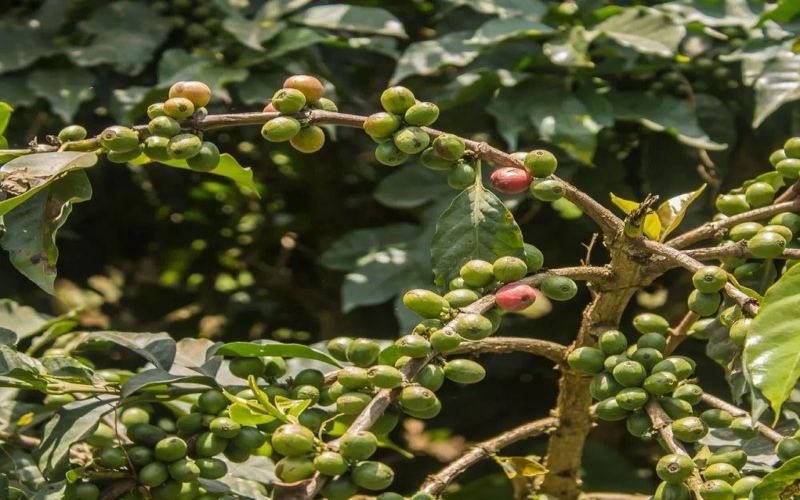
How to Choose Between Sweet and Sour Balance: Looking at Coffee Beans from Light Roast to Dark Roast
A coffee bean with balanced acidity and sweetness is not simply a matter of adding sourness and sweetness together; rather, it has a bright sensation on entry, followed by a soft sweetness, with a finish that is neither sharp nor astringent, and is not overpowered by bitterness. The roast level changes how this balance is expressed: light roasts lean toward aroma and fruity acidity, medium roasts toward rounded sweetness, while dark roasts use caramel and cocoa [more…]
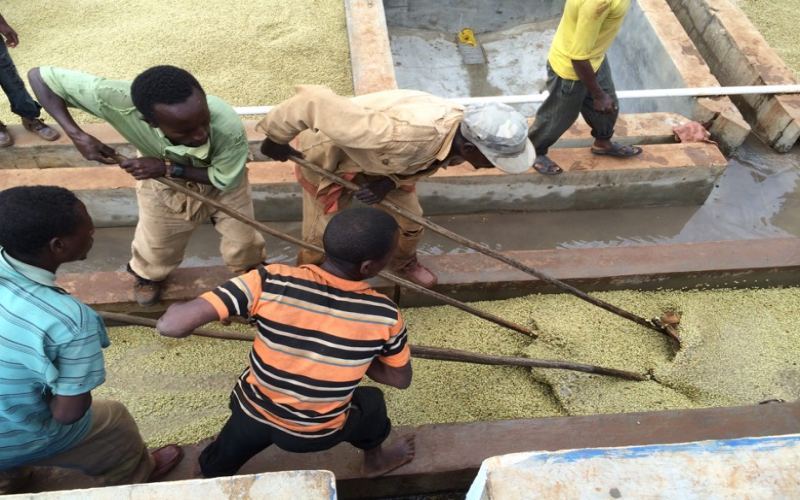
Kenya Double Washed Explained: The Bright Acidity in the Fermentation Tank
If you had to trace the "Kenyan taste" back to its processing origins, the answer would most likely point to double washing. This method, known locally as K72, polishes the fruit acidity of Kenyan coffee until it is bright, solid, and yet still clean. Once you understand double washing, you understand where the signature juicy quality of Kenyan beans comes from. Double Washing [more…]
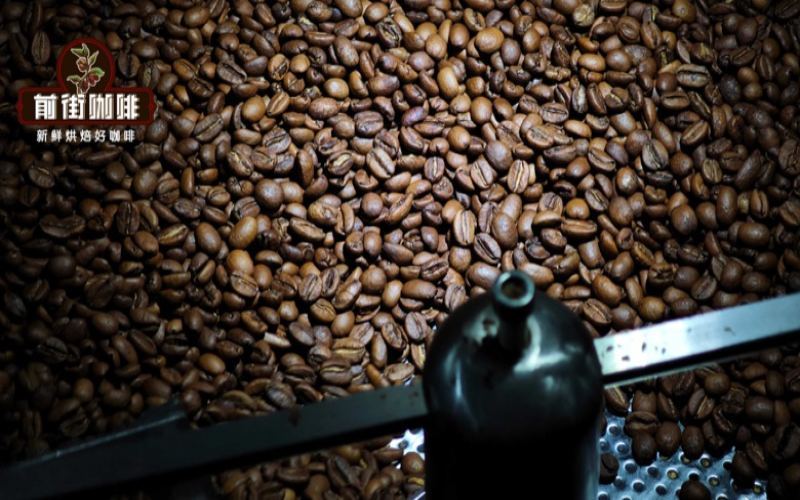
Sweet aftertaste coffee beans: a flavor path with low acidity and lingering sweetness
Beans with understated acidity and a prominent sweet finish place their flavor emphasis on sweetness and aftertaste: natural (dry) processing and medium-dark roasting round off the acidity, leaving a lingering sweetness. Front Street Coffee's Ethiopian Huakui has a sweet finish with a passion fruit aftertaste; the acidity on the palate flashes by, and sweetness takes over the second half. In Kafa Forest, the sweetness actually becomes more pronounced as the temperature drops. [more…]

Mildly Acidic Yirgacheffe Recommendations: Balancing Budget and Drinking Frequency
A Yirgacheffe with soft acidity is suitable for gradually building judgment from taste experience. When buying beans for daily use, you need to consider how quickly you drink them, how much to buy at once, and whether you mainly make black coffee or milk coffee at home. The flavor words on the packaging can provide clues, but they cannot replace the actual drinking experience—whether the acidity is soft, whether the sweetness persists, and the mouthfeel [more…]
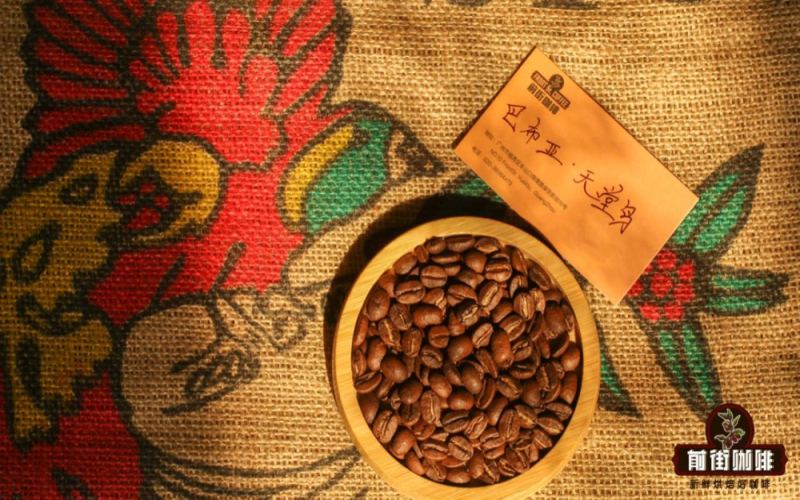
Introduction to Coffee Acidity | Is Dark Roast Less Acidic Than Light Roast Coffee Beans? Which Single-Origin Pour-Over Coffee Beans Are Recommended for Being Tasty and Not Sour?
The acidity in coffee beans does not refer to pH value, but is one of the basic taste characteristics that, together with body, aroma, sweetness, bitterness, and aftertaste, make up the overall flavor. Acidity is generally related to the roast level of the coffee beans and is also somewhat connected to the flavor of their growing region. Many people do not accept coffee that is too acidic because they find the taste too harsh. So [more…]

Light Roast Pour-Over Single-Origin Bean Recommendations | Why Is Light Roast Coffee Sour? Which Light Roast Beans Have Sweet, Fruity, and Floral Flavors in Pour-Over Coffee?
On ordinary days, I get to meet all kinds of customers behind the bar, and quite a few of them are not used to coffee beans that lean sour. Usually, the coffees with strong acidity are those that are roasted lighter, and indeed some lightly roasted coffees have a sourness that is hard to accept. So customers naturally form the impression that cof [more…]
How to Choose Coffee That Isn't Sour? Understand the Principles to Pick Beans Without Pitfalls
Many friends who dislike acidic coffee have had this experience: they order based on online recommendations, only to brew a cup with a fruity sour taste, and it completely ruins their mood. What exactly determines whether coffee is sour or bitter? How can you choose to avoid sourness? This article explains it all at once. The sourness and bitterness of coffee mainly depend on these factors: roast level. [more…]

Balanced Sweet and Sour Coffee Beans: How to Choose Roast Level
A balance of acidity and sweetness isn't exclusive to any single type of coffee bean, nor is it simply a matter of adding sourness and sweetness together. The roast level determines where the flavor emphasis lies: when beans are roasted light, fruity notes and a crisp, refreshing quality stand out more; at a medium roast, acidity, sweetness, and body blend together more easily; and as you go darker, caramel, cocoa, and nutty aromas gradually take over. [more…]
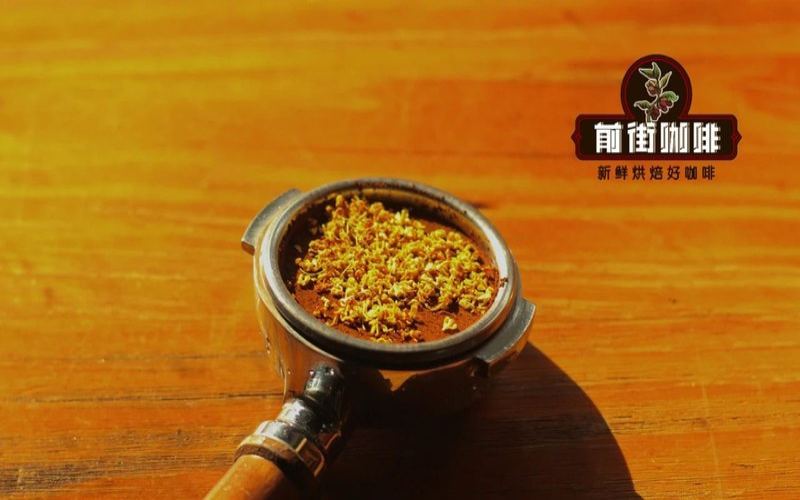
Is SOE Americano sour? Pick beans that suit your taste by roast level
Whether an SOE americano is acidic or not cannot be judged simply by the word "single origin" on the menu. SOE refers to espresso made from single-origin or single-batch coffee beans, and its flavor amplifies the regional characteristics of the beans. When the roast is on the lighter side, citrus, berry, and floral notes are more likely to come through in the cup; as the roast gets darker, the acidity recedes, and caramel, [more…]
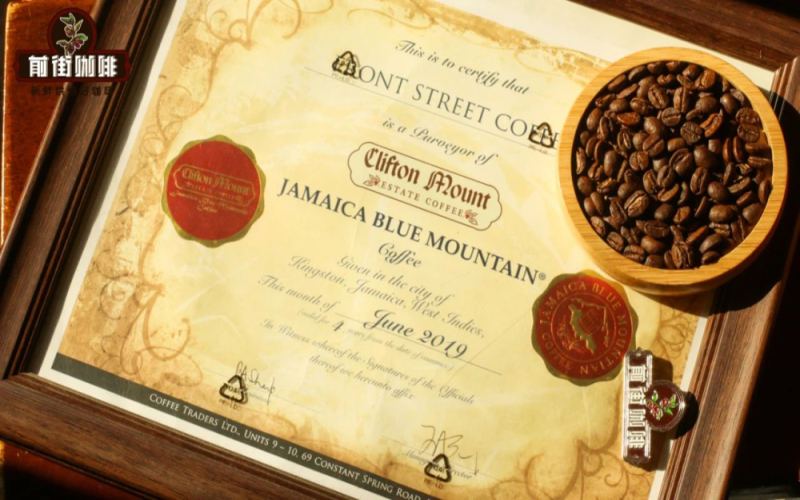
Acid-sensitive coffee lovers, gather up! A few non-acidic coffee beans you can buy with your eyes closed.
Is there anyone like me whose biggest fear when drinking coffee is "sourness"? You just want a rich, fragrant cup to perk yourself up, but one sip of that fruity acidity sends you running. Don't worry—there are actually plenty of good beans that aren't sour. As long as you pick the right direction, you can drink a mellow, smooth cup every day. To choose beans when you're afraid of sourness, just remember two key words. [more…]

A few recommended pour-over coffee beans with gentle acidity: balancing budget and drinking frequency
When it comes to hand-brewed coffee beans with a soft acidity, first consider how you'll be drinking them every day. For everyday bean purchases, you need to think about how quickly you'll go through them, how much to buy at once, and whether your household mainly drinks black coffee or milk coffee. If you mainly drink black coffee, you can pay more attention to aroma and aftertaste; if you often add milk, you need to consider whether the intensity and body can hold up. [more…]
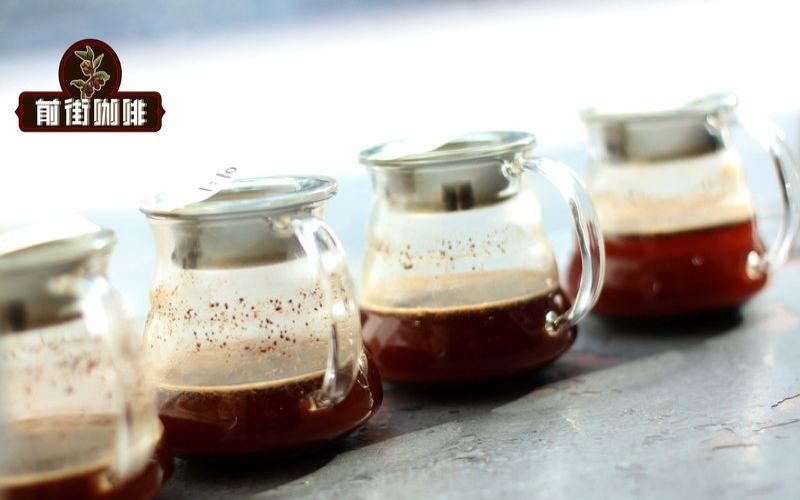
How to Choose a Non-Acidic Yirgacheffe: Judging Flavor by Roast Level
If you want a cup of Yirgacheffe with a soft, gentle acidity, the roast level is usually more worth checking first than the region name. Yirgacheffe often has citrus, floral, and tea-like notes; when lightly roasted, its acidity is brighter, and it also tastes refreshing as it cools. If you prefer a rounder coffee with pronounced sweetness, you can narrow your choices to medium or medium-dark roasts, and then based on your [more…]
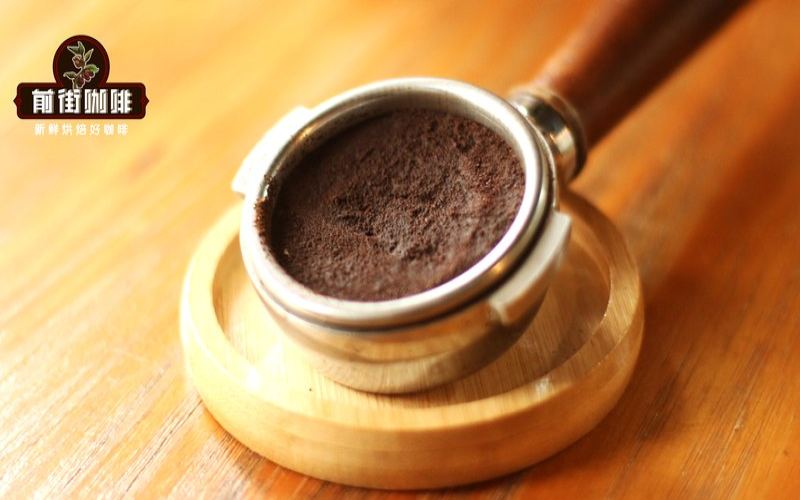
Recommendations for Single-Origin Pour-Over Coffee Beans with Mild Acidity and Bitterness: Balancing Budget and Drinking Frequency
To talk about single-origin pour-over coffee beans with a mild balance of acidity and bitterness, we have to start with the actual taste in the cup. When buying beans for everyday use, you need to consider how quickly you'll drink them, how much to buy at a time, and whether your home mainly makes black coffee or milk coffee. The roast level of the beans determines the basic flavor, the origin and processing method bring differences in aroma, and the equipment you use will change the strength—so when choosing beans, [more…]
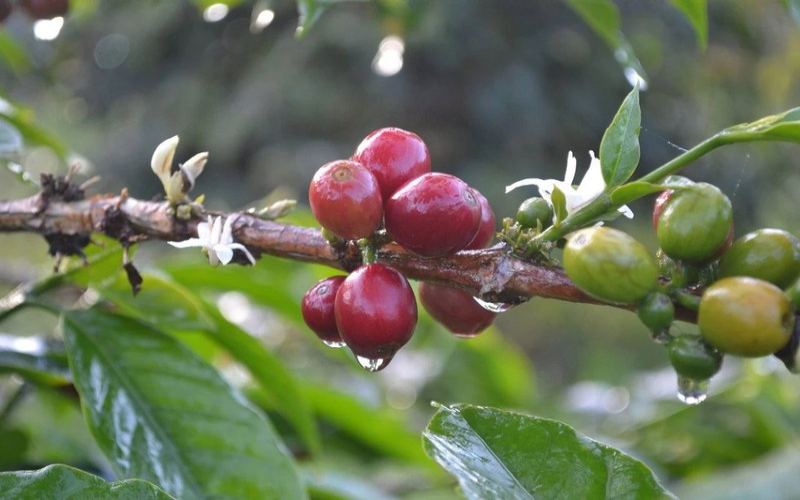
Recommending a few coffee beans with low acidity and a sweet aftertaste: balancing budget and drinking frequency
Understanding coffee beans with low perceived acidity and a sweet finish means translating flavor descriptions into what you can actually taste in the cup. For everyday bean buying, you need to consider how quickly you'll drink through them, how much to buy at a time, and whether your household mainly drinks black coffee or milk-based coffee. Floral, fruity acidity, nutty, and cocoa notes aren't a hierarchy of better or worse—they're simply different directions, and the one that suits you is the one that [more…]

Not Sour, Not Bitter: What Roast Level Determines in Pour-Over Beans
If you want your pour-over coffee to taste mellow, roast level is a very practical entry point to observe. It affects the brightness of acidity, the way bitterness appears, the thickness of sweetness, and the direction of aroma. The so-called "neither sour nor bitter" does not mean weakening all the flavors, but rather finding the position that suits you best among refreshing, sweet, and full-bodied. [more…]