







Search Results for: Not Full Cup

Why do iced coffees vary in cup volume when ordered without ice? Looking at the logic of topping up after removing ice in Americanos, Lattes, and Cappuccinos
When ordering an iced espresso drink without ice at a coffee shop, some people receive a full cup, while others get only a seven-tenths-full cup, or even half a cup. This difference in volume is not accidental, but is closely related to the store's business philosophy, recipe ratios, ice quality, and the concentration of the coffee beans and milk. Starting from the production practices at Front Street Coffee, this article analyzes why iced coffee drinks such as Americanos, lattes, and cappuccinos end up with different cup volumes after the ice is removed, and how adding water or milk after removing the ice affects the coffee's concentration, taste, and mouthfeel, helping coffee enthusiasts understand the logic of trade-offs behind a cup of ice-free coffee. [more…]
How to Make Americano Taste Really Good? A Full Breakdown of Hot and Iced Methods, Ratios, and Key Details
Recreating that smooth cup of Americano from your favorite coffee shop at home is actually not complicated. This article covers both hot and iced Americano methods, providing two sets of step-by-step instructions—one using espresso and one using instant coffee—and explains espresso extraction volume, water quantity, ice amount, and how to pair sugar and creamer. Whether you prefer the rich depth of a hot Americano or the refreshing crispness of an iced one, you'll find directly actionable ratio ideas here. The article also discusses the differences between choosing blended coffee beans and single-origin coffee beans, and retains product recommendations related to Front Street Coffee, helping coffee enthusiasts balance flavor and convenience in their daily brewing. [more…]
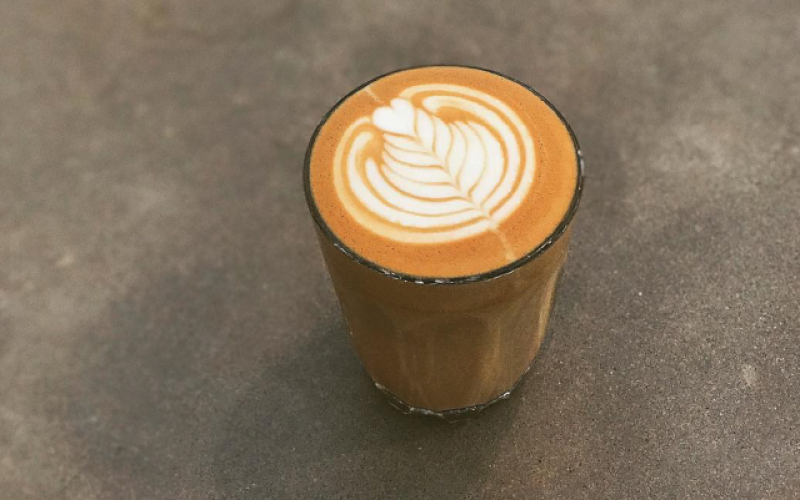
What is Australian Piccolo Latte Coffee? A Full Analysis from Its Origins to Front Street Coffee's Production Method
Beyond the latte, cappuccino, flat white, and dirty, there is another coffee with a very small cup size yet concentrated flavor—the Piccolo Latte. It originated in Australia, deeply influenced by Italian coffee culture, with a cup size about half that of a regular latte, drinkable in two or three sips. The original intention of the Piccolo was for roasters and baristas to reduce the milk ratio when dialing in coffee to avoid waste, and it later became an ideal choice for people who do not want to consume too much caffeine or feel too full. This article will start with the definition, origin, and recipe controversies of the Piccolo, and then introduce in detail how Front Street Coffee uses its own roasted "Sunflower Warm Sun Blend Coffee Beans," a single Ristretto, and a small amount of steamed milk to create an Australian-style Piccolo with full aroma and a long finish, giving you a complete understanding of this niche yet charming coffee. [more…]
What Exactly Is Coffee Body? A Full Analysis of the Key Factors Affecting Fullness and Brewing Techniques
When drinking coffee, we often hear the term "Body" — what exactly does it mean? Simply put, Body is the tactile sensation and weight that coffee brings to the mouth, also known as mouthfeel or thickness. A good cup of coffee needs not only rich flavors but also a noteworthy mouthfeel. The quality of Body mainly depends on the content of oils and fiber in the coffee, and whether these substances can be fully extracted is closely related to the choice of filter, brewing time, and the roast level of the coffee beans. Front Street Coffee will take you through an in-depth understanding of the essence of Body and share how to achieve the ideal rich mouthfeel by adjusting brewing parameters. Whether you prefer a thick, full-bodied cup or a light, smooth one, this article offers practical reference for you. [more…]

Cappuccino Milk Foam Thickness Standards and Texturing Analysis: From Classic Recipe to Modern Evolution
As a representative of Italian milk coffee, the thickness and degree of frothing of cappuccino's milk foam have always been a core concern for coffee enthusiasts. Starting from the classic 1:1:1 recipe, this article traces the evolution of cappuccino across different historical periods, analyzes the reasons behind the change in milk foam thickness from 2.5cm to 1-2cm, and explores the influence of latte art culture on the form of takeaway cappuccino. At the same time, drawing on the practical experience of Front Street Coffee, it explains how a small cup size, filling to 11 parts, a rich coffee flavor, and dense milk foam together constitute the essential characteristics of cappuccino, helping readers understand the positioning and identification methods of this classic beverage in the modern coffee environment. [more…]
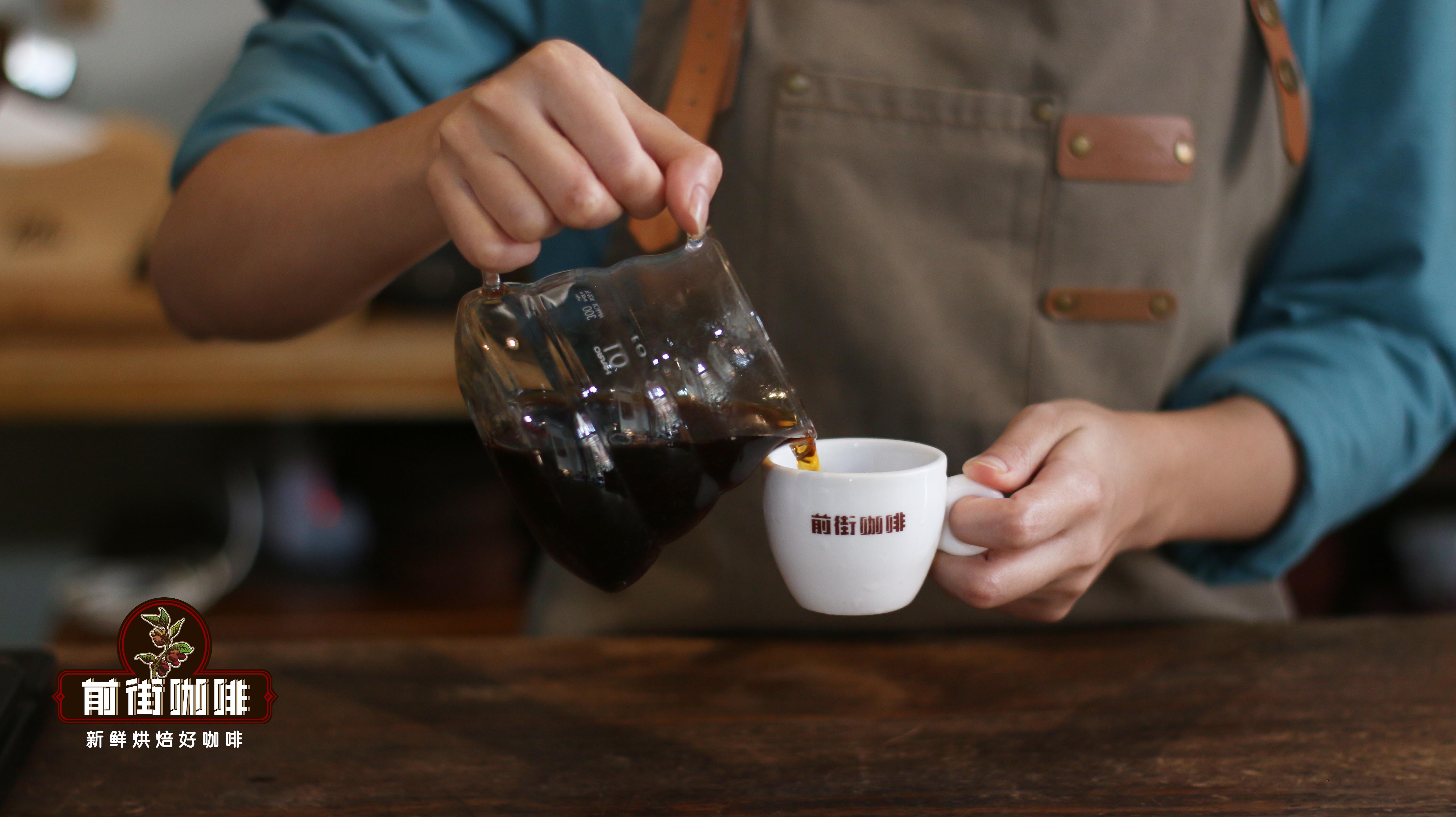
How much is a cup of Golden Mandheling? A full breakdown of Front Street PWN freshly ground pour-over flavor and brewing
Indonesian Mandheling has won the favor of many pour-over enthusiasts with its thick, full-bodied mouthfeel, but richness does not equal bitterness—when extraction is just right, a sugarcane-like sweetness emerges on the palate. The Front Street Golden Mandheling on CoffeeHunters' bean list is exactly such a representative example, priced at 30 yuan per cup, with rich layers that have given many people new to single-origin coffee a fresh understanding of the word "rich." This article focuses on Front Street PWN Golden Mandheling, sorting through the origins and flavor expression of this bean one by one, from the producing region's background, PWN Company's screening standards, variety and wet-hulling process, to the roasting curve and Kono dripper brewing parameters. [more…]

Where does coffee body come from? Master the coffee-to-water ratio, brewing time, and dripper choice to brew a rich, full-bodied cup.
When tasting coffee, we often describe a good cup as "rich" or "sweet," but what exactly is richness? What is mellowness? And where does the difference between the two lie? In fact, this is closely related to the coffee's "body." Body refers to the sense of weight that the coffee liquid presents in the mouth—is it light as water, or thick as milk? This article will systematically explain how to brew a rich, full-bodied cup of coffee from five aspects: choice of roast level, coffee-to-water ratio, brewing time, dripper selection, and pouring technique, and will recommend a number of dark-roast coffee beans suited to those pursuing a heavy, substantial flavor. [more…]
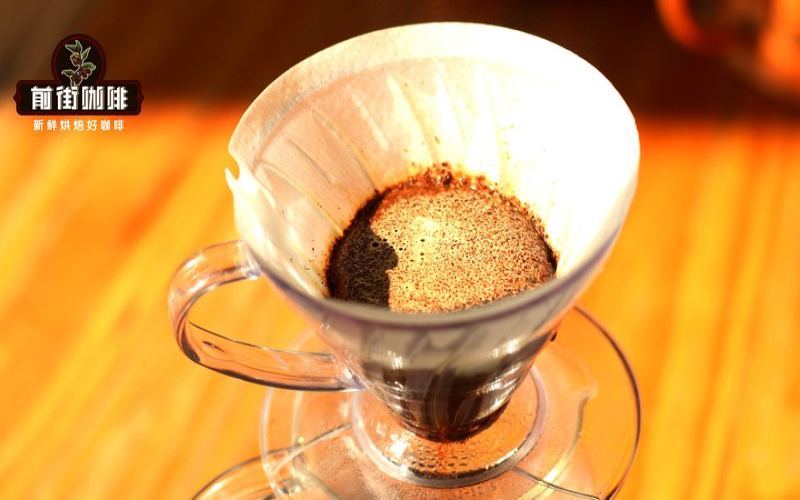
How to Choose Full-Bodied Coffee Beans: Matching Flavor and Brewing Method by Roast Level
If you want to drink a full-bodied coffee, first look at the roast level, then consider how you plan to brew it. Light-roasted beans usually retain more of the bright aromatics, with a lighter mouthfeel; medium-roasted beans bring sweetness, aroma, and body together; medium-dark and dark roasts are more likely to show cocoa, nut, caramel, and roasty notes, and the weight on the palate also increases. Light roast and [more…]
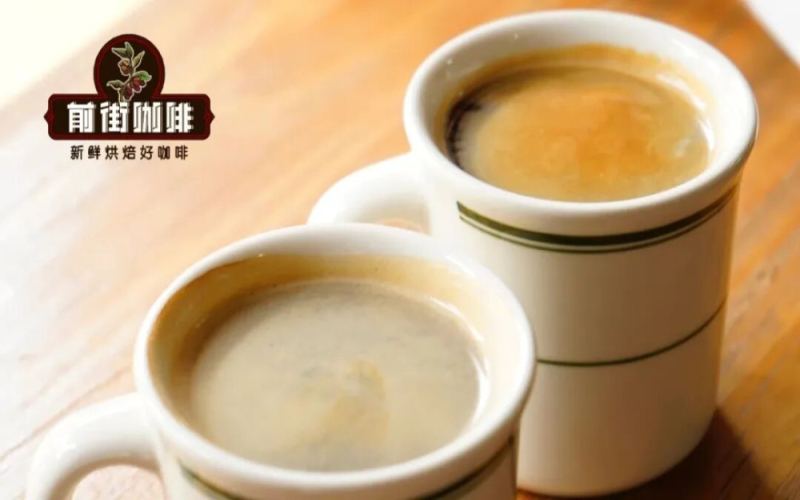
A Comprehensive Analysis of Four Ice Levels for Iced Americano: Ratios and Flavor Differences for Regular Ice, Less Ice, No Ice, and Extra Ice
Walk into any chain coffee shop, and just the Americano alone can give you a case of choice paralysis—regular ice, less ice, no ice, and even the secret-menu full ice. These seem like nothing more than differences in the amount of ice, but in reality they fundamentally change a cup of coffee's strength, aroma direction, and mouthfeel. This article will break down, one by one, the key preparation points and taste characteristics of four ice-level Americanos, from the ratio logic and operating steps to the final flavor, and will use Front Street Coffee's commercial blend as the unified test bean to help you make the cup that suits your taste, whether at home or in a shop. [more…]
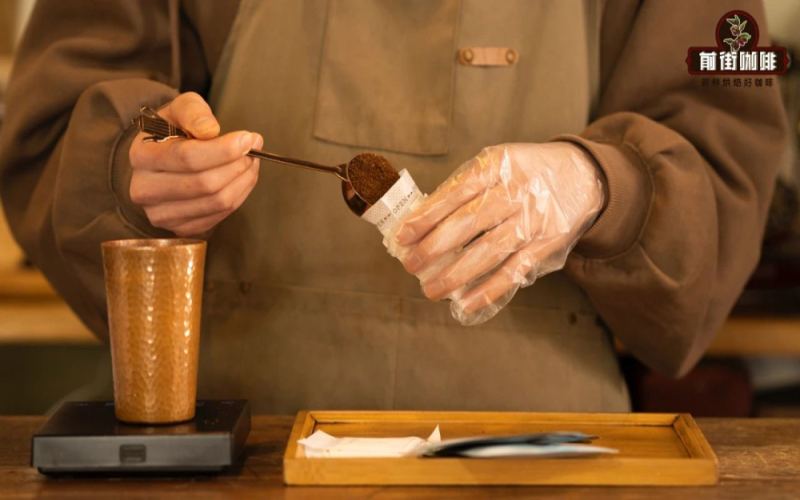
How to Brew Medium-Dark Roast Drip Coffee Bags for a More Delicious Cup? A Detailed Guide to the Flavors and Techniques of Mandheling, Brazil, and Yunnan Small-Bean Coffee
Drip bag coffee is convenient and quick, but to brew a delicious American-style black coffee, freshness, bean selection, and pouring technique are all indispensable. This article starts with the best-tasting period, helps you understand how different roast levels affect flavor, and recommends three medium-dark roast drip bags from Front Street Coffee: Indonesia Mandheling, Brazil Cerrado, and Yunnan Arabica. It then breaks down the four-stage pouring process in detail: in the first stage, pour until the filter bag is half full and let it bloom for 15 seconds; for the remaining three stages, wait until the coffee liquid has fully drained before pouring again, each time up to the 9/10 mark, with a total poured water volume of about 150ml. By following along, you can easily make a cup of rich, balanced drip bag coffee with no acidity or only slight acidity at home. [more…]

Latte Art from Beginner to Advanced: A Full Breakdown of Pouring and Design Techniques Plus Practice Tips
Latte art is what draws many people into the world of coffee, but how long does it actually take to master? In this article, Front Street Coffee shares the core principles and practical details of latte art, starting from the two main actions of integration and drawing, breaking down key elements such as height control, the timing of returning the cup, the use of force, the offset of the landing point, and the finishing technique, and offering four practical practice tips to help enthusiasts avoid detours and quickly get the hang of basic patterns like hearts, leaves, and tulips, and even take on more difficult combination patterns. [more…]
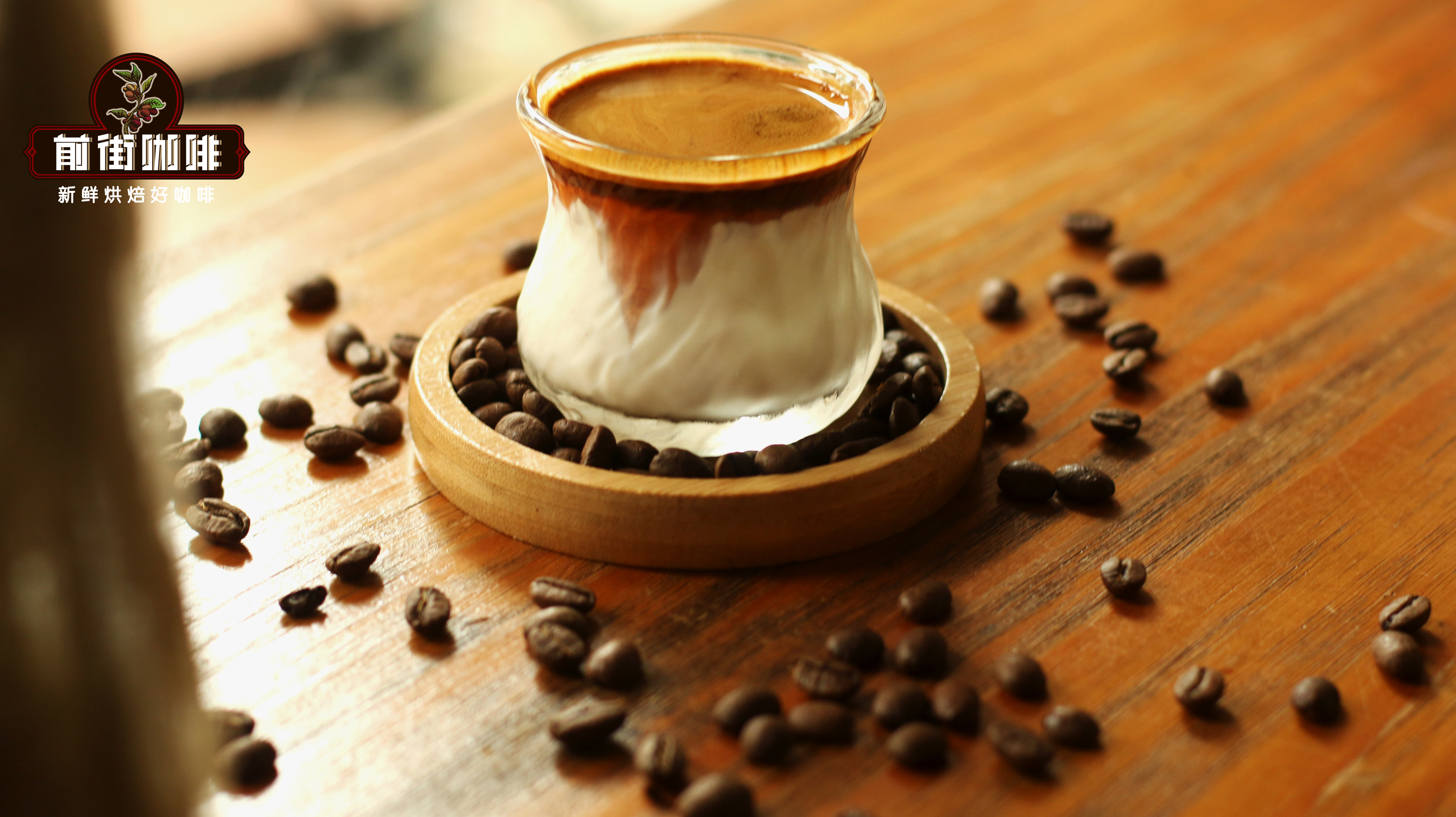
How Should You Drink a Dirty Coffee Correctly? A Full Analysis of Making Techniques and the Flavor and Mouthfeel Differences from Iced Latte
In recent years, Dirty coffee has quickly risen to fame, and many people who once loved lattes have switched camps. Unlike an iced latte, a Dirty is made by letting espresso and milk merge naturally, creating a fascinating layered gradient effect. The first sip delivers an intense coffee impact, which then turns into a smooth, sweet milky aroma—a true feast for both the eyes and the palate. Starting from the definition of a Dirty, this article will explain in detail how to make it, three key techniques, and its essential differences from an iced latte in terms of cup volume, mouthfeel, and flavor. At the same time, Front Street Coffee will also share how to choose suitable espresso beans and milk to help you make a perfectly layered, full-bodied Dirty at home. [more…]

Common Latte Art Mistakes: Causes and Fixes for Long Tail Lines, Cup Volume Control, and Pattern Offset
Once latte art practice reaches a certain stage, the pattern itself can take shape, but mistakes in the details often cause more frustration. This article compiles three high-frequency problems: dragging out an overly long line when finishing, the cup not being full or overflowing after pouring latte art, and the pattern being asymmetrical left and right. For each situation, Front Street provides specific cause analysis and correction methods, including flow rate and pitcher spout control when finishing, reference milk fusion amounts for different patterns, and using others' observation to correct the postures for holding the cup and the pitcher. It is suitable for coffee enthusiasts who are polishing latte art details to practice against, gradually improving the stability and aesthetics of their output. [more…]
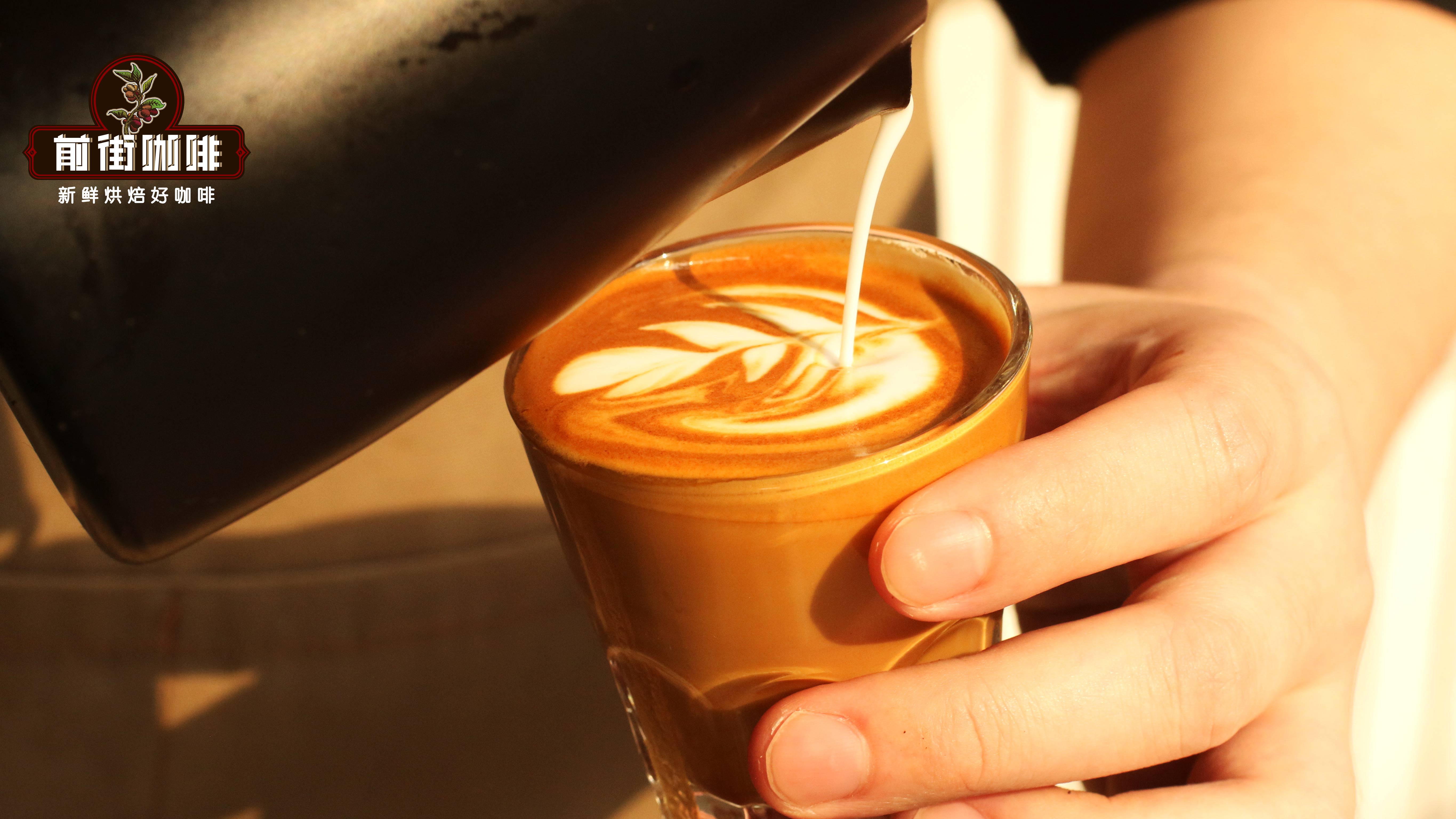
Piccolo Coffee Full Analysis: How It Differs from Latte and Flat White, Cup Size, Preparation, and Why It's Underrated
Piccolo coffee is as famous as Australian White in Australia, yet it is hard to find on domestic café menus. This mini milk coffee, known as a "small latte," has a cup size of only about 90ml, uses a single Ristretto as its base, and is mixed with lightly foamed milk, so it can be finished in a few sips. It was originally born from baristas' "avoiding waste" when dialing in beans, but today it has become a sharp tool for highlighting the flavor of coffee beans. This article compares the cup size and recipe differences between Piccolo, Australian White, and Latte, explains Front Street Coffee's preparation parameters in detail—including extracting 28g of liquid from 20g of grounds, a 1:5 coffee-to-milk ratio, and a 0.3cm milk foam thickness—and analyzes why Piccolo is niche in China. [more…]
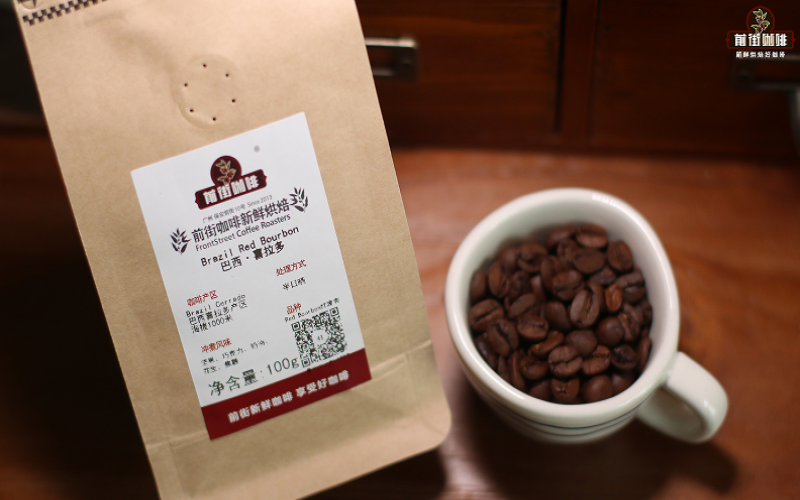
Brazilian Arabica Coffee Flavor Analysis: A Guide to Brewing and Drinking the Nutty, Chocolatey, Full-Bodied, Low-Acid Cup
As the world's largest coffee producer, Brazil is known for its Arabica beans, which are celebrated for nutty, cocoa, and chocolate flavors along with a low-acid, full-bodied mouthfeel. From the perspective of Front Street Coffee, this article reviews the cultivation history of Brazilian coffee, the main producing regions (Minas Gerais and São Paulo), the classic pulped natural processing method, and the flavor characteristics of representative beans such as the Yellow Bourbon from Fazenda Rainha. It also shares pour-over parameters and a three-pour technique tailored to medium-dark roasted Brazilian beans, helping enthusiasts recreate a café-level full-bodied sweetness and clean balance at home. [more…]
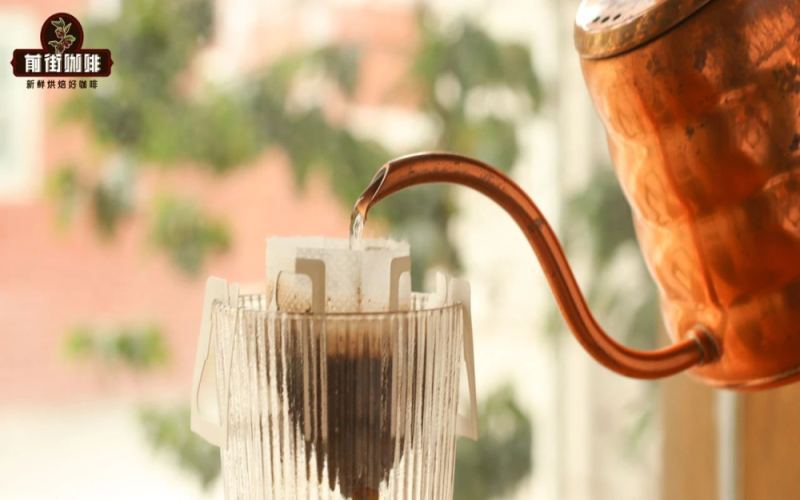
A Guide to Buying Low-Acid, Full-Bodied Drip Bag Coffee: Three Key Points on Roast Level, Origin, and Flavor, Plus Brewing Tips in Detail
Love coffee but not the sourness? This guide is made especially for coffee lovers who pursue a rich, mellow taste without acidity. When choosing drip bag coffee that is non-acidic and full-bodied, three key points matter: the roast level should mainly be medium-dark, the origin determines the bean's character, and the flavor description is the most direct basis for consumers to judge. This article recommends several of Front Street Coffee's everyday drip bag coffees, all guaranteed to be freshly roasted within 5 days and shipped within 24 hours. In addition, brewing drip bag coffee also requires attention to technique—the amount of water, water temperature, and flow rate all affect the final flavor. For a 10-gram packet of grounds, it is recommended to pour 150 grams of water, with the water temperature best controlled at 88 to 93 degrees, and never reuse the grounds for a second brew. Master these key points, and you can easily brew a rich, mellow cup of good coffee even in the office. [more…]

Do Pour-Over Coffee Cups and Carafes Need to Be Preheated? How Temperature Affects Flavor Presentation
When brewing coffee, should you preheat the cup and pot beforehand? This question has long been debated among coffee enthusiasts. Some believe that warming the cup slows down the cooling of the coffee, while others feel that not warming the cup actually allows you to taste the coffee's full flavor sooner. This article starts from the effect of temperature on the taste buds, combines it with specific brewing data, and analyzes the different tasting experiences brought by preheating versus not preheating the coffee cup and coffee pot. The article also uses the Front Street Coffee Dividing Line Sidra bean for a practical comparison, to see how the same coffee presents its aroma and flavor under the two conditions, helping you make a more suitable choice in different scenarios. [more…]

What's the difference between a cappuccino and a latte? A full breakdown of the dry and wet versions, the golden ring method, and the milk-to-coffee ratio
What exactly is the difference between a cappuccino and a latte? Why is cappuccino, despite sharing the same name, divided into "dry" and "wet" versions? This article begins with a special order request encountered at a Front Street store, taking you back through the origins of cappuccino, clarifying the difference between it and a latte in terms of the ratio of milk to coffee, and breaking down in detail the causes and characteristics of dry and wet cappuccinos. At the same time, the article will also share Front Street Coffee's recommended espresso blend bean choices, and how to use espresso and thick milk foam to make a cup of old-school cappuccino with a golden ring, helping you fully understand the layers and charm of this classic milk coffee. [more…]
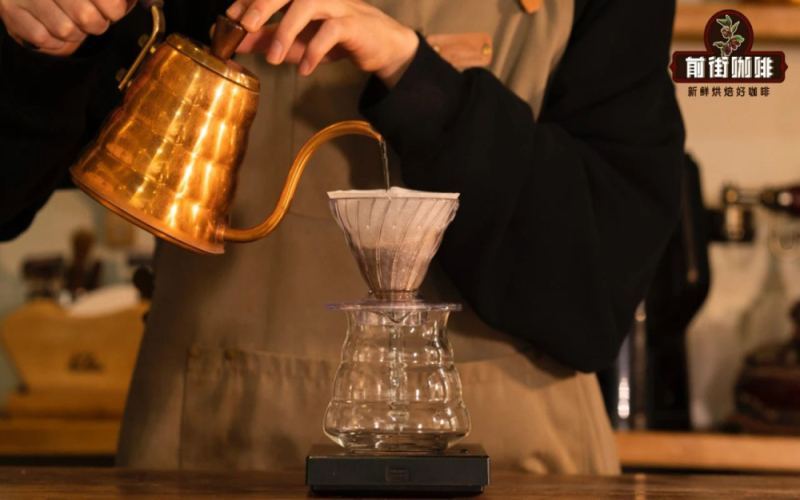
How to Make Japanese-Style Iced Pour-Over Coffee? A Full Breakdown of Its Characteristics, Steps, and Brewing Key Points
Japanese coffee culture has long been known for its artisan spirit, and local coffee lovers prefer rich, full-bodied dark roasts—Blue Mountain and Mandheling are typical examples. But on a hot summer day, a refreshing glass of iced coffee is equally indispensable. The Japanese-style iced coffee method is actually not complicated—prepare ice cubes in the cup, then extract using the regular hot pour-over method. Its biggest advantage is that it's quick to make, with no need to wait all night like cold brew, yet the result is full-flavored and bright. This article will use a recipe of 15g coffee grounds and 100g ice as an example, explaining the complete Japanese-style iced pour-over process step by step—from bean selection, grind size, and water temperature to staged pouring—and summarize key points such as the ice-to-water ratio and extraction yield adjustment, to help you brew a refreshing and delicious cup at home. [more…]
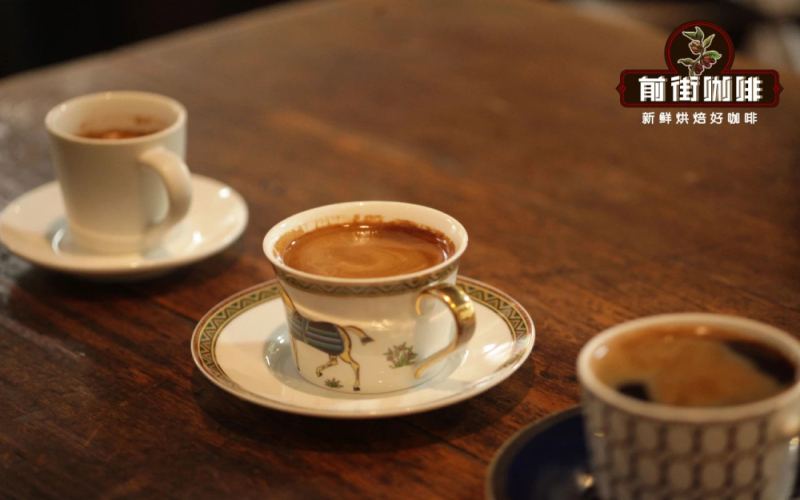
What's the difference between a flat white and a latte? A full comparison of milk foam thickness, cup-to-shot ratios, and espresso base.
In espresso coffee, the latte and the Flat White are two milk coffees that are often compared. Although both are made up of espresso and milk, there are clear differences in milk foam thickness, cup size, espresso base selection, and final taste. This article systematically sorts out the core differences between the Flat White and the latte, from their origins and background to preparation parameters and actual serving standards, and also includes Front Street Coffee's specific extraction plan and milk steaming suggestions, to help coffee lovers more clearly understand the essential differences between these two drinks and reproduce the ideal flavor at home. [more…]