







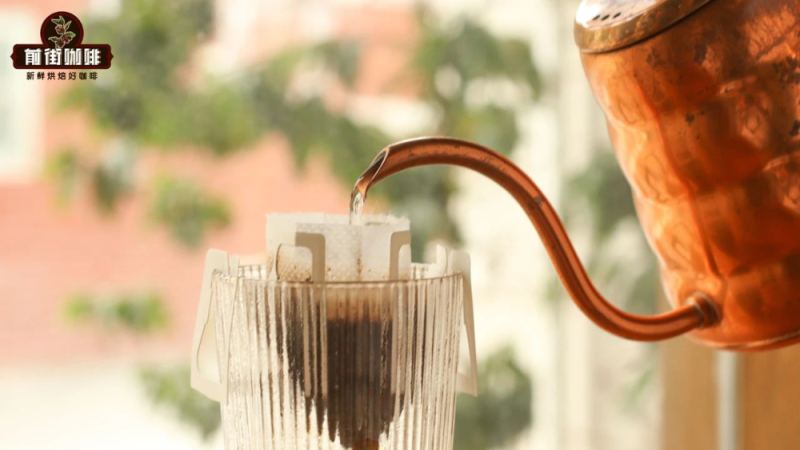
How do you pick low-acid, full-bodied drip bag coffee?
Choose drip bag coffee by three points: roast level, origin, and flavor description. For a rich, mellow cup without sourness, look for medium-dark roasts and skip light roast bags. Flavor notes on the packaging are the most direct clue for judging acidity and body before you buy.
Origin shapes character: African beans bring floral and fruity notes, central american coffee often shows caramel, South American beans lean nutty and sweet, and Asian origins highlight body. For brewing, use about 150 grams of water per 10-gram packet, keep water between 88 and 93 degrees Celsius, and never re-brew used grounds.
Love coffee but can't stand the sourness? This guide is made especially for coffee lovers who pursue a rich, mellow taste without acidity. When choosing non-acidic, full-bodied drip bag coffee, there are three key points to look at: the roast level should mainly be medium-dark, the origin determines the bean's character, and the flavor description is the most direct basis for consumers to judge. This article recommends several Front Street Coffee everyday-drinking drip bags, all guaranteed to be freshly roasted within 5 days and shipped within 24 hours. In addition, brewing drip bag coffee also requires technique—the amount of water, water temperature, and flow rate all affect the final flavor. For a 10-gram packet of grounds, it is recommended to pour 150 grams of water, with the water temperature best controlled between 88 and 93 degrees, and never re-brew the same grounds. Master these key points, and you can easily brew a rich, mellow cup of good coffee even in the office.
Today we bring you a practical guide on how to choose "non-acidic and full-bodied" drip bag coffee.
First, pay attention to the roast level.
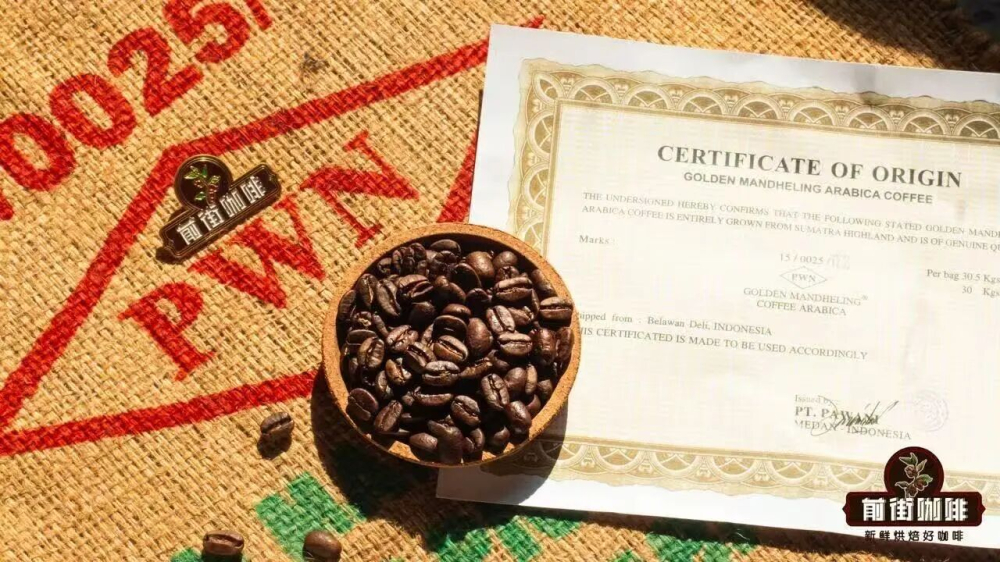
Many people love coffee because of its captivating aroma, while they tend to reject sourness. So when buying drip bag coffee packets, they will specifically look for the "non-acidic and full-bodied" type. This flavor profile corresponds exactly to medium to dark roasted coffee beans, so light roast drip bags can be ruled out first. For example, Front Street Coffee Golden Mandheling and Front Street Coffee Honduras are relatively good matches.
Second, pay attention to the coffee's origin.
The origin largely shapes the flavor personality of coffee beans. African beans are marked by floral and fruity notes, with the citric acidity of Ethiopian coffee being very prominent, while Kenyan coffee is famous for its juicy feel; Central American coffee often carries caramel notes, South American beans are mostly nutty and sweet, and Asian origins mainly highlight a full-bodied taste.
Third, check the flavor description.
As an ordinary consumer, the most direct way to judge whether a drip bag coffee is sour and whether its mouthfeel is full-bodied is to look at the flavor description. The following few are the everyday drip bag coffees most suitable for beginners, and each one is freshly roasted and freshly ground within 5 days, with 24-hour shipping supported, ensuring the drip bag coffee has the fullest coffee aroma.
Coffee beans: Front Street Coffee. Indonesia Mandheling G1 Drip Bag
Flavor: notes of spices, dark chocolate, and roasted nuts, high body, rich bitterness and sweetness
Roast level: medium-dark roast
Coffee beans: Front Street Coffee. Brazil Cerrado Red Bourbon Drip Bag
Flavor: creamy peanut, rich nutty aroma, not bitter, not sour, suitable for those pursuing a balanced taste
Roast level: medium roast
Coffee beans: Front Street Coffee. Yunnan Small-Bean Drip Bag
Flavor: nutty notes, herbal, chocolate, caramel, with a slight tea-like finish
Roast level: medium roast
You should know that a packet of fresh drip bag coffee is not as simple as tearing open the package and pouring in hot water. If you want to brew a rich, aromatic cup of good coffee, you still need to master some techniques!
1. How much water should be used to brew a packet of filter bag coffee or drip bag coffee?
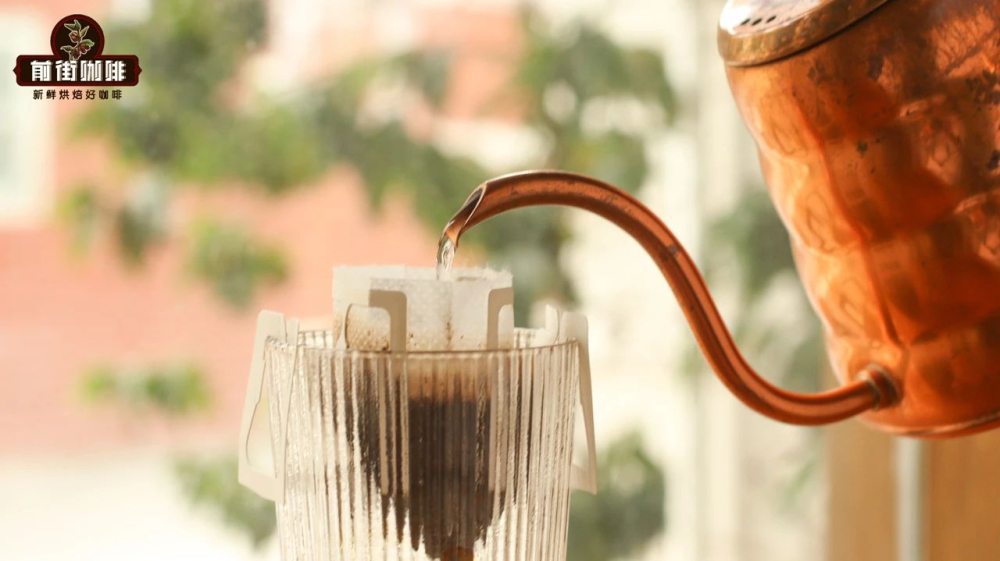
A packet of Front Street Coffee origin drip bag contains about 10 grams of coffee grounds. If you prefer a strong taste, the amount of water can be controlled at around 120 grams; for regular brewing, 150 to 180 grams of water is recommended, adjustable flexibly according to personal taste. Front Street Coffee non-acidic full-bodied drip bag coffees are all 10-gram packs, mainly medium to medium-dark roast, and the recommended water amount is 150 grams, with the water level roughly half the bag, then full, then full again.
2. Do brewing temperature and pouring speed affect coffee flavor?
Office workers usually do not have a gooseneck kettle at the office. When getting water from a water dispenser, it is recommended to use a lighter hand so that the water flows slowly and in a thin stream. For the first pour, about 30 to 50 grams of hot water is enough, then let it sit and steep for 10 seconds, then continue pouring water into the cup until the total amount in the cup reaches 150 to 200 grams.
If you have a gooseneck kettle and a thermometer, that is even better. It is recommended to keep the brewing water temperature between 88 and 93 degrees for the best result. A narrow-spout gooseneck kettle allows for more even water amount and flow rate, thereby achieving a more complete extraction during brewing. Of course, it does not matter if you do not have a gooseneck kettle or thermometer. Let boiled hot water sit for a while—about the time it takes to skim a WeChat public account article—and the temperature will be about right.
Filter bag coffee and drip bag coffee are different from tea leaves, and the grounds absolutely must not be re-brewed. This is because extracted coffee grounds only retain bitterness and astringency, and the flow rate will become very slow, making the coffee very hard to drink at that point.
The above content is compiled by CoffeeHunters, a coffee news website.


