







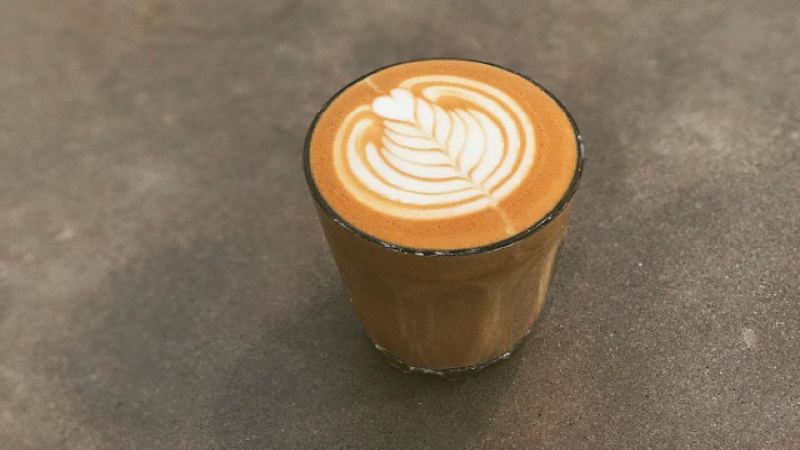
What Is Piccolo Coffee in English and Where Did It Start?
Piccolo coffee in English means a small latte: an Australian drink about half the size of a regular latte and finished in two or three sips. It grew out of Italian coffee culture, where roasters and baristas cut the milk to avoid waste while checking coffee quality. The name comes from the Italian word for small.
A piccolo is built on a single Ristretto with a small amount of steamed milk, so the coffee flavor stays concentrated rather than milk-heavy. It suits people who want less caffeine or do not want to feel full. Shops often use a specific blend coffee for it, and the small format makes it a practical tasting drink.
Beyond the latte, cappuccino, flat white, and dirty, there is another coffee with a very small cup size but concentrated flavor—the Piccolo Latte. It originated in Australia and is deeply influenced by Italian coffee culture, with a cup size about half that of a regular latte, drinkable in two or three sips. The original intention of the piccolo was for roasters and baristas to reduce the proportion of milk to avoid waste when adjusting coffee, and it later became an ideal choice for people who do not want to consume too much caffeine or feel full. This article will start with the definition, origin, and recipe controversy of the piccolo, and then introduce in detail how Front Street Coffee uses its own roasted "Sunflower Warm Sun Blend Coffee Beans," a single Ristretto, and a small amount of steamed milk to make an Australian-style piccolo with full aroma and a long-lasting finish, taking you through a complete understanding of this niche yet fascinating coffee.
For more specialty coffee knowledge, please follow: Front Street Coffee (Frontsteet Coffee)
Walking into a cafe, the milk coffee options on the menu are becoming more and more diverse: latte, cappuccino, flat white, dirty, piccolo... The first four are already familiar to everyone, but what exactly is the origin of this last one, the seemingly "niche" piccolo?
Piccolo coffee, also called "small latte"
Australia's coffee culture is deeply influenced by Italy. Local baristas combined local taste preferences and created many distinctive drinks based on traditional Italian coffee, one of which is the Flat White popularized by Starbucks. Unlike the flat white, the piccolo is even smaller, with a cup size only half that of a regular latte, and it can be finished in just two or three sips.
In the name Piccolo Latte, piccolo in English refers to the musical instrument the piccolo, while in Italian it means "small." The origin of the piccolo is related to the tasting habits of coffee roasters and baristas: they usually check coffee quality in two ways—drinking espresso alone, or adding milk to taste it. But a regular latte is rather large, and after just two sips it often has to be poured out. To avoid waste, baristas reduced the amount of milk, and over time it evolved into a mini version of a latte. For people who do not want to take in too much caffeine and do not want to be filled up by a milk coffee, the piccolo is a quite friendly option.
What are the finer points of making Australian-style piccolo coffee?
There has always been disagreement among baristas about the piccolo recipe. Some believe it consists of espresso plus a small amount of steamed milk, while others insist it should use Ristretto paired with a small amount of steamed milk foam. To this day, there is still no unified production ratio in the industry, so each piccolo produced depends on the flavor profile of the coffee beans used and the barista's personal understanding of this drink.
The flavor foundation of coffee lies in the coffee beans. The espresso drinks served at Front Street stores all use Front Street's own roasted "Sunflower Warm Sun Blend Coffee Beans" to extract espresso. This blend is composed of 70% Honduras Sherry coffee and 30% Yirgacheffe natural Red Cherry coffee. The whisky aroma, vanilla, and cream notes from the Sherry coffee meet the tropical fruit tones and fermented feeling of the Red Cherry, making the whole cup rich yet soft in layering.
When making the piccolo, Front Street uses a small cup with a capacity of about 90–100 ml, controls the coffee-to-milk ratio at 1:5, and preheats the cup in advance to maintain the coffee's optimal drinking temperature as much as possible. The base uses a single Ristretto. Ristretto means "restricted" in Italian, also called espresso extracto, and usually only the front and middle sections of Espresso are taken, so it is more concentrated and the flavor is more focused. Front Street's method is to take 20 grams of coffee powder and extract 28 grams of coffee liquid in 20–25 seconds, of which a single Ristretto is 14 grams, poured into the cup first.
Steaming the milk is a rather particular step; you should know that the less milk there is, the harder it is to steam. Front Street uses a 350 ml milk pitcher and pours in 100 ml of milk. Piccolo latte does not require the milk foam to be level with the rim of the cup like a flat white, so the thickness of the milk foam layer is similar to that of a latte, about 0.3–0.5 cm, and the steaming temperature is controlled between 55°C and 60°C, so it does not feel hot when drinking. Try to let the milk and Ristretto fully integrate, and when pouring to 70% full, begin latte art to create a pattern. A freshly made piccolo is best drunk hot.
How should piccolo coffee be drunk?
The piccolo coffee served by Front Street has aromas with notes of vanilla, cream, chocolate milk, and whisky cordial chocolate, along with a berry-like sweet-and-sour sensation. The coffee flavor is full, the milk is dense and sweet, and the finish is long and lasting.
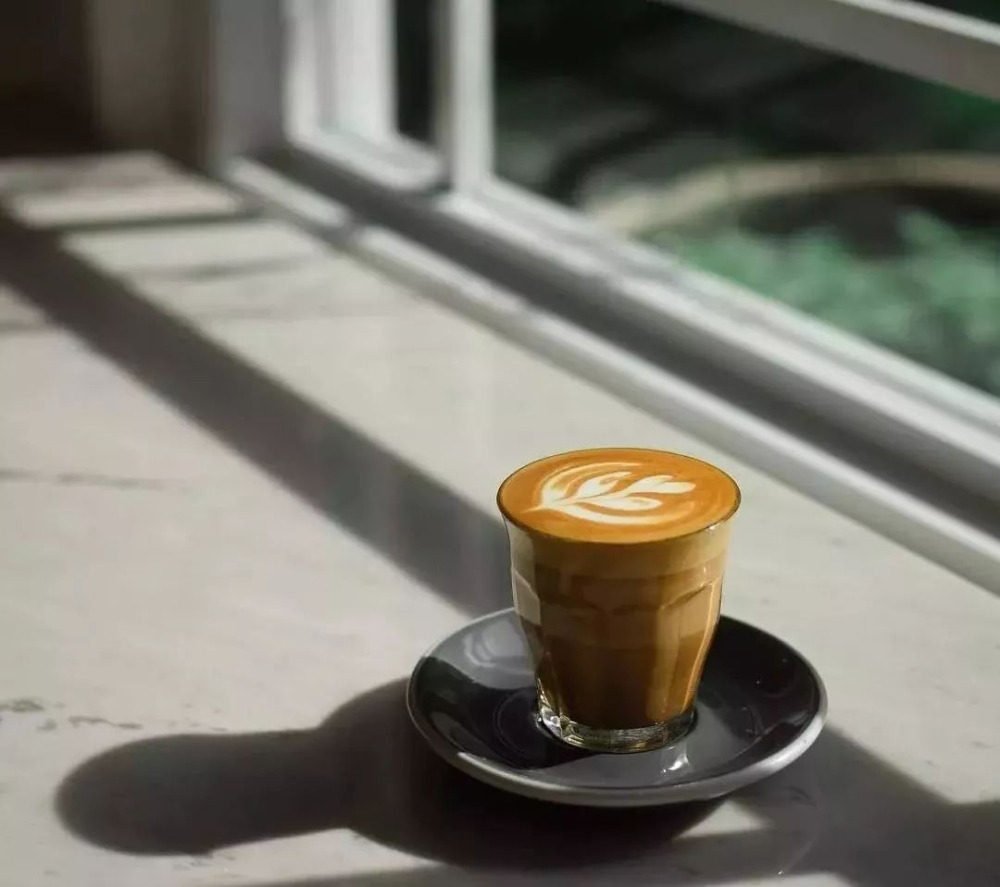
As Front Street says, the piccolo's cup size is very small, and its core purpose is to highlight the flavor characteristics of the coffee beans themselves, making it suitable for slowly savoring the layers and charm in the coffee. When tasting, Front Street first gently smells the faint aroma given off by the espresso liquid lifted by the milk; from the first sip, let the coffee liquid cover the mouth and feel the texture of the milk foam and the thickness of the coffee; after swallowing, appreciate the finish remaining in the mouth; finally, take a sip of water, and the sweet aftertaste will gradually become clearer.
The above content is compiled by CoffeeHunters, a coffee news website.


