







What Is a Dry Cappuccino and How Does It Differ from a Wet One?
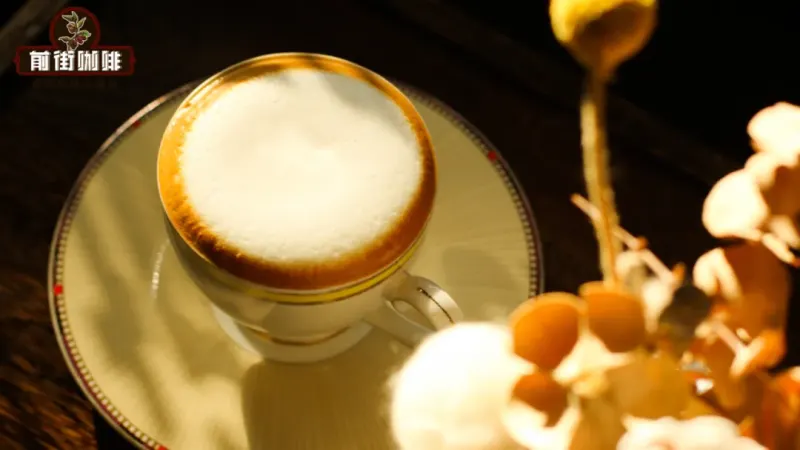
A dry cappuccino uses only the thick, stiff milk foam on top, with little or no steamed liquid milk, so the espresso flavor comes through much stronger. A wet cappuccino adds more steamed milk beneath a thinner foam layer, giving a softer, creamier cup. The milk-to-coffee ratio, not the name, decides which one lands in front of you.
The drink takes its name from the foam-topped surface that reminded early drinkers of Catholic robes, a widely repeated account of the cappuccino origin of name. When a customer asks whether they want cappuccino wet or dry, the practical answer is foam versus milk. The golden ring, a ring of crema and foam at the cup's edge, appears with a full-bodied espresso blend and tightly textured microfoam.
What exactly is the difference between a cappuccino and a latte? Why is a cappuccino, which goes by the same name, also divided into "dry" and "wet" versions? This article starts with a special ordering request encountered at a Front Street store, takes you back through the origins of the cappuccino, clarifies how it differs from a latte in the ratio of milk to coffee, and breaks down in detail the causes and characteristics of the dry and wet cappuccinos. At the same time, the article also shares Front Street's recommended espresso blend bean choices, and how to use espresso and thick milk foam to make a cup of old-school cappuccino with a golden ring, helping you fully understand the layers and charm of this classic milk coffee.
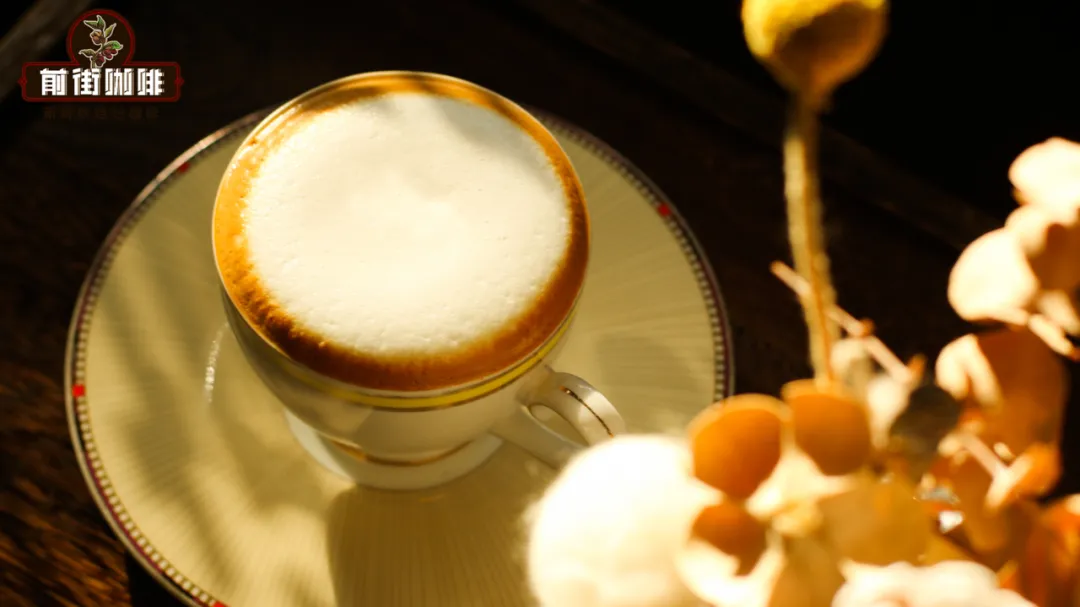
When pressurized espresso machines first came out, the steam device allowed people to heat milk while simultaneously frothing delicate, fine milk foam. When this layer of milk foam covered the surface of the coffee, its color and appearance reminded people of Catholic robes, and so the name "Cappuccino" came about. This is also one of the more widely circulated accounts of the origin of the cappuccino.
Compared with a latte or a flat white, a cappuccino has a more prominent coffee flavor because less milk is added, so it has always had quite a few loyal fans. But just yesterday, a customer at a Front Street store made a rather special request when ordering a cappuccino: if possible, he didn't want a "wet" cappuccino, but a "dry" cappuccino, and one with a golden ring, too.
Speaking of the "golden ring," everyone should be familiar with it—it's a special appearance created by milk foam and coffee. But a cappuccino actually being divided into "wet" and "dry" versions... that's a bit puzzling. No worries, today Front Street will talk about exactly what the difference is between these two versions of cappuccino, and how to make the golden ring on a cappuccino.
What coffee beans are used for a cappuccino?
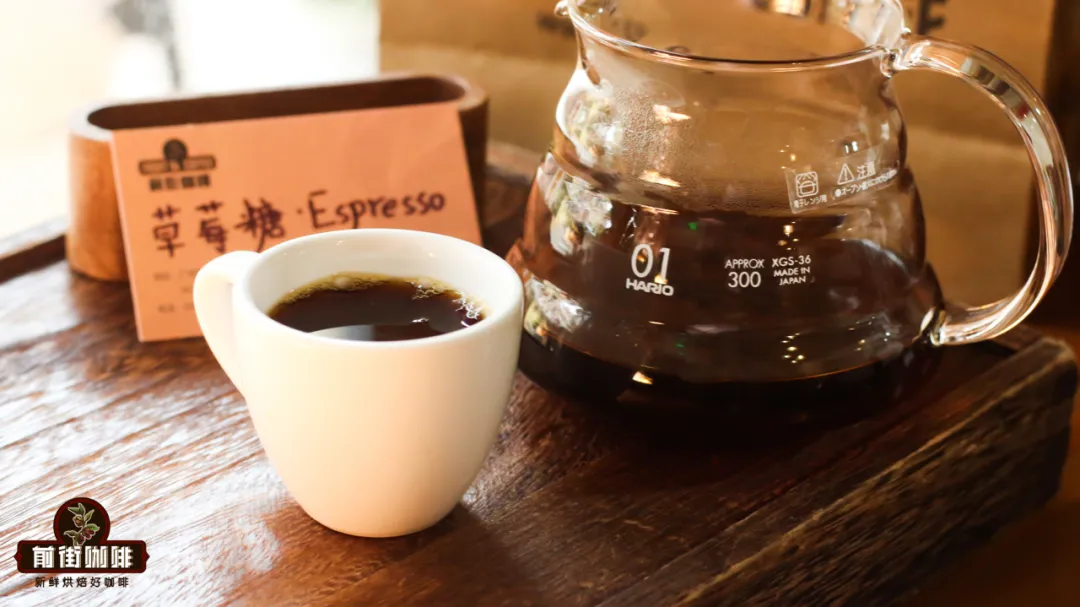
Compared with milk coffees suited to latte art, such as flat whites and lattes, the cappuccino's defining features are its thick, fluffy milk foam and its rich, full-bodied coffee taste, making it best suited to Front Street's espresso-machine-specific blend bean series. If you're a beginner making it at home, you can buy the crema bomb—Front Street Classic Blend—or the king of value for money—Front Street Dark Cocoa Basic Blend; if you want to take on a cappuccino with a floral and fruity style, your first choice is Front Street Strawberry Candy espresso blend, which can present the aromas of berries, roses, raisins, and fruit candy.
Cappuccino is also divided into "dry" and "wet"?
Some time ago, Front Street shared a piece of content about making an old-school version of cappuccino, in which it was mentioned that in the early days, making a cappuccino meant not only filling the cup to 11 parts full, but also having a coffee golden ring. However, as latte art became popular, in order to add patterns to coffee that enhance the visual experience, most coffee shops chose to froth the cappuccino's milk foam thinner in exchange for the flow needed to make latte art.
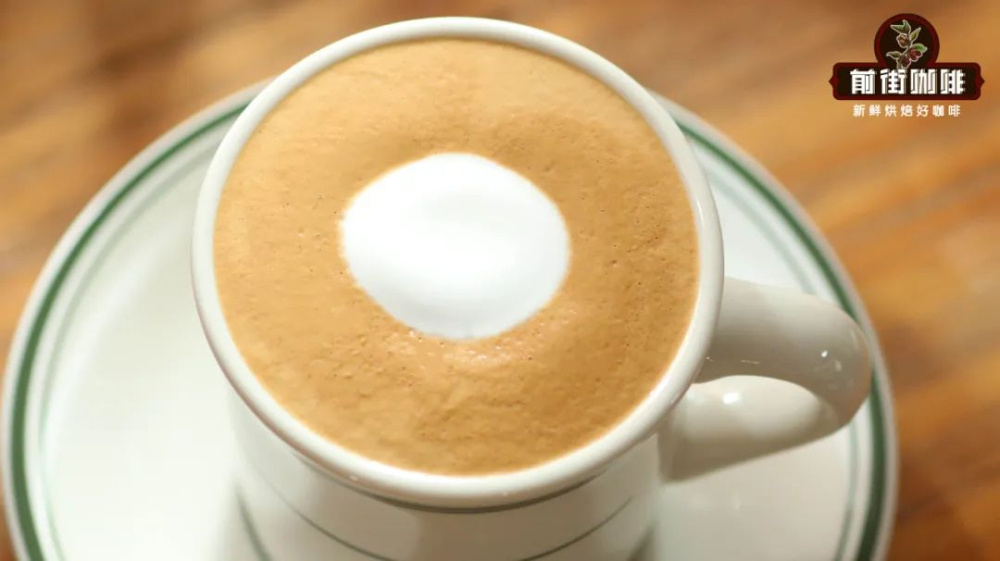
This has led to the situation where, in today's coffee shops, it's hard to find a cappuccino with a golden ring and foam overflowing to 11 parts full. But note that this is not always the case. Quite a few coffee shops still maintain the old-school cappuccino method; there may not be a golden ring, but there will definitely be overflowing milk foam. And the "dry" and "wet" cappuccinos mentioned earlier refer precisely to these two different versions of cappuccino.
The so-called "dry" cappuccino refers to the old-school version, with very thick milk foam. At the same cup volume, the thicker the milk foam, the less liquid milk there is. This is because the milk foam takes up space in the cup, while the amount of espresso is fixed. So when the milk foam thickness of a cup of coffee increases, the amount of milk decreases accordingly.
The "wet" cappuccino, on the other hand, refers to today's mainstream cappuccino with latte art and less thick milk foam. At the same cup volume, because the milk foam is thinner, it frees up more space. And since the amount of espresso liquid is fixed, the amount of milk increases. Compared with the former, this cup of cappuccino has a higher water content, which is why there is the distinction between "dry" and "wet."
It sounds pretty strange, but that's just how the logic goes. In a previous article, quite a few friends messaged Front Street in the background asking how to make a cappuccino's "golden ring," so Front Street will take this opportunity to share how to make a cappuccino's golden ring.
How do you make a cappuccino's golden ring?
As Front Street said at the beginning, a cappuccino's golden ring is mainly composed of espresso and milk foam together. The color of the outer ring is provided by the espresso, while the inner ring is filled by the milk foam. There's no real difficulty in making it, so below Front Street will give an actual demonstration.
First, we extract the espresso. Here at Front Street we use 20g of grounds, extracting 40ml of coffee liquid in 32 seconds. Then, while extracting, froth the milk. Since we don't need latte art, we can froth the milk as thick as possible. After frothing, pour the espresso into the pre-prepared coffee cup.
Then take the pre-prepared spoon, scoop out a spoonful of milk foam, and place it right in the center of the coffee.
How many spoonfuls to scoop specifically is up to you to judge; in short, just use the milk foam to fill the center into a circle. Then we shake the milk pitcher to reincorporate the milk foam and milk in the pitcher, and then pour from the very center of the cup.
Because the surface is all milk foam, we don't need to worry about the coffee overflowing, so just pour boldly. Pour until 11 parts full and you can stop.
At this point, a cappuccino with a golden ring is complete. With one sip, you can taste the different flavors of the milk foam and the coffee foam at the same time; if you take a bigger gulp, you can also taste the coffee itself—the layering and the experience can be said to be completely maxed out.
But it's worth mentioning that when making the golden ring, we should try not to fill the central circle too fully. Because when the central circle is filled too full, the espresso ring at the edge gets narrowed, and it looks a lot like a fried egg. That's also why the cappuccino's golden ring is often jokingly called a "fried egg."
The above content is compiled by CoffeeHunters, a coffee news website.


