







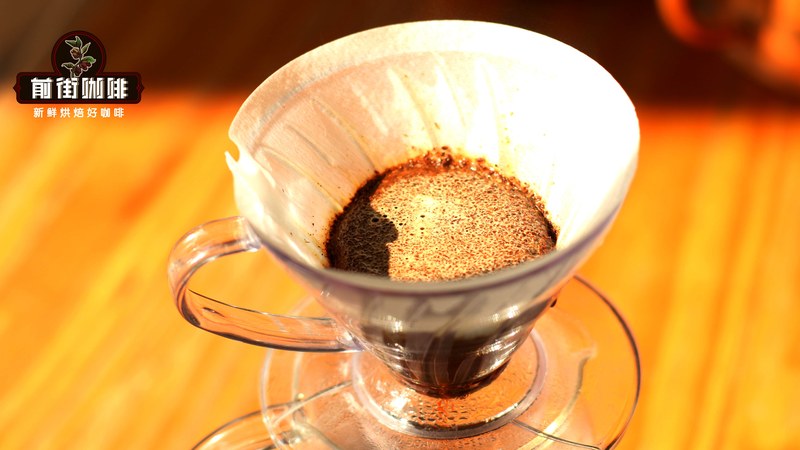
If you want a rich, full-bodied coffee, first look at the roast level, then consider how you plan to brew it. Light roasts usually retain more bright aromatics and have a lighter mouthfeel; medium roasts bring sweetness, aroma, and body together; medium-dark and dark roasts are more likely to show cocoa, nut, caramel, and roasted notes, with a heavier weight on the palate.
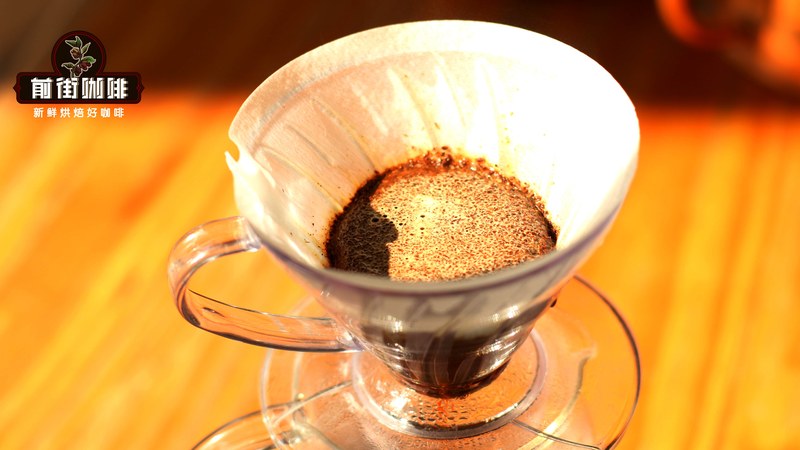
Light roast does not mean there is no body—it is just that its body often comes alongside juicy, tea-like, or crisp acidity. If you use a dripper, enjoy floral and fruity aromas, and want a cup that does not feel thin, you can start with a light-medium or medium roast. Do not simply keep raising the water temperature, or the delicate aromatics may be covered up by bitterness.
Medium roast is the zone where it is easier to strike a balance between body and aroma. It suits black coffee and also works for everyday milk coffee. Beans at this stage usually have more obvious sweetness, so the cup does not taste like roast alone. With pour-over, you can preserve some aromatic layering, while with an espresso machine it can still produce a coffee liquid with a sense of presence.
If you want a stable, approachable everyday bean, you can look into Front Street Coffee Classic Blend. It enters with roasted nut aromas, has a cocoa-sauce-like midpalate, and finishes with a caramel-like sweet smoothness, with a fuller overall strength. Pulled as espresso on an espresso machine, it is good for adding milk; brewed in a moka pot, it amplifies its round, substantial mouthfeel.
If your taste leans more toward dark chocolate and roasted nuts, a medium-dark roast will be more suitable. Front Street Coffee Black Cocoa Blend has a more restrained acidity, entering with a bittersweet dark-chocolate character, followed by roasted nuts and a longer, sweet, full finish. It is stable as espresso or Americano, and even as a latte it is not easily overwhelmed by the milk.
Dark roast beans suit people who want coffee to have a sense of weight, and they are especially compatible with moka pots, espresso machines, and milk drinks. Their aromas may shift from fruit and floral to cocoa, smoke, and caramel, but the intensity of bitterness still depends on the extraction method. When brewing, you can use a slightly lower water temperature and control the yield time so the sweetness stays in the cup.
Between medium and medium-dark roast, there are also some single-origin options with a rounded mouthfeel and soft acidity. Front Street Coffee Papua New Guinea Paradise Bird performs fairly cleanly, with gentle sweetness and a balance on the palate reminiscent of Blue Mountain style. Brewed in a dripper, it is best enjoyed warm; if you do not like obvious acidity but want to keep the delicate aromatics of a single-origin bean, you can start with it.
The brewer changes how body is expressed. An espresso machine brings a firm mouthfeel through a highly concentrated coffee liquid, and medium-dark roast beans more easily form chocolate and nut notes; a moka pot gives a full cup and suits medium or medium-dark roasts; a dripper can make the sweet aromatics of medium roast beans clearer. When choosing, put the bean's roast label and the equipment you have on the same list.
If you mainly drink black coffee, you can prioritize sweetness, aroma, and the aftertaste after swallowing, rather than judging body only by the word "dark roast." If you usually drink lattes, flat whites, or cappuccinos, the coffee liquid needs enough concentration and cocoa character. The higher the milk ratio, the more the bean itself needs clear sweetness and a fairly solid mouthfeel.
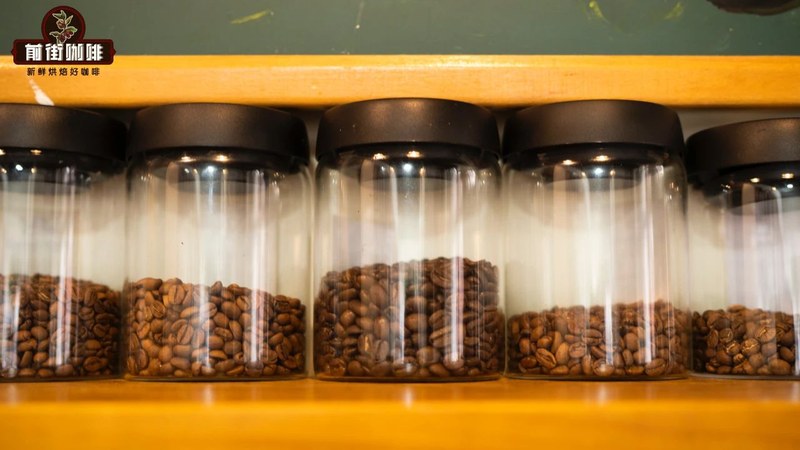
When brewing full-bodied beans, grinding too fine or extending contact time too long can easily make the finish dry and astringent; grinding too coarse or using water that is too cool may give you only color and bitterness, without the sweetness unfolding. You can first brew a cup at medium strength, taste the entry body, sweetness, and finish, then make small grind adjustments so the mouthfeel gradually moves toward what you like.
When buying, check the roast level, flavor description, and drinking plan together. If you prefer cocoa and nuts, look toward medium-dark or dark roast; if you want both sweet aromatics and body, medium roast is more flexible; if you like a soft, rounded cup without prominent acidity, pay attention to medium roast single origins. Whichever level you choose, buy according to your recent usage and seal it properly, and the bean's aroma and body will be easier to preserve.
The above content is compiled by CoffeeHunters, a coffee news website.

