







How Do You Drink Dirty Coffee the Right Way?
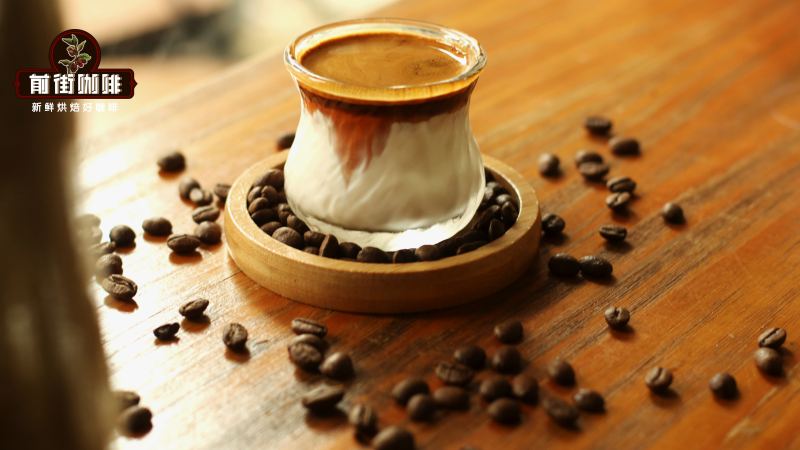
Dirty coffee is meant to be drunk immediately, without stirring, in a small cup of no more than 200ml. Espresso is poured slowly onto cold milk so the crema stays on top, giving a first sip of bold coffee followed by sweet milk. The layered gradient is the point, so stirring it first removes the effect.
The difference from an iced latte comes down to ice and size. An iced latte adds ice cubes to milk, then pours in espresso and stirs, usually around 300ml, which softens the coffee. Dirty skips the ice entirely, so the milk fat and protein hold the crema while the coffee sinks, and the hot-cold contrast survives.
In recent years, Dirty coffee has quickly risen to fame, and many people who originally loved lattes have switched sides. Unlike iced lattes, Dirty achieves a captivating layered gradient effect through the natural blending of espresso and milk. The first sip delivers a bold coffee impact, followed by a smooth, sweet milky aroma—a true feast for both the eyes and the palate. Starting from the definition of Dirty, this article will explain in detail the preparation method, three key techniques, and its essential differences from iced lattes in terms of cup size, mouthfeel, and flavor. Meanwhile, Front Street Coffee will also share how to choose suitable espresso beans and milk, helping you make a perfectly layered, full-bodied Dirty coffee at home.
Introduction
Dirty coffee burst onto the scene a few years ago, causing many latte enthusiasts to switch camps and become Dirty devotees. Unlike iced latte coffee, watching espresso and milk create a gradient effect, and with one sip going from rich coffee to sweet milk, Dirty is a milk coffee that delivers a double enjoyment for both the eyes and the taste buds.
What Is Dirty Coffee?
Dirty coffee emerged to satisfy those who enjoy drinking iced lattes but also want the intense coffee stimulation on the palate. Iced lattes are made by adding ice cubes to milk, then pouring espresso in and stirring well before drinking, in order to neutralize the intensity of the espresso and achieve a smooth, refreshing taste, so the serving size is generally around 300ml.
Dirty coffee, on the other hand, emphasizes preserving the crema of the espresso and the layered gradient effect. Since making Dirty does not involve adding ice cubes, during preparation the milk surface needs to be brought close to the espresso outlet, allowing the espresso to slowly flow into the cup.
Milk is rich in milk fat and protein, which will hold the crema portion of the espresso on the surface, while the coffee liquid portion will begin to slowly sink, forming a layered gradient effect. The soul of drinking Dirty lies in "downing it in one gulp" and the rich, full-bodied mouthfeel, so the serving size generally does not exceed 200ml.
How to Make Dirty Coffee?
Although the only ingredients needed to make Dirty are espresso and milk, Front Street Coffee believes that achieving perfect layering and a hot-cold alternating mouthfeel still requires certain techniques.
Since Dirty coffee mainly emphasizes preserving the crema of the espresso and the visual effect of layered gradients, ice cubes cannot be added during preparation, as ice cubes easily dilute the overall concentration of the coffee. Moreover, the protein and milk fat content of the milk must be high, and the milk temperature must be sufficiently cold, so that the rich oils can float on top. Therefore, Front Street Coffee recommends using refrigerated fresh milk or purified milk (Ice Blog) when making Dirty.
Since making Dirty does not involve adding extra ice cubes, besides the milk itself needing to be refrigerated beforehand, the glass itself should also be kept at a low temperature, so that when the milk is poured into the glass, the glass will not steal its temperature. Front Street Coffee needs to remind everyone of one thing: when purchasing a glass, be sure to check clearly whether the glass is temperature-resistant, to prevent unexpected situations such as cracking during the freezing process or cracking when the espresso is poured in.
To ensure a rich mouthfeel, the cup size of Dirty coffee is smaller than that of iced lattes. Generally, Dirty coffee has a cup size between 180-220ml, while iced latte coffee has a cup size between 280-320ml. When Front Street Coffee makes Dirty coffee, first take a pre-chilled cup and pour in 150ml of fresh milk. Then use 20 grams of coffee powder to extract 36 grams of coffee liquid, placing the iced milk directly below the bottomless portafilter, letting the coffee liquid fall onto the surface. Note that the water column should not be too high, as it may easily shoot directly into the milk below, and then the "dirty" effect cannot be formed.
What should be noted for a delicious cup of Dirty coffee?
Technique 1: Selection of Espresso Beans
The key to whether a cup of Dirty is delicious lies in the espresso. Since the first thing you taste when drinking Dirty is the espresso portion, the coffee beans selected should not be too intense or have a particularly obvious sour taste.
Front Street Coffee recommends that the espresso used for making Dirty can be a blend/single-origin bean with a soft, balanced flavor and rich crema. It is not recommended to use beans with obvious smoky/herbal flavors or light roast beans.
Technique 2: Choose Milk with High Milk Fat, Protein, and Lactose Content
The richness of the milk determines the layering effect of Dirty. The higher the protein and milk fat content in the milk, the better the layering effect of Dirty will be.
Besides the visual aspect, another soul of drinking Dirty lies in the gradient mouthfeel, transitioning from rich coffee to the fusion of milk and coffee, and then to milk. Here, the sweetness of the last sip of milk can become the "finishing touch" of the entire cup of Dirty, so Front Street Coffee recommends using refrigerated fresh milk or purified milk (Ice Blog) when making Dirty.
Technique 3: Use Chilled Milk and a Frozen Glass
Since making Dirty does not involve adding extra ice cubes, besides the milk itself needing to be refrigerated, the glass itself also needs to be kept at a low temperature, so that when the milk is poured into the glass, the glass will not steal its temperature.
Friendly reminder: When purchasing a glass, be sure to check clearly whether the glass is temperature-resistant, to prevent cracking during the freezing process or cracking when the espresso is poured in.
The above content is compiled by CoffeeHunters, a coffee news website.


