








How does australian white coffee differ from a latte?
A flat white and a latte both start with espresso and milk, but they differ in foam thickness, cup size and base. The flat white is australian white coffee, developed after World War II when Italian cafes adapted espresso for local tastes, and it uses a thin layer of microfoam and a smaller cup. A latte is larger, milkier, and historically carried little or no foam.
The name comes from an older divide: black coffee meant filtered coffee, white coffee meant coffee with milk. Italian immigrants opened cafes in Australia, and the language and food cultures merged into the drink now called flat white. Because Australia and New Zealand both claim its origin, versions spread widely with varied cup sizes, shot ratios and foam levels.
In espresso coffee, latte and Flat White are two milk coffees that are often compared. Although both are made from espresso and milk, there are clear differences in milk foam thickness, cup size, espresso base selection, and final taste. This article systematically sorts out the core differences between Flat White and latte, from their origins and preparation parameters to actual serving standards, and also includes Front Street Coffee’s specific extraction plans and milk frothing suggestions, helping coffee lovers understand the essential differences between these two drinks more clearly and recreate the ideal flavor at home.
Espresso coffee has always been a category with a very high order rate in cafes. Although many enthusiasts nowadays are keen on pour-over at home, espresso-based drinks still hold an unshakable position. When the weather gets hot, iced espresso coffee becomes the first choice for many people. Among all espresso coffees, latte is undoubtedly the most widely recognized.
Many people say latte is nothing more than coffee plus milk, and that is actually true. Latte is indeed a classic drink made with espresso as the base and then mixed with milk. "Latte" in Italian originally means "milk," so today's globally popular Coffee Latte is, in the end, a combination of milk and coffee (early versions did not include milk foam).
So what is the origin of Flat White? Flat White is a style that Australians gradually developed and made independent after World War II by adapting the espresso coffee introduced to them. Its birth can be seen as a local milk coffee that evolved on its own in a relatively isolated continental environment. The earliest white Australian immigrants were mostly of British and Irish descent. In their thinking, there were only black coffee and white coffee—black coffee meant pure filtered coffee, while white coffee was coffee with milk added. Later, during waves of immigration, Italians opened cafes there, and the collision of language and food culture prompted Italian-style cafes to make adjustments, eventually forming the milk coffee known as Flat White. Later, as Australian coffee culture spread outward, because neither New Zealanders nor Australians could clearly say where it originated, the versions became even more confusing after spreading, with all kinds of Flat White appearing one after another, yet each claiming to be authentic.
Flat white coffee, also known as 馥芮白, is a coffee drink that originated in Australia, so it is also called Australian white coffee, though some people insist that its true birthplace is New Zealand. Apart from the dispute over its origin, the methods for making Flat White are also highly varied. Overall, Flat White is a milk coffee with a stronger coffee taste, less milk, and thinner milk foam. In terms of choosing the espresso base, New Zealanders prefer to make it with a double ristretto, while Australian baristas are more used to using a single espresso.
In Australia, Flat White is usually only made hot. The reason is simple: once ice cubes are added, the drink loses its soul, because the ice dilutes the overall strength. So from one perspective, it can also be understood that a cold Flat White is a latte.
Latte and Flat White, although both are combinations of espresso and milk, bring completely different experiences. Some describe "Flat White as the Australian version of latte," while others say "latte is a cup of milk with coffee flavor, while Flat White is a cup of coffee with milk flavor."
So how exactly do you distinguish latte from Flat White? What difference do the two have in taste?
01 Milk foam
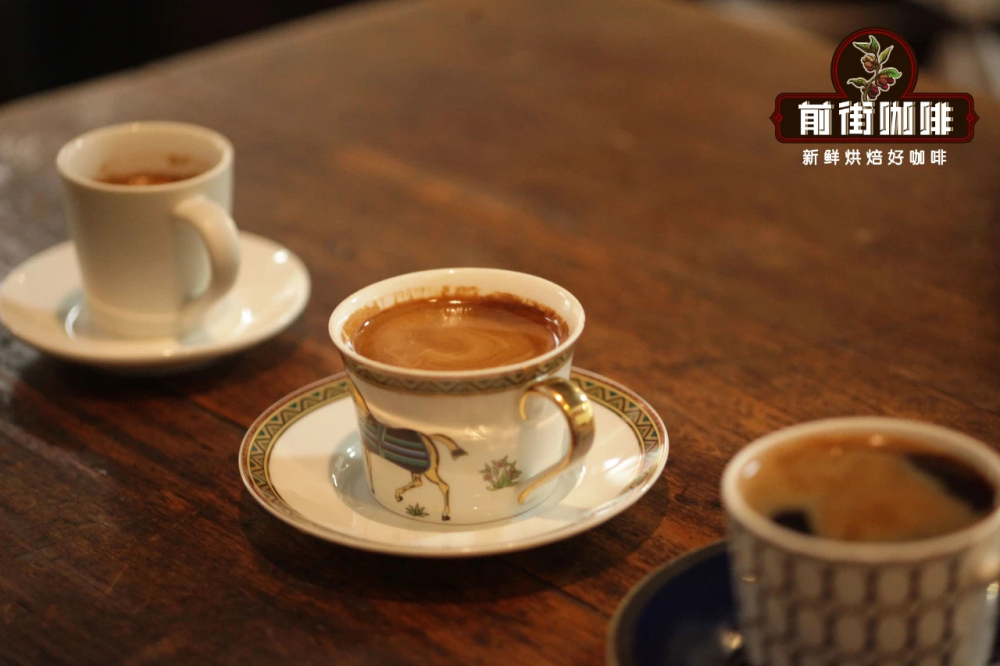
Whether the milk foam on the surface of espresso coffee looks good is often regarded as one of the standards for whether a drink is acceptable, and some even think that if the milk foam does not look good, the espresso coffee is not good. The milk foam thickness of a latte is about 1 cm, making it relatively easy to pour latte art; Flat White’s milk foam is only about 5 mm thick, with a finer, smoother, and lighter texture. The milk and espresso blend very well, and it tastes quite silky.
02 Amount of espresso
Generally speaking, both have the same coffee content, but because Flat White has a smaller cup size, espresso makes up a higher proportion, so the coffee taste is naturally stronger. Latte, on the other hand, has a stronger milk taste and a relatively weaker coffee taste. In terms of cup size, a regular latte is about 300 ml, while Flat White is smaller, about 210 ml (this is the cup size served by Front Street, though it may vary by cafe). So when you order a Flat White and see that the cup is smaller than a latte’s, there is no need to suspect that you were served the wrong drink; it is meant to be a small cup.
03 Taste
The ingredients of latte and Flat White are basically the same, and the main difference lies in the strength and the mouthfeel brought by the milk foam. The milk used in Flat White is frothed less, giving it a thicker and smoother texture; latte’s milk foam is frothed more, so it tastes lighter. Drinking a latte is about enjoying a light and dense foamy feel, while drinking a Flat White emphasizes a smooth texture and a harmonious pairing of milk flavor and coffee flavor.
If you like milk coffee but want a more obvious coffee taste, you can try Flat White; if you do not want too strong a coffee taste, latte will be more suitable.
Flat White has a lower proportion of milk than latte, and the espresso is also stronger. The espresso used in authentic Flat White is called Ristretto, while the Espresso used in everyday lattes and Americanos is Espresso.
The following are Front Street’s parameters for making Flat White and latte, making it easy for everyone to compare directly.
Front Street Coffee’s standard for latte: use a 300 ml ceramic cup, 40 g espresso base, 260 ml milk plus milk foam. Milk foam thickness is about 1 cm (frothing level: froth 5 parts full milk to 7 parts full milk foam).
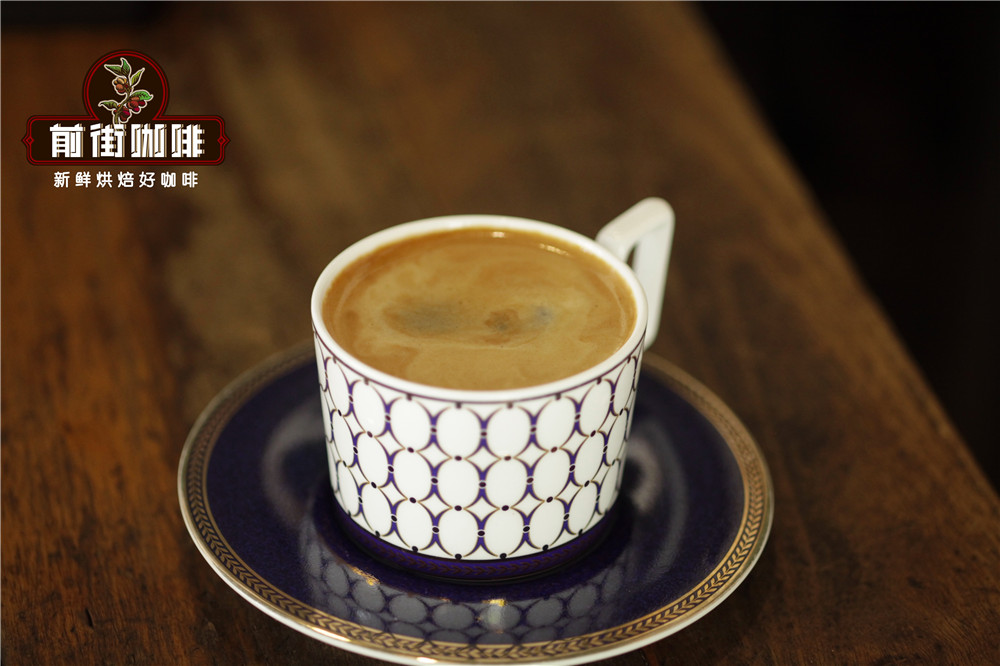
Front Street Coffee’s standard for Flat White: use a 220 ml glass cup, use 30 g ristretto, 190 ml milk plus milk foam. Milk foam thickness is about 0.5 cm (frothing level: froth 5 parts full milk to 5.5-6 parts full milk foam).
Differences: In terms of cup size, latte is larger than Flat White; in appearance, latte’s milk foam is slightly thicker and has a slight dome, while Flat White’s milk foam is slightly thinner and flat. In flavor, latte has a richer milk taste, while Flat White has a more prominent coffee taste. Therefore, Australians joke that latte is coffee-flavored milk (essentially milk), while Flat White is milk-flavored coffee (essentially coffee).
How to make Flat White?
So how exactly do you make Flat White? And how should latte be made? What coffee beans are suitable for espresso? Next, Front Street Coffee will answer these one by one.
Front Street Coffee uses a Pegasus E98 espresso machine, and the extraction parameters are as follows: Pressure: 9 bar Temperature: 94°C Time: 20-30 sec Coffee-to-water ratio: 1:1.7-1:2 Dose: 12 g (single espresso), 20 g (double espresso) Espresso yield: 20 ml (single), 40 ml (double)
Recommended milk-to-coffee ratio for Flat White
Milk: whole fresh milk (Front Street uses Vitasoy fresh milk) Milk frothing temperature: 50-60°C (if too low, the lactose in the milk cannot be brought out; if too high, the proteins are damaged, creating a grainy mouthfeel) Milk foam thickness: 5 mm (1 cm milk foam is used for latte, 1.5 cm thick milk foam is used for cappuccino) Espresso amount: 40 ml Milk amount: 140 ml
The method and ratio for latte coffee are as follows:
Front Street uses a Pegasus E98 espresso machine.
Pressure: 9 bar Temperature: 94°C Time: 20-30 sec Coffee-to-water ratio: 1:1.7-1:2 Dose: 12 g (single espresso), 20 g (double espresso) Espresso yield: 20 ml (single), 40 ml (double)
Front Street uses a double espresso to make latte. The flavor performance of the coffee beans after extraction is: obvious fruity acidity, a faint berry aroma lingering, rich winey and chocolate flavors, and a comfortable sweet aftertaste.
Milk: whole fresh milk (Front Street uses Vitasoy fresh milk) Milk frothing temperature: 50-60°C (if too low, the lactose in the milk cannot be brought out; if too high, the proteins are damaged, creating a grainy mouthfeel) Milk foam thickness: 1 cm (thinner than 1 cm is used for Flat White, thicker than 1 cm is used for cappuccino)
The above are the parameters used by Front Street Coffee when making Flat white and latte. Each cafe uses different coffee beans and different models of espresso machines, so every shop will have slight differences in the milk-to-coffee ratio, bean selection, and extraction parameters for latte, and the flavor will naturally differ as well.

But overall, latte is a drink made by adding a large amount of milk to espresso. Lattes made with different coffee beans have different flavors, lattes made with different milks also have different flavors, and even adjusting the ratio of coffee to milk can present a different flavor.
For its daily Flat White production, Front Street uses a Sunflower Warm Sun blend coffee bean made from sun-dried Yirgacheffe blended with Honduras Sherry. Through daily adjustments to the extraction parameters, on the day this article was written, the ristretto extraction parameters were 19.8 g dose extracting 30 g coffee liquid in 27 seconds.
When Front Street makes Flat White, the coffee-to-milk ratio is 1:6. Into 30 g of coffee liquid, 180 g of heated milk with light, thin milk foam is poured from the center, minimizing damage to the crema. Some cafes also use the latte method, fully integrating the milk and espresso before pouring latte art, with the coffee-to-milk ratio also around 1:6.
Front Street brewing suggestions:
No matter what kind of coffee you make, the freshness of the coffee is crucial to the flavor. Therefore, the coffee beans shipped by Front Street Coffee are all within 5 days of the roast date. Front Street’s roasting purpose is "freshly roasted good coffee," so that every customer who places an order receives the coffee in the freshest condition. The resting period for coffee is about 4-7 days, so when customers receive it, it is exactly at its best flavor.
For friends who need ground coffee, Front Street warmly reminds you: once coffee beans are ground in advance, they no longer need to be rested, because during transportation the pressure from carbon dioxide inside the package can also make the coffee flavor rounder, and you can brew a cup immediately after receiving the ground coffee. But ground coffee needs to be brewed promptly, because after contact with air it oxidizes quickly, the flavor dissipates faster, and the quality is not as good. So Front Street recommends buying whole beans and grinding fresh before brewing, so you can better taste the coffee’s flavor.
There is one more point: Front Street believes that if you want to brew a delicious cup of coffee, you must practice more, because different techniques will produce different flavors. You are welcome to visit Front Street Coffee to discuss coffee!
Professional coffee knowledge exchange. For more coffee bean information, please follow Coffee Studio (WeChat public account: cafe_style).
For more specialty coffee beans, please add the private WeChat of Front Street Coffee. WeChat ID: qjcoffeex
The above content is compiled by CoffeeHunters, a coffee news website.


