







Search Results for: Natural Huakui

New Season Sidamo Natural Huakui 7.0 Coffee Bean Flavor Analysis and the Reveal of Hambela Huakui's Origins
Every year before the new-crop Huakui coffee beans arrive at port, the domestic coffee community is already abuzz with discussion. In May 2023, Huakui 7.0 officially arrived in China, yet it sparked considerable skepticism: Why doesn't it taste like "Huakui"? Why do the flavors lean toward Yirgacheffe? Is it still Huakui if it's not from the Buku Abel processing station? This article starts from the origins of Huakui, traces how the 2017 TOH championship batch got its name, analyzes the relationship between Buku Abel village and the surrounding processing stations, explains the flavor expression of Huakui 7.0 and the typical characteristics of Sidamo natural beans, and shares Front Street Coffee's roasting and cupping results for this batch of new beans. [more…]
What variety is Huakui coffee? How does Huakui 8.0 differ from 7.0? Is Huakui the same as Geisha?
Friends who enjoy coffee with fruity acidity are certainly no strangers to Front Street Coffee's Ethiopia Sidamo Huakui. Since this bean first appeared in 2017, it has gone through eight harvest seasons, and the latest batch has, as usual, been named "Huakui 8.0." Many people new to specialty coffee often confuse Huakui with Geisha, and some even think Huakui is a top-tier Geisha—but in reality, the two are completely different. This article will start with Huakui's origin background, the story behind its name, and the meaning of its version numbers, then combine that with the actual brewing performance of Front Street Coffee's Ethiopia Sidamo Natural Huakui 8.0 to give you a comprehensive understanding of this champion bean's past and present, and to explain exactly what its signature "Huakui flavor" really is. [more…]
Analysis of the Huakui 6.0 Coffee Bean Variety: An Introduction to the Flavor, Taste, and Brewing of Huakui SOE from the Guji Sidamo Region
In recent years, Huakui coffee beans have risen to fame in the specialty coffee world, and are even regarded as an Ethiopian representative capable of rivaling Geisha. In 2017, Li Jianfei won runner-up in the China region of the World Brewers Cup with a Sidamo natural Huakui, quickly making this bean popular. What variety does Huakui actually belong to? Does it come from Sidamo or Guji? Why are there versions such as 2.0, 3.0, and even 6.0? This article will sort through the origin of the name Huakui, the producing region background, processing methods, version evolution, variety characteristics, and the cupping performance of each version, with a focus on introducing the flavor characteristics and brewing suggestions of Front Street Coffee Huakui 6.0, to help coffee enthusiasts gain a comprehensive understanding of this legendary natural bean. [more…]
Sidamo Natural Coffee Flavor Analysis: The Origins of the Huakui Bean Variety, Grading System, and Pour-Over Parameter Guide
Ethiopia is the birthplace of coffee, and Sidamo and Yirgacheffe are ranked as the country's two most renowned regions. The former, with its traditional natural processing, gives coffee a rich body and complex fruity aromas, making it a favorite among many enthusiasts. Front Street Coffee has long followed the Sidamo region, especially represented by the Huakui series coffee beans. From the 2017 TOH competition champion batch to today's multiple generations of products, Huakui coffee has won market attention with flavors such as strawberry cream and tropical fruit. This article will review the origin characteristics of Sidamo coffee, the naming origin of Huakui beans and the division of grade versions, and introduce in detail the hand-brewing equipment, parameters, and pouring techniques used by Front Street stores to produce Huakui coffee, helping readers fully understand this coffee bean from origin to cup. [more…]
The Naming Origins and Flavor Story of Huakui Coffee Beans: Is It Really Geisha? A Full Analysis of Its Origin and Variety
In the specialty coffee world, Huakui has captured countless palates with its signature creamy strawberry aroma, yet behind its name lies a legendary story stretching from the TOH competition stage to Chinese coffee events. Many people wonder whether Huakui and Geisha are the same variety, but in fact the two are completely different in terms of variety, origin, and naming logic. In this article, Front Street Coffee will provide a complete overview of the origin of the name Huakui, the terroir conditions of the Sidamo Guji Hambela region, the natural processing method at the Buku Abel processing station, and the flavor evolution from Huakui 2.0 to Little Bean Huakui, guiding you through a comprehensive understanding of the unique charm of this Ethiopian natural-processed bean. [more…]
Ethiopian Yirgacheffe and Sidamo Huakui 6.0: An Analysis of Regional Flavors, Processing Methods, and Brewing Key Points
Ethiopia, as the birthplace of coffee, has nurtured many producing regions that captivate specialty coffee enthusiasts. Among them, Yirgacheffe is renowned for the floral and citrus-lemon notes brought about by its washed processing, while Sidamo showcases a rich berry-cream character through its natural process. This article will outline the flavor characteristics and processing methods of these two regions, and focus on introducing the origins of Huakui coffee, the evolution of its naming, and brewing suggestions. From its TOH championship in 2017 to the launch of Huakui 8.0, Front Street Coffee has continuously followed every batch of this bean, and the article also includes a flavor comparison between Xiaoli Huakui and Huakui 5.0, as well as practical V60 brewing parameters, making it suitable for coffee enthusiasts who want to gain a deeper understanding of the charm of Ethiopian coffee. [more…]
From TOH Champion to the Huakui Series: The Rise and Flavor Evolution of Ethiopian Hambela Natural Coffee Beans
On the stage of specialty coffee, the Huakui coffee beans from the Hambela region of Ethiopia shot to fame with the title of champion of the 2017 TOH natural group, and subsequently gained even greater renown when a barista defeated Geisha in a brewing competition. This bean not only witnessed the rise of the Hambela region, but also gave rise to the Huakui X.0 series and the small-bean Huakui offshoot. This article will trace the historical development of Huakui, compare the flavor differences among different batches, and share Front Street Coffee's brewing insights on Huakui and Huakui 5.0, taking you deeper into the unique charm of this African natural-process bean. [more…]
The Art of Over-Extraction and Pulse Pouring in Pour-Over Coffee, Plus a Look at the Origin Flavors of Yirgacheffe and Huakui
What exactly does over-extraction mean in pour-over coffee? And can pulse pouring make coffee taste better? This article starts from two classic Ethiopian regions, first introducing the clean floral notes of washed Yirgacheffe and the berry-cream profile of natural Sidamo, then delving into the naming origins of Huakui coffee, its version evolution, and the independent story of Small-Bean Huakui. The article also includes Front Street Coffee's bean list information and specific brewing parameters, including practical suggestions such as the V60 dripper, 91°C water temperature, and three-pour technique, helping coffee enthusiasts understand regional flavors while mastering a more consistent pour-over approach. [more…]
How to Make a Huakui SOE Americano | How to Choose Between Light-Roast and Medium-Roast Sidamo Huakui SOE? What Are the Espresso Extraction Parameters for Natural-Process Huakui?
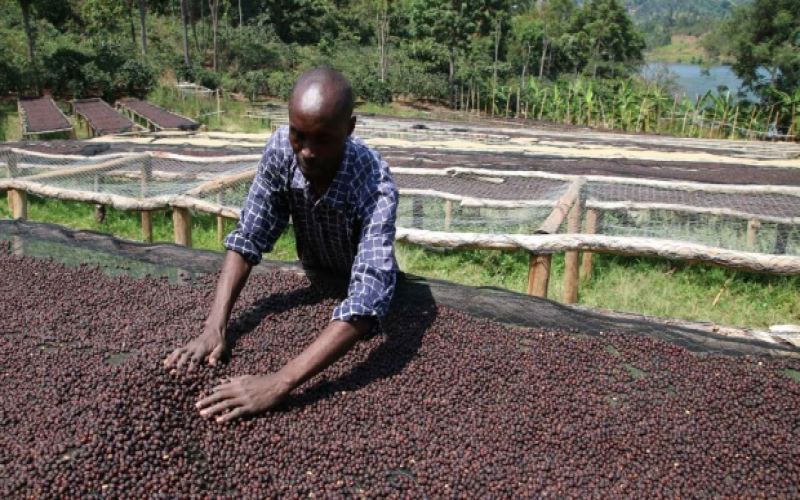
When it comes to natural coffee, many people first think of the beautifully named Front Street Coffee Flower Queen, which has good flavor and is affordably priced, making it a daily staple bean for many. During the coffee harvest season, farmers in the Sidamo region pick only ripe red cherries, placing them one by one into baskets. After picking, the coffee cherries are sized [more…]
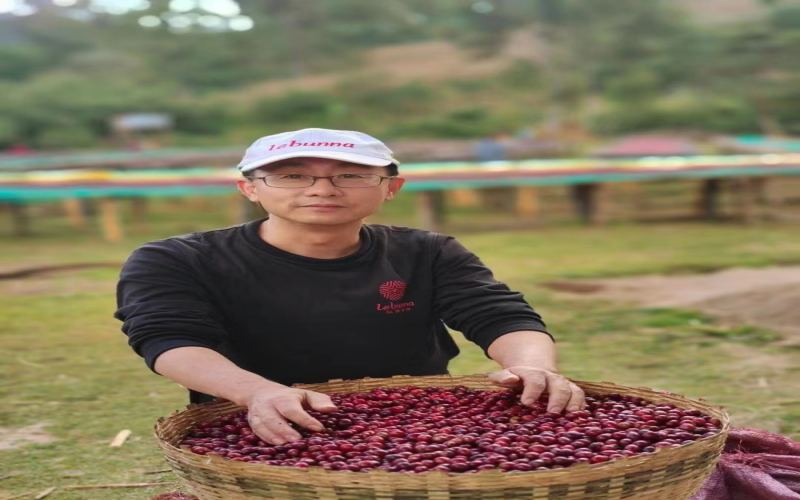
An In-Depth Analysis of the Origin and Flavor of Huakui Coffee Beans: From the 2017 Champion to the Differences Between 6.0 and Small-Bean Huakui
Since winning the TOH competition in 2017, Huakui coffee beans have become a hot topic in the specialty coffee circle, impressing people with their strawberry-cream smoothness, rose fragrance, and tropical fruit fermentation notes. But many enthusiasts will notice that today's Huakui on the market is divided into Huakui 6.0 and Small-Bean Huakui. How do they differ from the 2017 champion batch? Why can't you find the name "Huakui" abroad? This article will fully sort out the ins and outs of Huakui coffee beans from the perspectives of origin, processing station, variety, processing method, and brewing suggestions, and share Front Street Coffee's roasting and brewing insights, helping you gain a more comprehensive understanding of this outstanding value-for-money Ethiopian natural bean. [more…]
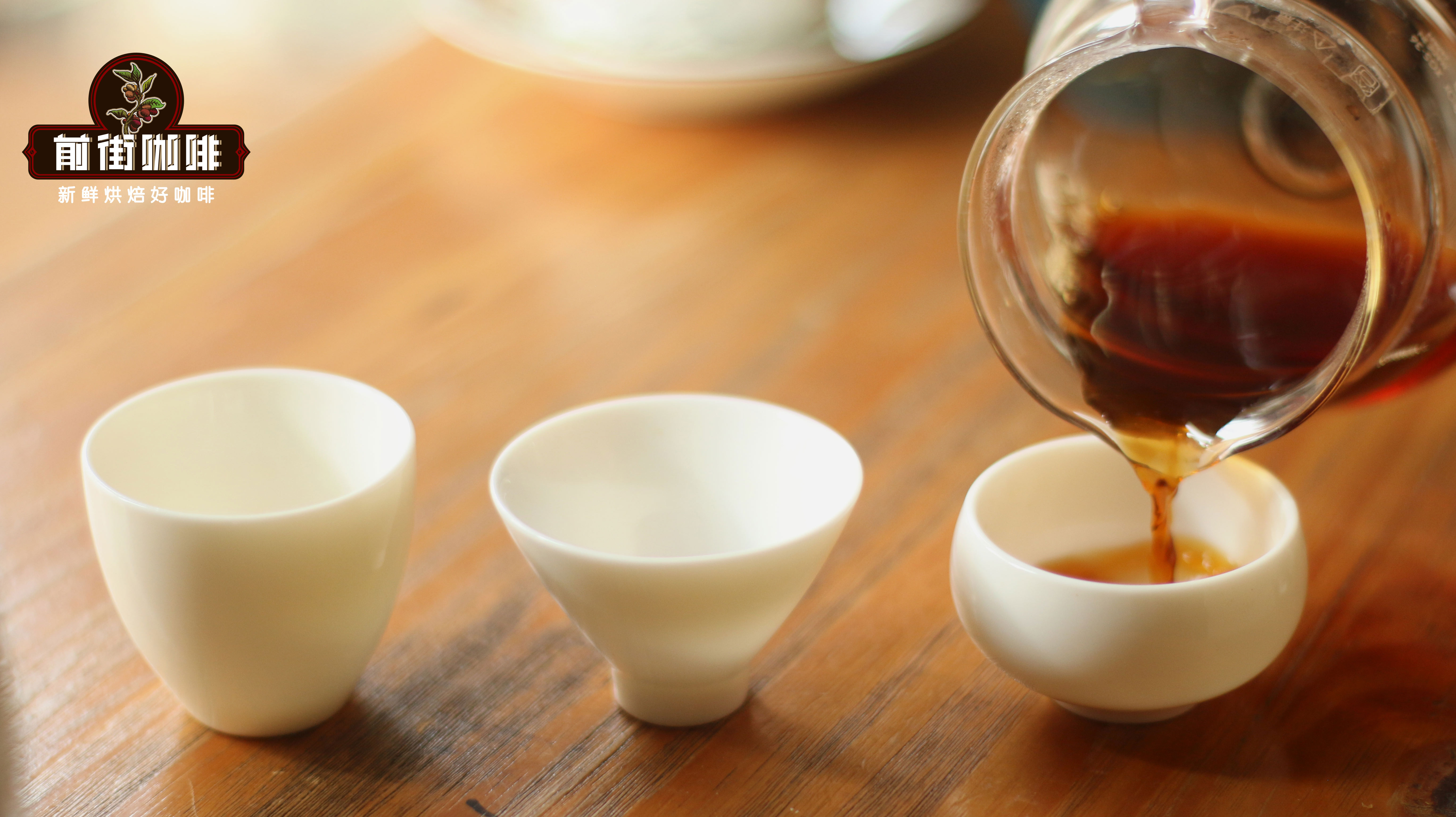
The Flavor Differences Between Natural Sidamo Huakui and Washed Yirgacheffe, and an Analysis of Sidamo Coffee Prices
Ethiopia is a brilliant jewel of specialty coffee, with the two major producing regions of Sidamo and Yirgacheffe each boasting their own distinctive charm. This article systematically compares the differences between natural Sidamo (represented by Front Street Coffee's Huakui) and washed Yirgacheffe, from flavor and processing methods to variety traceability and grading classification, and also answers whether Sidamo coffee is expensive. You will learn about the origins and version evolution of Huakui coffee, the trademark disputes and terroir conditions of the Sidamo region, the essence of the Heirloom native variety, and Front Street Coffee's brewing recommendations. Whether you are a beginner enthusiast or a seasoned veteran, you will gain clear understanding and practical reference from it. [more…]
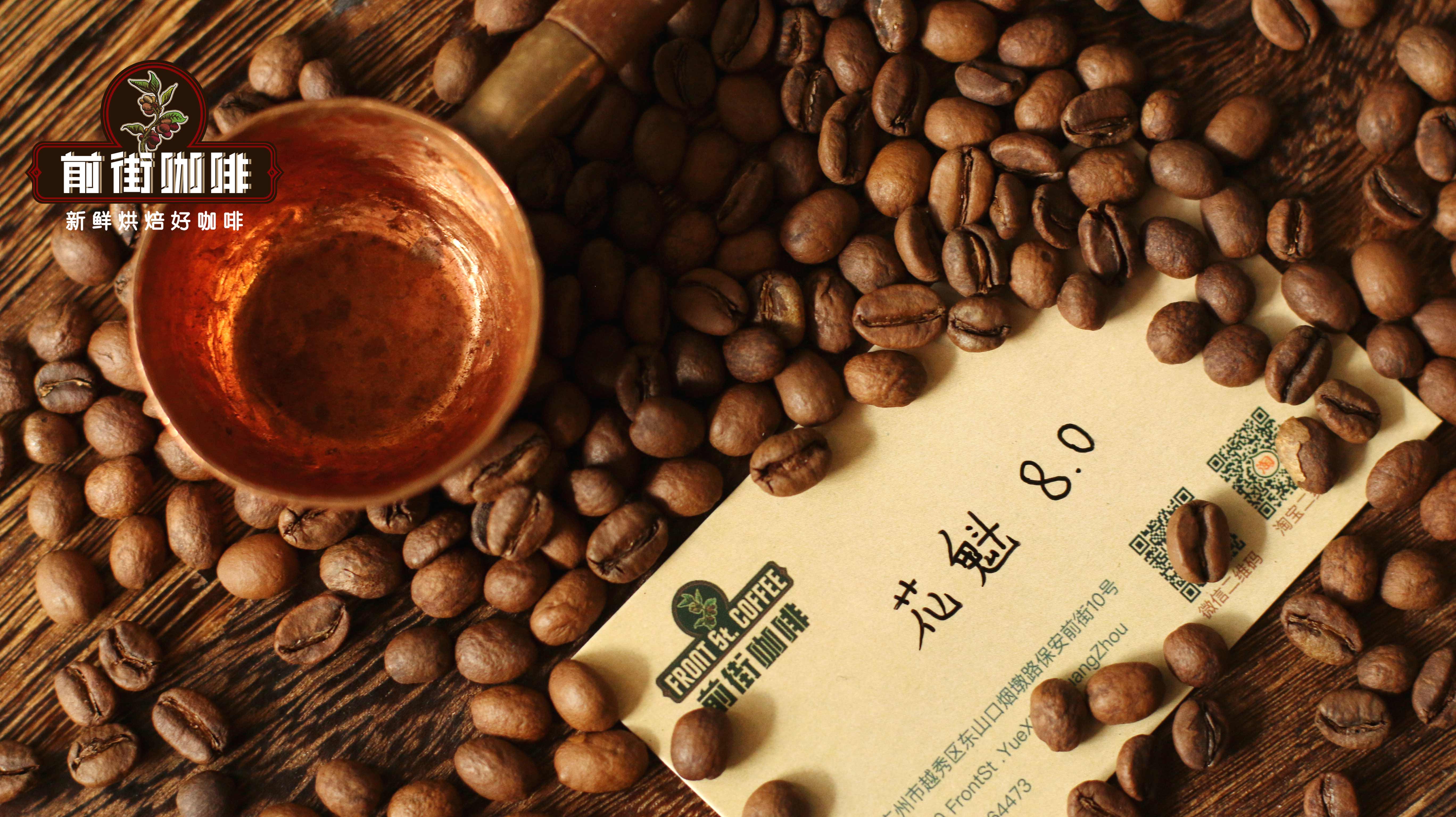
Where Do Sidamo Huakui Coffee Beans Come From? The Rise of the Guji Region and an Analysis of Flavor Differences from Yirgacheffe
As the birthplace of coffee, Ethiopia has a regional division far more complex than one might imagine. Huakui coffee beans have captured the hearts of many enthusiasts with their rich tropical fruit sweetness and delicate floral aroma, but their origin label has shifted from Sidama to Guji, and the two are even used interchangeably—behind this lies the story of Ethiopia's coffee region transformation. From the perspective of Front Street, this article sorts out the connections between Sidama, Guji, and Yirgacheffe, reviews the evolution of Huakui from its 2017 TOH championship to version 8.0, and provides a detailed explanation of the natural process at the Buku Abel processing station, a flavor comparison of each generation of Huakui, and Front Street's roasting and brewing recommendations. [more…]
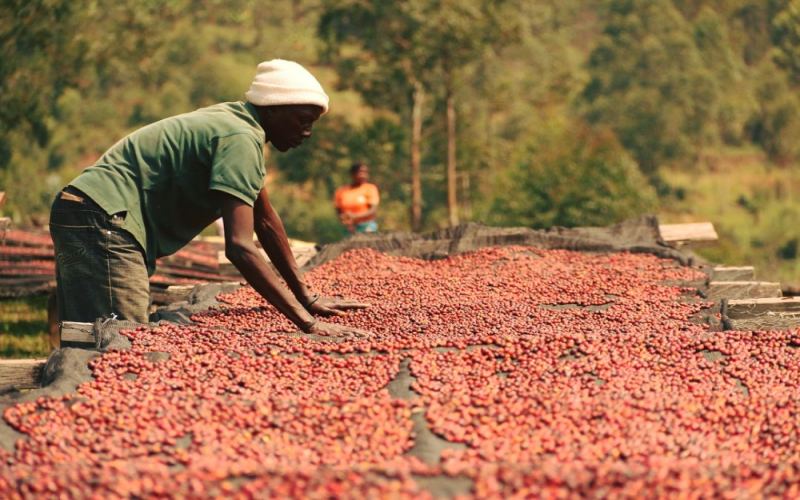
Ethiopian Natural Huakui Coffee Bean Flavor Analysis: How to Choose Between Light and Medium Roasts, Comparing Two Front Street Coffee Single Origins
Ethiopia is the birthplace of coffee. While the washed beans of Yirgacheffe are certainly a classic, natural processing is actually the dominant method in terms of local output, accounting for about seventy percent of the country's production. Huakui from the Sidama Guji region is precisely a representative of natural beans that combines both flavor and reputation. This article begins with the origin conditions and natural processing techniques behind Huakui, sorts through the sources of its floral, strawberry, dried fruit, honey, and juicy flavors, and then compares Front Street Coffee's light-medium roast Huakui with the medium roast Huakui SOE in terms of extraction methods and taste, helping you make the right choice among pour-over, cold brew, and espresso. [more…]
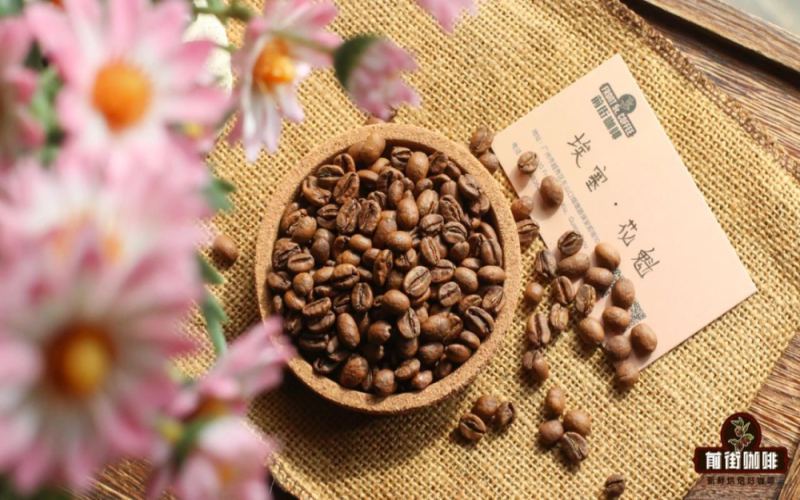
Ethiopian Sidamo Natural Huakui Coffee Bean Analysis: Can Medium-Roast Huakui Handle Moka Pot SOE?
Huakui coffee is a highly distinctive single-origin natural bean from Ethiopia, and with its explosive aroma and sweetness it once took first place in the natural category in the 2017 harvest season. It is produced in Hambela, in the Guji region, picked from all-red cherries, sun-dried on African raised beds, and fermented at low temperature for 21 days, so that when brewed its wine-like notes interweave with floral aromas. Front Street Coffee's natural Huakui G1 is freshly roasted and affordably priced, and its medium-roast version is just right for making SOE with a moka pot or an espresso machine. This article explains Huakui's background and flavor characteristics in detail, and demonstrates step by step the entire process of making a Huakui latte with a moka pot, from filling the basket and heating to steaming milk and pouring latte art, helping enthusiasts recreate a cup of high-sweetness espresso at home. [more…]
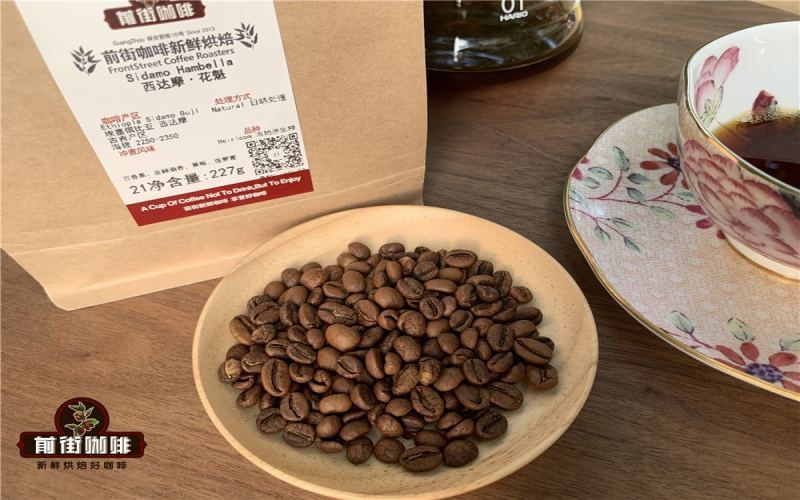
Ethiopia Guji Hambela Huakui Coffee Beans Flavor Analysis and Pour-Over Parameter Guide
Huakui coffee beans are a gem from Hambela in the Guji region of Ethiopia. With a stunning strawberry-cream flavor, they won the 2017 TOH competition and were subsequently named "Huakui" by a domestic green bean merchant. These beans come from the Buku Abel processing station and use the natural processing method. Fully red cherries with a sugar content above 30 are dried on African raised beds, creating a sweeter taste than other Sidamo producing areas. From 1.0 to 6.0, the Huakui series is updated every year, and the flavor has gradually evolved from intense strawberry to a full-bodied profile of citrus berries and mango juice. Front Street Coffee has long tracked each version of Huakui. This article will comprehensively sort out the origins and development of these beans for coffee lovers, from producing-area background, processing techniques, and variety characteristics to version distinctions, brewing suggestions, and flavor descriptions. [more…]

Floral Queen Natural G1 Flavor Analysis: Mouthfeel Differences Between Espresso, Americano, and Latte, and Key Points for SOE Preparation
Front Street Coffee's Huakui coffee, with its distinct fruity aroma profile, has become a daily choice for many coffee lovers. This naturally processed bean from the Buku Abel washing station in Hambela, Ethiopia, once won the natural category championship at the TOH green bean competition with its rich berry aroma and creamy texture, and was subsequently introduced to the domestic market and named "Huakui." It adopts the traditional natural process, sun-dried on raised beds for 21 days with manual removal of defects, ultimately presenting a full, three-dimensional fruity aroma with sweet-and-tart texture. Front Street's natural Huakui is G1 grade, with an extremely low defect rate. This article will focus on adjusting the extraction parameters for Huakui SOE, analyzing its flavor performance when made into espresso, americano, and latte, and offering specific recommendations for home brewing. [more…]
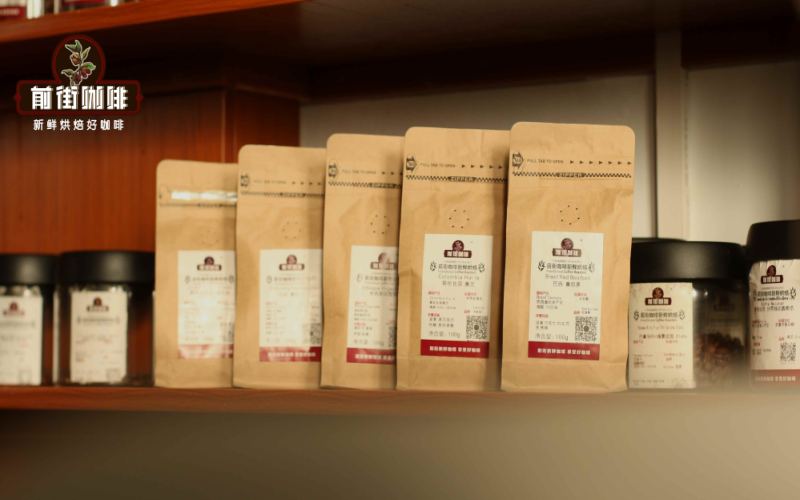
Introduction to Hambela Guji Huakui | What makes Ethiopian natural G1 Huakui coffee beans so good? How should beginners choose the must-buy Huakui single-origin beans?
Huakui, a single-origin coffee whose very name already evokes a rich, fragrant aroma. Like other Ethiopian coffees, it comes from the southwestern highlands and is a high-quality natural-process coffee from the Hambela region, with pronounced floral and tropical fruit flavors that leave you lingering in that wonderful aftertaste. Huakui also [more…]
The Naming Origin of Huakui Coffee Beans and Their Relationship with the Sidamo Guji Region: From TOH Champion to Version Evolution
In recent years, Huakui coffee beans have risen to fame in the specialty coffee world, and are even regarded as an Ethiopian representative capable of rivaling Geisha. However, many enthusiasts remain confused about why it is called "Huakui," whether it belongs to the Sidamo region, and what differences exist among the various versions from Huakui 2.0 to 6.0. This article, from the perspective of Front Street, systematically sorts out the naming origins of Huakui, its regional affiliation, processing methods, and version evolution, and combines these with the actual cupping performance of Front Street Huakui 6.0 to present the true character of this coffee bean. Whether you are just encountering Huakui or want to gain a deeper understanding of the patterns in its flavor changes, you will find clear and professional answers here. [more…]
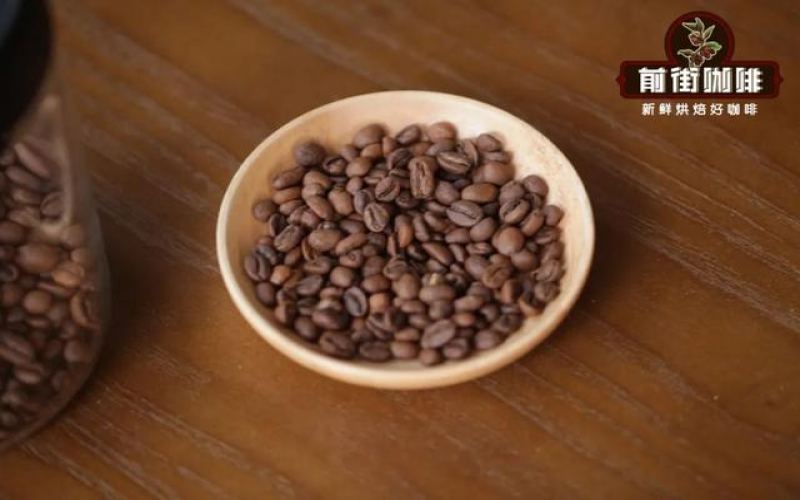
Sidamo Huakui vs. Yirgacheffe Flavor Comparison: How Natural and Washed Processing Shape the Taste Differences of Ethiopian Coffee
Ethiopia is the holy land of specialty coffee, but many people have misconceptions about its processing methods. Washed Yirgacheffe is not the entirety of Ethiopian coffee; natural processing is the oldest tradition of this land. This article will guide you through the naming origins of Sidamo Huakui coffee, the terroir of its producing region, and its natural processing technique, while comparing the essential flavor differences between natural and washed processing methods. At the same time, Front Street Coffee will share brewing parameters and techniques for Huakui coffee to help you better showcase the layers of this bean. Whether you are a beginner just getting into specialty coffee or a seasoned enthusiast wanting to understand the differences in Ethiopian bean processing methods, this article can provide valuable information. [more…]
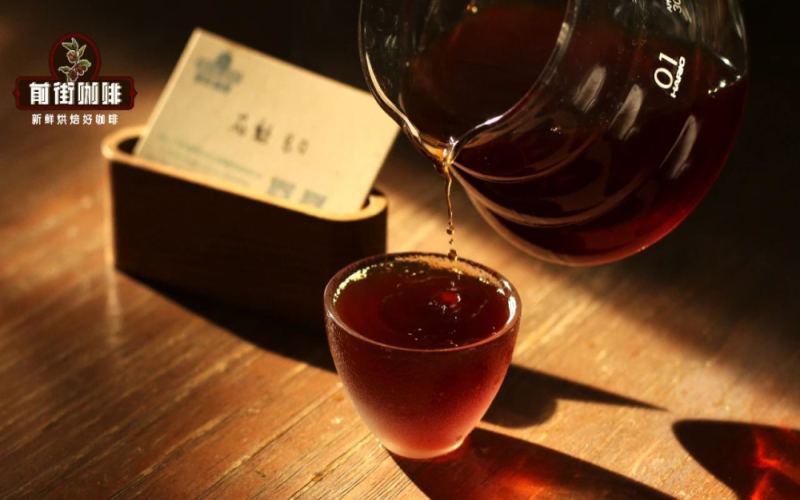
A Comprehensive Analysis of the Naming Origin, Regional Evolution, and Pour-Over Flavor Characteristics of Ethiopian Huakui Coffee Beans
Huakui coffee beans have been one of the most talked-about Ethiopian specialty coffees in recent years, and their name comes from winning the 2017 TOH green bean competition. These beans are produced at the Buku Abel processing station in Guji Hambela, and they have won the favor of coffee lovers worldwide with their natural G1 grade and rich floral and fruity notes. As market demand has grown, DW has successively added processing stations, and Huakui has also spawned different annual batches such as 2.0, 3.0, 4.0, and 5.0, each with distinct flavor differences. Front Street Coffee has long tracked and cupped each batch of Huakui, and this article will provide a complete presentation of the flavor evolution and tasting points of these beans, from the naming story, origin tracing, and processing techniques to roasting curves and brewing parameters, offering coffee lovers a detailed reference. [more…]