







What Does Arabica Coffee Mean for Huakui Beans?
Huakui is an Ethiopian natural arabica coffee that won the 2017 TOH competition, known for strawberry-cream smoothness, rose fragrance and tropical fruit fermentation notes. Beans sold today are labeled Huakui 6.0 and Small-Bean Huakui, and they differ from the 2017 champion batch because coffee is an agricultural product whose flavor shifts with climate, soil and season.
The producer, DW Green Bean Company, uses the X.0 naming to mark harvest years, so 2018 production is Huakui 2.0 and 2022 is Huakui 6.0. Later lots keep a juicy body and black tea-like sweetness even without the impact of 2017. The name Huakui is a Chinese market label, which is why it does not appear on foreign coffee lists.
Since winning the TOH competition in 2017, Huakui coffee beans have become a hot topic in the specialty coffee circle, impressing with their strawberry-cream smoothness, rose fragrance, and tropical fruit fermentation notes. But many enthusiasts will notice that today's Huakui on the market is divided into Huakui 6.0 and Small-Bean Huakui—how do they differ from the 2017 champion batch? Why can't you find the name "Huakui" abroad? This article will comprehensively sort out the origins and development of Huakui coffee beans from the perspectives of producing region, processing station, variety, processing method, and brewing suggestions, and share Front Street Coffee's roasting and brewing insights, to help you more fully understand this outstanding value-for-money Ethiopian natural bean.
I believe many friends who have just stepped into the world of specialty coffee have heard of the famous "Huakui coffee beans." In 2017, it won first place in the TOH competition, and was later selected by a Chinese barista for a competition and won the championship. That year, Huakui's spotlight even overshadowed Geisha, leaving an unforgettable impression on countless people who tasted it.
The key to Huakui's rapid rise to fame lies in the extremely charming flavor profile of that 2017 TOH Natural Group champion bean: it enters the mouth as smooth as strawberry cream, accompanied by rose fragrance and tropical fruit fermentation notes. Although Huakui X.0 from later harvests could not replicate the stunning impact of 2017, it still maintained a full-bodied juice-like texture and black tea-like sweetness, and with its affordable price, it made many beginners realize for the first time—coffee is not only bitter, it can also be as fresh and pleasant as fruit tea.
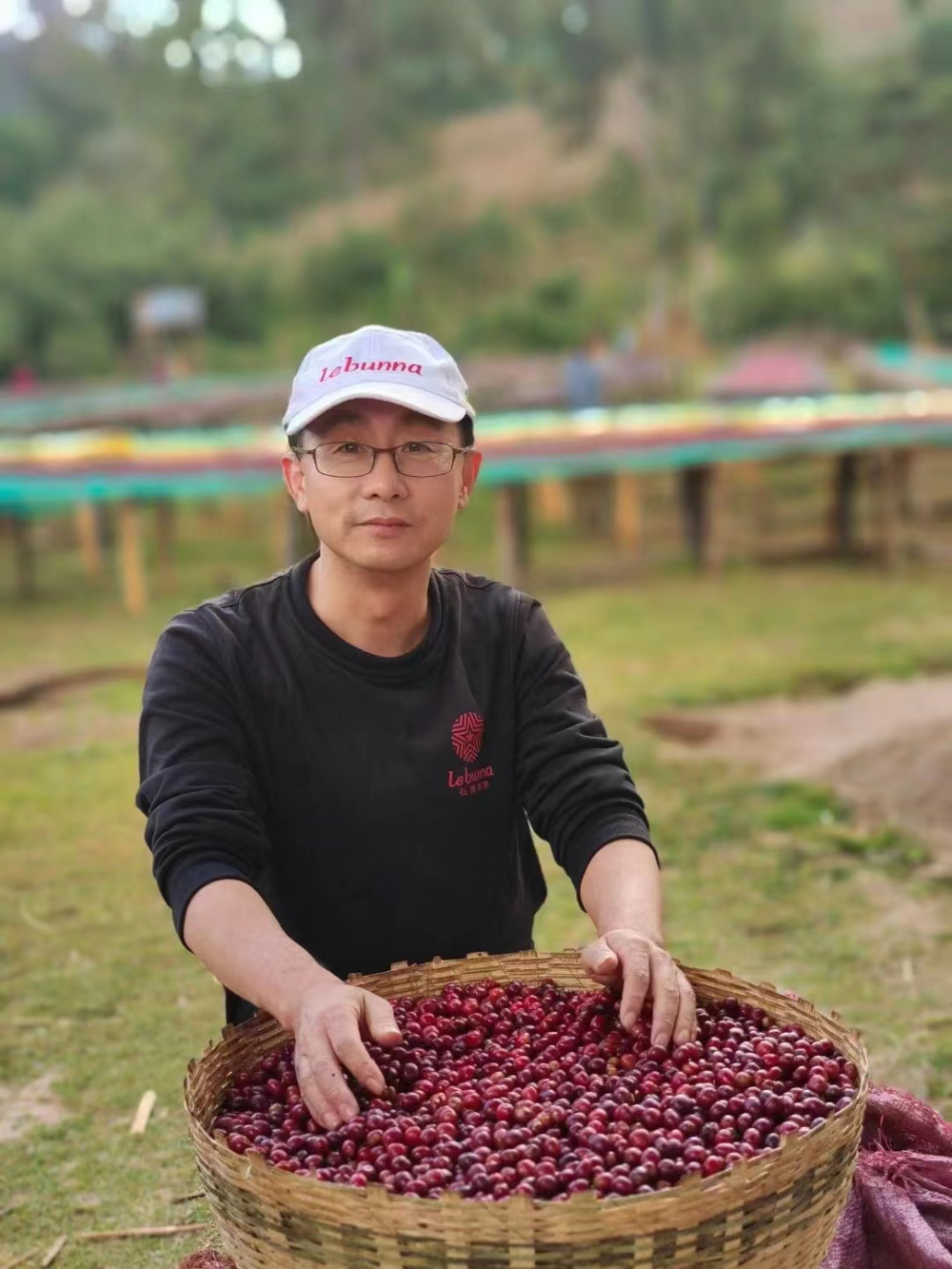
"So isn't the Huakui X.0 on the market now the same thing as the 2017 Huakui?" Indeed, it is not the same. Coffee is ultimately an agricultural product, and the growth and flavor formation of the fruit are affected by multiple factors such as climate, soil, and environment. One year of outstanding flavor does not mean it can be the same every year. Therefore, DW Green Bean Company, which launched Huakui, adopted the X.0 naming method to distinguish different harvest seasons: 2018 production is Huakui 2.0... 2022 production is Huakui 6.0.
"Why can't you see this bean called Huakui abroad?" Because "Huakui" is a name given by Chinese people. Abroad, it is usually called Hambella region Natural processed coffee beans. After winning the championship in 2017, DW Company added processing stations in Dimtu, the core producing area of Hambella, including "Buku Abel," "Buku Saysay," "Haro Soresa," and "Tirtiro Goye," with an annual output of about 1,100 tons. If we look at the growing regions and processing stations, among these estates and processing stations, only coffee beans from the area under the "Buku Abel" processing station cover that small producing area that originally produced the Natural "Huakui."
Among the Hambella region coffee beans of each new harvest season, strictly speaking, only the Natural Ethiopian heirloom varieties produced by the Buku Abel processing station can be called "Huakui X.0." When FrontStreet Coffee cupped each year's new-season Huakui, it found that Huakui X.0 from later harvests indeed fell short of 2017 in overall body and aftertaste. However, among some smaller beans from Hambella's Buku processing station in 2018 and 2019, Front Street tasted a flavor similar to the 2017 Huakui.
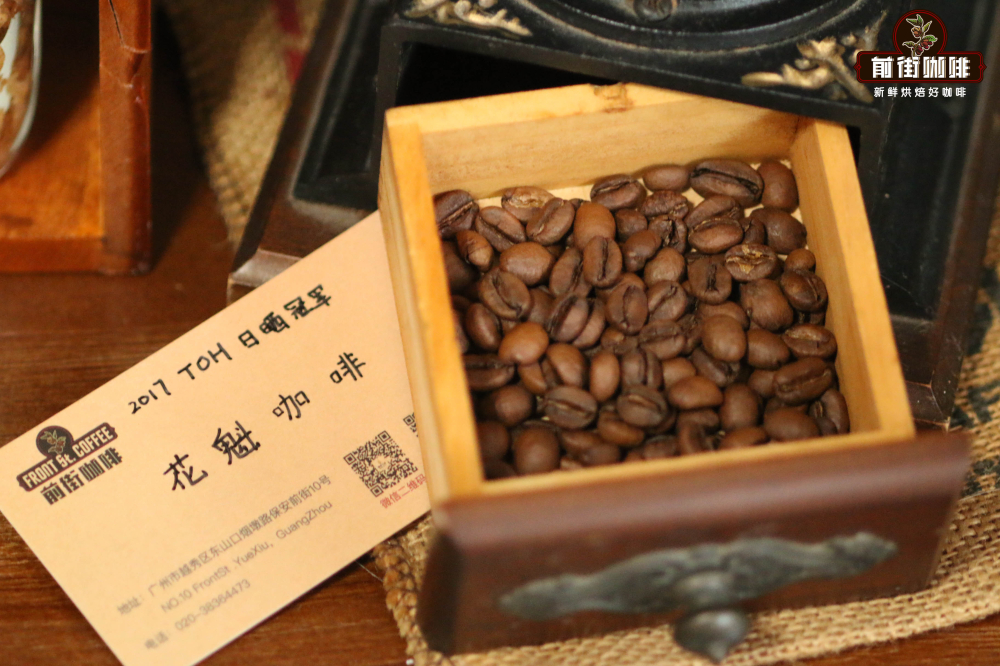
By comparing different batches, Front Street realized that the main source of Huakui's aroma in 2017 was precisely those especially small bean varieties. These small beans were not large in quantity—among ten sacks of Huakui X.0, only a few sacks contained mixed small beans. After cupping in both 2018 and 2019, FrontStreet Coffee confirmed that the main source of Huakui's aroma was these small-bean Huakui, and informed the green bean merchant of this finding. Thus, starting in 2020, Huakui was divided into two types: 4.0 and Small-Bean Huakui, and Small-Bean Huakui does not belong to the [X.0] series. Similarly, the two beans in 2022 were named Small-Bean Huakui and Huakui 6.0 respectively.
At this point it can be understood that "Huakui" is merely a name given by domestic green bean merchants; in reality, it is the Natural heirloom variety from Hambella's Buku processing station. Ethiopian heirloom is not a specific variety. As the birthplace of coffee varieties, Ethiopia is extremely rich in coffee varieties, like a natural gene bank of Arabica. On the one hand, the varieties are numerous and difficult to identify and classify; on the other hand, the Ethiopian government, for protection reasons, is unwilling to disclose variety information, so they are collectively called Ethiopian heirloom.
Because the varieties are complex, local farmers often plant and harvest them mixed together, so Ethiopian heirloom beans vary in size. This also explains why the same batch of Huakui X.0 contains a portion of smaller coffee beans.
The Natural processing method is one of the most traditional ways of processing coffee beans: the harvested and selected coffee cherries are dried whole in the sun until the moisture content drops to about 13%, and then the skin, pulp, and mucilage are removed. During drying, the sugars in the pulp and mucilage ferment at high temperatures, and part of the sugars and fermentation aromas are transferred into the coffee beans. Therefore, FrontStreet Coffee believes that Natural processed coffee beans usually have obvious sweetness and a pleasant light fermentation aroma.
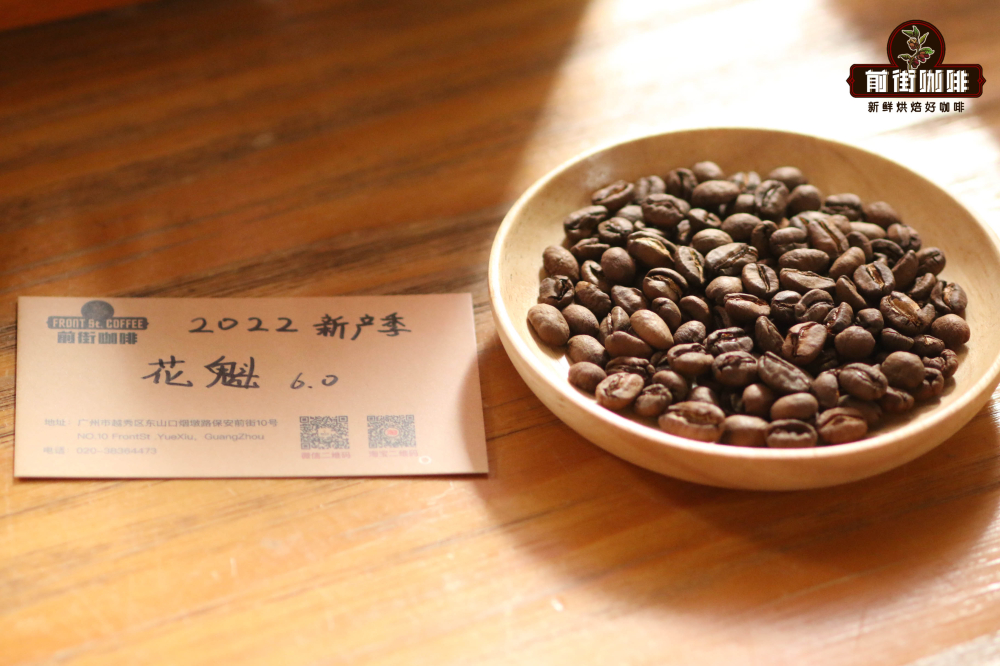
When roasting Huakui, in order to highlight its floral and fruity aromas, FrontStreet Coffee's roasters use a light roast. In this way, the structure of the coffee beans does not change much. In addition, the large diurnal temperature difference brought by the high altitude of Ethiopia's Hambella region extends the coffee beans' growth cycle, making the bean structure denser and the texture harder, so flavor substances are not easily released during extraction.
Therefore, FrontStreet Coffee recommends using a medium-fine grind when brewing Huakui coffee beans (75%-80% passing rate on China's No. 20 standard sieve), a water temperature of 90-91°C, and a coffee-to-water ratio of 1:15. Once ready, use a three-pour brewing method: start timing, pour water for the first time to 30g, and let it bloom for 30 seconds; then for the second pour, use a small stream and pour in circles to 125g, and after the water level in the coffee bed drops by half, pour again, continuing with a small stream in circles to 225g, and after all dripping is complete, the total extraction time is about 2 minutes 20 seconds to 2 minutes 30 seconds.
FrontStreet Coffee Small-Bean Huakui coffee bean flavor: passion fruit, fermented wine aroma, strawberry, jackfruit, black tea.
For professional coffee knowledge exchange and more coffee bean information, please follow Coffee Workshop (WeChat public account cafe_style)
For more specialty coffee beans, please add the private WeChat of FrontStreet Coffee, WeChat ID: qjcoffeex
The above content is compiled by CoffeeHunters, a coffee news website.


