







What makes Huakui coffee distinct from Geisha?
Huakui is not Geisha. It refers to a natural-process Ethiopian coffee from the Buku Abel processing station in the Hambella area of Guji, sold in full as Ethiopia Guji Hambella Buku Abel. Since its 2017 debut it became known for a strawberry-cream aroma that made it a standout in floral and fruity fine coffee.
The latest batch, Huakui 8.0, marks the eighth harvest season and keeps the version numbering the producer uses each year. Huakui and Geisha get confused because the translated names sound alike and both sit among floral, fruity lots, yet they come from different varieties, regions and processing routes.
Friends who enjoy coffee with fruity acidity are certainly familiar with Front Street Ethiopia Sidamo Huakui. Since its debut in 2017, this bean has gone through eight harvest seasons, and the latest batch has been named "Huakui 8.0" as usual. Many people new to specialty coffee often confuse Huakui with Geisha, and some even think Huakui is top-tier Geisha, but in fact the two are completely different. This article will start with Huakui's origin background, the story behind its name, and the meaning of its version numbers, then combine that with the actual brewing performance of Front Street Ethiopia Sidamo Natural Huakui 8.0 to give you a comprehensive understanding of this champion bean's past and present, as well as what its signature "Huakui flavor" really is.
On Front Street's bean list, Front Street Ethiopia Sidamo Huakui has long held a firm place on the daily-drinker list of fruity-acidity coffee lovers. Without realizing it, this bean has already passed eight years, and the latest harvest-season batch continues the previous numbering convention, listed under the name "Huakui 8.0." For die-hard fans, tasting the new-season Huakui has almost become a ritual. So how does this year's Huakui 8.0 actually taste? Does it still carry the familiar "Huakui flavor"? Next, follow Front Street's perspective as we look back together on this little story about Huakui.
What exactly does Huakui coffee refer to?
What Front Street Sidamo Huakui refers to is a natural coffee bean produced in Ethiopia's Hambella region, with the full English name "Ethiopia Guji Hambella Buku Abel." Broadly speaking, it belongs to the champion bean of Ethiopia's Guji region; more specifically, it is a natural-process batch finished by the smaller Buku Abel processing station in Hambella. In sharp contrast to Geisha's winding road to fame, Front Street Sidamo Huakui swept through specialty cafés with its highly recognizable strawberry-cream aroma from the moment it appeared in 2017, one could say it reached the top as soon as it debuted.
Because the Chinese translated names sound quite similar, and because both are standout representatives among floral-and-fruity coffees, many newcomers mistakenly think Huakui is Geisha, or conversely mistake Geisha for Huakui, and there is even a saying circulating that "Huakui is top-tier Geisha." But in fact, these are two completely different concepts.
How did the name "Huakui" come about?
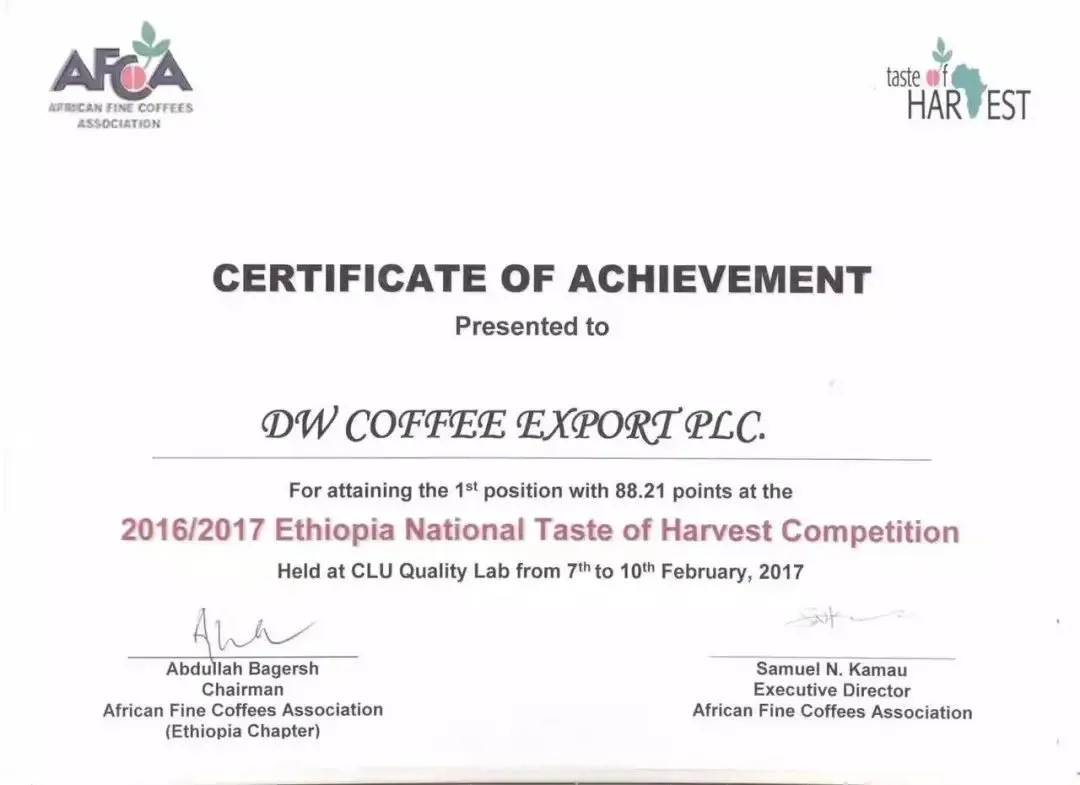
Before it was called "Huakui," it was actually a competition-level award-winning Ethiopian bean. In February 2017, Ethiopia's DW Coffee Company entered the green bean competition TOH (Ethiopia National Taste of Harvest competition) held by the African Fine Coffees Association, submitting a natural coffee bean from the Buku Abel processing station in the Sidamo region. With its intense berry fragrance and creamy mouthfeel, this bean won the championship in that year's natural category.
In the same year, this champion batch was noticed by a green bean trader in Beijing. Because it carried the halo of a champion, the trader named it "Huakui" and brought it to the domestic market, taking the meaning of "chief of a hundred flowers, outshining all others." Later, this Huakui was chosen by a competitor in the China Coffee Brewing Championship as a competition bean, defeating several opponents using Geisha on stage and ultimately taking second place, which was the first time Huakui truly became famous in China.
As the event's popularity continued to rise, this traditional natural bean from the Buku Abel processing station successfully "debuted." Combined with its affordable price and appealing flavor, it was quickly regarded by people in the industry as one of the representatives of high-quality Ethiopian coffee.
What does the [X.0] after Huakui mean?
Generally speaking, coffee bean naming follows patterns, and once determined, it is not easily changed—for example, Geisha refers to a variety, Blue Mountain refers to a origin, and Gutingting refers to a processing station. But this Front Street Huakui from Ethiopia's Sidamo region is especially unique, just like Apple's iPhone, it has to carry a new "version number" every year before it can go on sale. Why is that?
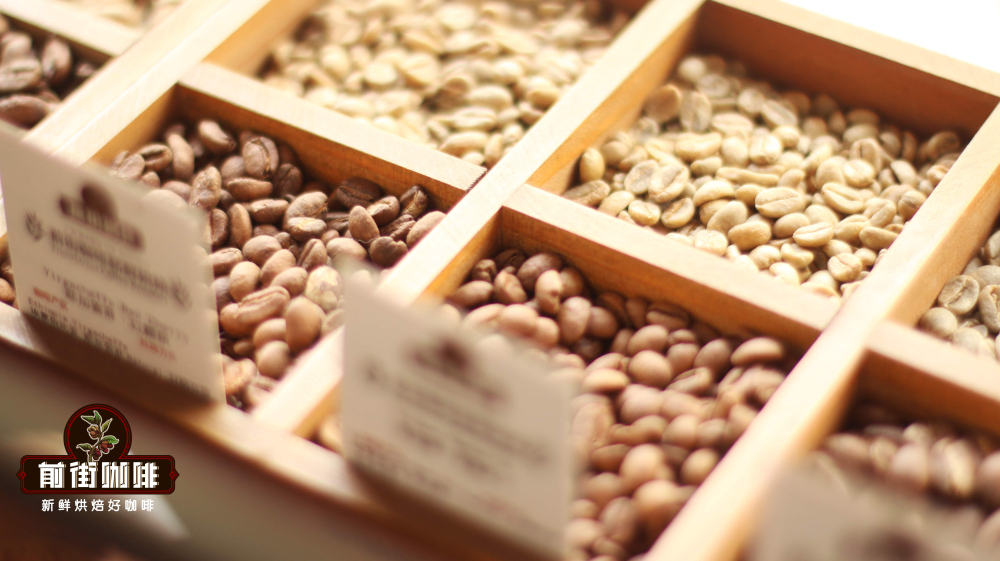
In fact, before this bean was called "Huakui," it had only one English name, "Hambella," translated into Chinese as "Hanbeila." In other words, what we call "Huakui coffee" is essentially a traditional natural G1 coffee bean from the Hambella region, and the "Buku Abel" processing station is its more detailed traceability information; this processing station is located in Dimtu town.
Every year during the coffee harvest season (December to January of the following year), the Buku processing station organizes farmers to pick fully red coffee cherries, and the brix value must reach above 30. The selected coffee fruits are spread on African raised beds to dry. Because the local temperature difference between day and night is huge, coffee farmers shade the sunlight at noon to avoid excessive fermentation caused by too-high temperatures; at night, to prevent sudden showers, they wrap the fruits with plastic sheeting. Turning them continuously throughout the day not only allows the fruits to dry evenly, but also prevents sunburn or unpleasant fermented flavors. After about 18 days of natural processing, the moisture content of the green coffee beans drops to around 13%, and then the husk can be removed by machine.
After "Huakui" became famous overnight, in order to meet surging market demand, DW Company added five independent green coffee bean drying processing stations in Hambella Wamena Wereda, all located within the core production area of Dimtu town. In addition to the original Buku Abel, four small villages—Buku Saysay, Haro Soresa, Tirtiro Goye, and Seke Bokosa—also joined the production of natural coffee beans. It is said that at this point, DW Company's annual production of "Huakui" had already reached tens of millions of tons.
Starting from the 2018 harvest season, Huakui from the same growing origin and processing station (Front Street Ethiopia Sidamo Natural G1 coffee beans) had already shown some changes in flavor. Through cupping, Front Street found that although the 2018 and 2019 Huakui still carried a "natural Sidamo flavor" similar to the 2017 Huakui, they were slightly inferior to the "first-generation Huakui" in mouthfeel dimensions such as body and aftertaste.
Therefore, in order to continue selling this natural coffee from Hambella while distinguishing it from the original version, domestic green bean trading companies calculated forward from 2017 and added an X.0 suffix to each subsequent year's batch. For example, the 2018 batch was called "Huakui 2.0," the 2019 batch was called "Huakui 3.0 and 3.1"... last year's release was "Huakui 7.0," and so on. In this way, we can use this suffix to determine which year's product the Huakui we bought belongs to, and whether it is the latest batch.
What exactly is "Huakui flavor"?
Looking at the name Huakui literally, it is easy to think it is a coffee with a rich floral aroma. The actual situation is not like that—Huakui's floral note is not especially strong; instead, its fruit aroma stands out particularly, such as creamy strawberry, mango, jackfruit, citrus, blueberry, and so on, carrying the ripe tropical fruit character unique to Front Street Sidamo natural beans, so it always leaves a deep impression. What won "Huakui" first place in the TOH green bean competition back then was precisely this rich berry fragrance.
However, everyone knows that coffee is essentially an economic crop. That year's yield and quality are first affected by factors such as climate and rainfall, altitude and soil, fertilization and weeding, and then different flavor directions appear because of differences in processing details (sunlight duration, temperature, humidity). Huakui is naturally no exception. So each year's Huakui will differ more or less in taste compared with the previous year.
So, how does this year's Huakui 8.0 taste?
A few days ago, the Front Street Ethiopia Sidamo Natural Huakui 8.0 that Front Street ordered finally arrived. Since it is fresh, and we had waited a whole year, of course we had to taste it carefully. In order to showcase the refined floral and fruity flavors of the Sidamo region while retaining the coffee's caramelized aroma, Front Street's roaster used a medium-light roast to present this Front Street Sidamo natural bean.
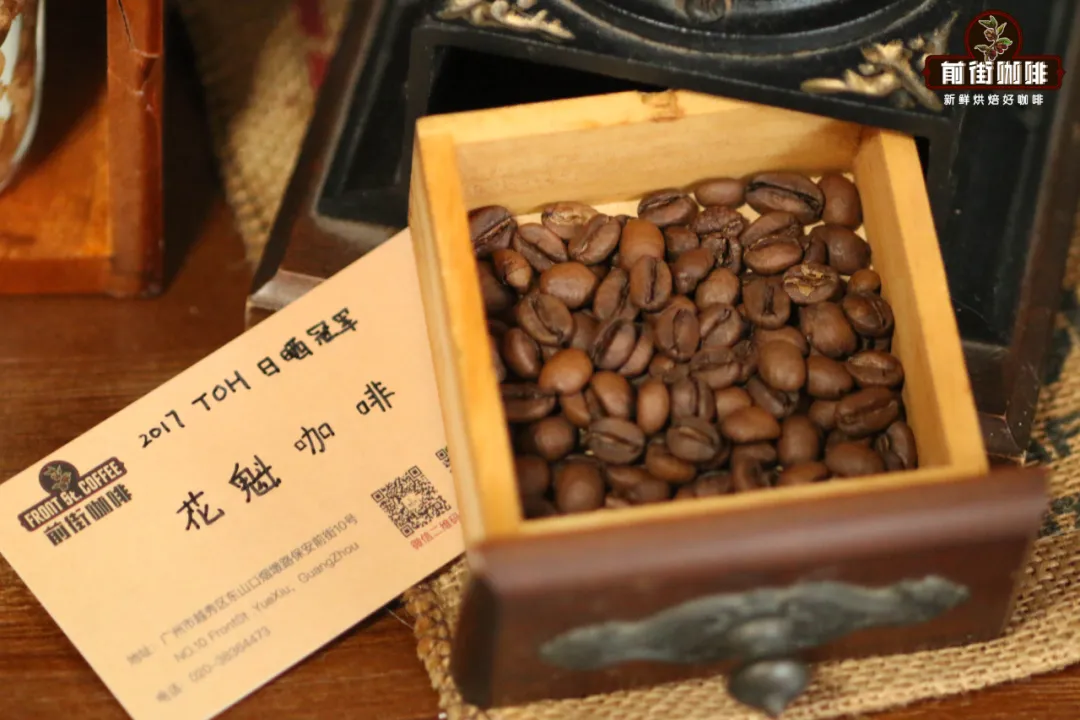
Front Street Coffee · Sidamo Huakui 8.0 Coffee Beans
Flavor: floral, jackfruit, dried fruit, apricot peach, juicy
In the dry aroma stage, the new-season Front Street Huakui 8.0 already showed a more intense fruity character than Front Street Huakui 7.0, with a dense aroma woven from guava, jackfruit, apricot peach, dried fruit, citrus, and pink florals. After hot water is poured, honey, berry, and chocolate sweetness can also be smelled.
Through slurping, Front Street first perceived in this Front Street Huakui 8.0 the interwoven sweetness and acidity of multiple fruits such as dried mango, jackfruit, orange, and passion fruit, with a clear juicy quality and a rounded mouthfeel. As the temperature drops slightly, the delicate sweetness of white peach and the bright acidity of berries begin to be released, and after swallowing, one can experience a sweet aftertaste similar to drinking black tea, with very rich layers.
FrontStreet Coffee Barista Brewing Parameters Shared
Dripper: V60
Water temperature: 91-92°C
Dose: 15g
Coffee-to-water ratio: 1:15
Grind size: fine granulated sugar size (sift to 80% with a No. 20 sieve)
For the first pour, add 30g water for a 30-second bloom, starting the timer as you pour, using a slow stream from the center point outward in circles throughout, and make sure to wet the entire coffee bed.
After 30 seconds, begin steadily pouring the second stage of 95g water with a slightly stronger stream, aiming to lift the entire coffee bed; the water column should be poured vertically and evenly. At this point the timer scale shows 125g, and the pour is finished in about 55 seconds.
When the liquid level drops to the halfway point, begin using a slow stream in small circles to pour the third stage of 100 grams, trying to control the circles so they are not too large, otherwise it is easy to disturb the coffee bed and cause underextraction. The final total poured water is 225 grams, and the drip completion time is about 2 minutes.
The above content is compiled by CoffeeHunters, a coffee news website.


