







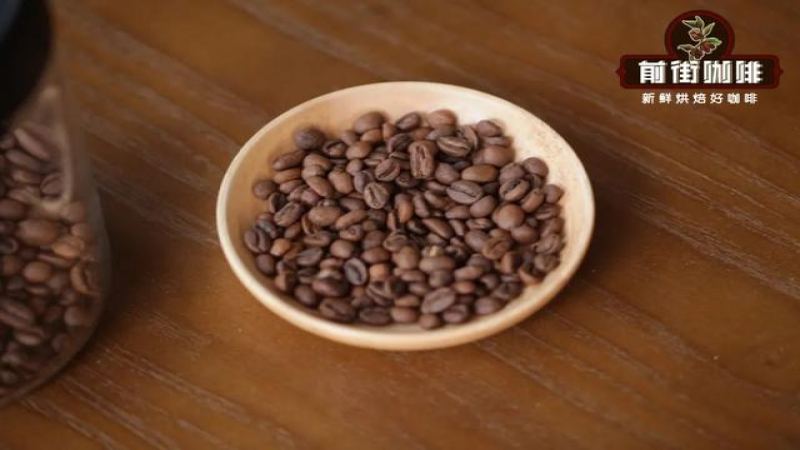
Why does Yirgacheffe taste different from natural Sidamo Huakui?
Yirgacheffe is widely associated with washed processing, but the region originally used natural methods, and Ethiopia only adopted washed technology from South America in 1972. That shift made Yirgacheffe's jasmine florals and citrus acidity clearer, while natural processing remains the older tradition and is represented today by Sidamo Huakui from Hambella.
Huakui takes its name from a 2017 win at the TOH competition run by the African coffee association. A natural lot from Ethiopia's DW Green Bean Company took the Ethiopia championship, and the name was later carried into the Chinese market. Not every bean from Hambella qualifies as Huakui, so origin alone does not guarantee the flavor profile.
Ethiopia is the holy land of specialty coffee, but many people have misconceptions about its processing methods. Washed Yirgacheffe is not the entirety of Ethiopian coffee—natural processing is the oldest tradition of this land. This article will guide you through the naming origins of Sidamo Huakui coffee, the terroir of its producing region, and its natural processing technique, while comparing the essential flavor differences between natural and washed processing methods. At the same time, Front Street Coffee will share brewing parameters and techniques for Huakui coffee to help you better bring out the layers of this bean. Whether you are a newcomer to specialty coffee or a seasoned enthusiast wanting to understand the differences in Ethiopian bean processing methods, this article offers valuable information.
Do you all assume that Ethiopian coffee beans must be processed using the natural method? Actually, many people have a misconception about Yirgacheffe. Front Street would like to clarify: Yirgacheffe originally used the most traditional natural processing method, but early natural coffee beans were typically spread directly on the ground to dry, making them prone to absorbing off-flavors like dirt and dust. Combined with inadequate sorting processes, the overall quality of natural beans was inconsistent. In 1972, in order to improve coffee quality, Ethiopia introduced washed processing technology from South America. This change made Yirgacheffe's jasmine floral notes and citrus lemon brightness clearer and more transparent, propelling it into the ranks of the world's specialty coffees. If the representative of washed processing is Yirgacheffe, then the representative of natural processing is Sidamo's Huakui coffee.
The name Huakui sounds like "Queen of Flowers"—a beautiful name. How did it come about? Front Street has learned that in 2017, Ethiopia's DW Green Bean Company submitted their coffee beans to the TOH (the Taste Of Harvest) competition organized by the African Coffee Association, and their natural lot won the TOH Ethiopia championship. This lot of green beans, as the champion, was named "Huakui." A green bean company in Beijing, China—Hongsun Company—introduced Huakui coffee to China and named it "Huakui," expressing high expectations. Many people mistakenly assume that any coffee bean produced in Hambella is Huakui coffee, but that is not the case. Only natural coffee beans produced at Buku Abel Estate are Huakui coffee beans. For this reason, Buku Abel is also known as "Huakui Estate."
Sidamo Guji Producing Region
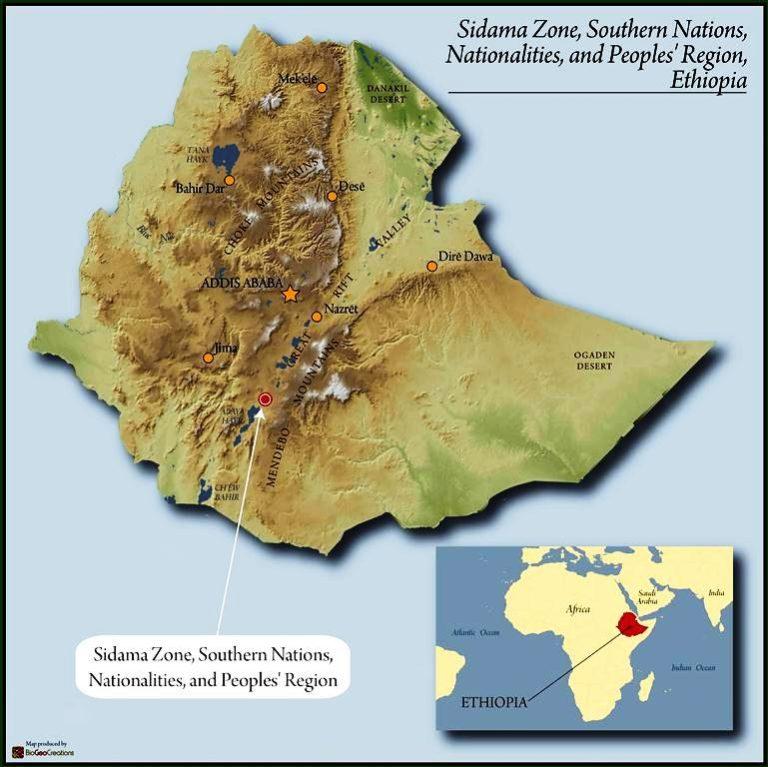
Coffee is also a type of agricultural crop, so flavor variations are closely related to climate and environment. Sidamo's coffee flavors are very diverse—different soil types, microclimates, and countless native coffee varieties create distinct differences and characteristics in the coffee produced by each town. Huakui coffee beans come from the Guji producing region of Sidamo. The Sidamo region is located in southern Ethiopia, extending east to the Arsi and Bale administrative zones and west to the Gamogofa administrative zone. Sidamo coffee is cultivated at altitudes between 1400m and 2000m. The Guji producing region was once part of the Sidamo producing region, but in 2010 it was established as an independent new region by the Ethiopia Commodity Exchange (ECX). The Guji region is located southeast of Yirgacheffe and is an area with complex terrain including towering mountain ranges, valleys, and plains. The geology of this area consists of nutrient-rich black soil (Vertisol), with soil depth of nearly two meters and an average altitude above 1800 meters. The significant day-night temperature difference created by geographical characteristics gives the area all the terroir conditions needed to produce high-quality specialty coffee.
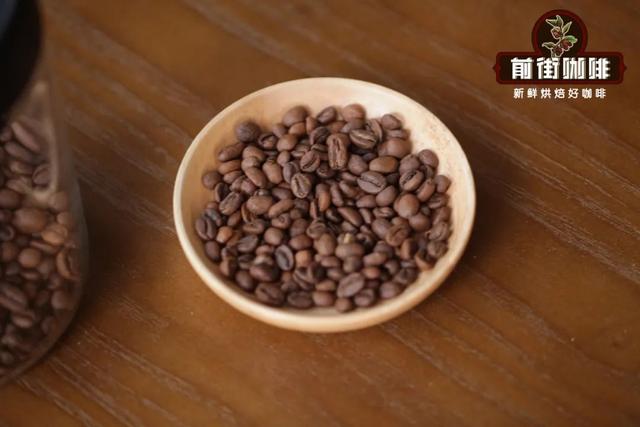
"Hambella" is located in Guji (GUJI), Ethiopia's largest coffee producing region, administratively under Oromia State. Hambella's western side faces Yirgacheffe's Kochore across the mountains, with a highland barrier about 30 kilometers wide and 3200 meters high between the two regions. It borders Guji's Shakiso, Uraga, and Kercha sub-regions to the southeast, north, and south respectively, and is Ethiopia's highest-altitude coffee sub-region (Harrar is Ethiopia's highest-altitude main producing region).
As coffee is an agricultural product, its flavor varies from year to year. Therefore, the coffee beans introduced by Hongsun Company from the "Buku Abel" processing station in the Hambella producing region—only coffee beans from the Hambella "Buku Abel" processing station are called Huakui coffee.
Hongsun Company distinguishes previous Huakui coffees by year and represents different lots or harvest seasons, naming them Huakui 2.0, Huakui 3.0, Huakui 3.1, Huakui 4.0, Huakui 5.0. Now that it's 2022, should this year's Huakui be called Huakui 6.0? Let's look forward to Huakui 6.0!
Huakui Coffee Natural Processing Method
Huakui coffee's berry, citrus, lemon, and tea-like flavors are also related to its processing method. This Huakui from Front Street Coffee (FrontStreet Coffee) also uses the natural processing method. The natural method in the Sidamo producing region is very meticulous: during the harvest period, only ripe coffee cherries are picked. After picking, the coffee cherries are uniform in size, similar in ripeness, and free of other impurities. During processing, strict hand-sorting is first carried out to remove defective beans. Then the coffee cherries are spread flat on raised wooden racks or entire drying beds for sun-drying to prevent the coffee cherries from developing mold or absorbing undesirable odors like dirt during the drying process. During sun exposure, they are constantly turned to ensure even drying so the coffee beans lose moisture uniformly. Every three to five days, farmers manually sort out defective and moldy beans. After the fruit skin dries and hardens, a hulling machine is used to remove the dried hard fruit skin. After obtaining green coffee beans, in pursuit of perfect flavor, farmers perform one final sorting.
The most essential difference between natural processing and washed processing lies in whether the coffee bean's flavor is affected by the fruit pulp. In washed processing, after selecting high-quality cherries, the skin and pulp are removed, then the beans are soaked and fermented in water tanks, and finally dried to about 12% moisture content. In natural processing, the cherries are directly dried to about 12% moisture content before the skin and pulp are removed. From the processing steps of both methods, the degree of pulp involvement is clearly evident. Washed processing better showcases the coffee bean's original flavor and is relatively cleaner and more transparent, while natural processing adds aroma and sweetness on top of the original flavor.
Front Street Coffee (FrontStreet Coffee) Brewing Recommendations
In order to fully extract Huakui's rich layers, Front Street uses a higher water temperature and a finer grind size for extraction. However, to avoid over-extraction caused by high temperatures, a faster-flow dripper such as the V60 is used. The V60 dripper has a 60° cone shape, and the conical angle allows the coffee grounds to concentrate together. When pouring water, the flow automatically converges toward the center of the dripper, ensuring sufficient contact time between water and coffee grounds, thereby extracting the appropriate coffee liquid. Additionally, the ribs on the inner wall of the V60 dripper extend clockwise in a spiral from the bottom to the top, creating enough space between the filter paper and the dripper for good water flow. Combined with the large hole at the bottom, the flow rate is relatively faster than many other drippers.
The specific brewing parameters used by Front Street are: V60 dripper, water temperature 90°C, water-to-coffee ratio 1:15, coffee dose 15g, medium-fine grind (80% passing through China's No. 20 standard sieve).
Front Street Coffee (FrontStreet Coffee) segmented extraction technique: First, use 30g of water to fully wet the coffee bed into a "hamburger" shape and bloom for 30s; for the second pour, at 1'00" on the timer, pour water until it reaches 125g, then stop and wait for the water level to drop to 2/3 of the coffee bed before pouring the third segment; for the third pour, at 1'40" on the timer, pour water until it reaches 225g, and wait for the coffee liquid to fully drip through—total extraction time is 1'59". Total brewing time is 2'00". After extraction is complete, gently swirl, and wait for the coffee liquid to be fully uniform before tasting.
Flavor Description
Natural Sidamo Huakui coffee flavor: light fermented wine aroma, heavier caramel notes, a much richer and more complex mouthfeel, honey sweetness, cocoa notes with some spice, full body and a lasting finish.
Washed Yirgacheffe flavor: jasmine floral and citrus acidity on the nose, lemon and grapefruit acidity with black tea notes on the palate, some cocoa notes in the finish, with a caramel sweet aftertaste.
For coffee brewing, Front Street always recommends that freshly roasted coffee beans better express the coffee's flavor. Therefore, the coffee beans sold by Front Street are all within 5 days of roasting. Front Street's roasting philosophy is "Freshly roasted good coffee," so that every customer who places an order receives the freshest coffee. The resting period for coffee is about 4-7 days, so when customers receive it, it is at its optimal flavor.
Of course, some customers need Front Street to help grind the coffee, and that's fine too. But Front Street reminds you that if coffee beans are ground in advance, they need to be brewed promptly. If already ground into coffee powder, there is no need for further resting, because during transportation, the pressure from carbon dioxide inside the packaging also makes the coffee flavor rounder. So once you receive ground coffee, you can brew a cup right away.
However, ground coffee oxidizes relatively quickly upon contact with air, meaning the coffee's flavor dissipates fairly quickly and the coffee won't taste as good. Therefore, Front Street recommends buying whole beans and grinding fresh for each brew, so you can better enjoy the coffee's flavor.
For professional coffee knowledge exchange and more coffee bean information, please follow Coffee Workshop (WeChat public account: cafe_style)
For more specialty coffee beans, please add the private WeChat of Front Street Coffee (FrontStreet Coffee), WeChat ID: qjcoffeex
The above content is compiled by CoffeeHunters, a coffee news website.


