







What does over-extraction mean in soe coffee brewing?
Over-extraction in pour-over coffee pulls out harsh, drying compounds and leaves the cup bitter and astringent. Pulse pouring, where water is added in several stages, can even out the bed and improve consistency. The article ties this to two classic Ethiopian regions and explains how washed Yirgacheffe and natural Sidamo differ in the cup.
Yirgacheffe is mostly washed, giving floral and lemon notes with a clean mouthfeel; Sidamo natural lots show berry and cream. The guide also covers the naming and version history of Huakui and Little Huakui, plus Front Street's bean list and a V60 recipe using 91°C water and a three-pulse pour.
What exactly does over-extraction mean in pour-over coffee? And can pulse pouring make coffee taste better? This article starts from two classic Ethiopian regions, first introducing the clean floral notes of washed Yirgacheffe and the berry-cream profile of natural Sidamo, then diving into the naming origins of Huakui coffee, its version evolution, and the independent story of Little Huakui. The article also includes Front Street Coffee's bean list information and specific brewing parameters, including V60 dripper, 91°C water temperature, three-pulse pouring technique, and other practical suggestions to help coffee lovers understand regional flavors while mastering a more consistent pour-over approach.
For more specialty coffee information, welcome to follow our WeChat official account: Front Street Coffee (FrontStreet Coffee)
Ethiopia is widely recognized as the birthplace of coffee, a fact that has long been consensus in the coffee world. Many friends who are just getting into specialty coffee often start with Ethiopian beans, and that citrus-and-berry acidity becomes the entry point for many people's interest in specialty coffee.
Front Street has noticed that when beginners walk into a specialty coffee shop and ask the barista which region's coffee to order, they will most likely recommend washed Yirgacheffe or natural Sidamo. The floral and citrus-lemon notes of Yirgacheffe, combined with the berry-cream texture of Sidamo, are indeed very suitable as a first cup to build an appreciation for specialty coffee.
Most beans from the Yirgacheffe region undergo washed processing, which allows the region's inherent flavor profile to come through more clearly. Yirgacheffe coffee has signature floral and lemon notes, with a clean and bright mouthfeel. Because of this highly recognizable flavor, the name Yirgacheffe gradually built up its reputation. Originally it was just part of the Sidamo region, but later many farmers outside Yirgacheffe borrowed the name to promote their beans, and eventually Yirgacheffe was demarcated as an independent region.
Front Street's bean list features several coffees from the Yirgacheffe region. Among them, Front Street recommends Gotiti as the representative washed Yirgacheffe. This bean comes from the Gotiti Cooperative in Yirgacheffe, which was established in 2012, with most members coming from the Worka Cooperative, and has solid washing expertise.
Front Street Coffee (FrontStreet Coffee): Ethiopia · Yirgacheffe Gotiti Coffee Beans
Country: Ethiopia
Region: Yirgacheffe
Cooperative: Gotiti Cooperative
Altitude: 2000m–2100m
Variety: Local heirloom varieties
Processing: Washed
The Sidamo region is also a major coffee-producing region in Ethiopia, with green beans of generally excellent quality, and its sub-region Guji has won numerous awards. Front Street Coffee (FrontStreet Coffee)'s bean list includes a washed bean from Guji, Sidamo, which won the washed group championship at the 2020 TOH green bean competition. However, when it comes to Sidamo, traditionally natural-processed beans are the topic that cannot be avoided. Front Street believes that the most representative natural coffee from the Sidamo region is none other than Huakui.
Huakui comes from Hambella, a sub-region of Sidamo, hence the English name "Hambella." Some friends may wonder why Huakui coffee is called Huakui — there's a whole story behind it. In 2017, Africa's DW company sent Huakui to compete in that year's TOH green bean competition, taking first place in the natural group.
Afterward, Beijing green bean merchant Hongshun introduced the same batch into China. Its strawberry-cream flavor was so impressive that they judged Huakui had the potential to become the next Geisha. Since "Huakui" means "chief of all flowers" in Chinese, this batch of Hambella natural beans from the same lot as the 2017 TOH natural champion was named "Huakui," carrying high expectations for it.
In the same year, at the World Coffee Brewing Championship China regionals, Li Jianfei used the same batch of Huakui beans to stand out among a field of Geishas and take second place. This event rapidly raised Huakui's profile.
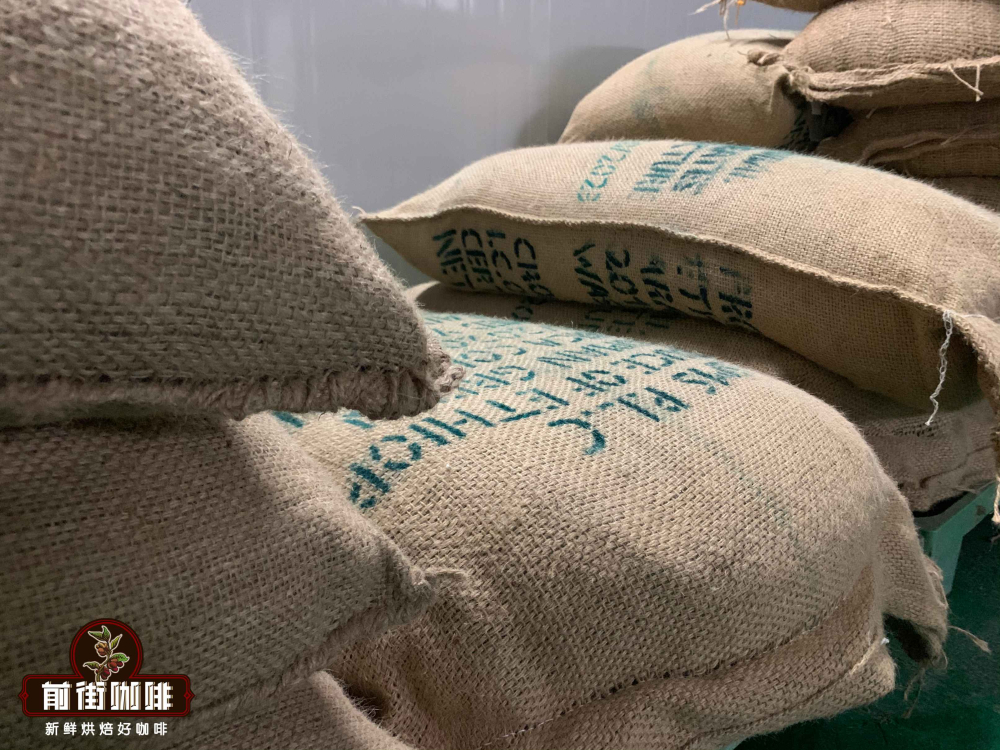
Recently, Luckin launched Huakui 5.0 SOE coffee, which made Huakui popular again. Meanwhile, Li Guoqing publicly questioned Luckin's monopoly on the Huakui coffee market. Luckin stated it planned to purchase 80 tons of Huakui coffee beans in 2022, an astonishing figure. It should be noted that what we call Huakui is not simply natural beans from the Hambella region — it must also be Hambella natural coffee processed by the Buku Abel processing station to qualify as Huakui.
Observant friends may have noticed that Huakui's name has changed every year in recent years. For example, 2021's Huakui 5.0, 2020's Huakui 4.0. It's clear that Huakui's naming follows the "Huakui X.0" rule.
Following this pattern, 2022's Huakui should be called "Huakui 6.0." That's right — the new season's Huakui is about to arrive, with Huakui 6.0 expected to reach port in April 2022. Front Street knows that many friends who trust Front Street Coffee (FrontStreet Coffee) are looking forward to this bean, and Front Street has already reserved the batch at the earliest opportunity. With a few months to go before Huakui 6.0 arrives, Huakui fans can only satisfy their cravings with Huakui 5.0 and Little Huakui for now. Coincidentally, Front Street's bean list has both of these Huakui offerings.
Front Street discovered in the 2017, 2018, and 2019 Huakui vintages that Huakui's aroma mainly comes from some of the smaller-sized beans. By 2020, DW's processing station separated these small Huakui beans for separate processing, so Little Huakui no longer belonged to the "Huakui X.0" series but became independent as Little Huakui coffee.
After comparing Little Huakui with Huakui 5.0, Front Street found that Little Huakui has a notably higher proportion of small beans. After roasting and cupping both, Front Street found that Little Huakui's flavor is closer to the 2017 TOH natural group champion, with intense strawberry aroma and berry sweetness; Huakui 5.0 leans more toward the delicate floral notes of the Guji region, with bright and lively berry acidity.
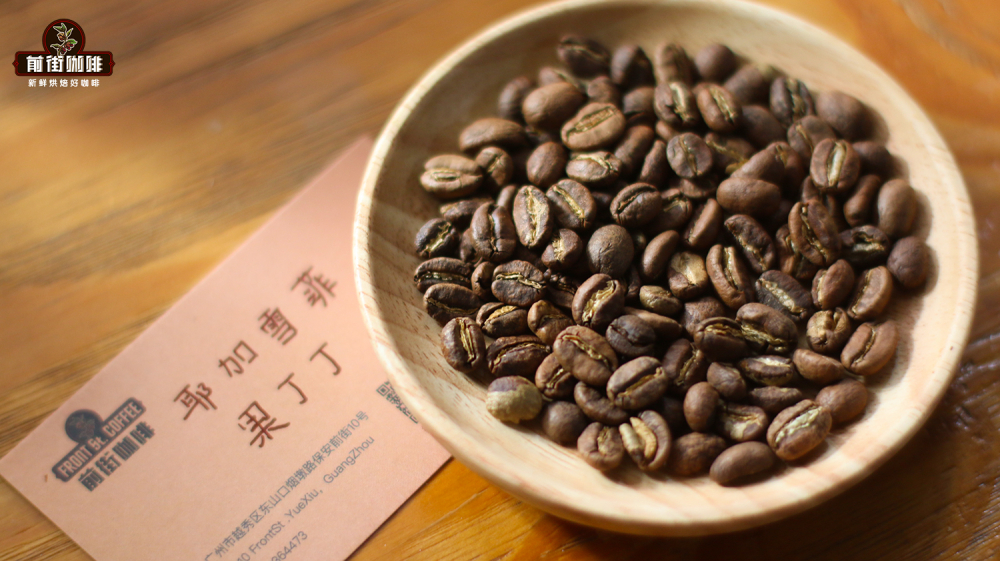
Fast forward to 2024, Huakui reaches its eighth version. The latest seasonal batch continues the multi-year naming rule, launched as "Huakui 8.0," and drinking the new Huakui has become the top priority for loyal fans. To present the refined floral-fruity notes of the Sidamo region while preserving the coffee's caramelized aroma, Front Street's roaster uses a medium-light roast to express this bean.
Front Street Coffee (FrontStreet Coffee): Sidamo · Huakui 8.0 Coffee Beans
Country: Ethiopia
Region: Sidamo · Guji
Altitude: 2250–2350m
Variety: Local heirloom varieties
Processing: Natural
Flavor: Floral, jackfruit, dried fruit, apricot, juicy
In brewing, Front Street has always advocated conservative parameters and steady technique. Because Ethiopian coffee is known for its bright acidity, Front Street Coffee (FrontStreet Coffee)'s roaster uses a medium-light roast for Huakui. When brewing both Huakui offerings, Front Street recommends a faster-flow dripper, 91°C water temperature, and medium-fine grind.
Dripper: Hario V60
Water temperature: 91°C
Dose: 15g
Ratio: 1:15
Grind: 80% passing Chinese standard No. 20 sieve
Front Street uses three-pulse pouring to give the coffee more layers. First pour 30g of hot water to fully wet the coffee grounds, and let it bloom for 30 seconds; then pour from the center with a small stream, slowly circling to 125g for the first pulse; when the water level drops to just about to expose the coffee bed, continue slowly circling and pouring to 225g; once the water in the dripper has fully dripped into the server, remove the dripper. Total extraction time is about 2 minutes.
[Little Huakui] Strawberry, cream, passion fruit, honey
[Huakui 5.0] Floral, berry, citrus, mango, honey
The above content is compiled by CoffeeHunters, a coffee news website.


