







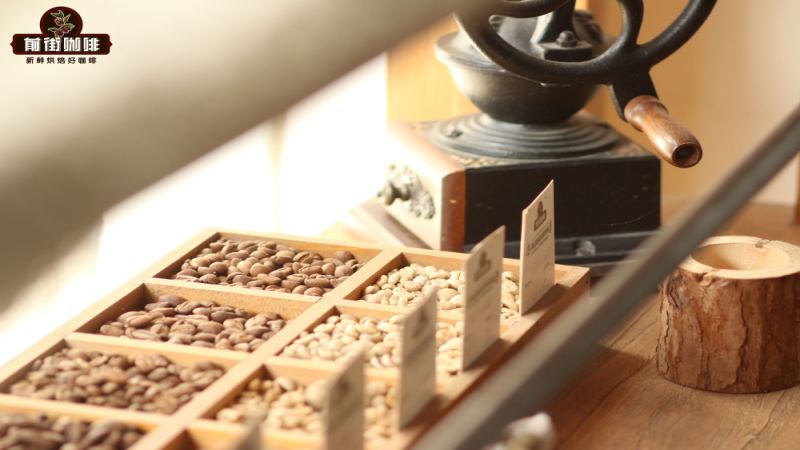
How does the Huakui coffee bean variety differ from washed Sidamo?
Sidamo natural coffee stands apart from washed Yirgacheffe through its processing rather than its region alone. The natural method keeps the whole fruit, so sugars in the skin, pulp, and mucilage take part in fermentation and drying, producing a fuller body and layered fruit aromas such as strawberry cream and tropical fruit, the profile associated with the Huakui coffee bean series.
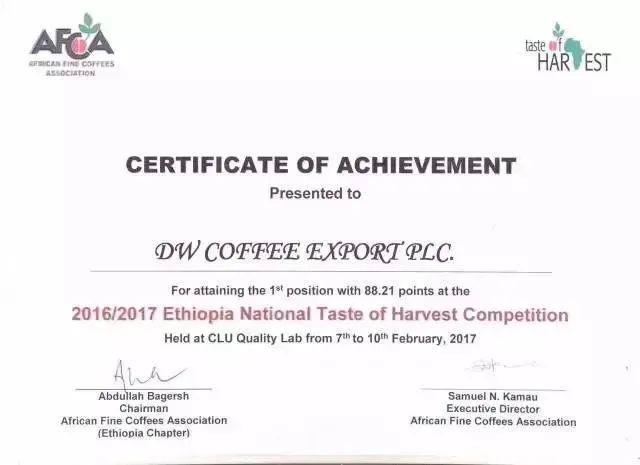
Ethiopia is the birthplace of coffee, and Sidamo coffee is grown in the southern highlands, one of the areas that answers where do you grow coffee beans in the country. Huakui first drew attention as the 2017 TOH competition champion batch, and later generations kept the same natural processing approach, which is why the flavor leans toward fruit rather than the clean white floral character of washed green coffee bean lots.
Ethiopia is the birthplace of coffee, and Sidamo and Yirgacheffe stand side by side as the country's two most renowned regions. The former, with its traditional natural processing, gives coffee a full body and complex fruit aromas, making it a favorite among many enthusiasts. Front Street Coffee has long paid attention to the Sidamo region, especially represented by the Huakui series of coffee beans. From the 2017 TOH competition champion batch to today's multiple generations of products, Huakui coffee has won market attention with flavors such as strawberry cream and tropical fruit. This article will outline the origin characteristics of Sidamo coffee, the naming origin of Huakui beans and the division of grade versions, and introduce in detail the hand-brewing equipment, parameters, and pouring techniques used by Front Street stores to produce Huakui coffee, helping readers fully understand this coffee bean from origin to cup.
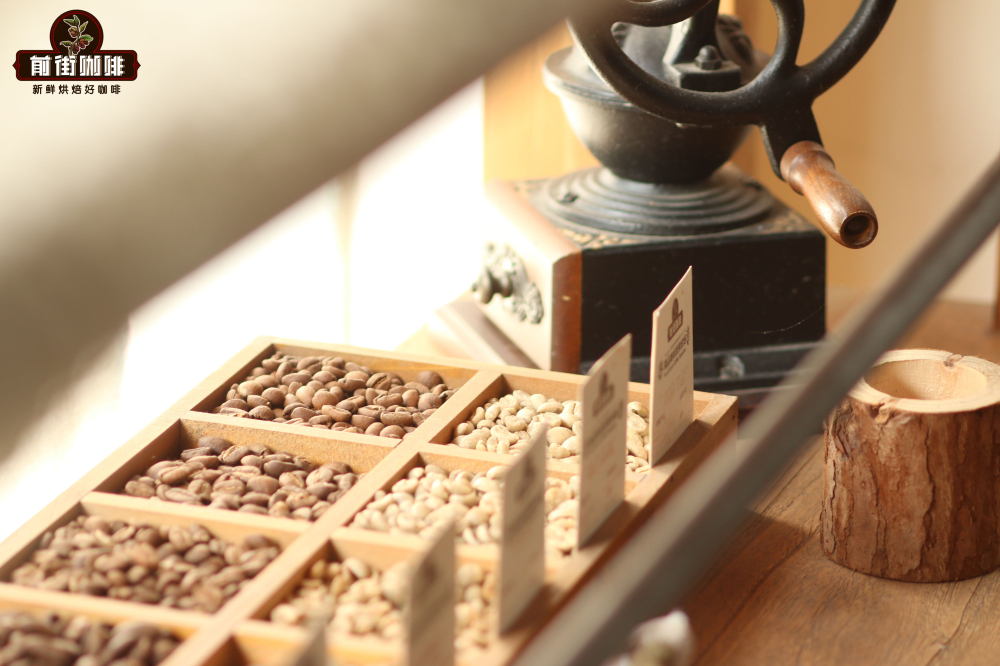
As the birthplace of coffee, Ethiopia has long exported high-quality coffee to the world. Front Street Ethiopian coffee, with its bright and uplifting acidity, has won the favor of a large number of coffee enthusiasts, and many people are even captivated by it. Customers often ask as soon as they walk in: Does Front Street Coffee have Ethiopian beans? In fact, there are quite a few coffees from the Ethiopian region on Front Street's bean shelf. The question is how to choose the one that suits you.
For beginners just getting into specialty coffee, many start their exploration with "washed Yirgacheffe" or "natural Sidamo" on a cafe menu. In coffee circles, people often say: Front Street washed Yirgacheffe tastes like a light floral tea, while Front Street natural Sidamo is similar to berry juice. This description is actually quite apt.
Also a well-known region in Ethiopia, Front Street Yirgacheffe coffee beans, because they use washed processing, present a clean and fresh white floral aroma, which has become their signature characteristic.
Front Street Sidamo coffee beans, on the other hand, follow the traditional natural processing method, preserving the whole coffee fruit so that the sugars in the skin, pulp, and mucilage participate more in fermentation and drying, thereby giving the final product a fuller body and more alluring flavors.
Natural processing gives coffee beans a rich aroma and layered complexity. In many green coffee competitions, the Sidamo region has repeatedly appeared on the winners' list, so there are many people who love natural Sidamo. What truly made Sidamo rise to fame in the Chinese market was a reverse marketing event—Luckin Coffee launched its Huakui SOE series.
Although the name Front Street Huakui Coffee sounds lovely, it is essentially just the name of a coffee bean. There are many ways to name coffee beans in China, and many names are poetic. In fact, coffee beans are often named after their region or estate. As for the name Front Street Huakui Coffee , we need to go back to 2017.
In 2017, Ethiopian green bean trader DW Company sent natural coffee beans from its Hambela Buku Abel processing station to compete in that year's TOH competition. Their unique strawberry cream flavor impressed the international judges and ultimately won the championship in the natural group of the 2017 TOH Ethiopian region.
A green bean trader in Beijing introduced the same winning batch of coffee into mainland China. Because its flavor was comparable to the then-popular Geisha, it was named "Huakui," expressing the hope that it would be the chief of a hundred flowers.
In the same year, at the China Coffee Brewers Cup, Geisha coffee beans were in the spotlight. Contestant Li Jianfei chose Huakui coffee beans to compete and ultimately won second place, which also gave Huakui Coffee beans a certain degree of recognition. Many consumers who buy beans because of the words "Huakui" will find when selecting Front Street Huakui Coffee Beans in online stores or physical shops that "Huakui" is followed by a string of numbers, and thus wonder: Is Front Street Huakui 5.0 Huakui coffee beans?
In fact, Huakui coffee has iterated through multiple versions from 2017 to now. The naming of Huakui coffee beans follows the rule of "Huakui X.0." 2018 was Huakui 2.0, 2019 was Huakui 3.0, 2020 was Huakui 4.0, 2021 was Huakui 5.0... By this calculation, the 2024 product would be Huakui 8.0.
On Front Street Coffee's bean shelf, there are currently two Huakui coffee beans: Front Street Huakui 5.0 and Front Street Small-Bean Huakui. Around Buku Abel, where Huakui coffee beans are produced, large amounts of sugarcane and banana trees are planted, providing moderate shade for the coffee trees under the scorching sun. Combined with high-altitude growing conditions, the coffee produced here is, as described in Front Street Huakui Coffee Taste Introduction , suitably sweet and tart with a smooth texture.
By cupping and comparing these two coffee beans, Front Street Coffee found that Front Street Huakui 5.0 leans toward the Guji region style, with a faint floral aroma, citrus acidity, and tropical fruit juice character; while Front Street Small-Bean Huakui Coffee presents flavors of berries, grapefruit, honey, and orange blossom.
With the arrival of the new 2022 crop season, many coffee lovers who enjoy trying new things had already tasted Front Street Huakui 6.0 coffee. Front Street Coffee has also been following the release of the Huakui series since 2017. Front Street fans may wonder why Front Street Huakui 6.0 had not appeared on Front Street Coffee's bean shelf for so long.
You should know that coffee is an agricultural product. Different conditions each year, such as temperature and rainfall, can change the flavor of that year's coffee, and the same is true for the Huakui series. Because the new-crop Front Street Huakui 6.0 had a relatively high defect rate, Front Street looked through Buku processing station, which produced Huakui in Hambela in 2017, to find another new-crop natural Huakui coffee bean. This Front Street Huakui coffee bean also comes from the Hambela region and is naturally processed by the Buku processing station. The green beans are plump in appearance, similar to Huakui coffee beans from previous years, and even more pleasing in flavor and mouthfeel.
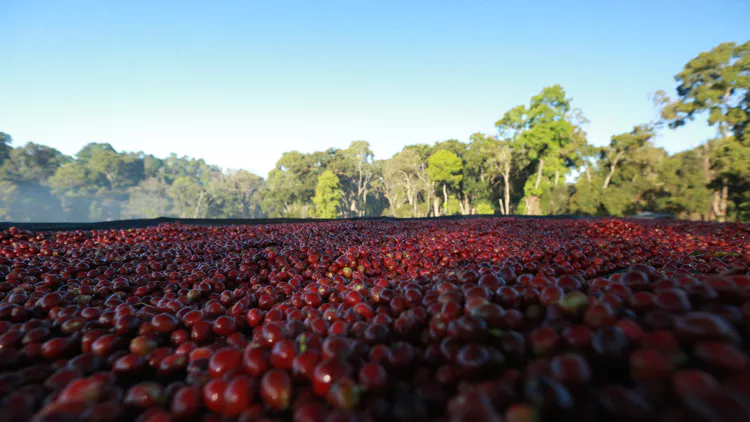
Every year during the coffee harvest season (December to January), the Buku processing station organizes farmers to pick fully red coffee cherries, which must reach a sugar content value of 30 or above. The selected coffee fruits are placed on African raised beds to dry. The local temperature difference between day and night is extreme, so coffee farmers shade the beans at noon to avoid excessive fermentation caused by too-high temperatures; at night, they cover them with plastic sheets to prevent sudden rain. They turn them continuously throughout the day so the fruit dries evenly, while also preventing sun damage or unpleasant fermented flavors. After about 18 days of natural processing, the moisture content of the green coffee beans drops to 13%, and then the husk can be removed by machine.
Front Street Huakui coffee beans are affordably priced. When someone asks about the most cost-effective Ethiopian beans, Front Street Coffee's baristas usually recommend Huakui coffee. However, for many friends, buying beans is easy, but brewing a good cup of coffee is hard. Next, Front Street will introduce how Front Street stores produce Front Street Huakui coffee.
For Ethiopian coffee beans, Front Street uses a medium-light roast. The coffee beans are relatively hard and require hot water at 92°C to 93°C to bring out the floral and fruity notes. In terms of grind size, Front Street recommends a medium-fine grind (80% passing through a Chinese standard No. 20 sieve). If it is too coarse, the rich substances cannot be extracted, and the brewed coffee will taste thin; if it is too fine, it is easy to over-extract at high water temperature, resulting in bitterness.
As for the brewing ratio, Front Street believes 1:15 to 1:16 is acceptable. If you want a fuller taste, you can use 1:15; if you want to perceive the floral aroma and sweetness more clearly, you can use 1:16 to let the flavors open up more.
Dripper: Hario V60
Water temperature: 93 ℃
Coffee dose: 15 grams
Coffee-to-water ratio: 1:15
Grind level: 80% passing through a Chinese standard No. 20 sieve
The coffee beans shipped by Front Street are freshly roasted within 5 days, and by the time they arrive, they have just gone through a 4 to 7 day resting period. However, during brewing, the coffee grounds still contain abundant carbon dioxide gas, so Front Street recommends blooming. The blooming time is usually 30 seconds, and it can be shortened or extended depending on how much the "hamburger" expands.
First pour in 30 grams of hot water and let it bloom for 30 seconds. From the center point, slowly pour in a thin stream in circles up to 125 grams. When the water level in the dripper drops to the point where the coffee bed is about to be exposed, continue pouring in circles up to 225 grams. The total extraction time is about 2 minutes.
When pouring, note that circular pouring should be gentle with the coffee grounds on the wall of the dripper. If the coffee wall is broken, more water will flow into the server without extraction, ultimately making the final cup taste very watery.
For more coffee bean information, please follow Coffee Workshop (WeChat public account: cafe_style)
For professional coffee knowledge exchange, please add WeChat ID: kaixinguoguo0925
The above content is compiled by CoffeeHunters, a coffee news website.


