







How do SOE coffee beans change with roast level?
Ethiopia's natural-processed Huakui, grown in Sidamo Guji at 2,250 to 2,350 meters, is sold at two roast levels. The light-medium roast suits pour-over and cold brew, drawing out floral, strawberry, dried fruit, honey, and juicy notes. The medium roast Huakui SOE is built for espresso, giving a denser, sweeter shot.
Natural processing still accounts for roughly 70% of Ethiopian production, and Huakui is a common example. For soe coffee, medium and darker roasts extract more readily and hold up in milk or over ice. Pick light-medium for filter methods and medium for espresso, then adjust grind and ratio to taste.
Ethiopia is the birthplace of coffee. While the washed Yirgacheffe beans are certainly a classic, natural processing is actually the dominant method in the country, accounting for about seventy percent of national production. The Huakui from the Sidamo Guji region is a prime example of natural-processed beans that combine excellent flavor with a strong reputation. This article starts with Huakui's growing conditions and natural processing methods, then traces the source of its floral, strawberry, dried fruit, honey, and juicy flavors, before comparing Front Street's light-medium roast Huakui with the medium roast Huakui SOE in terms of extraction methods and taste profiles, helping you make the right choice between pour-over, cold brew, and espresso.
Ethiopia is the birthplace of coffee and one of our particularly beloved producing countries. From the classic Yirgacheffe to other regions, Front Street's baristas hold great enthusiasm for them all.
When Ethiopian coffee comes to mind, many people's first thought is Yirgacheffe. This region is famous for its washed beans—Front Street's Gudingding Cooperative coffee is a representative washed specialty, with clear white florals and bright citrus acidity.
While Yirgacheffe's washed beans are famous, Ethiopia as a whole still predominantly uses natural processing. Even today, natural-processed beans still account for around seventy percent of national production. When it comes to the representative Ethiopian natural bean, Huakui stands out as one of the best in both popularity and flavor.
Front Street · New Season Natural Huakui Coffee Beans
Country: Ethiopia
Region: Sidamo · Guji
Altitude: 2250–2350 meters
Variety: Local heirloom varieties
Processing: Natural
Grade: G1
Flavor: Floral, strawberry, dried fruit, honey, juicy
High altitude, excellent innate growing conditions, fertile soil, combined with selective harvesting of only ripe cherries—these multiple advantages mean Huakui is naturally endowed with abundant aromatics; combined with Sidamo's highly representative natural processing, Huakui's captivating aroma is further brought to the fore.
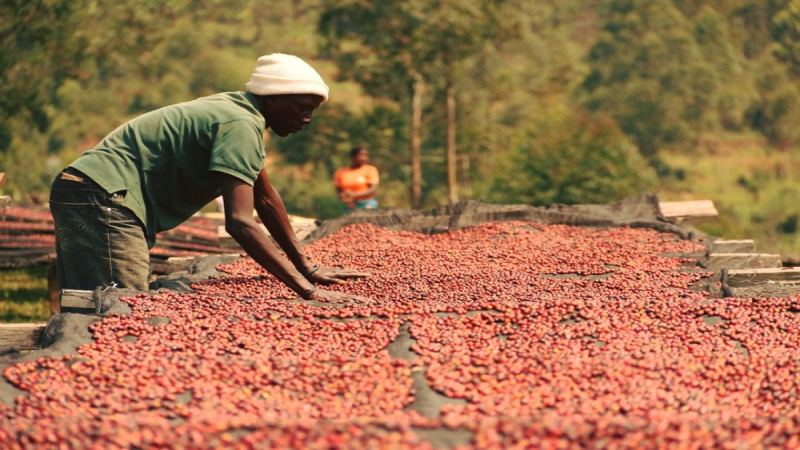
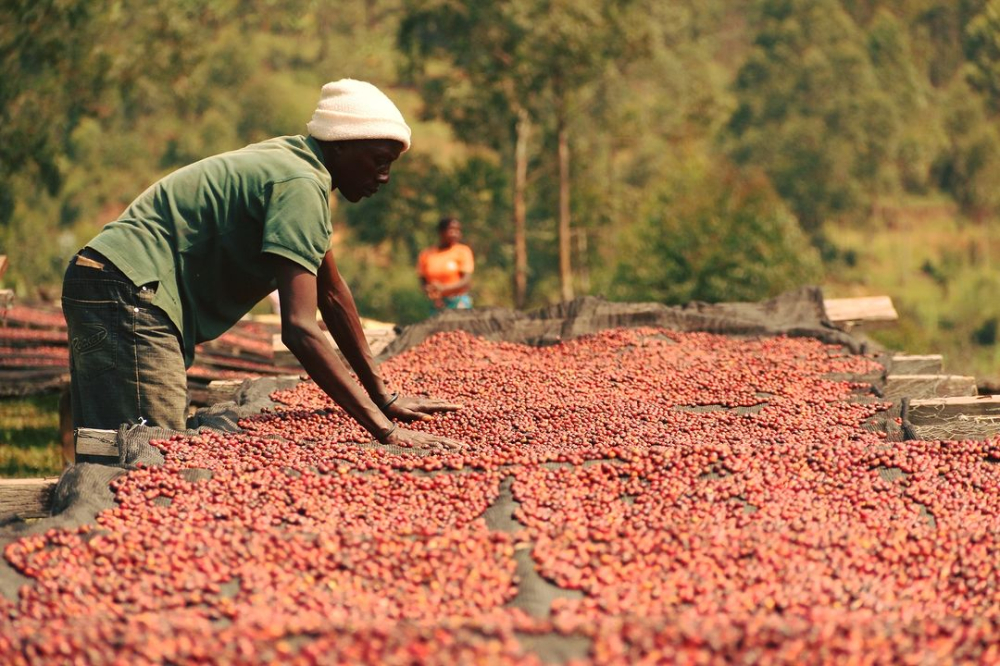
Sidamo's natural processing method is quite meticulous. During harvest season, only ripe cherries are picked—the harvested cherries are similar in size with consistent ripeness levels, without any foreign matter mixed in. During processing, they first undergo strict hand sorting to remove defective beans, then the red cherries are spread out on raised wooden racks or entire drying beds to dry, preventing the fruit from molding or picking up earthy off-flavors.
During the drying period, the cherries must be turned constantly so that every bean heats and dehydrates evenly; every three to five days, farmers manually remove moldy and defective beans. Once the fruit skin dries and hardens, a hulling machine removes the dried husks. After obtaining the green beans, another round of sorting is done for a cleaner cup. It is precisely these elaborate steps that ultimately yield high-quality Huakui with intense aroma and a clean flavor profile.
Front Street Huakui comes from Ethiopia in Africa. African beans are generally light, with prominent floral and fruity notes and vivid acidity. To bring out these characteristics, the roast profile typically uses light, light-medium, or medium roast. If switched to medium-dark or dark roast, the floral and fruity aromas would be largely lost to heat, turning instead bitter, burnt, and heavy—neither fitting the bean's own character nor making the most of Ethiopian coffee's strengths.
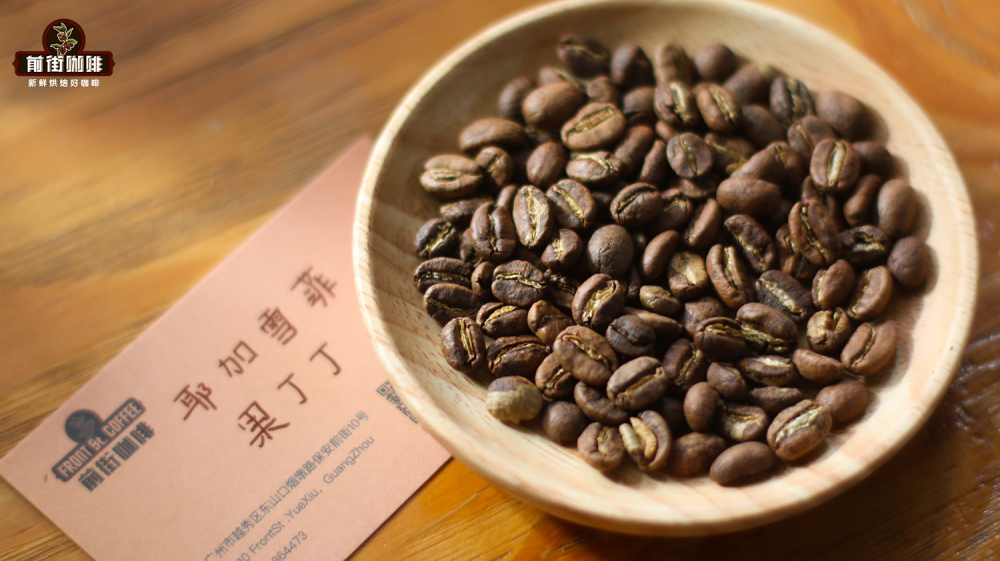
However, considering that everyone's needs and extraction methods differ, we have specifically created two single-origin offerings: the light-medium roasted Front Street Huakui coffee beans, and the medium roasted Front Street Huakui SOE coffee beans.
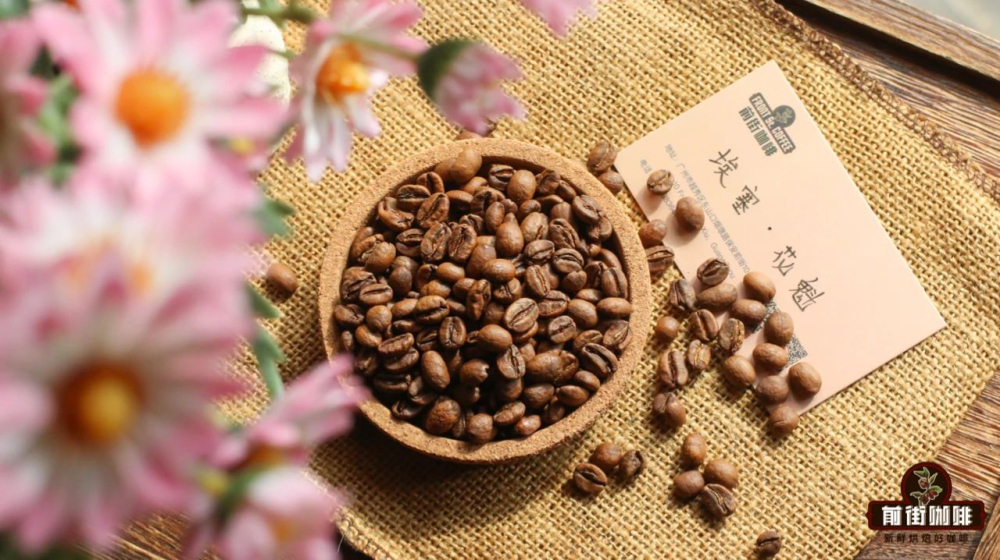
For those who regularly make pour-over or cold brew, choose Front Street light-medium roast Huakui. With shorter exposure to heat, it has more florals, brighter fruity sweetness and acidity, and a light, refreshing mouthfeel—suitable for both hot and iced drinks;
For those who want to make espresso, choose the medium roasted Front Street Huakui SOE. Moderate caramelization reactions bring more roast-type aromas, giving Huakui SOE Americano and Huakui SOE Latte more body and fermented fruit notes.
Front Street New Season Natural G1 Huakui Coffee Flavor: Light fermented wine aroma, florals, citrus, mango; the mouthfeel is notably rich and complex, with honey sweetness and cacao notes accented by a hint of spice, a full body, and a lingering finish.
The above content is compiled by CoffeeHunters, a coffee news website.


